Château des Grotteaux: A Seventeenth-Century Estate in France
Site at a Glance
- Rating
- 4.9
- Popularity
- Low
- Country
- France
- Primary era
- Early Modern
- External website
- Open
- Eras represented
- Early Modern
- Civilizations
- French
- Site type
- Domestic
- Remains
- Elite Residence
On this page12 sections
History
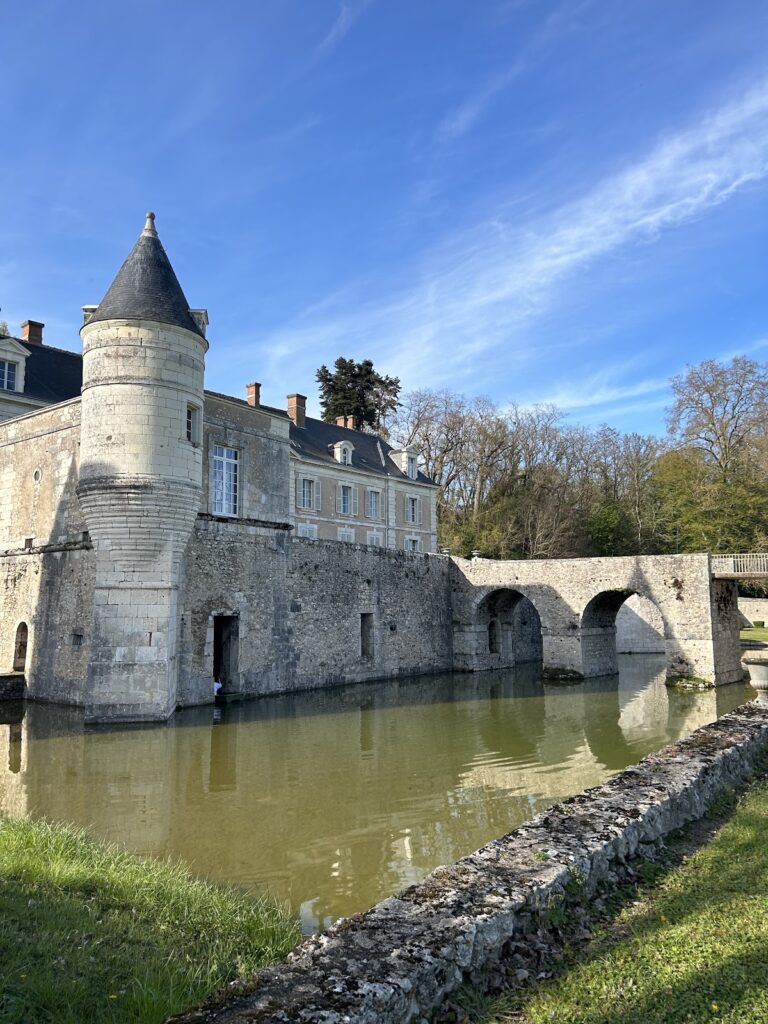
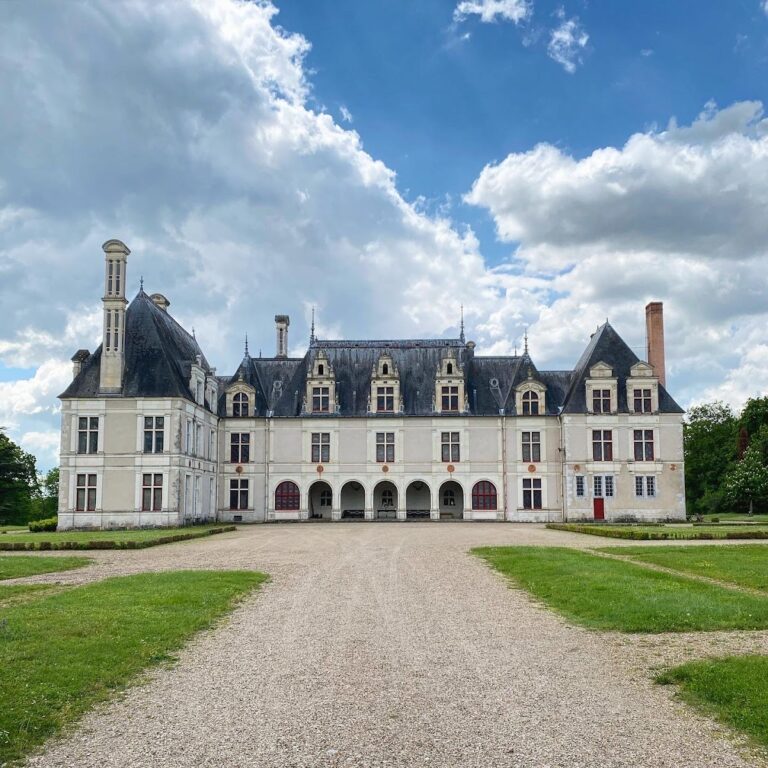
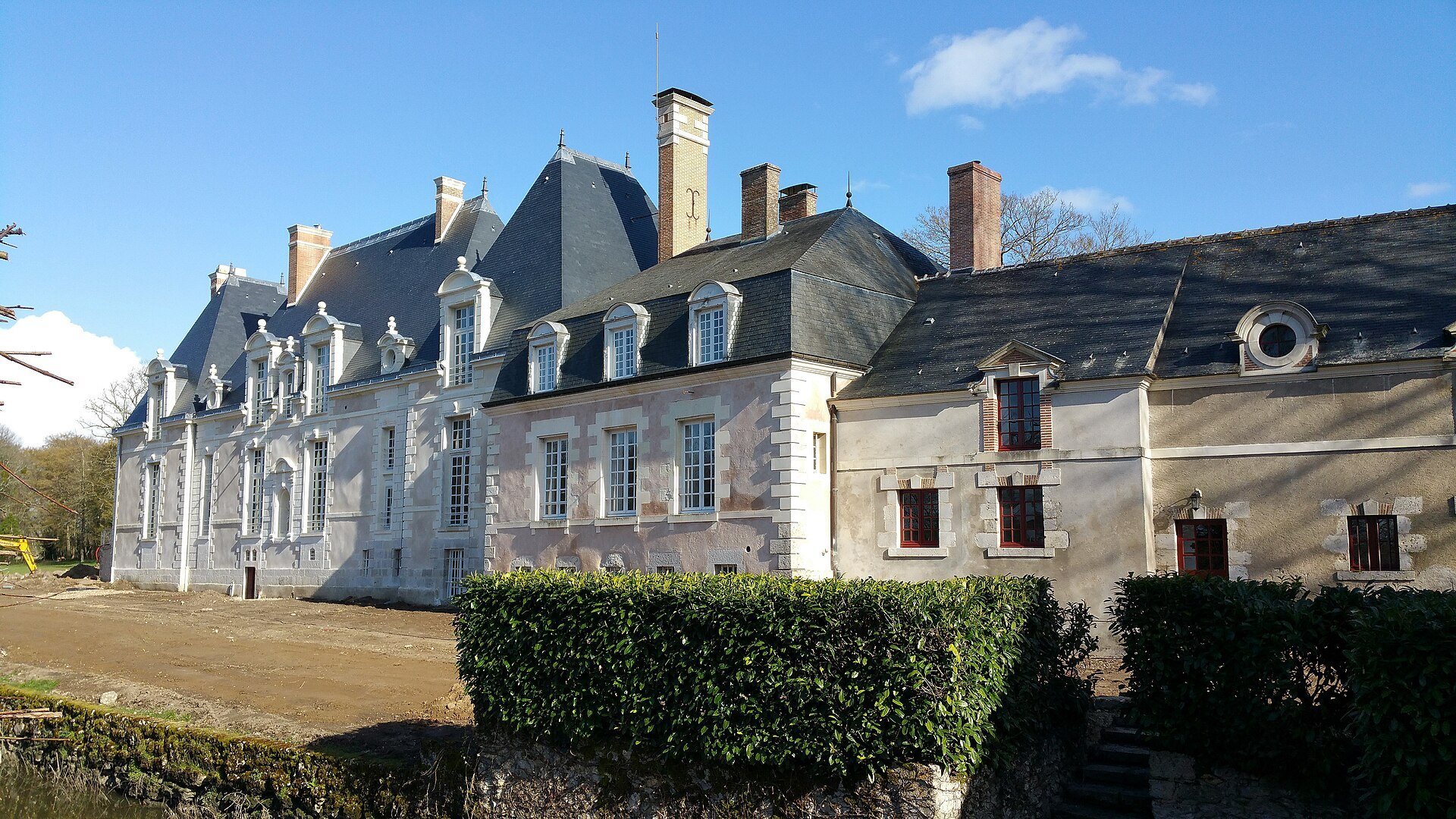
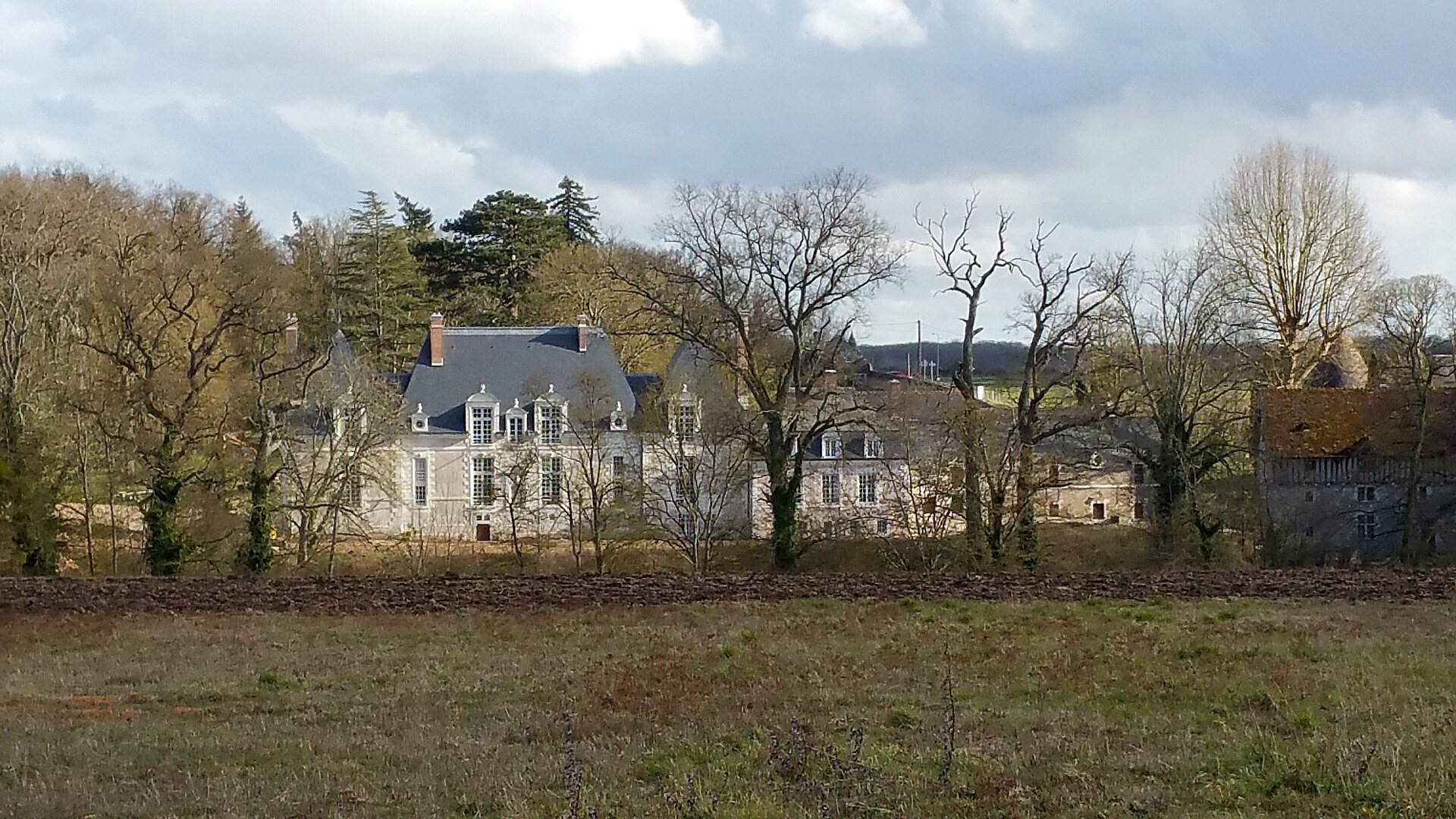
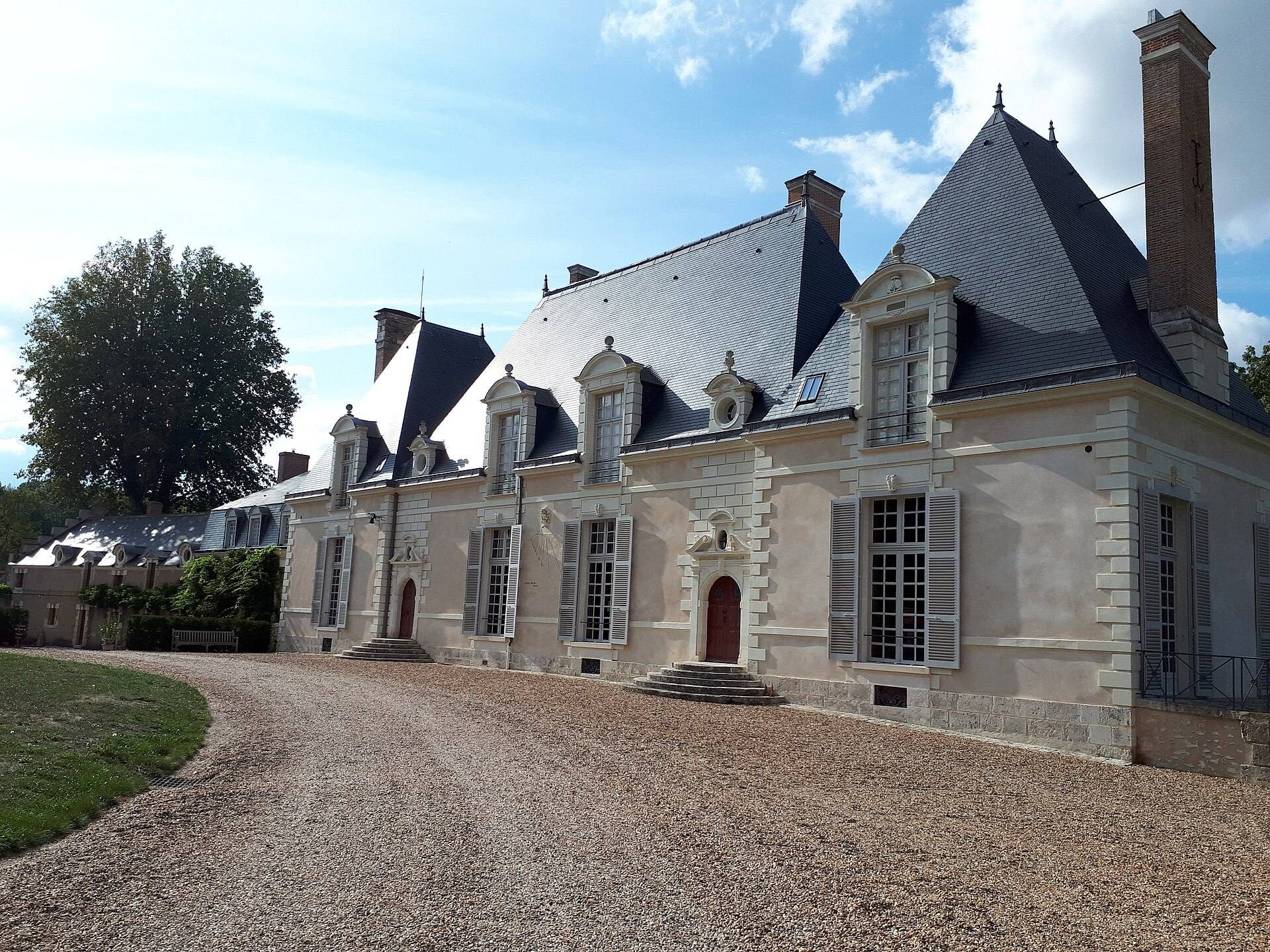
Château des Grotteaux is a historic estate in Huisseau-sur-Cosson, France, built in the early seventeenth century on the site of an earlier building and completed around 1620 by Jean III Daguier, lieutenant general at Blois. The estate includes the château and a park crossed by the Cosson, and remains privately owned.
Seventeenth-Century Formation
Jean III Daguier completed the château around 1620. In 1629, his son-in-law Guillaume Ribier inherited the estate. Ribier gradually assembled a library of about 3,000 to 4,000 books, although the collection later disappeared. He sold Château des Grotteaux on 6 May 1659 to Nicolas Chauvel, seigneur de La Martinière. A seigneur was a lord or landed proprietor under France’s former feudal and manorial system.
Later Additions and Ownership
Louis-Joseph de Lenfermat, also recorded as Lenfernant, added a west wing around 1760. Charles Bagieu acquired the estate in 1798. Bagieu served as an administrator of supplies for the Grande Armée, the French imperial army associated with Napoleon Bonaparte’s military campaigns. During his ownership, an orangery was built and rare plant species were planted in the grounds. An orangery was designed to shelter citrus and other frost-sensitive plants during cold weather.
Protection and Discovery
The château was registered as a French historic monument in 1954. This designation protects buildings, structures, landscapes, and other cultural assets considered historically or architecturally important. A further registration in 1997 covered the landscaped park, including the island in the Cosson, riverside installations, and several ancillary structures.
In early 2014, renovation work in a bedroom revealed seventeenth-century wall paintings. Jacky Rentien, then the estate’s caretaker, made the discovery. The paintings added evidence of the château’s early decorative history.
Remains
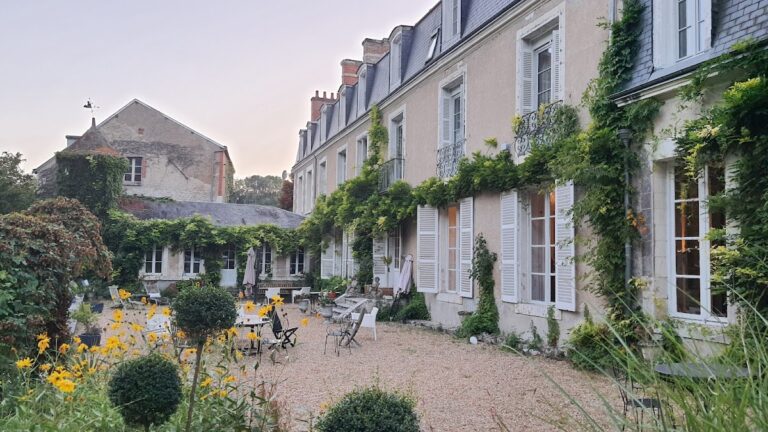
Château des Grotteaux forms part of an estate organized around the château, the Cosson, and a landscaped park. The surviving complex combines the early seventeenth-century building, its west wing, decorated interiors, water-related features, and ancillary structures distributed through the protected grounds.
The Château
Dining Room
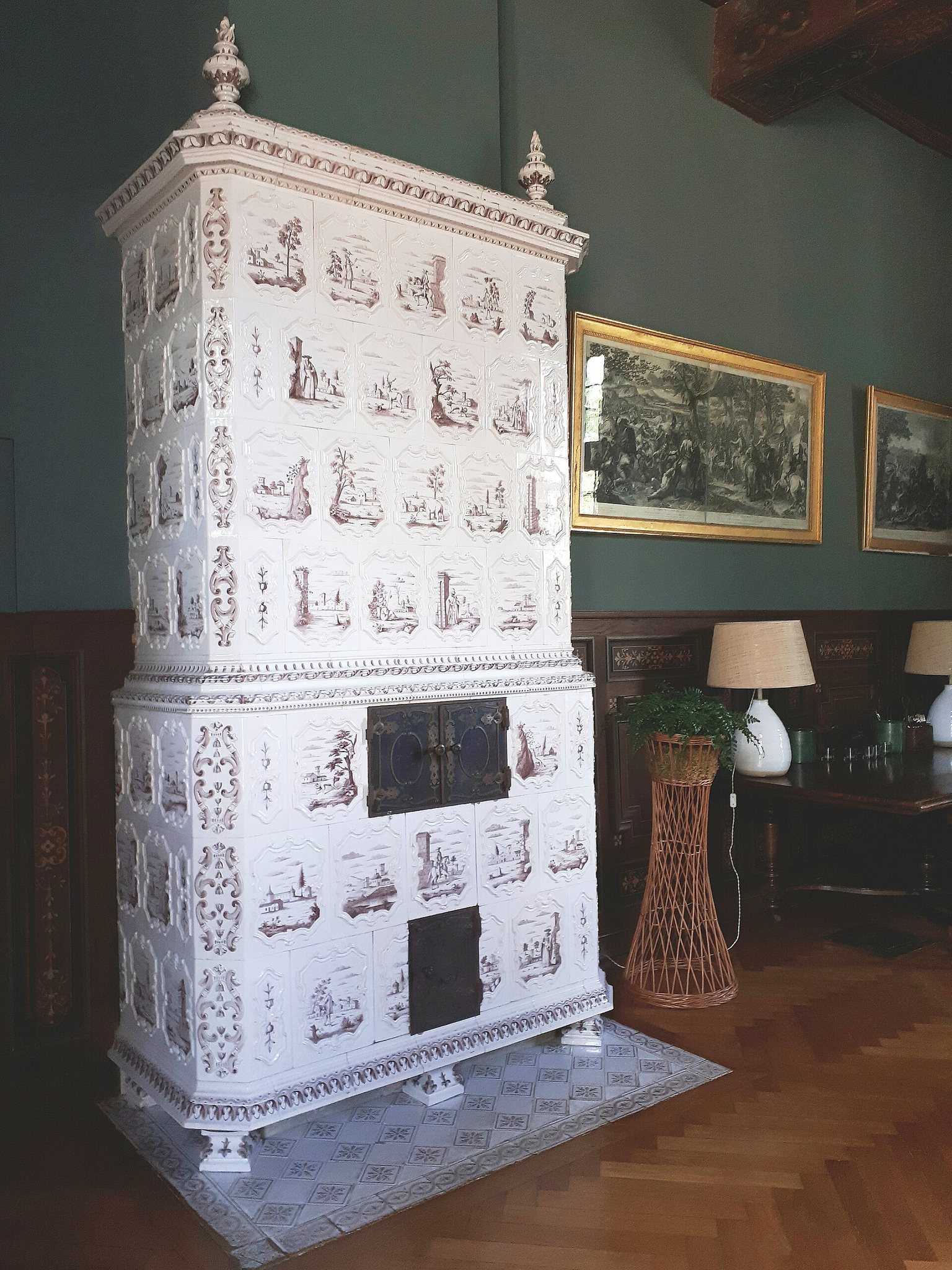
The dining room contains a faience stove made in 1892 in the workshops of Ulysse Besnard in Blois. Its paintings are attributed to Jean Mosnier, a painter associated with the works preserved in the room.
Grand Salon
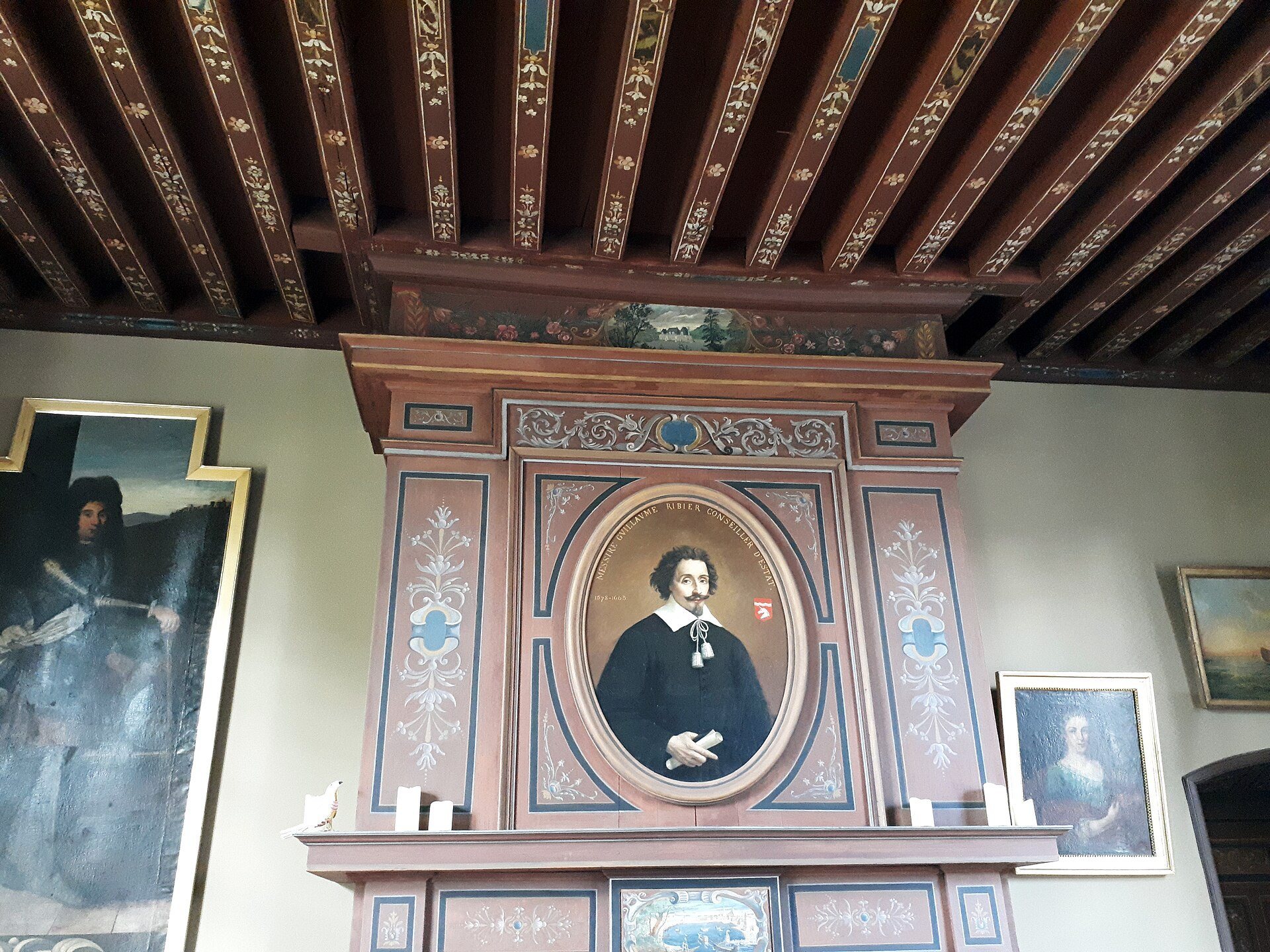
The grand salon was formerly the library assembled by Guillaume Ribier. It has a ceiling with painted joists and a fireplace surmounted by a portrait of Ribier, linking the room’s present decoration with the seventeenth-century owner who developed the estate’s book collection.
Bedroom Wall Paintings
Seventeenth-century wall paintings representing the gods of Olympus were uncovered in a bedroom during renovation work. The gods of Olympus are the deities of ancient Greek religion traditionally associated with Mount Olympus. Their painted presence forms part of the château’s surviving interior decoration.
Park and Ancillary Structures
Cosson Island and Riverside Installations
The park is crossed by the Cosson and includes an island within the river. Riverside installations comprise an iron footbridge, a landing stage, and a lock. A lock is a water-control structure that raises or lowers boats between different water levels.
Orangery and Service Structures
The grounds contain the orangery built during Charles Bagieu’s ownership, together with an icehouse, a cellar, and an enclosing wall. An icehouse is an insulated storage structure formerly used to preserve ice. These structures form part of the ancillary fabric of the protected park, alongside the rare plant species introduced under Bagieu.