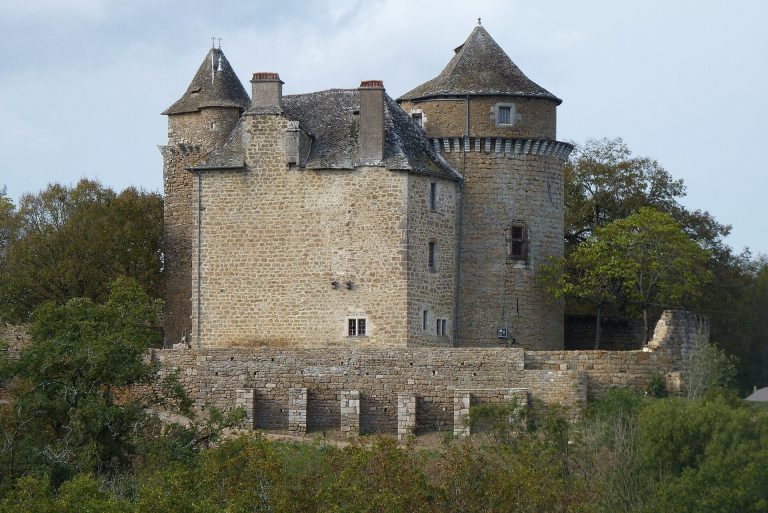
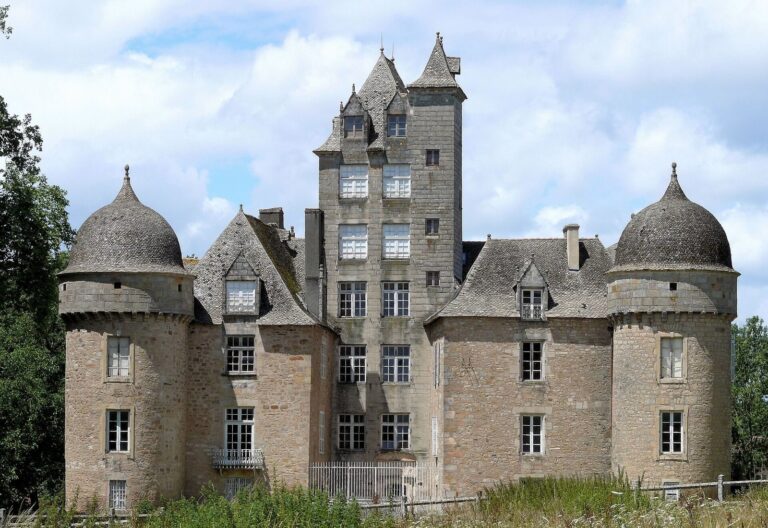
Château des Anglais: A Medieval Cliffside Fortress in France
Site at a Glance
- Popularity
- Medium
- Country
- France
- Primary era
- Medieval
- Eras represented
- Medieval
- Civilizations
- French
- Site type
- Military
- Remains
- Castle
On this page10 sections
History
The Château des Anglais, also known as the Château de la Roque d’Autoire, is a medieval fortress at Autoire, France, with origins in the 11th and 12th centuries.
Frontier fortress and English rule
Autoire stood on the frontier between the counties of Auvergne and Toulouse. In 1178, the castle jurisdiction of Saint-Céré, which included Autoire, passed to the Viscounts of Turenne. The Baron of Castelnau-Gramat probably began the fortress around that time as a protected rock shelter built against the cliff. Older texts call it la Rocca.
In 1259, Garin de Castelnau, lord of Gramat, formally acknowledged Alphonse of Poitiers’s authority over his possessions, including the castle. In 1286, the French king ceded it, along with other towns and lordships, to the English king. During the Hundred Years’ War, the prolonged conflict between the English and French crowns, the castle and fortified village became a base for English military companies. In 1378, Bernard de La Salle, a mercenary captain serving the English king, occupied the fortress.
Later occupations and abandonment
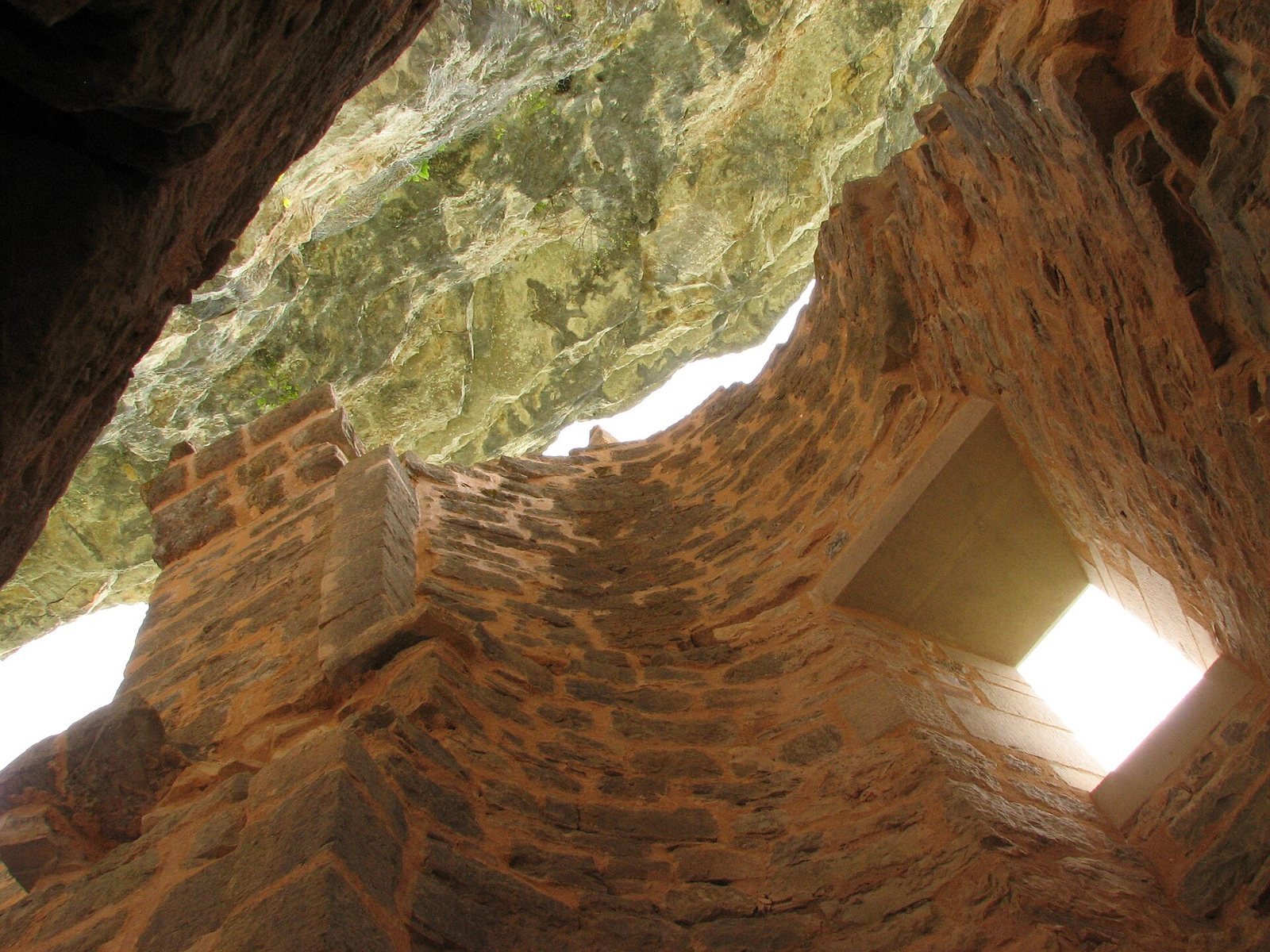
Shortly after the war, the lord of Autoire added a tower against the fortified residence. It had a spiral staircase and machicolations, projecting defenses with openings through which defenders could attack below. Protestants occupied Autoire in 1562. On 3 March 1588, a Protestant band commanded by Jean Mollé, known as Captain Vinsou, surrendered the castle to the governor of Saint-Céré and the community of Autoire for the Viscount of Turenne.
In 1647, during the Fronde, a series of French uprisings against royal authority in the mid-17th century, the Viscount of Turenne had the defenses repaired. The site was later abandoned. From the 18th century, local people took stones from the ruins, which were subsequently overgrown with scrub and fell into obscurity. The Château des Anglais was listed as a French historic monument on 26 October 1925.
Remains
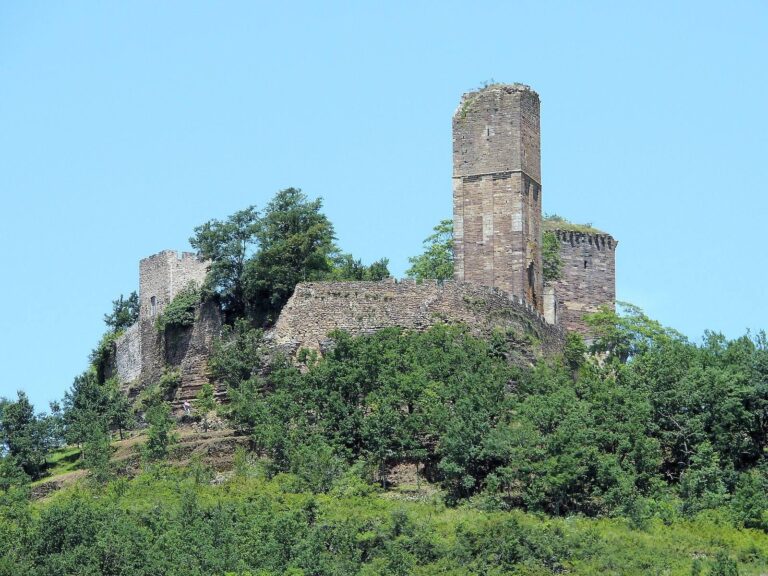
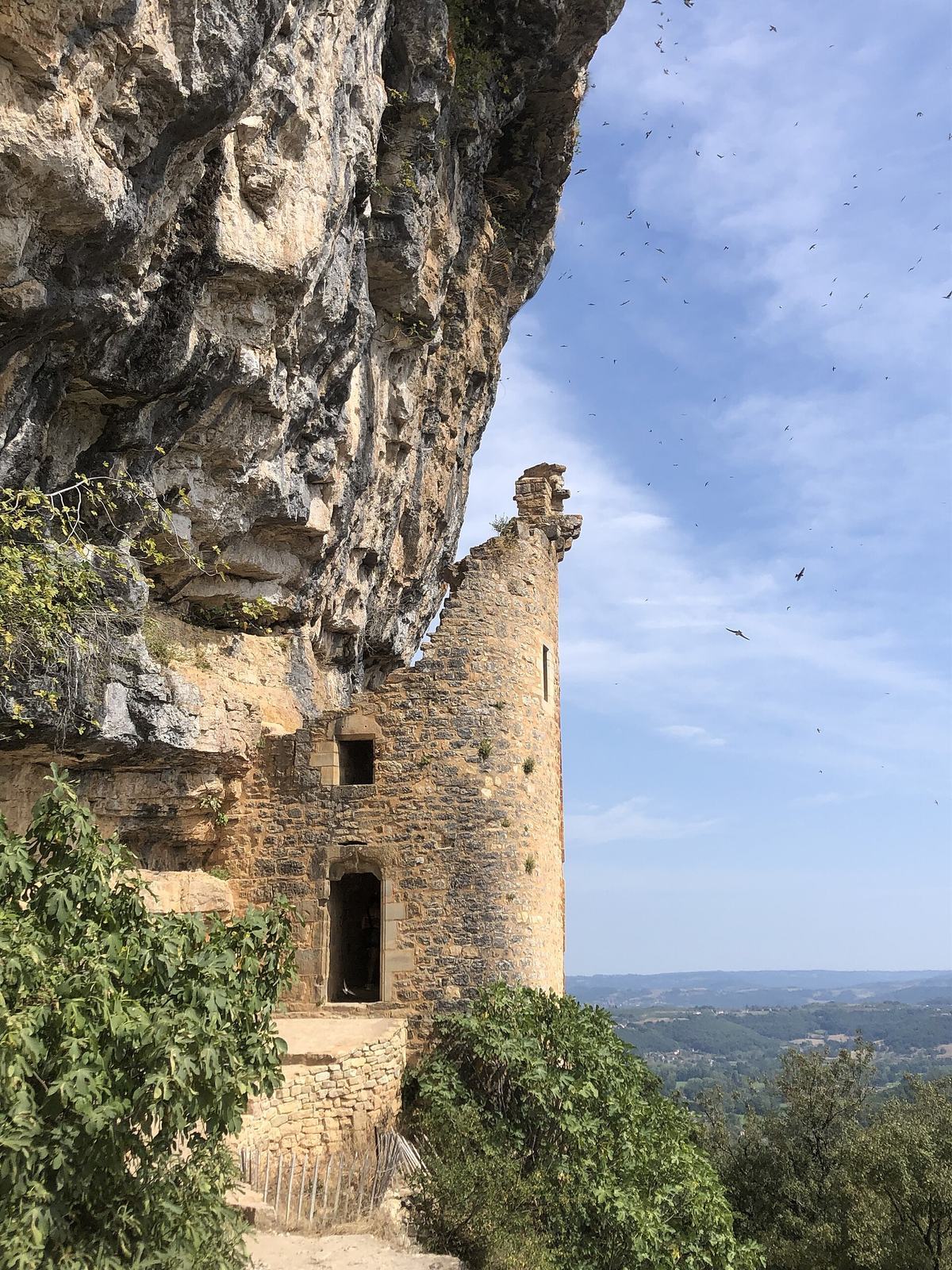
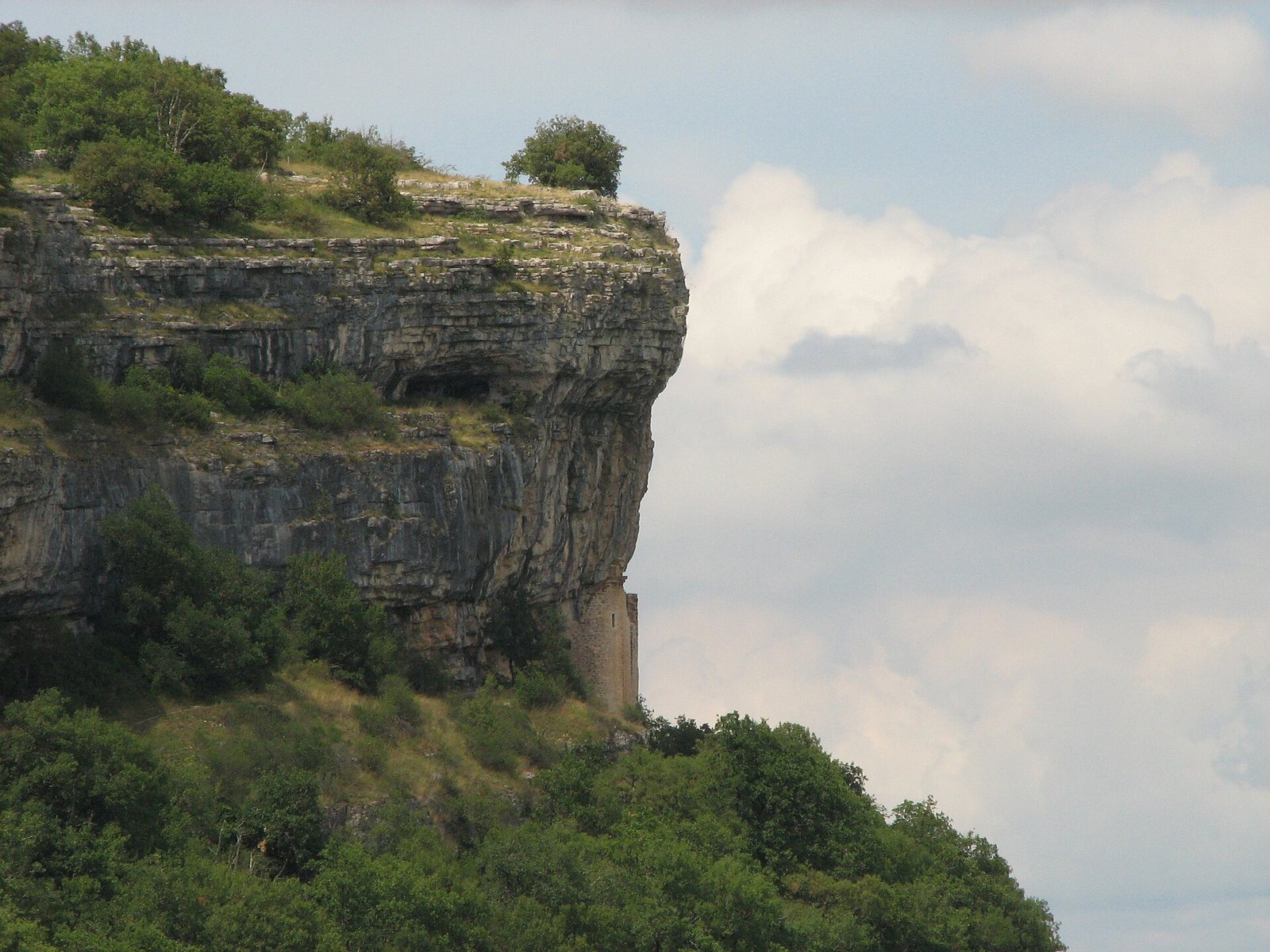
The fortress was built beneath a rocky overhang on a cliff about 50 metres high. Its fortified frontage measured about 200 metres, while the complex extended 30 to 40 metres in depth. Defenses occupied three stepped terraces, accommodating the cave, towers, and residential buildings within the restricted space below the rock.
Cliffside defenses
Terraces, towers, and entrance
The defensive complex included four towers, whose bases survive. The northern tower had a small secondary gate, while a projecting tower on the southwest side controlled the principal entrance. A watchtower may also have stood at the top of the cliff.
Fortified cave
A fortified cave dating from the 12th century formed part of the defenses built against the cliff.
Residence and settlement
Residential blocks
The roofless main residential block retains a turret. Farther east, a second residential block also has a turret. Together, the two blocks formed a narrow, extended fortified residence attached to the rock, which served as its lower wall.
Fortified village
Slightly below the residence, the fortified village comprised 22 square houses enclosed by a wall made of large stone blocks. The enclosure may have been built before the castle and village.