Wargemont Country House: A Historic Residence in Normandy
Site at a Glance
- Popularity
- Medium
- Country
- France
- Primary era
- Modern
- Eras represented
- Early Modern, Modern
- Civilizations
- French
- Site type
- Domestic
- Remains
- Elite Residence
On this page12 sections
History
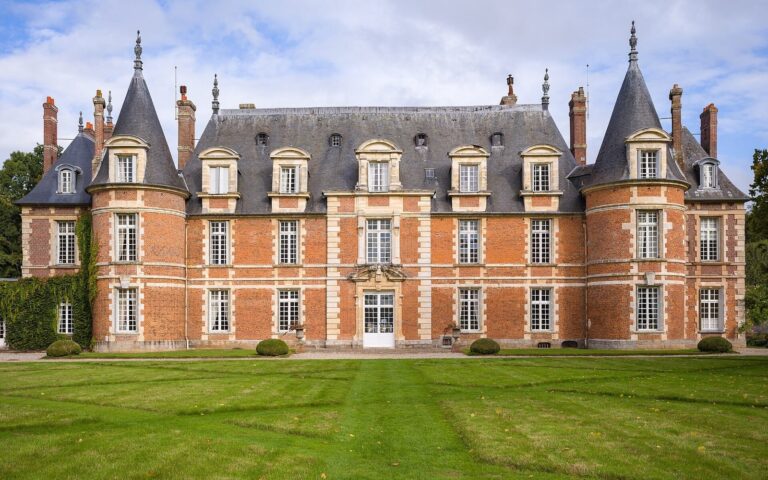
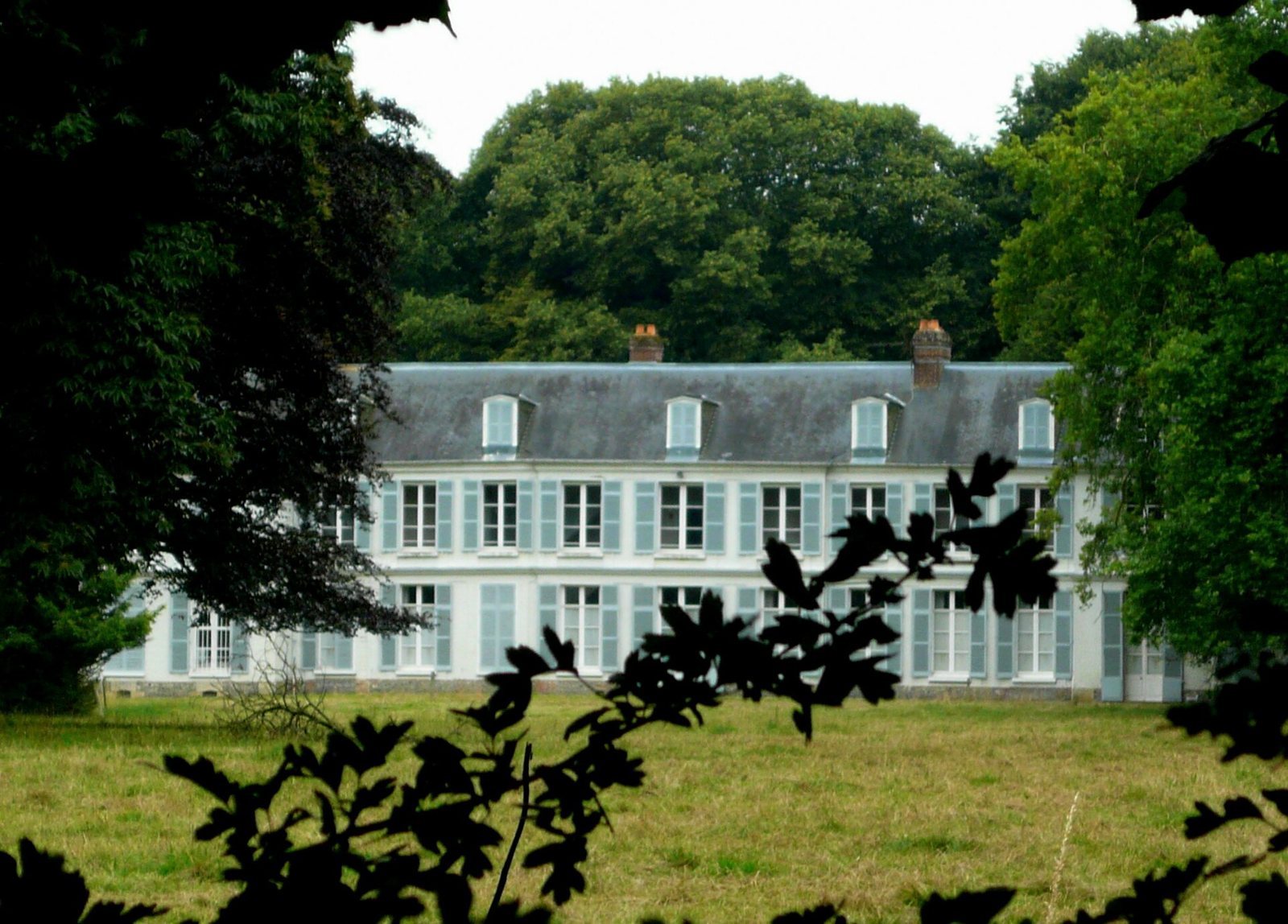
Wargemont Country House is an eighteenth- and nineteenth-century residence in Derchigny, Normandy, France. Construction began in the eighteenth century and continued into the nineteenth, as the estate passed from the Le Fournier de Wargemont family to the d’Haubersart, Bérard, and Renaudeau d’Arc families. The place was also known as Vargemont, after the hamlet where it stands. In the late nineteenth century, the Bérards made Wargemont a setting for artists, especially Pierre-Auguste Renoir.
The Le Fournier family
Albert-Louis-Aymar Le Fournier, Count of Wargemont, was the last member of his family to live at the house. In 1772, Louis XV appointed him commander of Haute-Normandie and charged him with ending a noble conspiracy in Normandy. The nobles sought to pressure the Crown over taxation while the Parlements, the monarchy’s high courts rather than elected legislatures, were silenced. After Le Fournier took targeted action, regional nobles met at Wargemont, and the conspiracy appears to have subsided. He left France during the Revolution, never returned, and died in 1810.
Merlin de Douai and the d’Haubersarts
Philippe-Antoine Merlin de Douai, a jurist and political figure, married Isabelle-Caroline Rohart, Countess of Wargemont, and lived at the estate from 1812. He bought nearby land, enlarging the property, and may have begun the first alterations to the house. After the Bourbon monarchy returned following Napoleon’s rule, Merlin was barred from France and left the estate to his daughter.
His son-in-law, the Count d’Haubersart, carried out the most extensive changes to the house, perhaps completing work Merlin had started. When Louis-Philippe visited Dieppe in 1833, the royal party stopped at Derchigny-Vargemont, where the count addressed them. A description of the area published in 1854 praised the residence he had created. The count also transferred a gray-marble altar from Wargemont’s former chapel to the church at Graincourt.
The Bérards and the artists
Paul Bérard, the count’s grandson, became an art patron and collector. Beginning in 1879, he invited Renoir to spend long summer periods at Wargemont; the visits and Renoir’s work connected with the estate continued through 1899. Bérard and Renoir may have met the previous year at the Paris salon of Marguerite Charpentier. Their relationship, and Renoir’s ties with the Bérard family, were described as warm. The Impressionist collectors Victor Chocquet, Charles Ephrussi, and Charles Deudon each had a room at the house and regularly followed Renoir’s artistic development. Painters Jacques-Émile Blanche, Gustave Caillebotte, and Mary Cassatt also worked there. Other visitors to the family included Charpentier, Albert Cahen-d’Anvers, and the novelist Marcel Proust.
Letters between Bérard and Renoir span nearly twenty-five years and have provided curators with insight into their relationship. Wargemont also became closely associated with roses: Renoir painted the subject repeatedly, while the Le Fournier family’s coat of arms featured three red roses on a silver field. In 1897, Oscar Wilde, then using the name Sebastian Melmoth, visited Wargemont after his release from Reading Prison. While staying in nearby Berneval, he asked to rent the Bérards’ beach cabin as well as the villa he occupied, and the family agreed.
Later history and protection
Paul Bérard died in 1905 and left the estate to his eldest son, André. André’s daughter Jacqueline married Edouard Renaudeau d’Arc. In the 1970s, the novelist Michel Déon drew on his stays at Wargemont while writing Jeune Homme Vert. The privately owned house received French historic-monument protection, a form of legal heritage status: its ground-floor interior was inscribed in 1986, and partial classification in 1993 covered the dining room and two panels by Renoir.
Remains
House and park
The château, its grounds, and their arrangement retain the configuration shown in nineteenth-century plans and images. The grounds include an English-style park, which Mary Cassatt described as secluded. The Count d’Haubersart laid out much of the park, shaping walks along a slope. A contemporary description compared these paths to routes through the mountains.
Interior decoration
The interior decoration dates to around 1880. The dining room and two painted panels by Renoir are among the identifiable features of the ground-floor interior.
Associated structures
Former chapel altar
The former chapel’s altar was made of gray marble, with a white Maltese cross at its center. The Count d’Haubersart later gave it to the church at Graincourt.
Beach cabin
The Bérards’ beach cabin was among the earliest installed in the region.
Paintings connected with Wargemont
Works associated with life at Wargemont include still lifes, interior scenes, and landscapes, most of them by Renoir. Among them are The Rose Garden at Wargemont, The Road at Wargemont, Roses in a Window, and Bouquet of Lilacs. Vincent van Gogh praised The Rose Garden at Wargemont. Works connected with the estate are represented at the Metropolitan Museum of Art, the Clark Art Institute, the Thyssen, the Alte Nationalgalerie in Berlin, the Toledo Museum, and the Musée de l’Orangerie. Renoir placed the name Wargemont, or the abbreviated form C. de Wargemont, with an execution date beneath his signature on Little Bohemian and Portrait of Albert Cahen-d’Anvers. The portrait is at the Getty Museum.