Villers Castle: A Sixteenth-Century Fortified House in France
Site at a Glance
- Popularity
- Very Low
- Country
- France
- Primary era
- Early Modern
- Eras represented
- Early Modern, Modern
- Civilizations
- French
- Site type
- Domestic
- Remains
- Castle
On this page8 sections
History
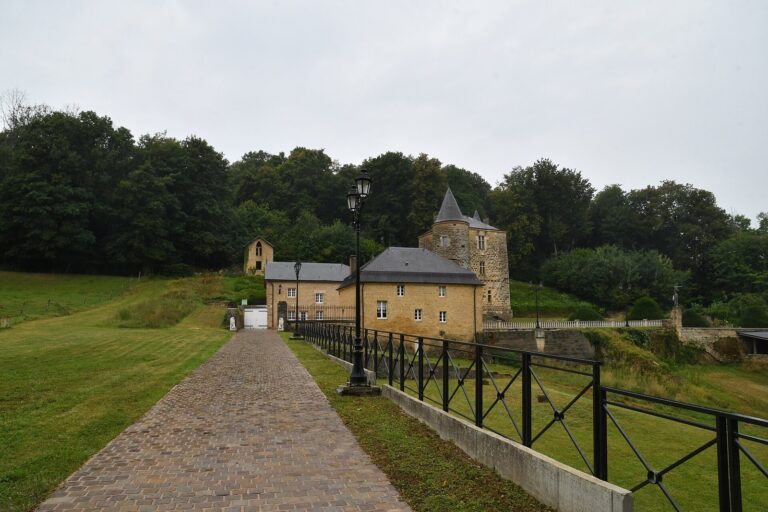
Villers Castle is a sixteenth-century fortified house in Villers Hameau, within Maisoncelle-et-Villers, France. The Tige family built it, and it later passed among the lords of Villers-devant-Raucourt, including the Tige, Villelongue, Argy, and Galopin families.
Seventeenth-century attacks
The house was attacked and plundered several times. In 1622, troops under German mercenary commander Ernst von Mansfeld attacked it. In 1641, forces from Sedan assaulted the building after the Battle of Marfée, fought near Sedan during a revolt against the French crown. The house was altered after both attacks.
Renovation and later use
A renovation, probably carried out in 1741, enlarged openings and improved comfort. The building was listed as a French historic monument in 2000. It remains in agricultural use and also serves as a private residence.
Remains
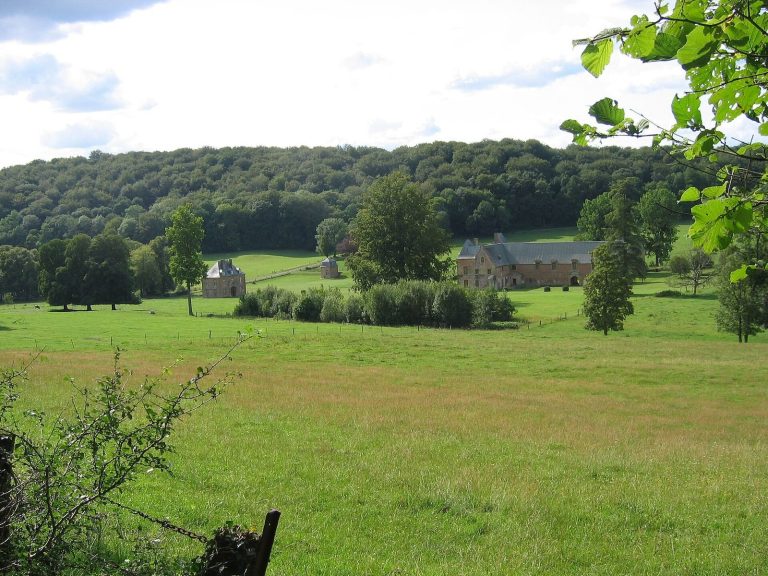
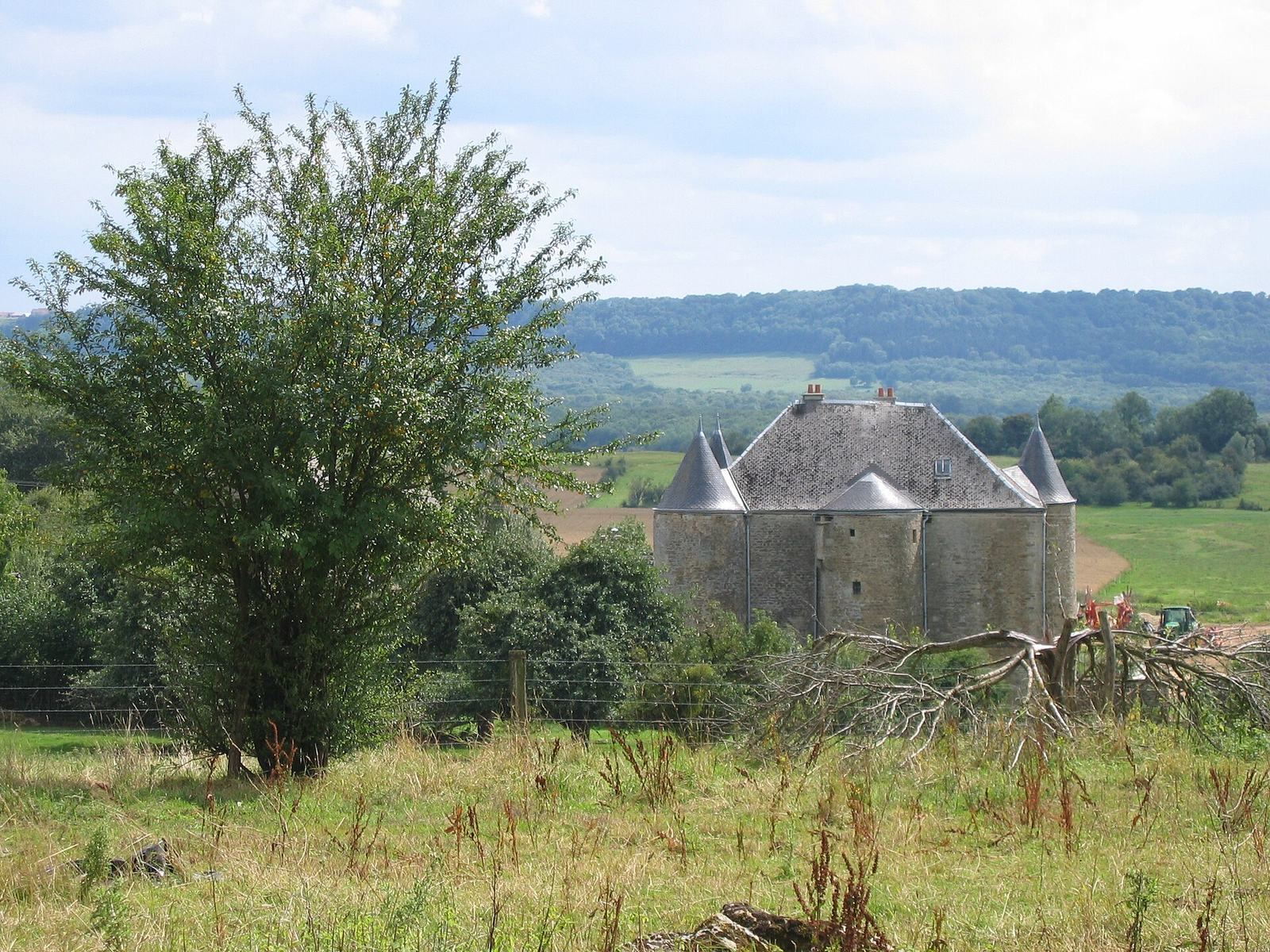
The château stands below Villers hamlet at 262 metres above sea level; the hamlet is at 280 metres. Its substantial rectangular residential block is accompanied by a low house and a farmyard outbuilding.
Residential block
Exterior and layout
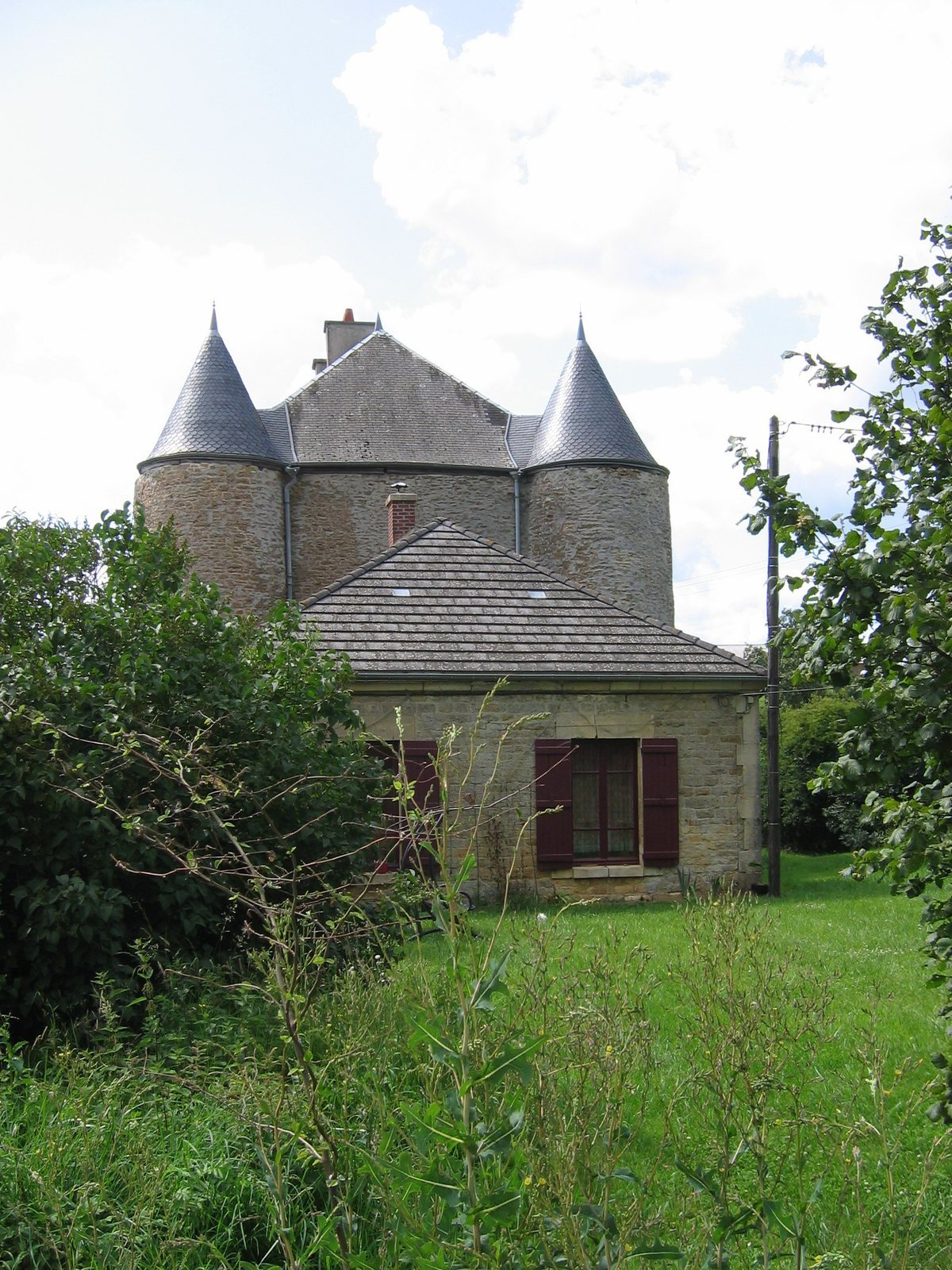
Three cylindrical turrets occupy the corners of the main block. The northwest corner may once have held a fourth turret, probably destroyed at an unknown date. A fifth turret stands at the center of the north façade and contains a spiral staircase. The main façade bears the date 1741, while the rear façade retains its sixteenth-century appearance.
Interior
The block stands above cellars with vaulted ceilings. On the ground floor, a corridor separates two large rooms and leads to the staircase in the turret. Each room has a fireplace in the Louis XIII style, associated with the reign of the French king Louis XIII. Upstairs, fireplaces reflect the style associated with King Louis XIV, and exposed joists follow a French design.
Farmyard additions
A low, single-storey house was added to the château in 1913, using the same stone. In the farmyard, an outbuilding has a pavilion roof dating to the seventeenth century.