Soult-Berg Château: A Nineteenth-Century Residence and Landscape Park in France
Site at a Glance
- Popularity
- Medium
- Country
- France
- Primary era
- Modern
- Eras represented
- Modern
- Civilizations
- French
- Site type
- Domestic
- Remains
- Elite Residence
On this page8 sections
History
Commission and construction
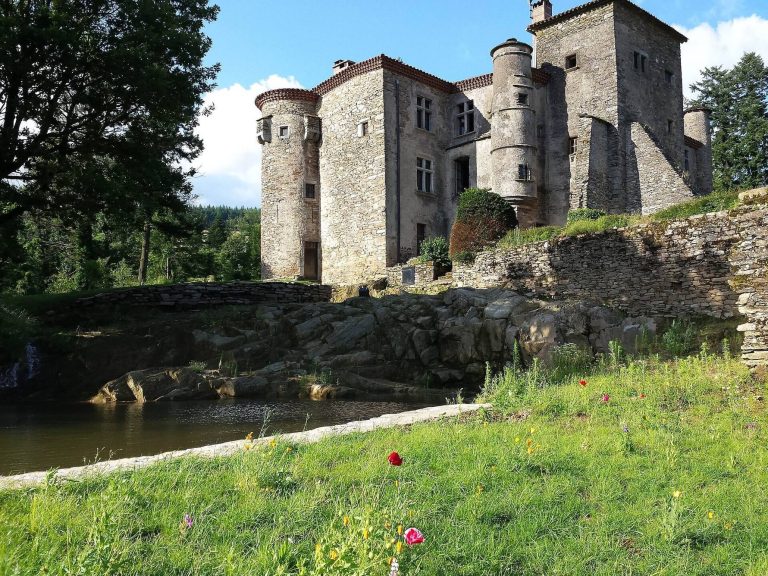
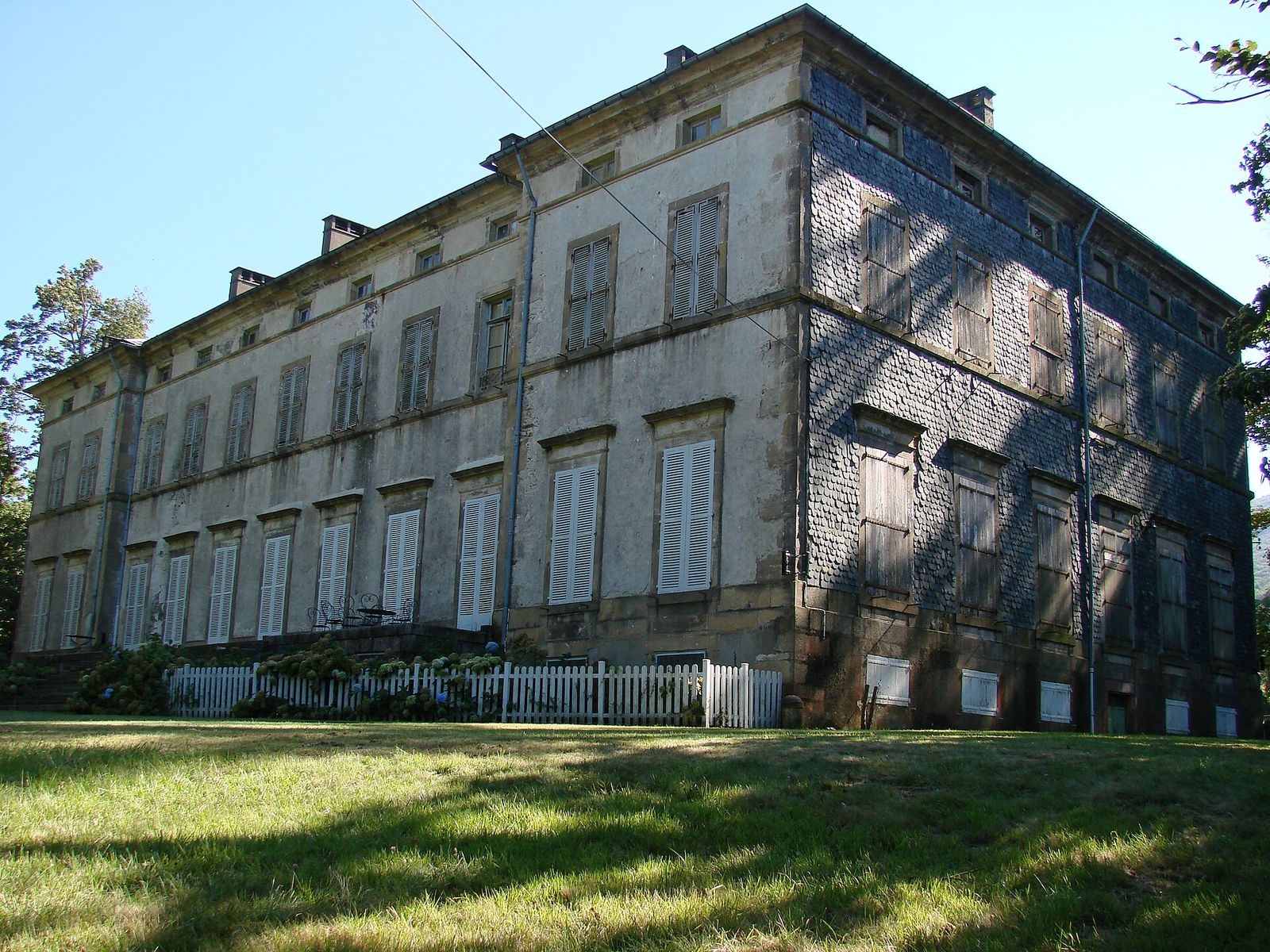
The Soult-Berg Château is a nineteenth-century residence in Saint-Amans-Soult, France, commissioned by French marshal and political leader Jean-de-Dieu Soult for himself and his wife, Louise Berg. A regiment of engineers built it from 1829 to 1835 while Soult was minister of war, and its design is attributed to Perchain. Soult had returned from exile in Germany before commissioning the house, which stands near Saint-Amans, his birthplace. Its name combines his surname with that of his German wife. The property later passed by inheritance to the Reille family.
The park and later history
At Soult’s request, the park was laid out between 1828 and 1845 to evoke battlefields of the First French Empire, the period of Napoleon I’s rule from 1804 to 1814 and briefly again in 1815. During the Second World War, members of the French Resistance occasionally met in the empty château.
The château received French historic-monument protection through listing in 1983 and classification in 1995. The park was listed in 1995.
Remains
The site comprises a rectangular château, whose outline is broken by two small projecting sections, and an English landscape park covering more than 40 hectares.
The château
Plan and rooms
The basement contains the kitchens and cellar. A columned vestibule organizes the ground floor, which includes a library, two drawing rooms, a dining room, Soult’s bedrooms and his study. The first floor contains a chapel, about ten bedrooms and a small theatre built in 1864. The theatre was inspired by the one at Fontainebleau associated with Napoleon III, emperor of France from 1852 to 1870.
Preserved furnishings
Period furnishings remain in the château, including wallpaper and ornamental plasterwork.
The park
The park contains about 200 tree species, many of them rare. Water fir, tulip tree and American red oak are among the examples, and some trees came from Paris’s Jardin des Plantes botanical garden.