Château de Saint-Amand-en-Puisaye: A French Renaissance Castle
Site at a Glance
- Popularity
- Medium
- Country
- France
- Primary era
- Early Modern
- Eras represented
- Early Modern
- Civilizations
- French
- Site type
- Domestic
- Remains
- Castle
On this page7 sections
History
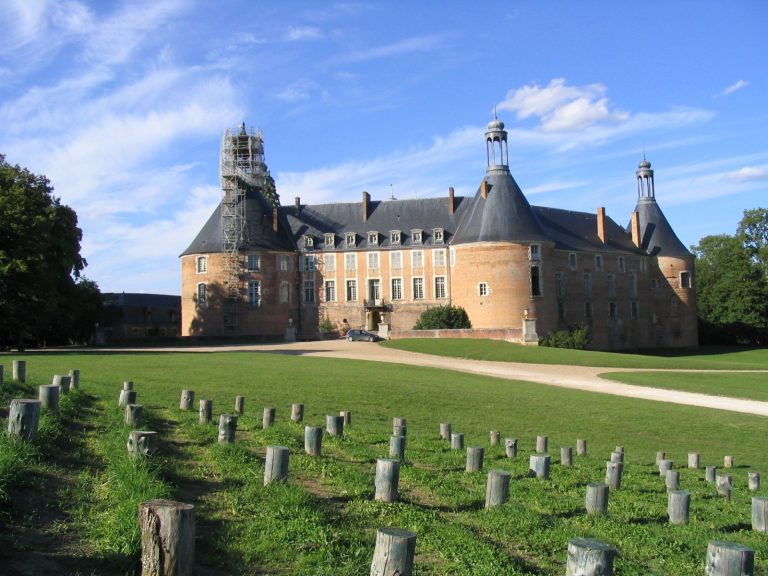
The Château de Saint-Amand-en-Puisaye, in France, is a castle in the French Renaissance style, rebuilt by Antoine de Rochechouart between 1530 and 1540. It became one of the leading Renaissance castles in Nivernais, the historic region around Nevers.
Medieval fortress
An earlier feudal fortress stood beside the Roman road between Autun and Paris. It first belonged to the family of Ithier I de Toucy. After Thiébaut II of Bar married Jeanne de Toucy in 1255, the fortress passed to the counts of Bar.
The fortress was probably destroyed in 1404, when John the Fearless, the new Duke of Burgundy, invaded the Auxerrois, the region around Auxerre. The Armagnac-Burgundian civil war of 1408–1412, a conflict between rival French factions, brought further devastation to the area.
Renaissance rebuilding and changing ownership
Antoine de Rochechouart rebuilt the castle on the former fortress site between 1530 and 1540. After the deaths of his wife, Catherine de Faudoas-Barbazan, and their son Charles, who died without an heir, the estate was jointly held from 1560 by the Chabot family, barons of Jarnac, and the Du Breuil family, lords of Théron. It later passed to the Bourdeille family, lords of Matha, and then to the Rouault family, lords of Thiembrune.
In 1659 Cardinal Mazarin, chief minister of France, acquired the Duchy of Nevers and the lordship of Saint-Amand, including the castle. He left the lordship to his nephew, Philippe Mancini. Around 1710, Léonard Guyot de Montchougny bought the estate. His descendants held it until 1896 and became marquises of Saint-Amand in 1760.
Modern uses and public ownership
The ceramicist Paul Jeanneney took possession in 1898 and turned the outbuildings into an enamelling workshop. After Jeanneney died in 1920, the mayor, Arsène Fié, proposed a municipal purchase, but the council rejected it by one vote. The architect Gabriel Griès acquired the castle in 1921. Niels de Barck, a ceramicist born in Sweden, bought it in 1926; his wife retained it until Jules Guiraud acquired it in 1935.
The town of Antony bought the castle in 1947 to establish a children’s holiday camp. Saint-Amand’s municipality acquired it in 1985. The castle was listed as a French historic monument in 1986 and classified in 1991. It now houses a ceramics museum, reflecting the importance of ceramic production in Saint-Amand and the surrounding area.
Remains
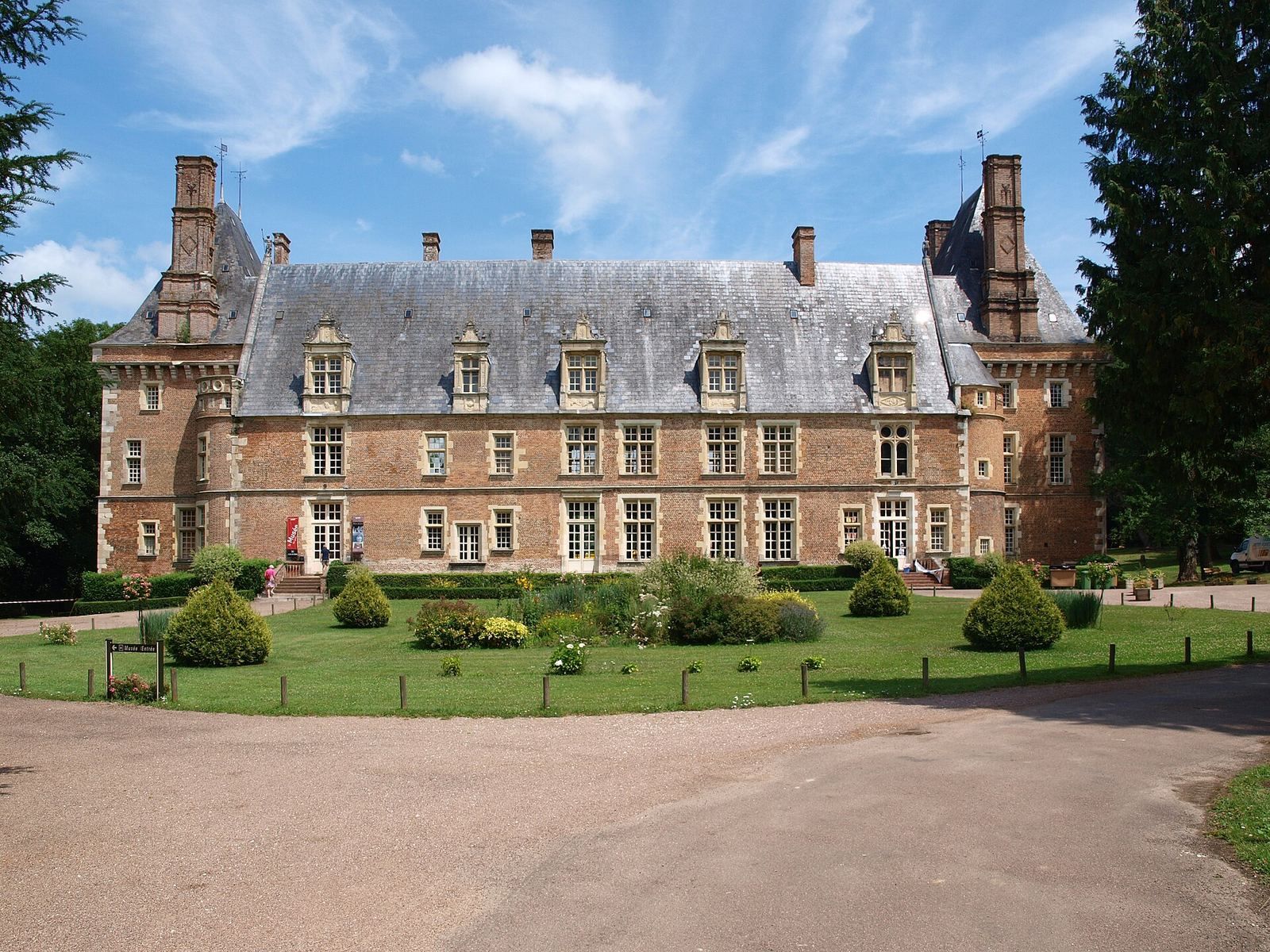
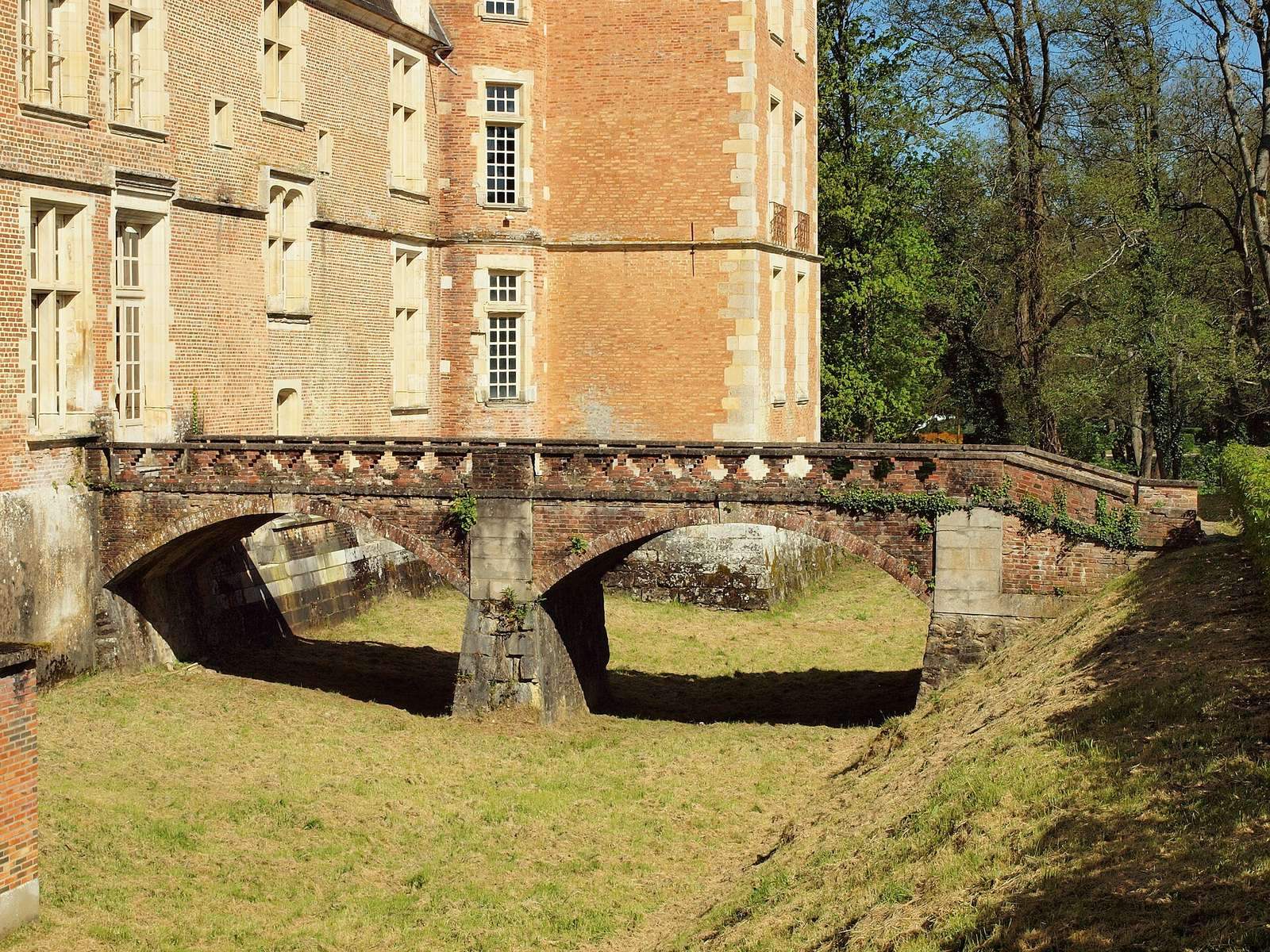
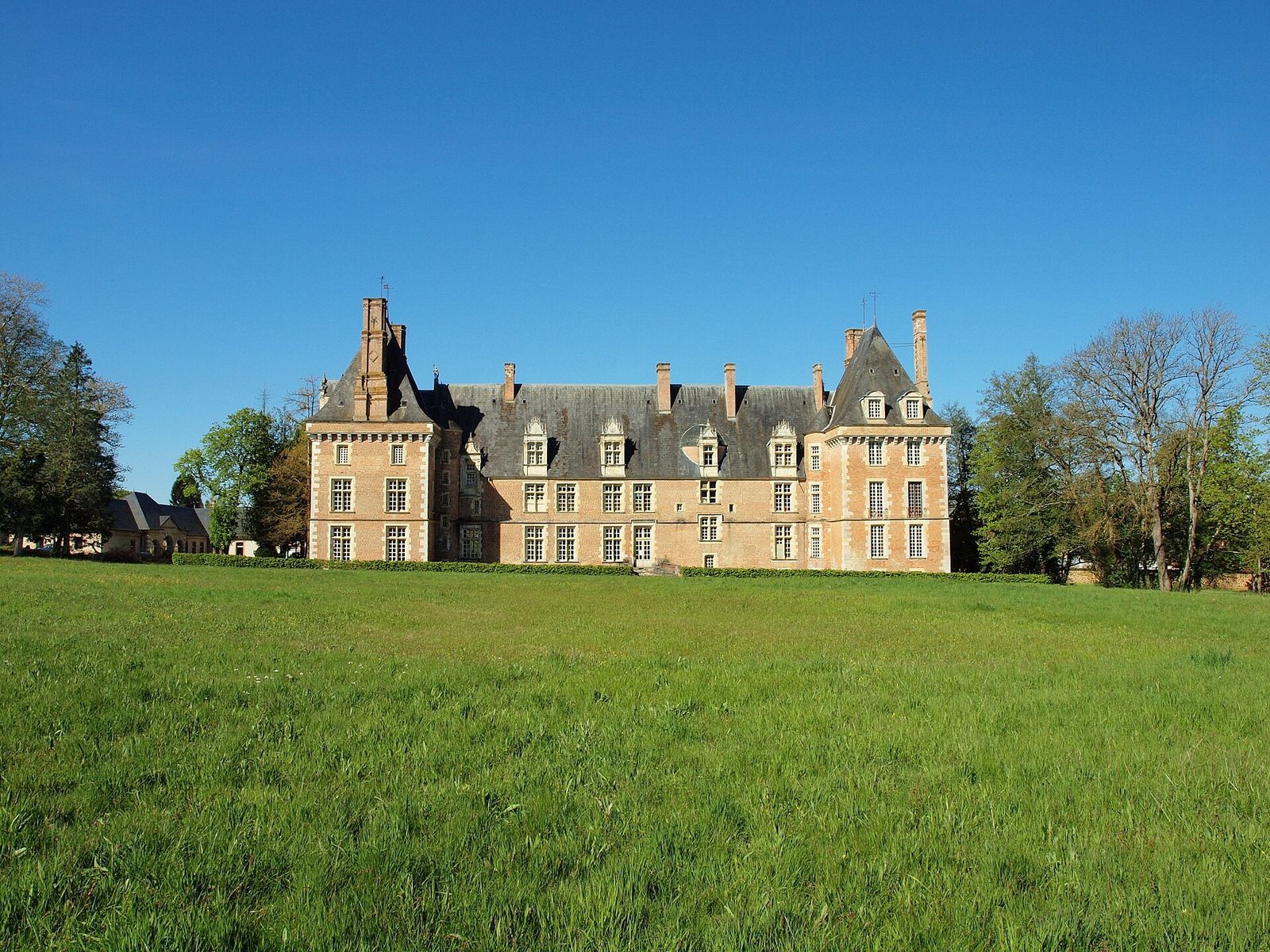
The castle is a French Renaissance building made of brick and stone and surrounded by dry moats. Its main residential block is flanked by two substantial pavilions.
Exterior features
The arrangement of the window openings is asymmetrical, and the ornate dormer windows are a notable feature. The pavilions have false machicolations, decorative imitations of projecting defensive galleries.
Interior and ceramic displays
The interior includes a grand staircase, a chapel, and a kitchen. The Musée du Grès displays local stoneware, including works by Jean-Joseph Carriès, a French sculptor and ceramic artist who had a workshop in the town.