Château de Ravignan: A Louis XIII Seigneurial Residence in France



Site at a Glance
- Rating
- 4.7
- Popularity
- Low
- Country
- France
- Primary era
- Early Modern
- External website
- Open
- Eras represented
- Early Modern, Modern
- Civilizations
- French
- Site type
- Domestic
- Remains
- Manor House
On this page5 sections
History
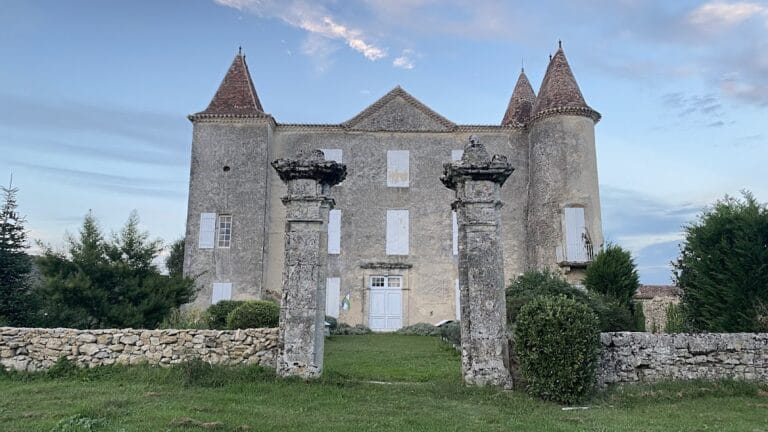
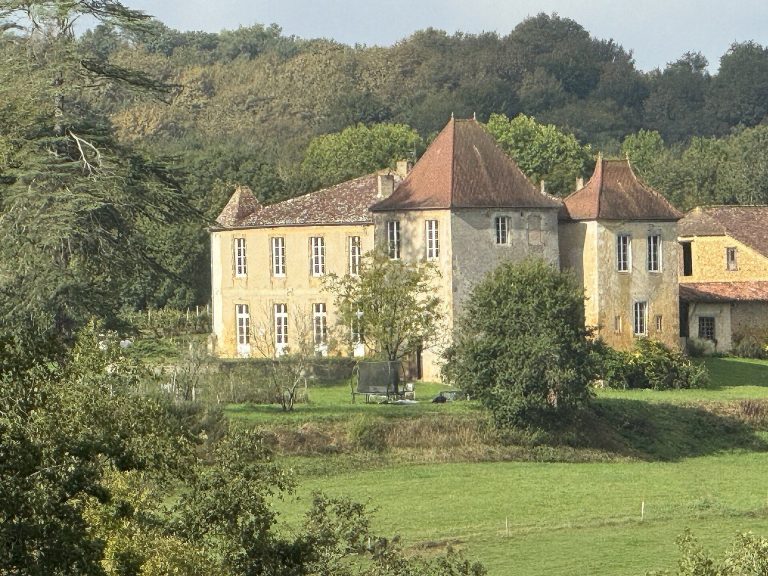
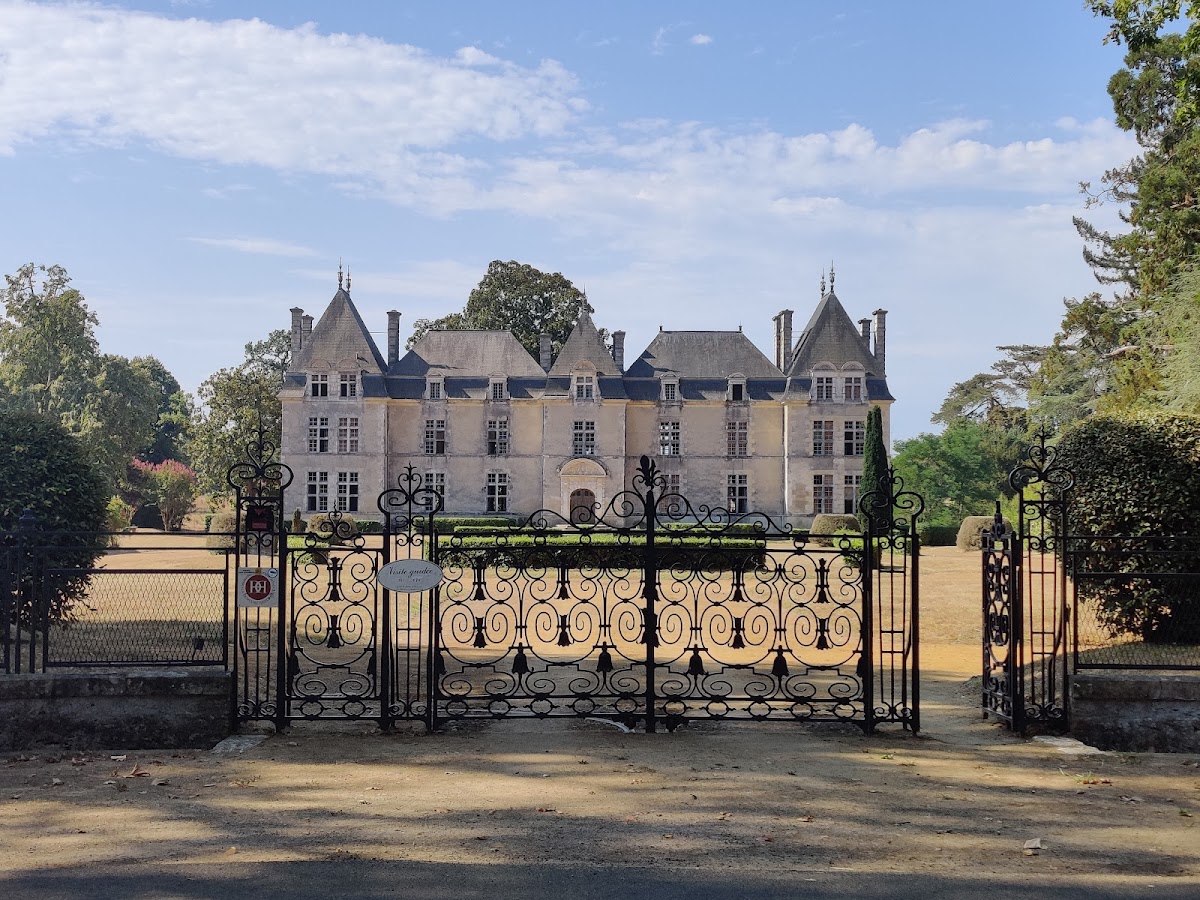
Château de Ravignan is a seigneurial residence in Perquie, France, whose present form dates mainly from the seventeenth century and follows the Louis XIII style, a French tradition combining late Renaissance forms with early Baroque features. Its facade dates to 1663. The estate developed from an earlier fortified castle traditionally associated with the Visigoths, a Germanic people who established kingdoms in parts of late Roman Gaul and Hispania.
From fortified castle to manor
The earlier residence was burned during the French Wars of Religion, the sixteenth-century conflicts between Catholics and Protestants in France. A new château was then built in several stages between the seventeenth and nineteenth centuries. The estate was initially a seigneurial residence of the de Mesmes d’Avaux family before passing to the de La Croix de Ravignan family. Members of the latter family have lived at the château since 1732.
Garden, vineyards, and protection
The property’s formal French garden was altered during the twentieth century. The name Ravignan is derived from two ravines on the estate. Château de Ravignan was listed as a historic monument by decree on 23 November 1948. Its vineyards lie entirely within the Bas-Armagnac area and produce Armagnac, a distilled grape spirit from Gascony, as well as Floc de Gascogne, a sweet fortified wine made with grape juice and Armagnac. Raspberries preserved in Armagnac are also produced on the estate.
Remains
Manor, garden, and estate grounds
The surviving property is organized around a seigneurial manor in the Louis XIII style. Its present facade, dating from 1663, forms the principal architectural expression of the château, which was constructed and altered across several stages from the seventeenth through the nineteenth centuries. The grounds include a formal French garden, whose arrangement was modified in the twentieth century, together with vineyards located in the Bas-Armagnac area. The estate’s name refers to the two ravines found within its grounds.