Montmorency Castle in Montigny-en-Ostrevent: Medieval Stronghold and Later Farm
Site at a Glance
- Popularity
- Medium
- Country
- France
- Primary era
- Medieval
- Eras represented
- Medieval, Early Modern
- Civilizations
- Unclassified
- Site type
- Domestic
- Remains
- Castle
On this page8 sections
History
Montmorency Castle stands at Montigny-en-Ostrevent, France, and probably originated before 1150 as the fortified seat of the Montigny family. Around 1130, Robert I, known as Montigny, established the stronghold. Its history later shifted from military use toward residence and agricultural use.
Origins and the Montigny family
The Montigny family held the castle until Robert VII de Montigny was killed at the Battle of Agincourt in 1415. Fought during the Hundred Years’ War, a prolonged conflict between the English and French crowns, the battle brought an end to the family’s ownership.
Montmorency ownership and religious transfer
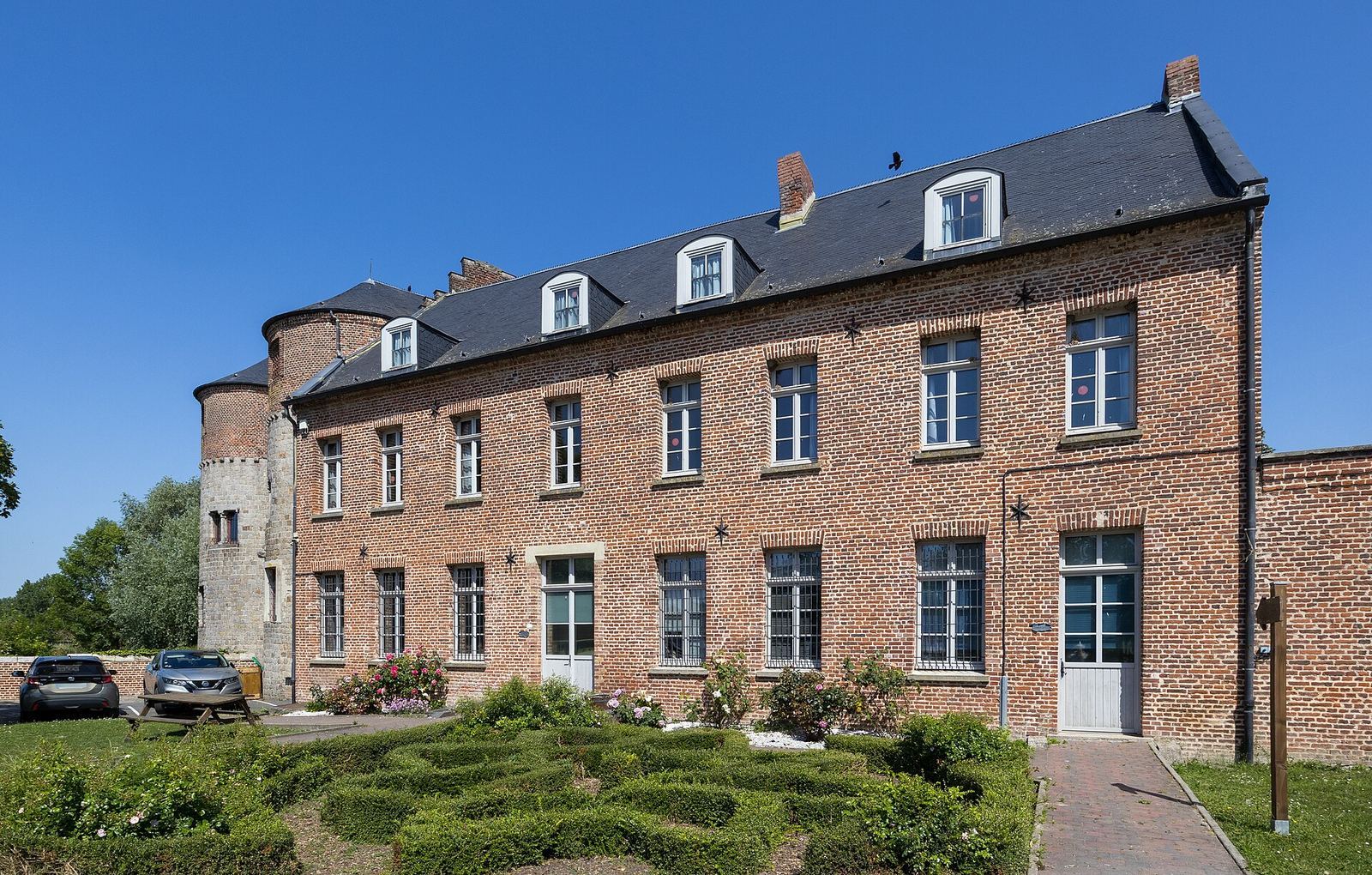
The property passed first to the Hornes family and then to the Montmorency family, who rebuilt it as a stately residence rather than a military stronghold. In 1570, Philip II, king of Spain, confiscated it from Floris de Montmorency. The castle was returned in 1598 to Floris’s sister, Eléonore. After a dispute over ownership, it was sold to Marguerite de Lalaing, who gave it to the canonesses of Berlaymont in 1626. Canonesses are women belonging to a religious community associated with a church.
Farm and later use
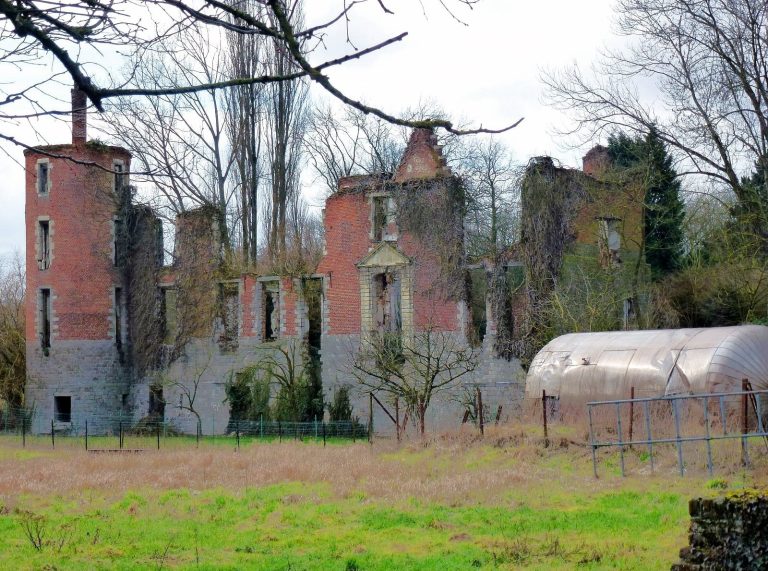
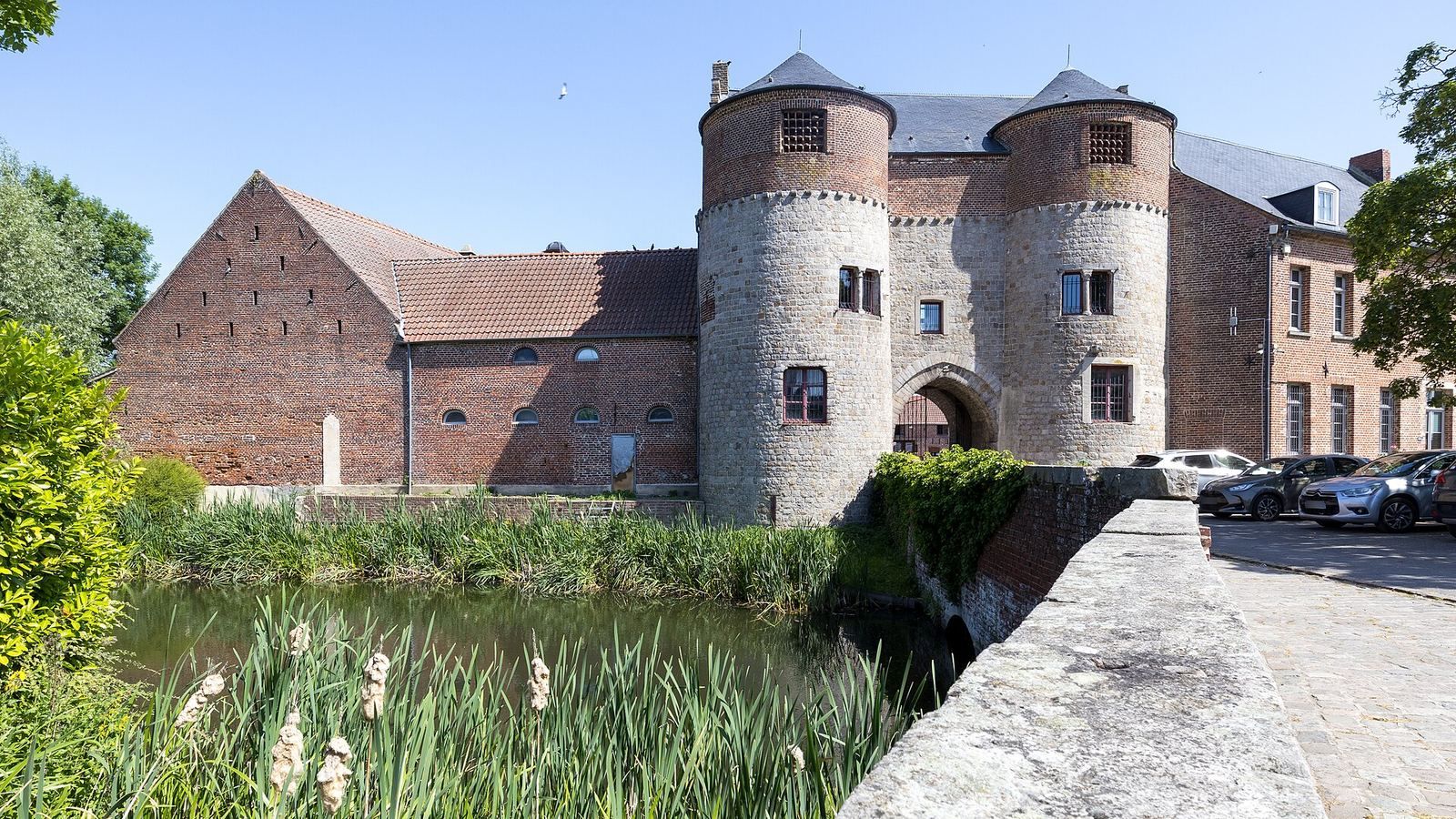
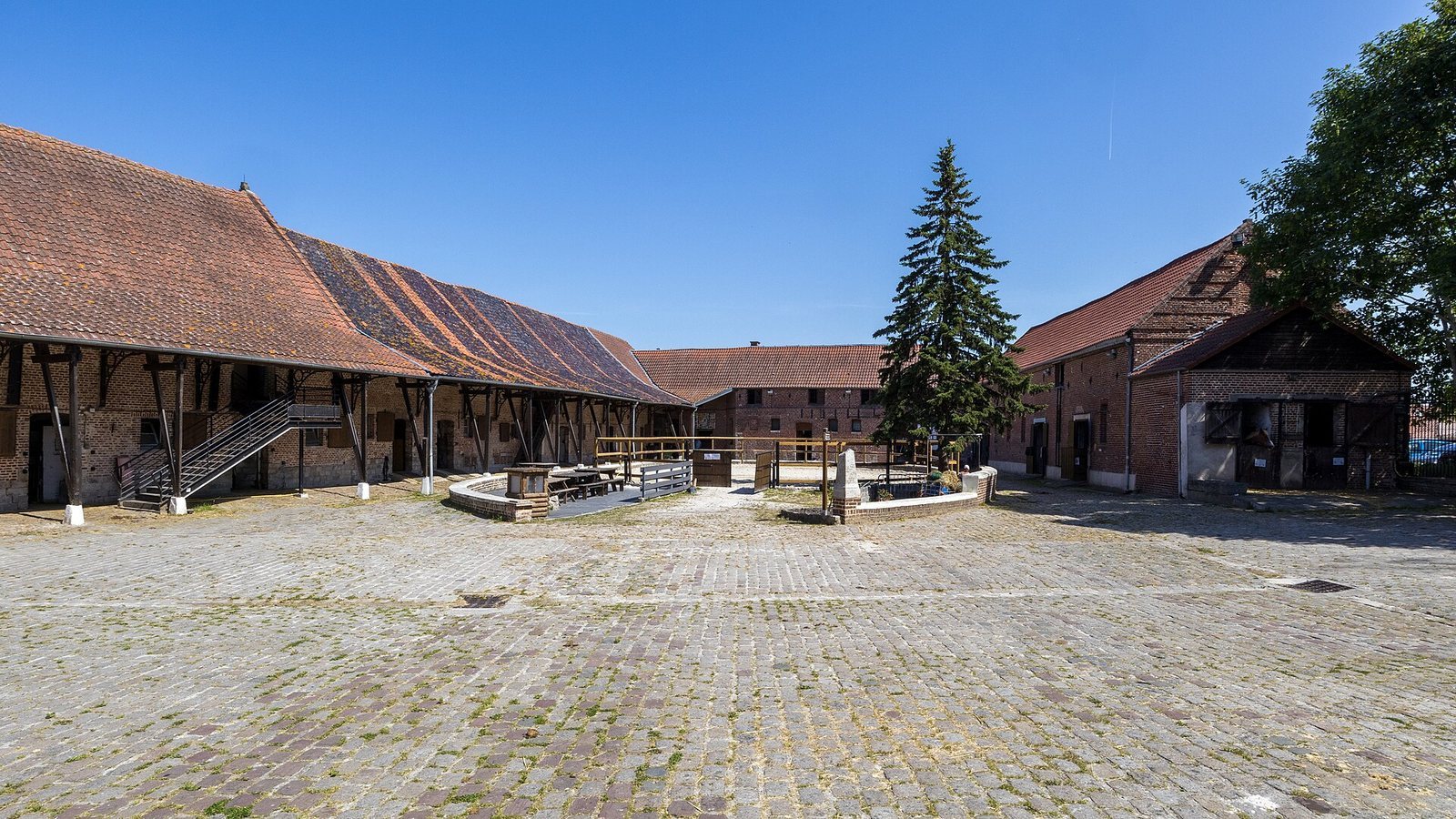
During the French Revolution, a period of political upheaval that began in 1789, the castle became state property. It was sold to the Dovillers family in 1793 and converted into a farm. In October 1928, the Historic Commission for the Nord department agreed to seek protection for the gatehouse. The entrance building and its flanking towers have been listed as French historic monuments since 20 March 1929.
Montigny’s ESAT moved into the castle in 1985. This French supported-work and vocational-training service for people with disabilities offers activities including catering and work with horses.
Remains
The castle’s defensive arrangement developed around a tower on a raised mound, with a later entrance set between two flanking towers. The former complex now comprises a farm, a restaurant, and an equestrian centre.
Fortifications and entrance
Motte and stone tower
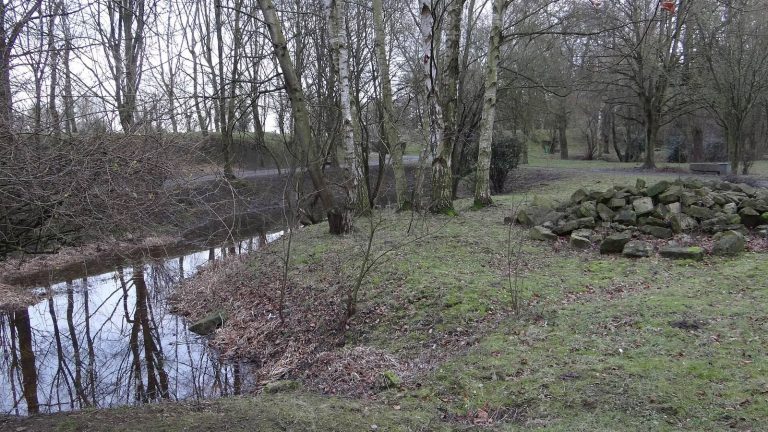
The early stone tower stood on a motte, a raised mound commonly used as the base for a medieval fortification. The mound was built on marshy, wooded ground, and the site’s defenses were strengthened over time.
Twin-tower entrance
In the 13th century, an entrance between two towers was constructed so defenders could direct fire across the approach from the flanking positions. In the 16th century, a brick upper storey was added to the gatehouse and used as a dovecote, a structure for housing pigeons.