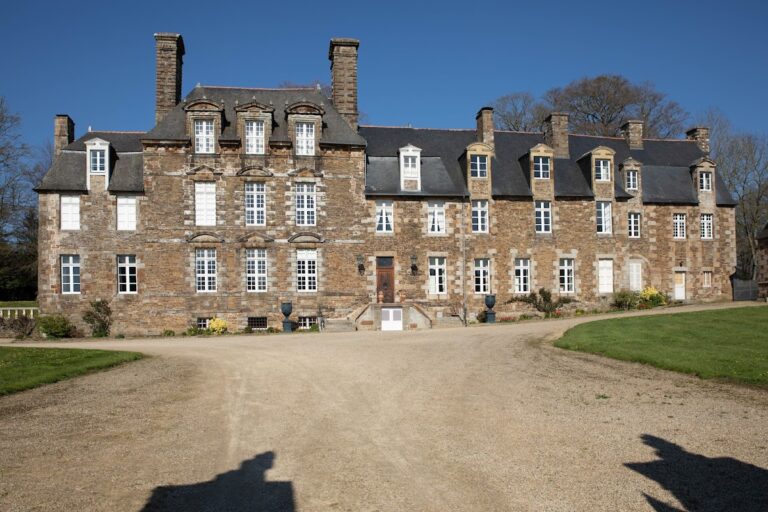
Château de Mausson: A Fortified Castle in France


Site at a Glance
- Rating
- 4.3
- Popularity
- Very Low
- Country
- France
- Primary era
- Medieval
- Eras represented
- Medieval, Early Modern
- Civilizations
- French
- Site type
- Military
- Remains
- Castle
On this page5 sections
History
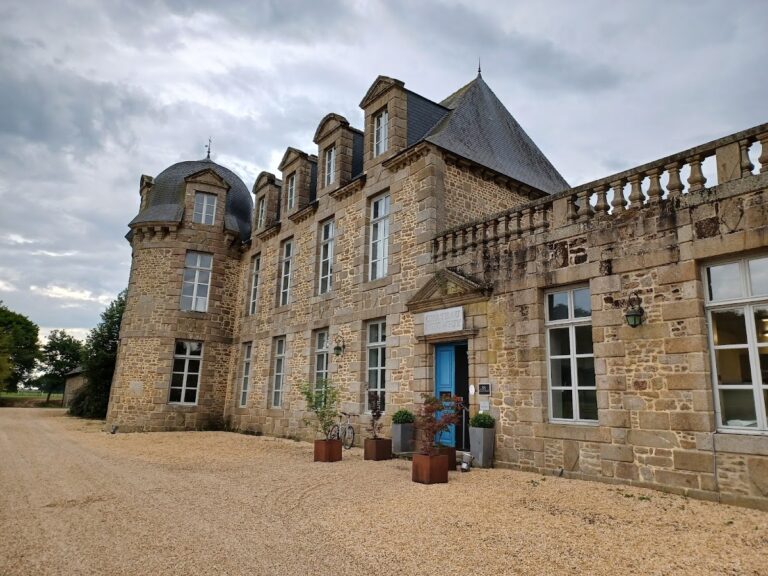
Château de Mausson is a fortified castle in France, south of Landivy in Mayenne, rebuilt during the fifteenth and sixteenth centuries on the ruins of an earlier castle destroyed in the Hundred Years’ War. This prolonged conflict between the English and French crowns, traditionally dated from 1337 to 1453, brought warfare that destroyed the earlier stronghold. The present château occupied a strategic position within the routes linking Mayenne and Brittany.
A defended crossing between Mayenne and Brittany
Château de Mausson formed part of a network centred on four fortified bridges or passages through the Futaie. Its particular role was to protect the Pont-Dom-Guérin passage, while routes through Mayenne converged and carried active movement between the two territories. The Baron of Mayenne sought to secure these crossings and benefit from the traffic. The Lord of Landivy served as his voyer, an official associated with the supervision and administration of roads and routes.
Pontmain, another fortified crossing, became the administrative centre of the Pontmain castellany, a lordship organised around a castle. Pont-Dom-Guérin was protected by Château de Mausson, while Pontmain and Pont-Aubray retained their own fortified sites and chapels. The seigneurial domain at Mausson passed successively through the families of Landivy, Scépeaux, Romilley, and Alba, remaining in their hands until the French Revolution.
Later status and name
Château de Mausson was designated a historic monument by an order dated 3 February 1912. In France, this designation protects a building or site under heritage legislation because of its historical or architectural importance. The château remains privately owned. The name “Mausson” has been interpreted, with uncertainty, as meaning “evil design” or “bad fate.”
Remains
Castle and park
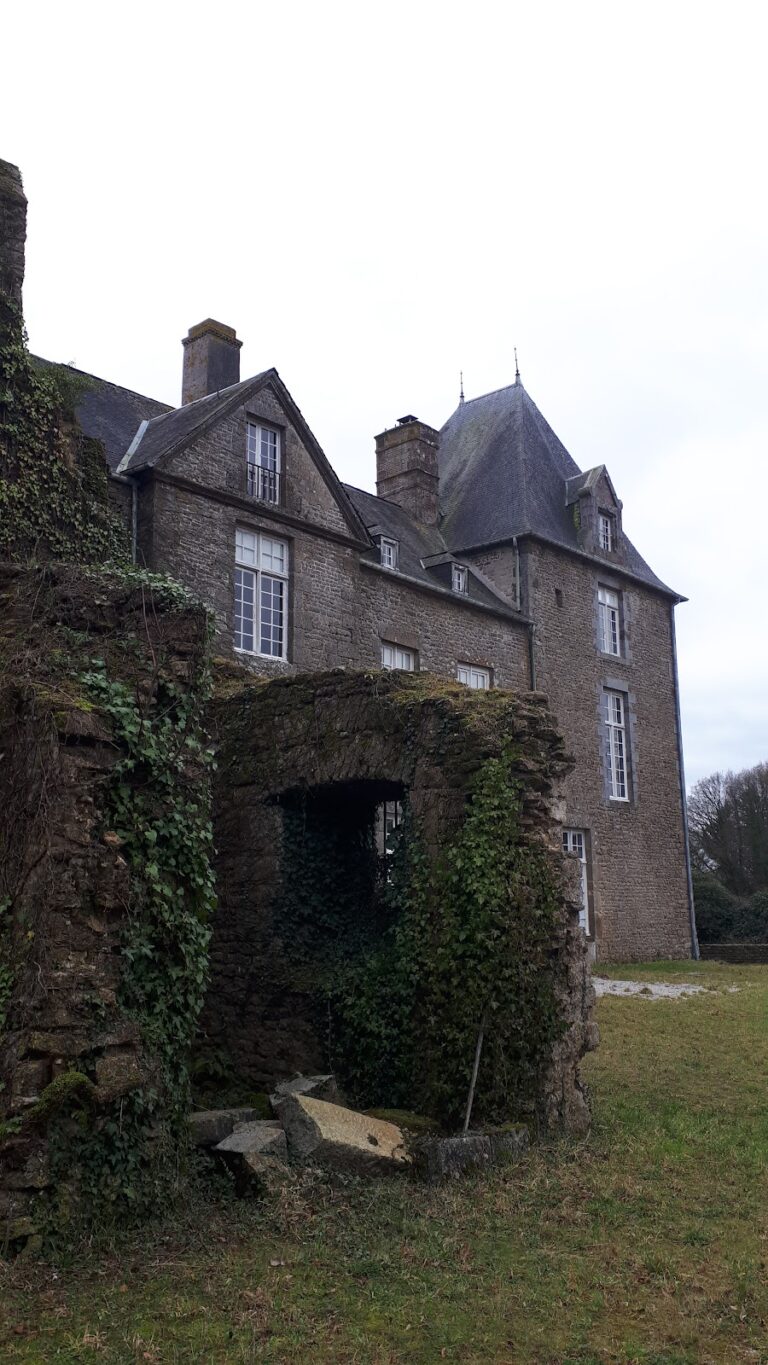
The château stands on a promontory overlooking the Airon and the Pont-Dom-Guérin passage. Its surviving complex includes a residential main block, while several other parts have fallen into ruin. Together, these remains preserve the principal residential element of the fortified site and evidence of its incomplete survival.
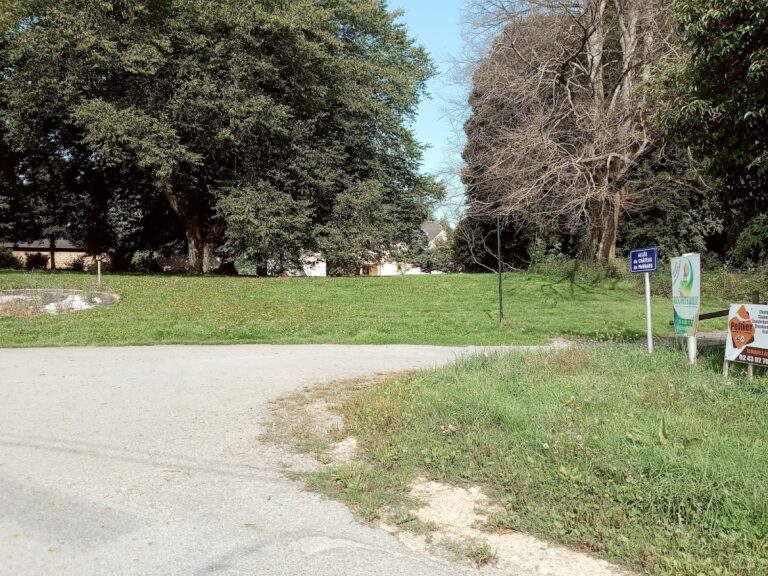
The château park dates from the eighteenth century and is recorded in the General Inventory of Cultural Heritage. Along its eastern side, a water body extends for approximately 300 metres in length and 50 metres in width towards the hamlets of Bay-de-Fer and Basse Maulardière. To the south, the château park merges with the park of the Oblates’ house at Pontmain, a religious residence associated with members of a Catholic congregation.