Château de Longes: A 17th-Century Country Residence in Sulignat
Site at a Glance
- Popularity
- Very Low
- Country
- France
- Primary era
- Early Modern
- Eras represented
- Medieval, Early Modern
- Civilizations
- French, Holy Roman Empire
- Site type
- Domestic
- Remains
- Elite Residence
On this page4 sections
History
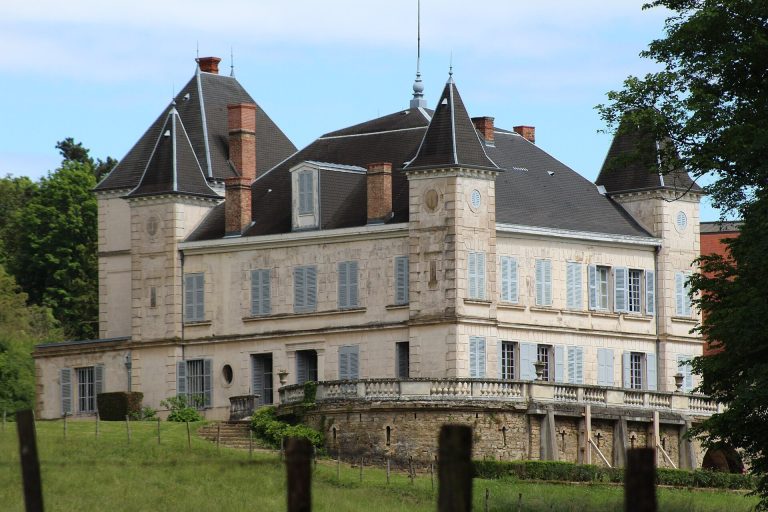
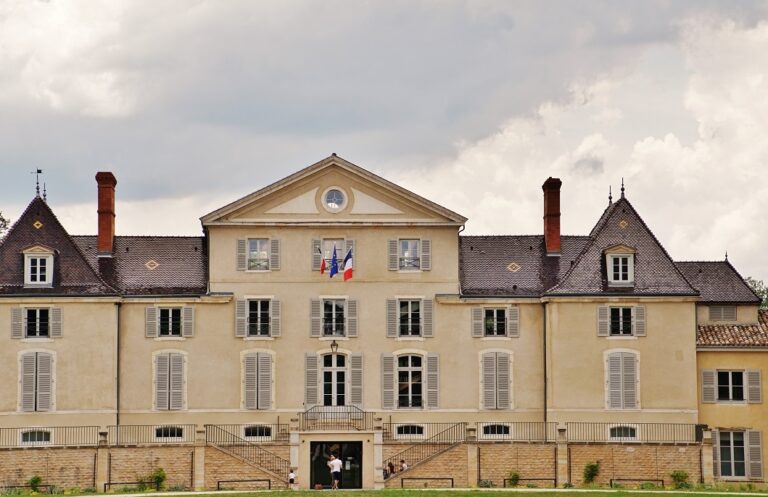
Château de Longes is a 17th-century country residence in Sulignat, France, built for pleasure rather than defense. Before the present château, an earlier house served as the center of the lordship of Longes, a territory and set of rights held by a lord.
Medieval and Early Modern Lords
In 1240, the knight Barthélemy de Saint-Cyr held the house. His son Guy, a nobleman who had not been knighted, formally acknowledged the authority of the Count of Savoy in 1288. Longes later passed from the Saint-Cyr family to the lords of Marmont. In 1323, Étienne Sauvage de Marmont left it to his son Odet.
In a will dated 14 January 1436, Hugonin de Marmont transferred Longes to his eldest son, Jean. It entered the Andrevet family through Jean’s descendant Louise de Marmont, who married Philibert Andrevet II. The estate remained with the Andrevet family until the knight Claude Andrevet passed it to his widow, Jeanne Aleman. Jeanne later married Alexandre-René de Rossi, a gentleman at the Duke of Savoy’s court. On 22 March 1590, she sold Longes to Hélène d’Aguerre, wife of François de Chabeu, lord of Feillens and Saint-Nizier-le-Désert. François had two daughters.
Longes passed to Lucrèce Chabeu, who was widowed by 1602 from Edme de la Forest, lord of Grammont, and by 1649 from Philippe Dinet, a squire and lord of Saint-Romain. Her granddaughter, Marie-Madeleine Dinet, inherited the estate and brought it through marriage to Jean-Claude Charbonnier, a royal councillor. He received Longes as a fief in 1670, meaning he held it under feudal obligations. The château was partly reconstructed in 1674.
Later Ownership and Protection
Jacques Toublanc acquired Longes from Mr. Charbonnier de Crangeat on 9 April 1739, and the estate then passed within the Toublanc family. On 20 October 1765, Jacques’s widow, Jeanne Grand, sold it for 422,000 livres to Antoinette Turban, widow of Joseph-Ignace-Bernard Garron de la Bévière, a former captain in the Condé Regiment, a French military unit. Longes subsequently passed to the Garron de la Bévière family. Regular services took place in the château’s chapel during the 18th century, and it was restored in the 19th century.
An order dated 19 March 1991 listed part of the château as a French historic monument, covering its façades, roofs, and chapel.
Remains
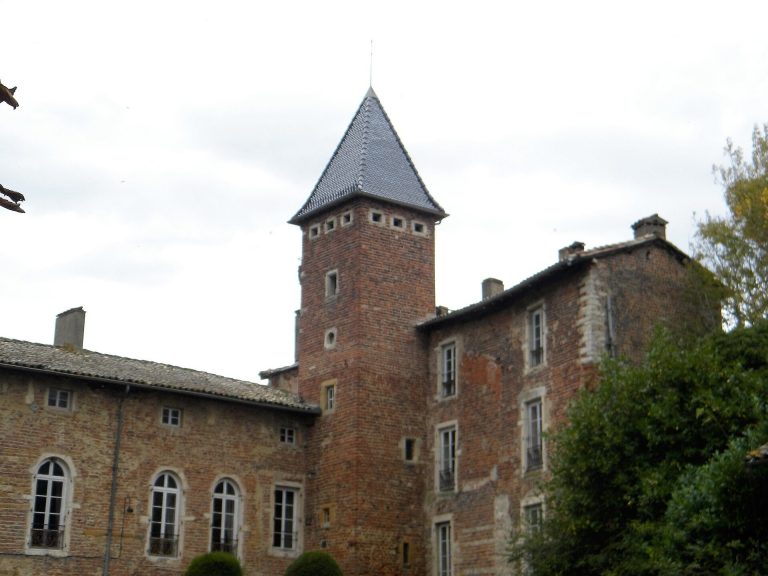
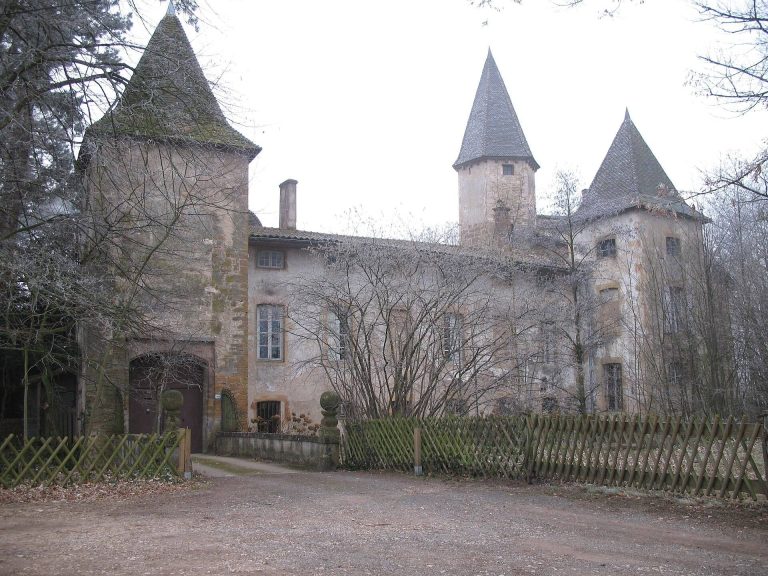
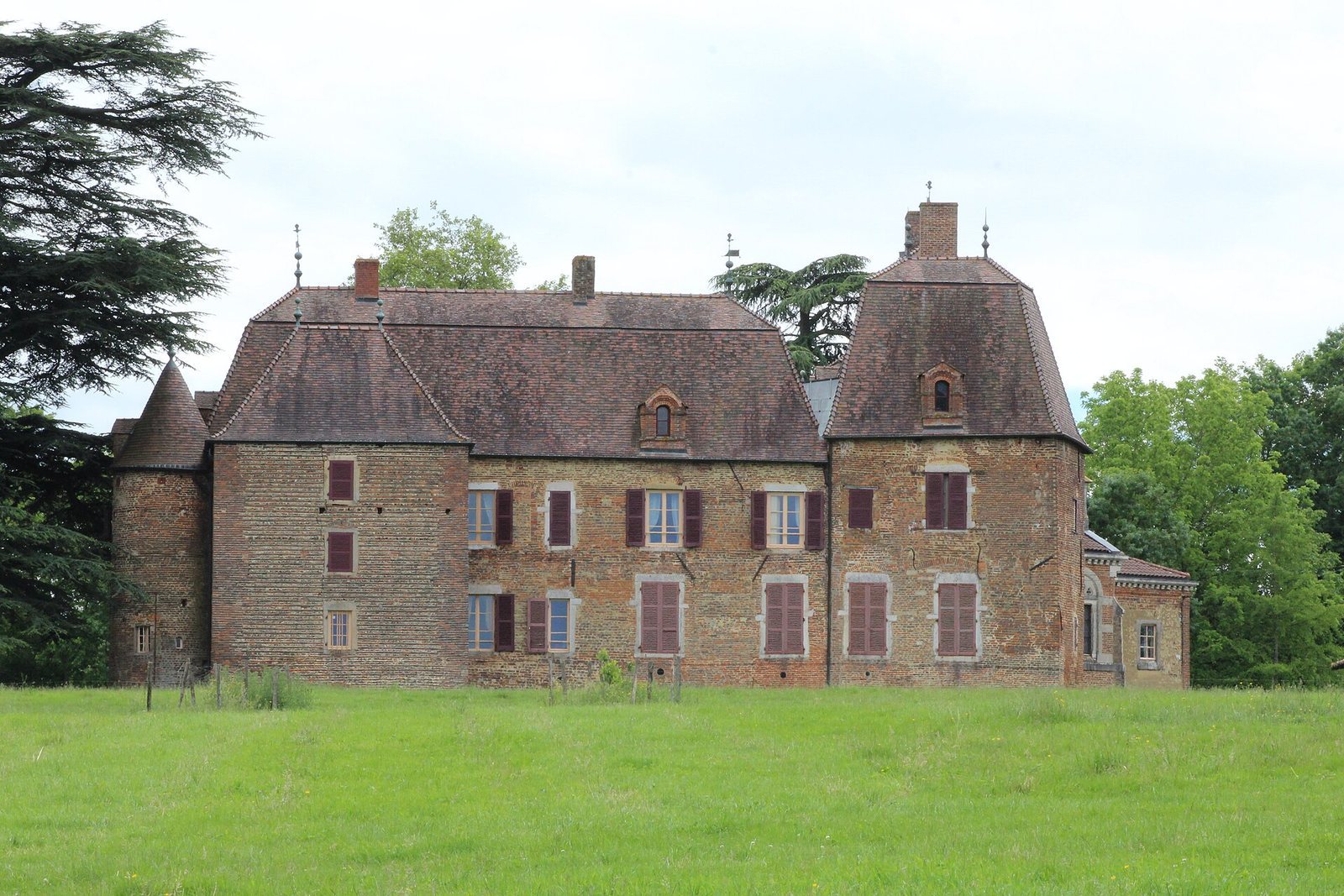
The present château is a country residence intended for pleasure rather than defense. Its architectural features include façades, roofs, and a chapel. A fortified residence from the 13th century preceded the current building.