Château de la Serre: A Renaissance Castle in France
Site at a Glance
- Rating
- 4.9
- Popularity
- Very Low
- Country
- France
- Primary era
- Early Modern
- External website
- Open
- Eras represented
- Early Modern, Modern
- Civilizations
- French
- Site type
- Military
- Remains
- Castle
On this page6 sections
History
Château de la Serre is a Renaissance castle in Cambounet-sur-le-Sor, France, whose construction began around 1550. The earliest surviving written records date from 1569, placing the building within the period when Renaissance architecture was reshaping French aristocratic residences.
Sixteenth- and Seventeenth-Century History
During the Wars of Religion, the sixteenth-century religious and civil conflicts between Catholics and Protestants in France, Château de Brassac was captured by Armand de Gontaut-Biron, a French military commander and nobleman. The château was pillaged, and its archives were destroyed. Because Château de Brassac and La Serre belonged to the same owner, the destruction also caused La Serre’s records to disappear.
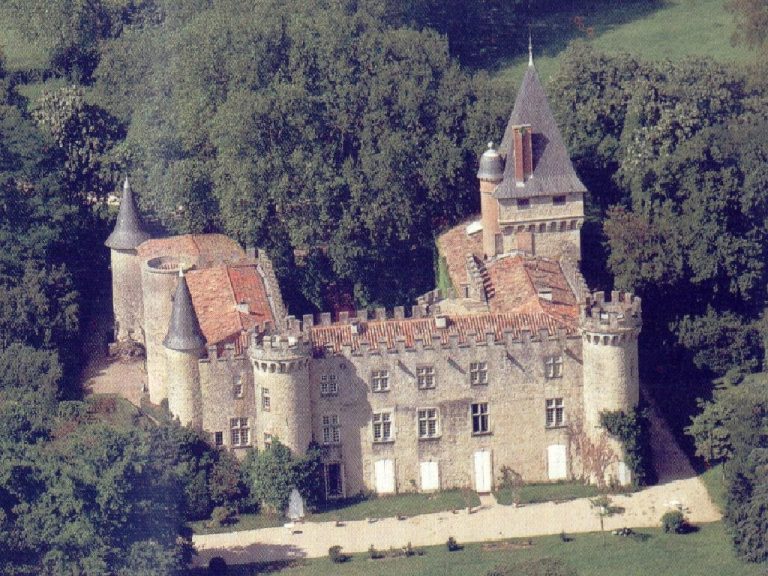
A document from 1675 describes the château as having five towers, a bailey, or enclosed castle courtyard, and a dovecote for keeping pigeons. The property later passed through several owners in successive sales.
Restoration and Protection
Alexandre Garros restored Château de la Serre between 1895 and 1911. A disciple of Eugène Viollet-le-Duc, the nineteenth-century architect known for influential restorations of medieval buildings, Garros installed a metal roof framework in a style associated with Gustave Eiffel and his iron structural construction.
Château de la Serre has been listed as a French historic monument since 9 July 2003. The property is currently owned by a private company.
Remains
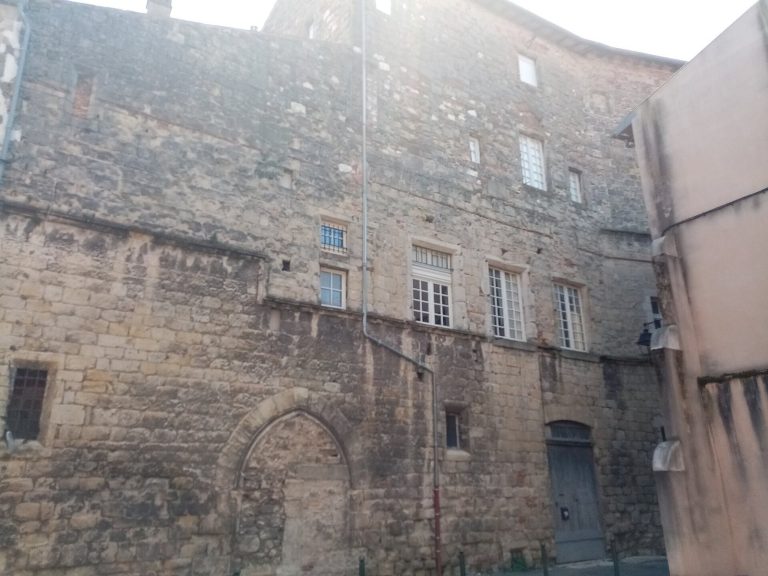
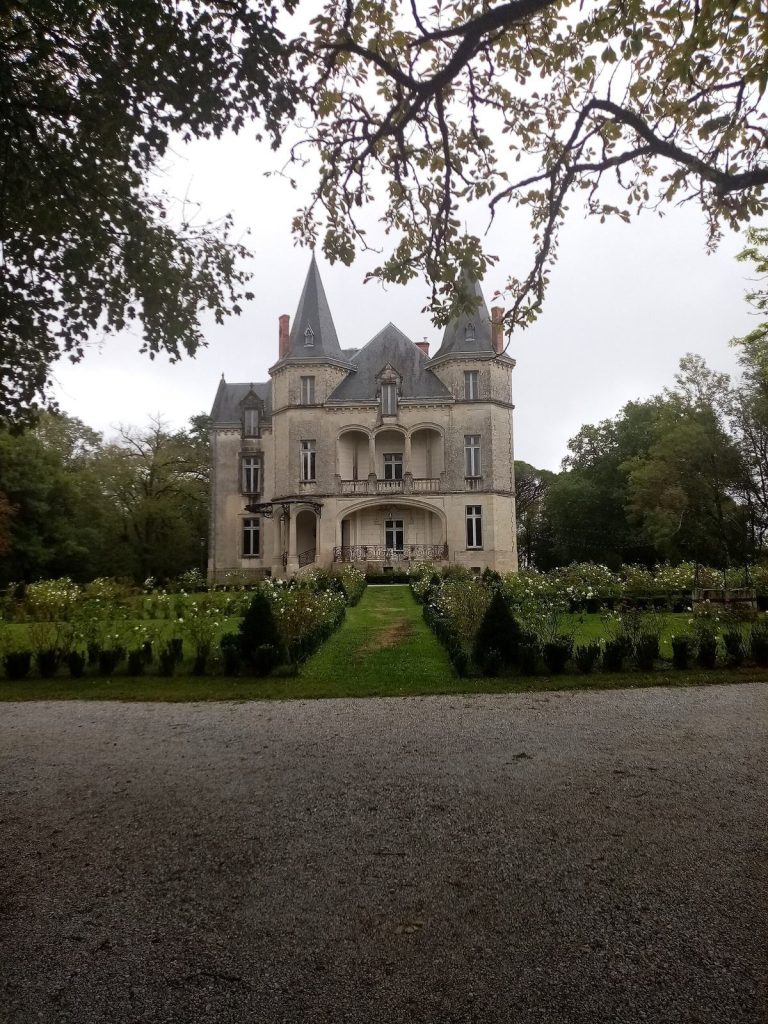
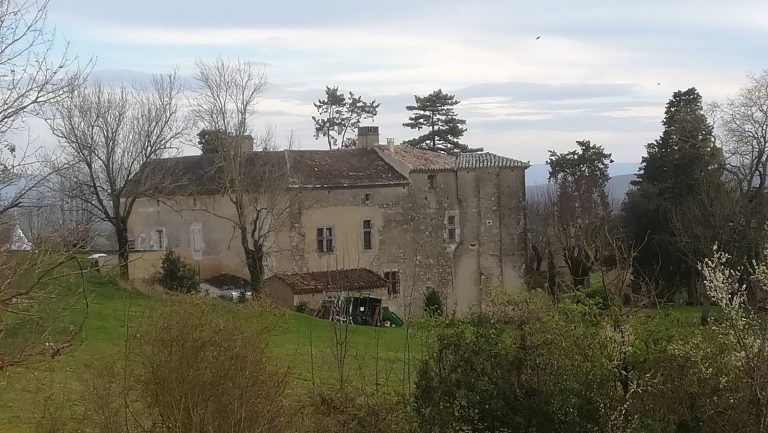
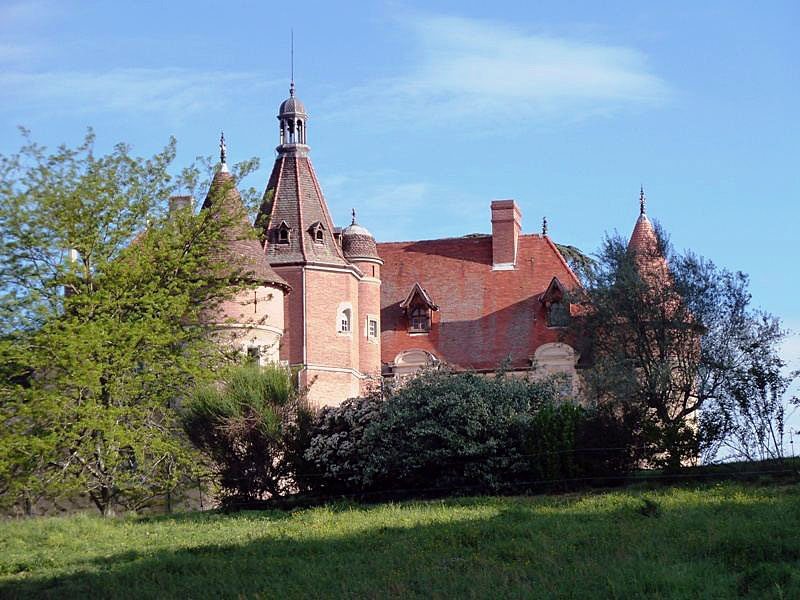
The surviving château is arranged as two wings set at right angles, creating a compact Renaissance composition. Stone forms the principal building material, while finely cut ashlar masonry strengthens the corners and frames the openings. The roofs combine tile and slate, reflecting the building’s later architectural history as well as its Renaissance character.
Renaissance Wings
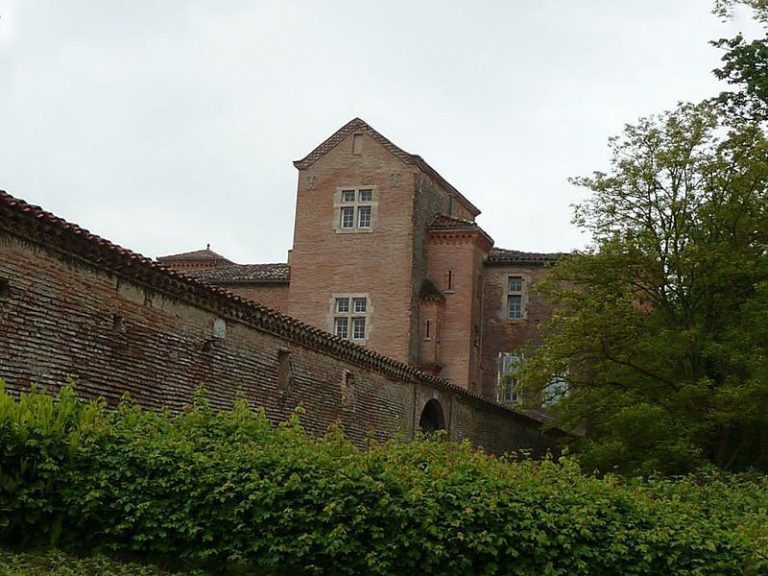
Renaissance detailing appears in the mullioned windows, which are divided by vertical stone members, and in the doorway to the stairway. That entrance is framed by pilasters, shallow attached supports, and crowned by a massive lintel, the horizontal stone spanning the opening.
Towers and Roof Structure
Two round medieval towers frame the façades. A polygonal brick tower occupies the inner angle where the two wings meet, adding a contrasting form to the stone construction. The roof structure was renewed during Alexandre Garros’s restoration, when a metal framework in the style associated with Gustave Eiffel was introduced.