La Sauldraye Castle: A 16th-Century Residence in Plumelec, France
Site at a Glance
- Popularity
- Medium
- Country
- France
- Primary era
- Modern
- Eras represented
- Early Modern, Modern
- Civilizations
- French
- Site type
- Domestic
- Remains
- Castle
On this page5 sections
History
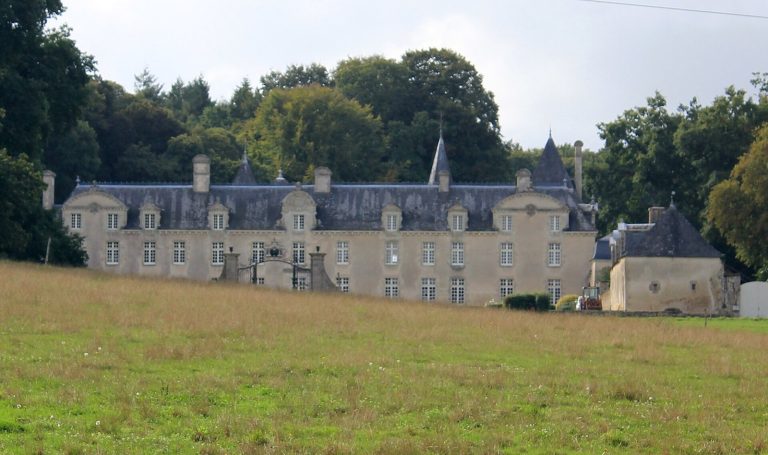
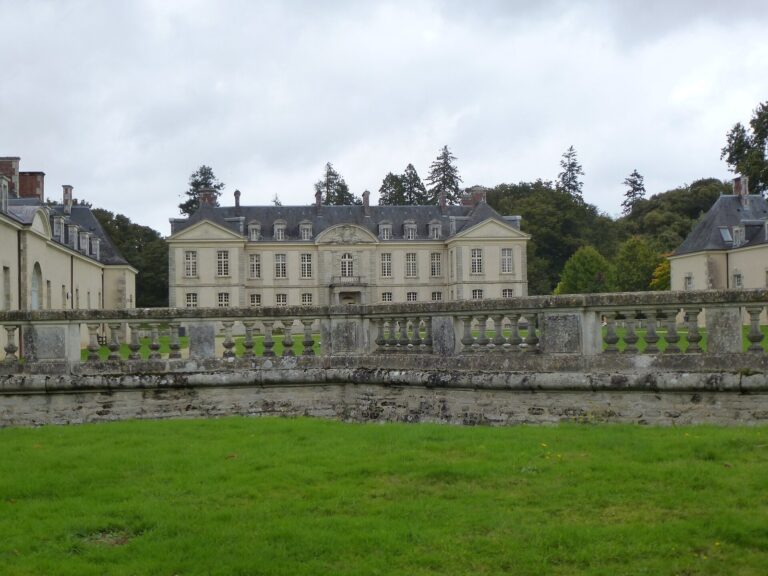
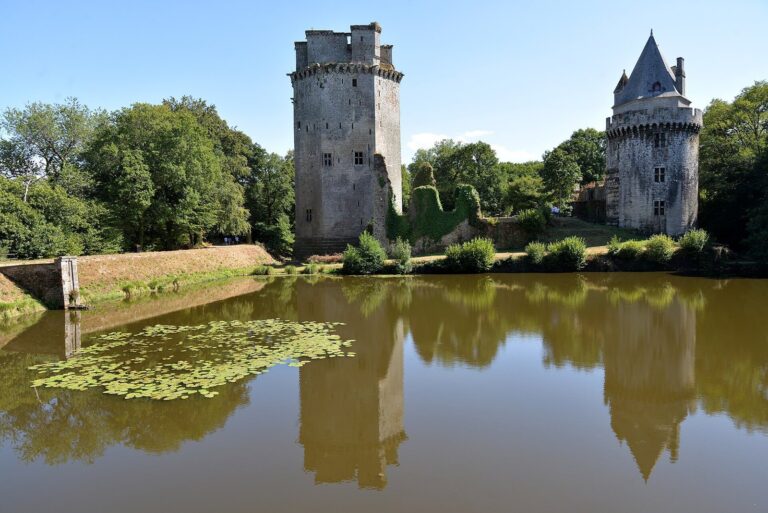
La Sauldraye Castle is a 16th-century residence in the hamlet of La Saudraie, Plumelec, Morbihan, France. Jehan de Callac commissioned it on land inherited from the La Sauldraye family.
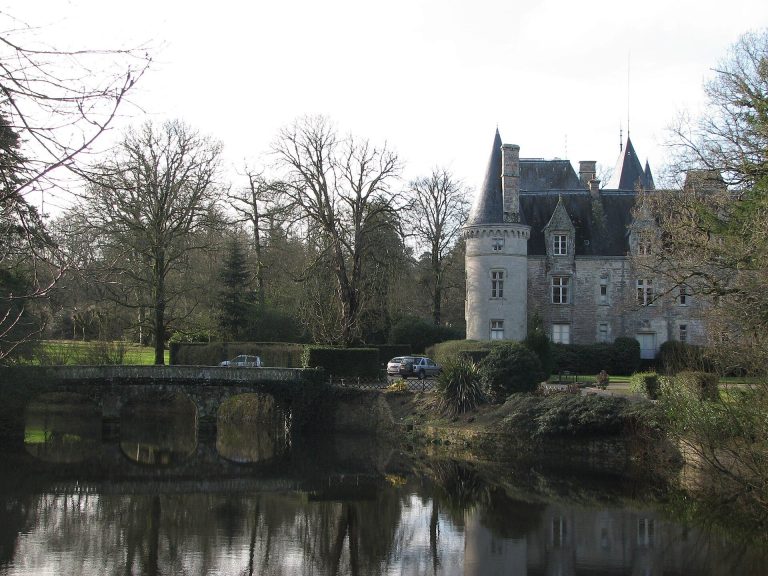
The property passed to the La Poterie family in the mid-17th century and to the Le Blanc family in 1870. During the 19th century, the château was rebuilt on its earlier foundations. A square tower and a pavilion were added in the late 19th or early 20th century. A decree dated 25 September 1928 listed the château as a historic monument.
Remains
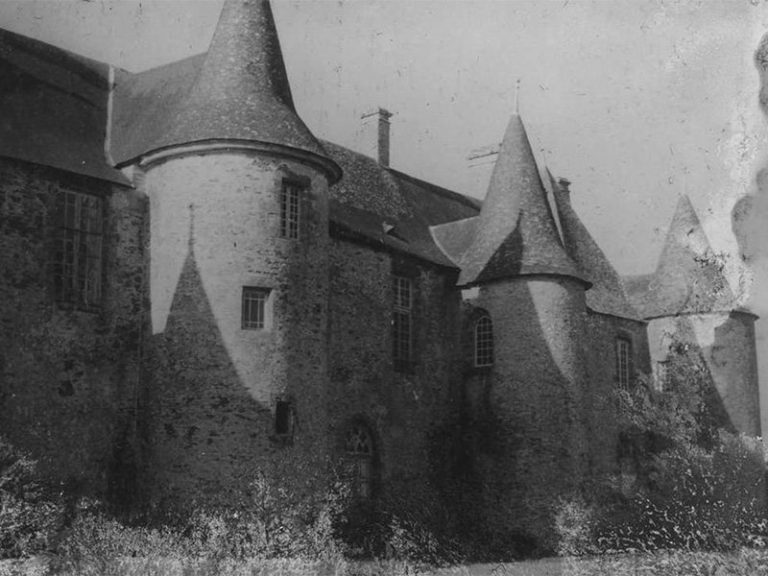
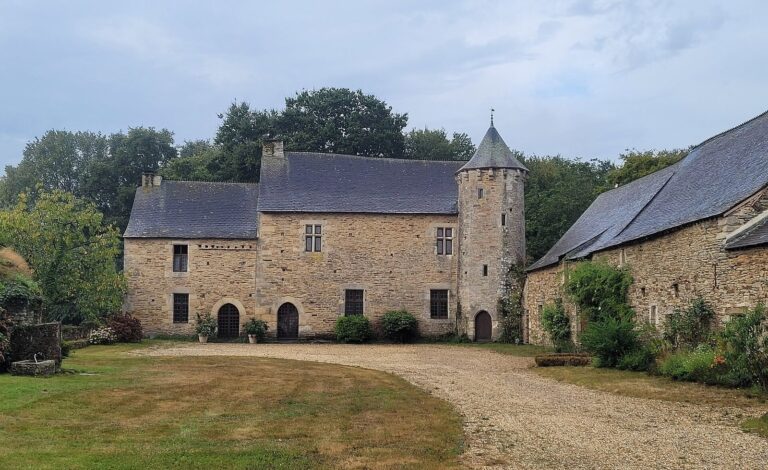
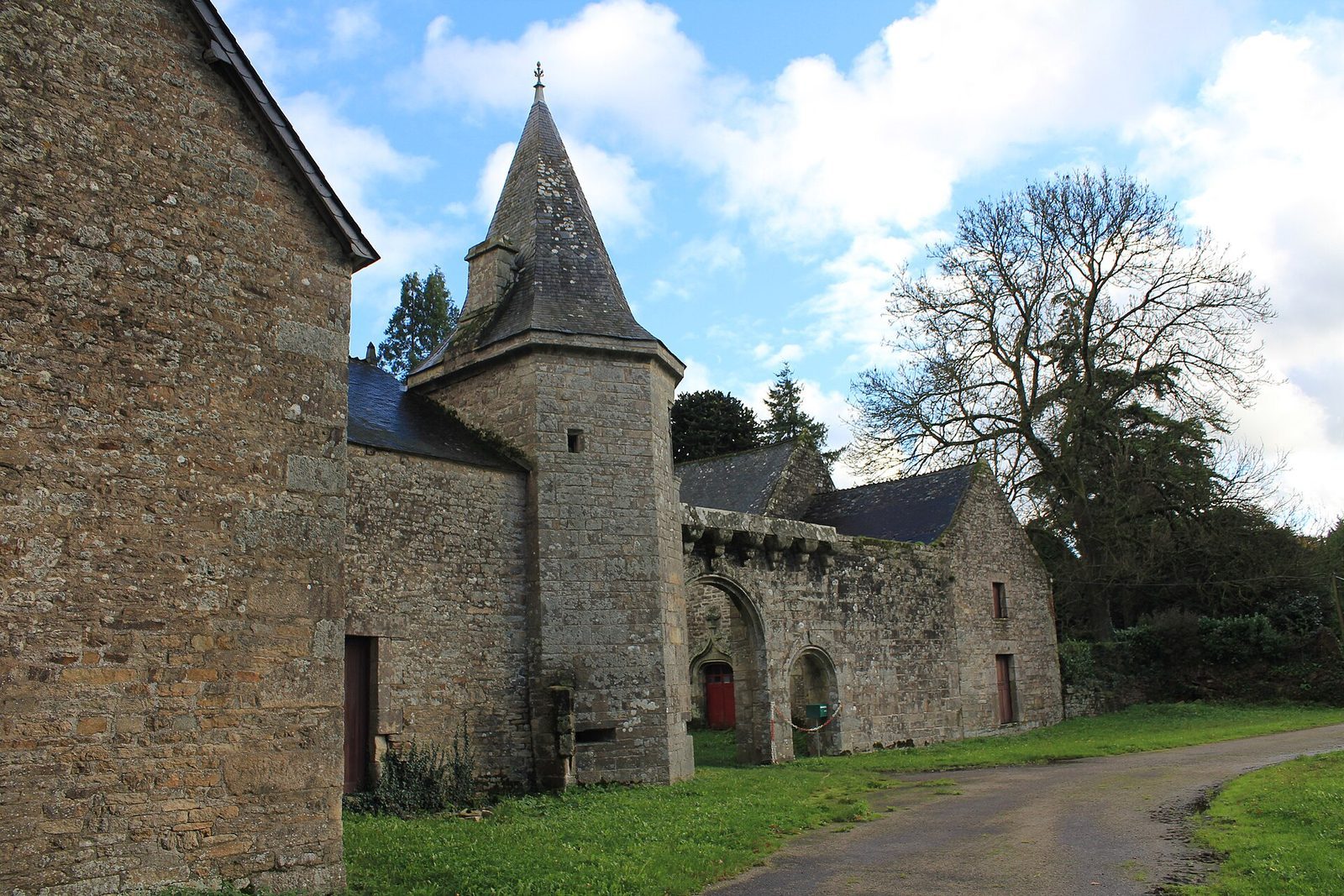
The château comprises two connected building blocks, including a main residential building with an attached turret. Arched entrances and decorated stonework are among its distinctive features.
Architectural features
Arched entrances
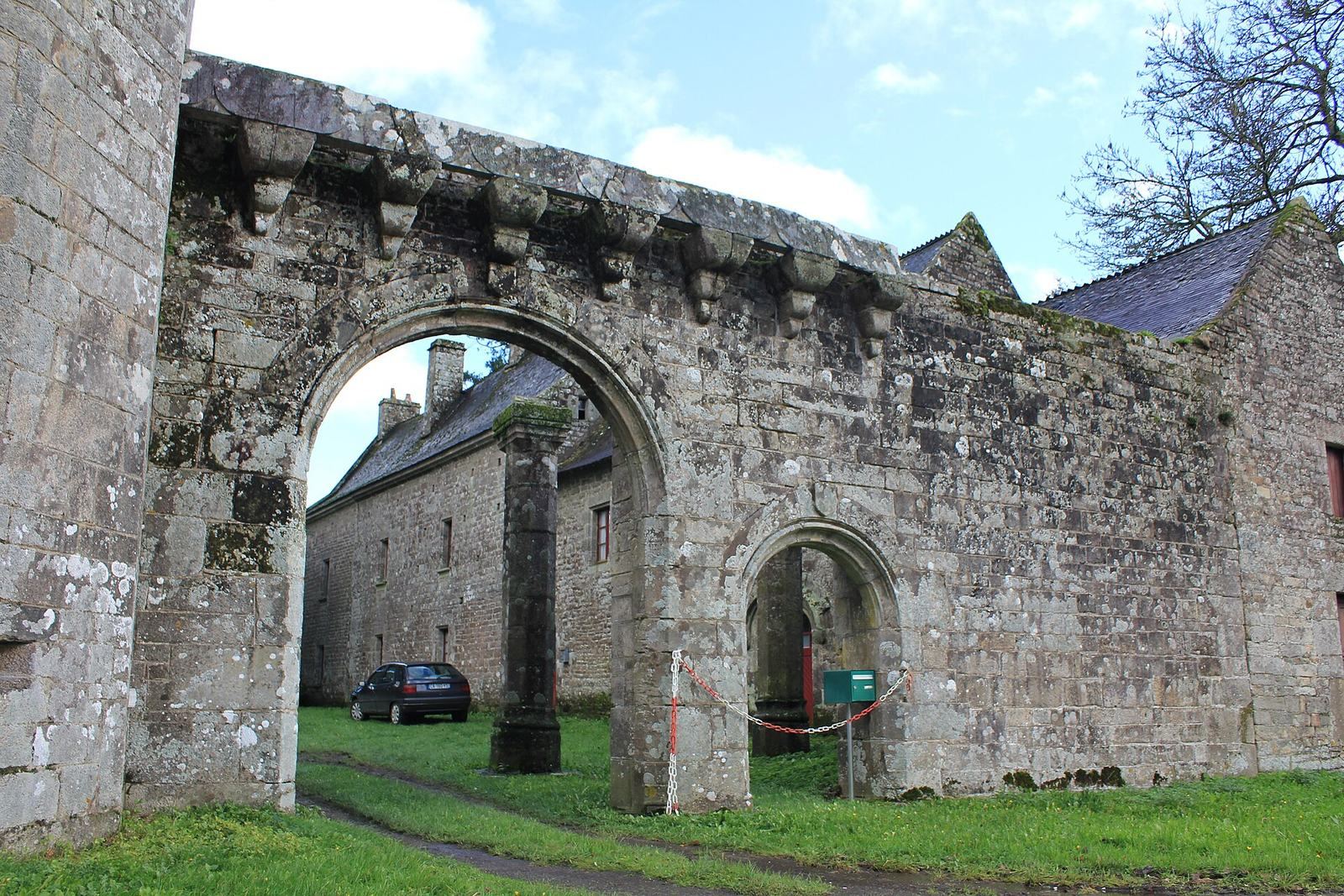
A round-arched doorway and a round-arched postern, a small secondary gate, connect the two blocks. Decorative machicolations, projecting structures with openings in their floors, surmount these entrances.
Turret and facade reliefs
North of the doorway, a turret with loopholes, narrow wall openings traditionally used for observation or firing, joins the main residence. Reliefs on its facade depict people, animals, and coats of arms associated with the Callac, La Sauldraye, Sérent, and Brignac families.