Château de Trédion: A Neo-Renaissance Estate in France


Site at a Glance
- Rating
- 4.6
- Popularity
- Low
- Country
- France
- Primary era
- Modern
- External website
- Open
- Eras represented
- Medieval, Modern
- Civilizations
- Duchy of Brittany, French
- Site type
- Domestic
- Remains
- Castle
On this page6 sections
History
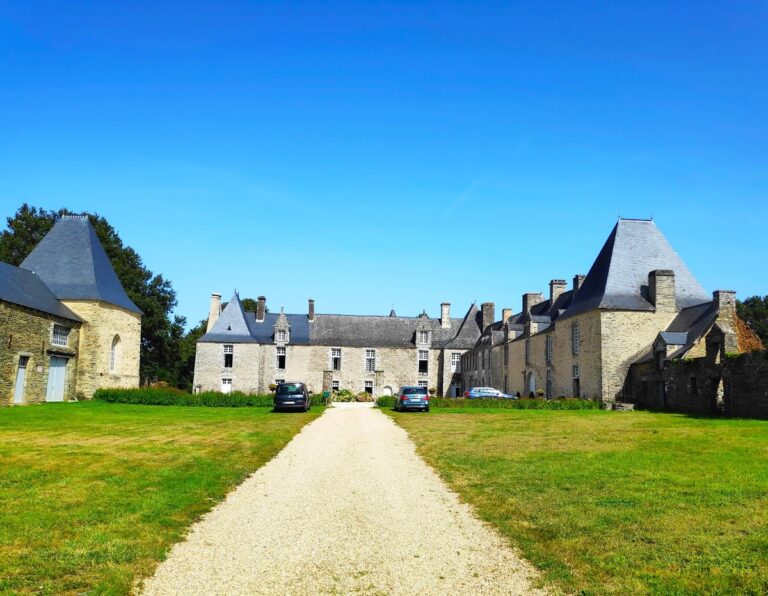
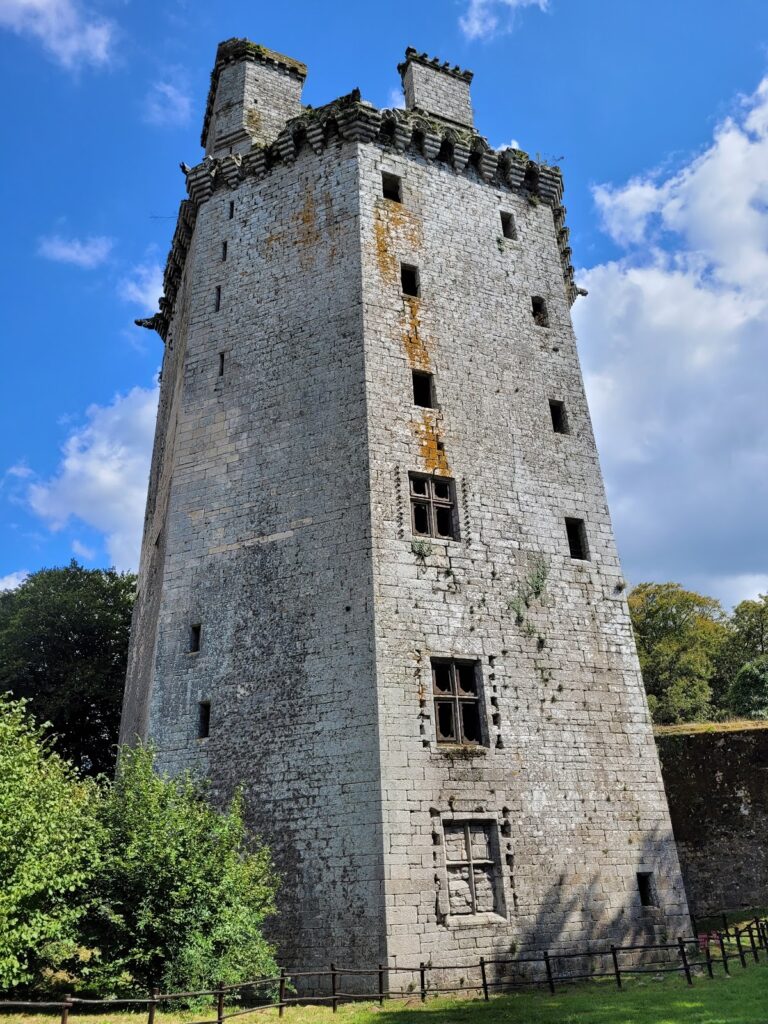
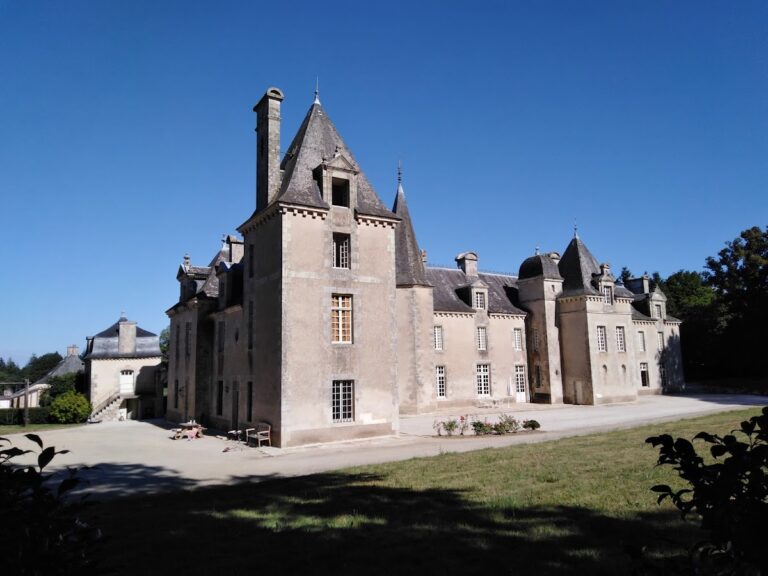
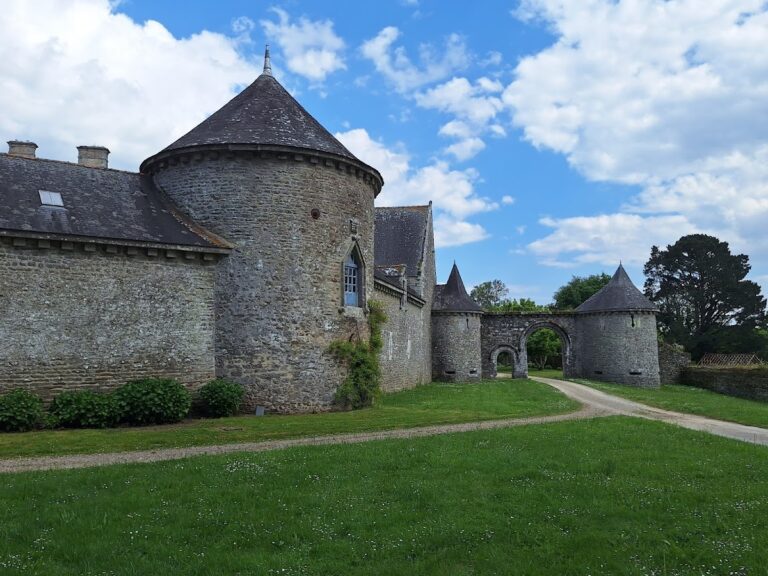
Château de Trédion is a historic estate in France that originated as the Manoir de Trédion, built around 1350 for the Dukes of Brittany, the hereditary rulers of the Duchy of Brittany. Surrounded by forests used for hunting, it became a favored rendezvous for the ducal household. The present château is associated with Neo-Renaissance architecture, a nineteenth-century revival of Renaissance forms and ornament.
Medieval and early modern ownership
Over the following centuries, the estate passed through the hands of the Malestroit family, Jean IV de Rieux, the Marquis de Nesle, Guy-Paul de Coligny, the Princess of Salm, Pierre II de Sérent, and Charles Fouquet, who acquired it in 1683. Later owners came from the bourgeoisie and lesser nobility, extending the property’s history beyond its ducal origins.
The château also hosted important royal visitors. On 31 August 1518, Francis I, king of France from 1515 to 1547 and a major patron of Renaissance culture, dined and spent one night there before continuing to Vannes. Catherine de’ Medici, queen consort of France and later regent during the minority of her son Charles IX, stayed at Trédion for at least two weeks in May 1570 as a guest of the Coligny family. Two letters written from Trédion attest to her residence.
Nineteenth-century transformation
Hippolyte du Fresne de Virel bought the château and the Trédion estate on 21 July 1834. In 1840, he established a blast furnace, an industrial furnace used to produce molten metal including cast iron, for the manufacture of cast-iron objects. From the same period, he began transforming the earlier manor into a château. The building’s construction chronology is listed as beginning around 1350 and ending in 1884, with the major conversion from manor to château taking place from 1840 onward.
The estate changed hands again in 1977, when Virel’s heirs sold it to Guy Turpin, a property developer from Vannes. Extensive renovation followed in the château and park and continued thereafter. The château and park have held classified natural-site protection since 1943, while the surrounding panorama received classification in 1968. The property is also included in the General Inventory of Cultural Heritage, a national French record of notable heritage sites and objects.
Remains
Château and designed grounds
Château de Trédion retains the character of an estate developed across several periods. Its fabric combines origins in the fourteenth-century Manoir de Trédion with the nineteenth-century conversion that gave the building its Neo-Renaissance association. The recorded construction process continued until 1884, while renovation work undertaken after the 1977 sale has shaped the property’s more recent condition.
Park and gardens
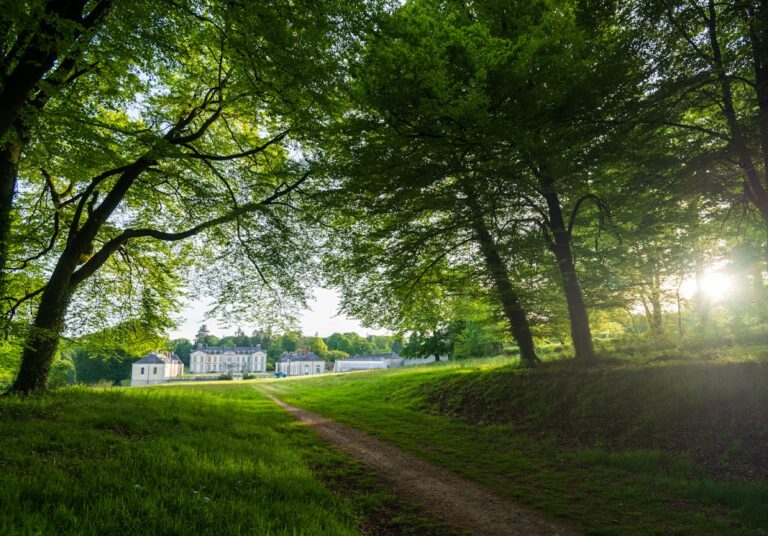
The nineteenth-century park was designed around 1820 as a structured landscape around the château. Its layout includes an irregular path, an artificial river, a cascade, a basin, a pond, a kitchen garden, and an orchard. These water features, paths, and cultivated areas form the principal surviving elements of the designed grounds.
The park and gardens are included in the pre-inventory of remarkable gardens, an assessment of landscapes considered notable for their historical, artistic, or garden-design interest. Their arrangement preserves the combination of ornamental water, circulation paths, and productive gardens established during the nineteenth century.