La Garnache Castle: A Medieval Fortress in France
Site at a Glance
- Popularity
- Medium
- Country
- France
- Primary era
- Medieval
- Eras represented
- Medieval
- Civilizations
- Unclassified
- Site type
- Military
- Remains
- Castle
On this page7 sections
History
Early fortress and medieval town
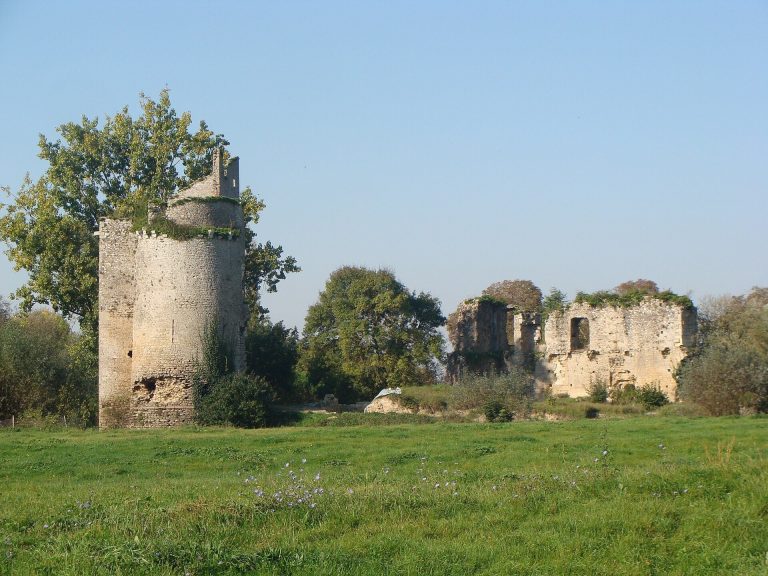
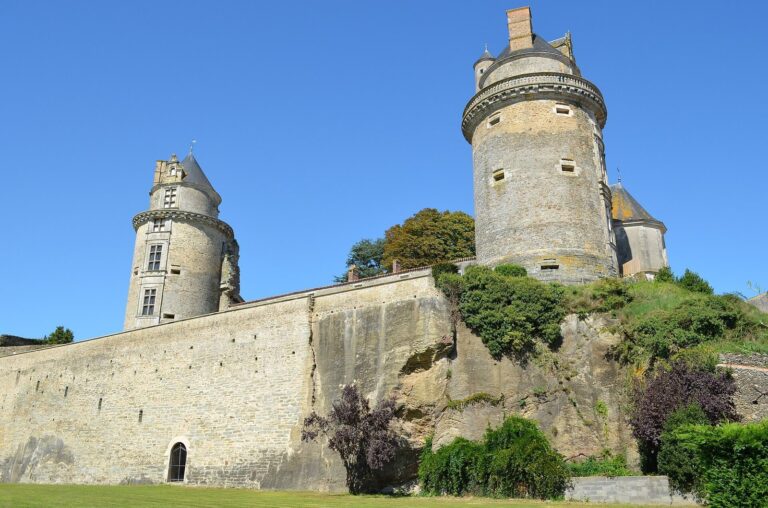
La Garnache Castle is a ruined fortress in France, counted among the oldest castles in Vendée. An artificial earthwork mound was raised there in the tenth century to support a fortified structure, and a fortress was built in 1045. La Garnache stood where Brittany, English-held Poitou, and the French kingdom, which sought to re-establish its authority, met; salt marshes lay nearby.
The castle was rebuilt in stone in the thirteenth century, and a fortified town grew around it. Plans by seventeenth-century mapmakers Matthäus Merian and Christophe Tassin show that the town’s defenses were still standing in that century.
Dismantling and later recognition
The dismantling is dated to 1631, during the reign of Louis XIII, on the advice of Cardinal Richelieu, his chief minister, and as a measure against the many Protestants living there. The chronology remains uncertain. Another date places the decision to raze the castle at Apremont on 25 April 1622, after the Battle of the Isle of Ré, fought during the French Wars of Religion. An issue of Affiches du Poitou dated 7 December 1780 reported that the great tower by the castle bridge had been brought down on 10 July.
The castle’s towers have been listed as historic monuments since 1925.
Remains
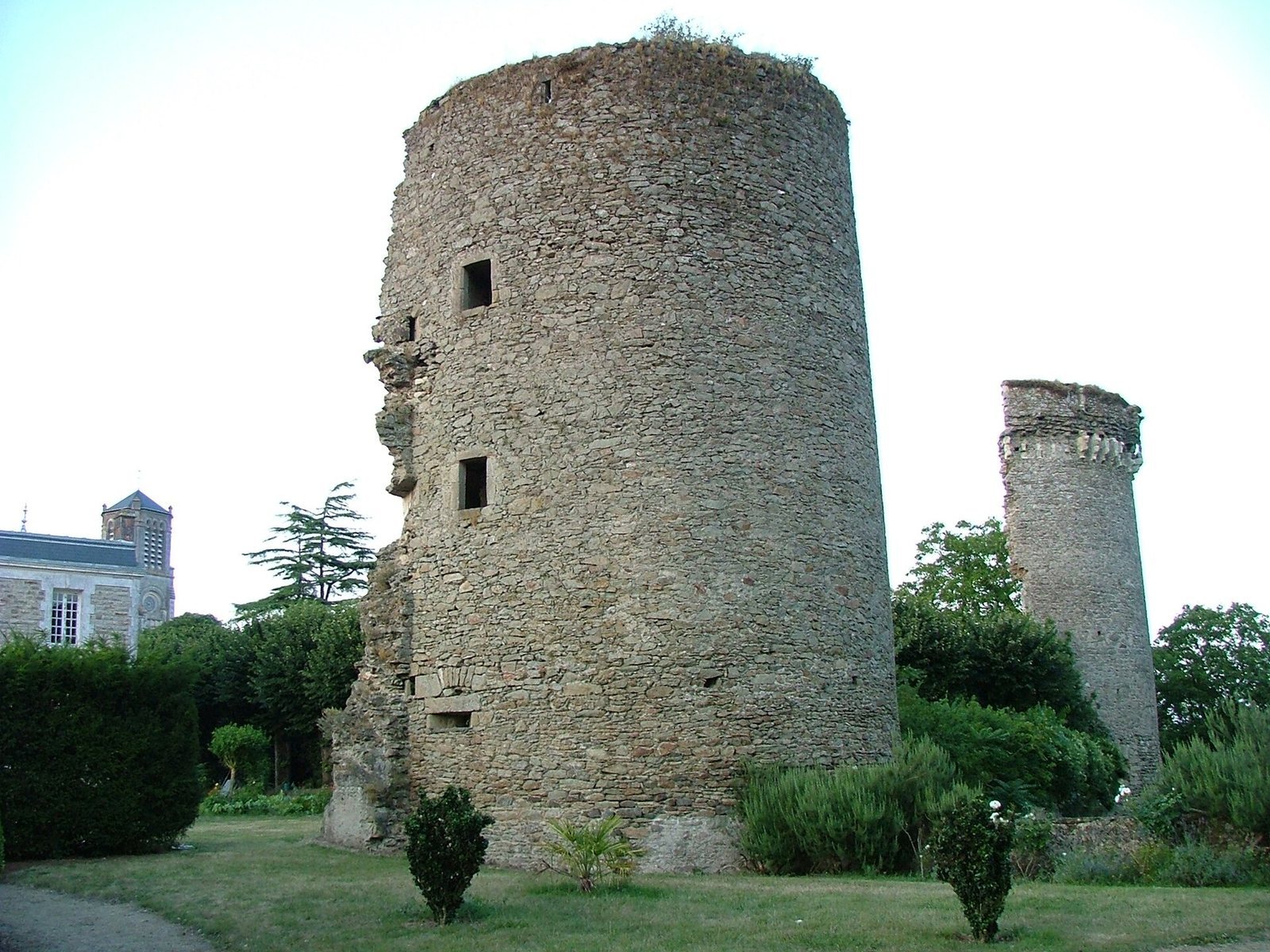
The ruined complex includes a stone fortress and the fortified town arranged around it. Underground passages run beneath the castle mound.
Surviving structures
Fortress and fortified town
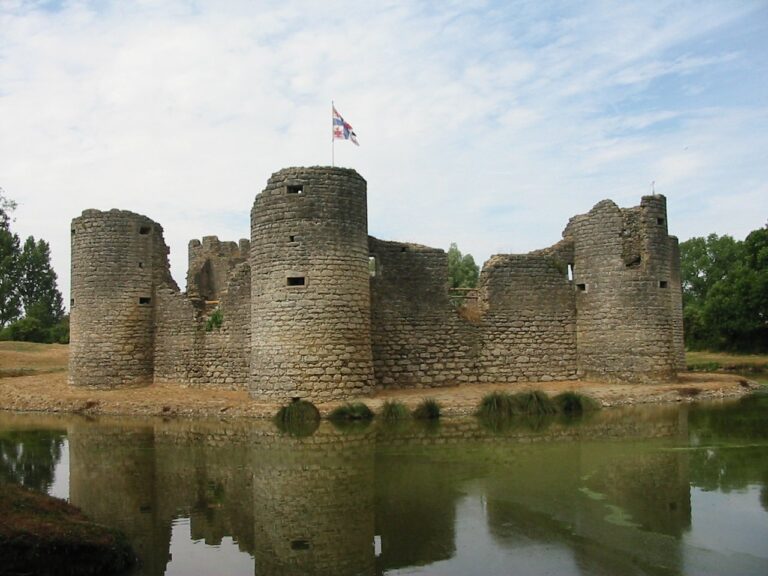
The fortress comprised six round towers and one square tower, joined by curtain walls, defensive walls connecting towers. The town was laid out around the castle. The castle survives in ruins.
Underground passages
One passage opens in the eastern tower, runs beneath the mound, and emerges near a second passage. The second route is separate from the old castle cellars. It forms a long corridor that opens to the south near the banks of the Seudre stream and ends to the north in an almost circular chamber without a bench.