Château de Fiches: A Historic Private Residence in France
Site at a Glance
- Rating
- 4.8
- Popularity
- Very Low
- Country
- France
- Primary era
- Early Modern
- External website
- Open
- Eras represented
- Medieval, Early Modern, Modern
- Civilizations
- French
- Site type
- Domestic
- Remains
- Castle
On this page9 sections
History
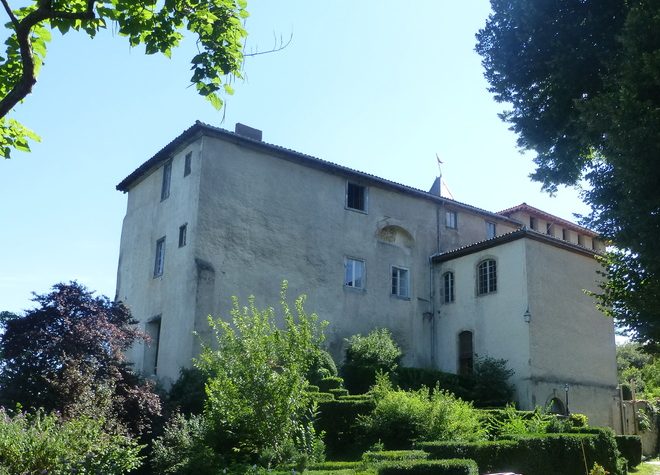
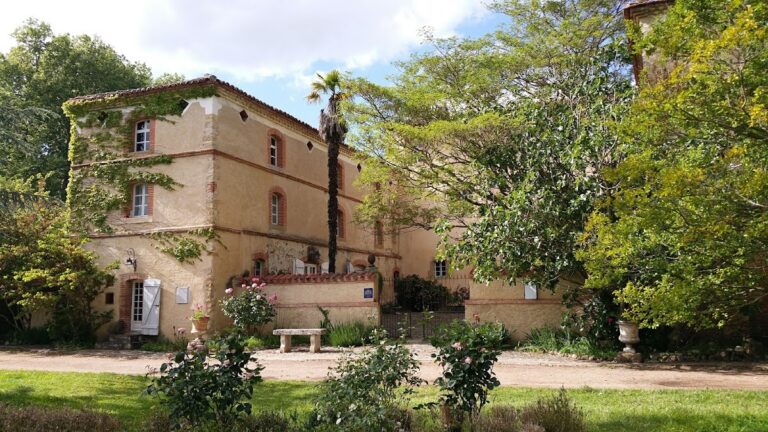
Château de Fiches is a private residence in France, extending across the communes of Verniolle and Varilhes in the Ariège department. Its construction began in the seventeenth century and was completed in the nineteenth century. The estate was acquired at the end of the sixteenth century by Jean de Roubert, a councillor of the Parlement of Toulouse, the monarchy’s high judicial and administrative court in the region.
From Estate to Château
A document from 1631 records an episode during the religious conflicts between Catholics and Huguenots, French Protestants associated especially with the Reformed tradition. The Fiches farmstead, then owned by Catholics, was seized by Huguenot troops commanded by the Baron de Léran.
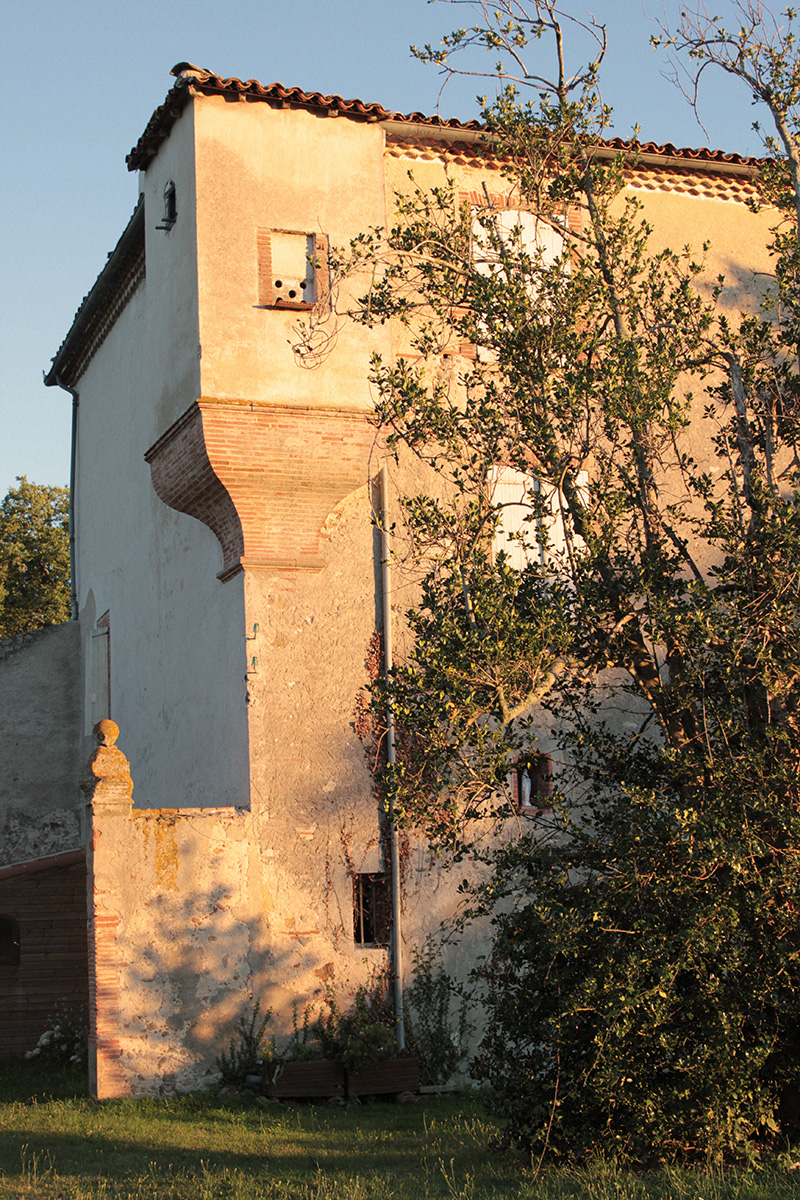
The Abribat de La Vilotte family, from Pamiers, bought the château again in the eighteenth century. The property is now held by the Ginabat and Pujol families. Its facade and roofs, the paintings in its two salons, and its wooden staircase have been included in the French inventory of historic monuments. Château de Fiches has held historic-monument status since 2005 and is listed in the Mérimée architectural-heritage database under reference PA09000015.
Remains
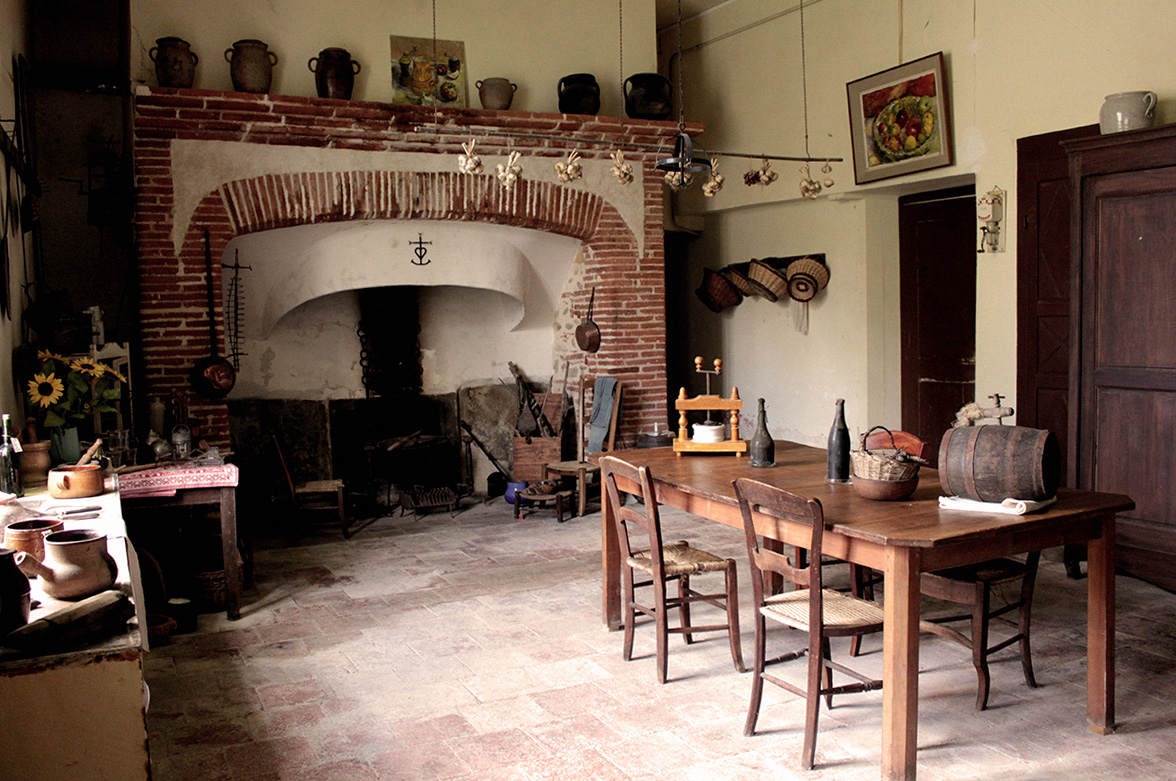
Château de Fiches retains a group of interior features spanning several centuries. Two salons contain painted ceilings, while the library preserves a collection associated with the ideal of the cultivated gentleman. A wooden staircase dating from the fifteenth century forms an earlier element within the historic residence.
Painted Salons
Late Sixteenth- or Early Seventeenth-Century Salon
The first salon contains paintings dating from the late sixteenth or early seventeenth century. Their bestiary brings together real and fantastic animals, with a quality and number of representations described as unique in a private residence. The painted ceiling is among the features included in the château’s historic-monument protection.
Eighteenth-Century Salon
The second salon has paintings dating from the eighteenth century. Its painted ceiling forms part of the interior decoration preserved within the château and is included in the protected historic fabric.
Library and Staircase
Library
The library reflects the ideal of the cultivated gentleman. Its inventory is in progress, and its oldest volume dates from the sixteenth century. The room also contains a herbarium from 1801, a systematically arranged collection of preserved plant specimens, comprising more than 1,500 plates of regional plants. Joseph Adrien Fauré, a pupil of the naturalist Jean-Baptiste de Lamarck, created the herbarium, which is under study.
Wooden Staircase
The château’s wooden staircase dates from the fifteenth century. It is included among the architectural elements protected in the French inventory of historic monuments.