Chailly-sur-Armançon Castle: A Fortified House and Renaissance Residence
Site at a Glance
- Popularity
- Medium
- Country
- France
- Primary era
- Medieval
- Eras represented
- Medieval, Early Modern
- Civilizations
- Duchy of Burgundy, French
- Site type
- Domestic
- Remains
- Castle
On this page5 sections
History
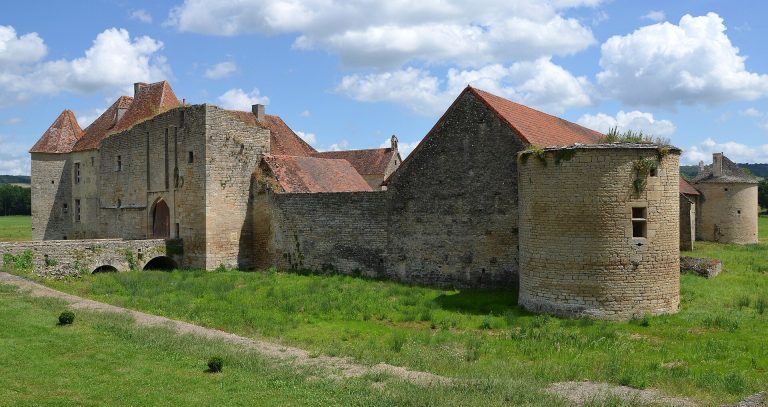
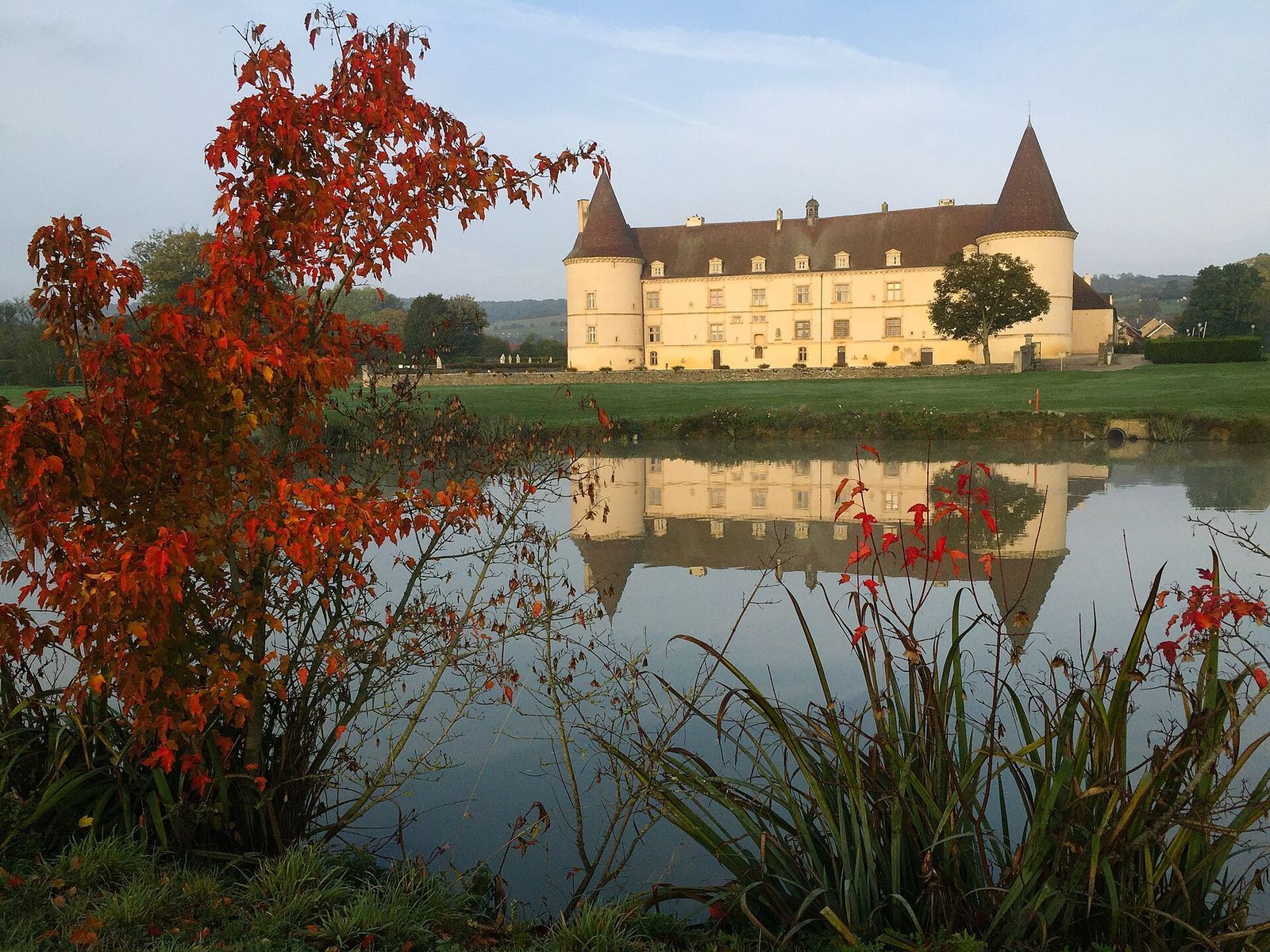
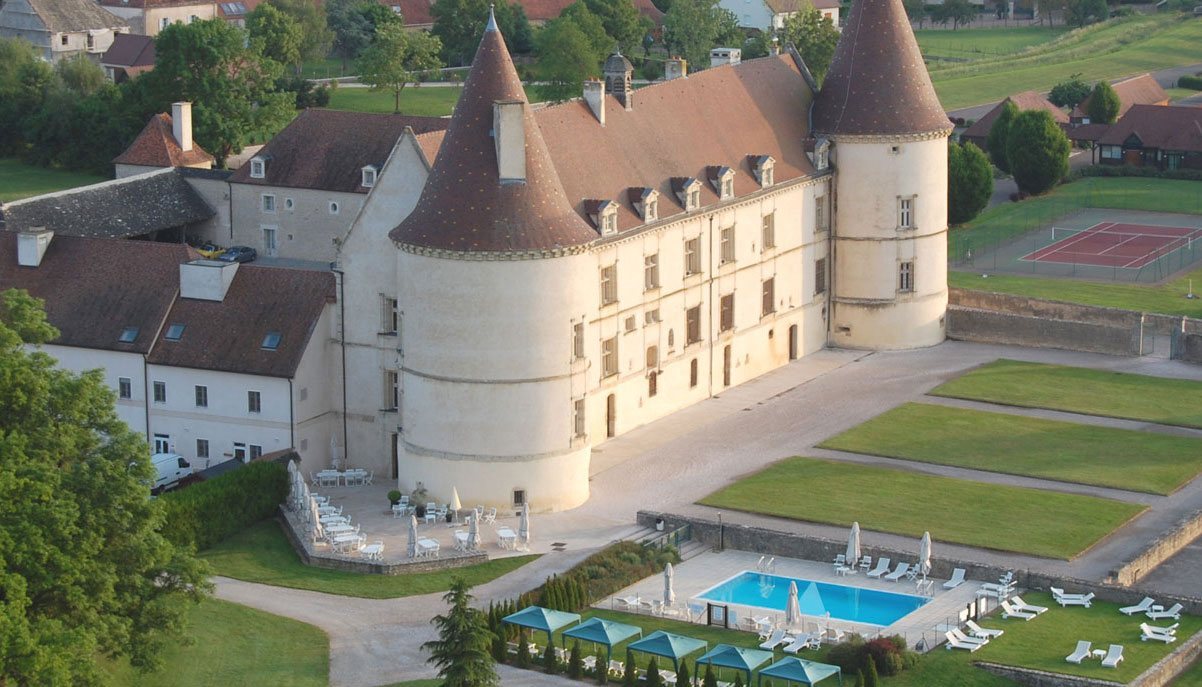
Chailly-sur-Armançon Castle is a fortified residence in France. It began as a fortified house in the 12th century, and construction was completed in the 18th century. Its successive forms included an early 15th-century fortress and a Renaissance residence.
From fortified house to Renaissance residence
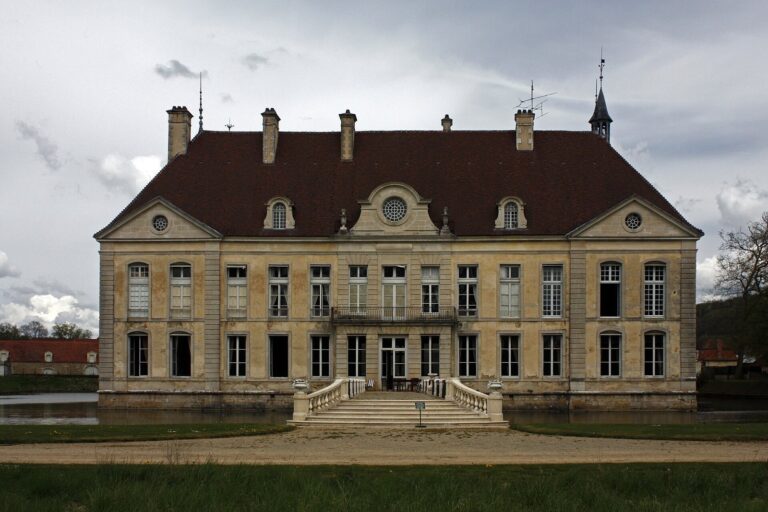
In the early 15th century, Jean, Lord of Loges, converted the house into a fortress. His grandson Hugues later reshaped it as a Renaissance residence. The Renaissance was a period of European cultural and artistic change that began in the late medieval era and influenced architecture and the arts.
Ownership and the Revolution
The Lenet, Brunet, and du Tillet families held the castle in succession. In 1789, amid the French Revolution, a period of major political and social upheaval that also changed property ownership, the estate manager Augustin Godard helped protect it from revolutionary excesses. Godard was a tenant farmer, who worked land under an arrangement with its owner; he also served as mayor of Chailly and as a criminal magistrate, a judicial officer handling criminal cases, at Arnay-le-Duc. He bought the castle in 1796. The Chalon family acquired it in 1888.
Protection and rehabilitation
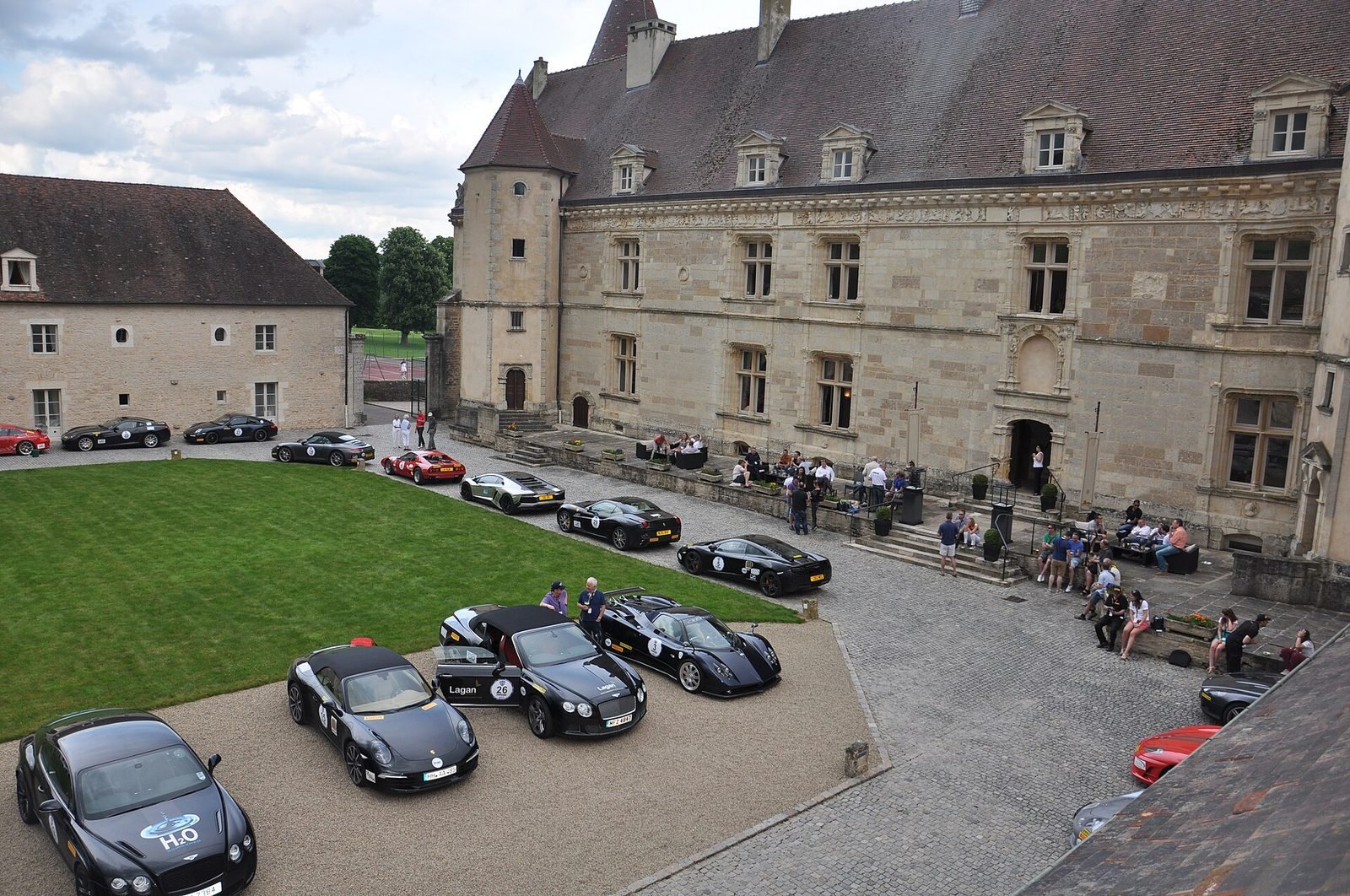
The castle has been listed as a historic monument since June 18, 1930. In France, this status is a heritage-protection designation. Beginning in 1987, owner Yasuhiko Sata oversaw its rehabilitation for conversion into a four-star hotel.
Remains
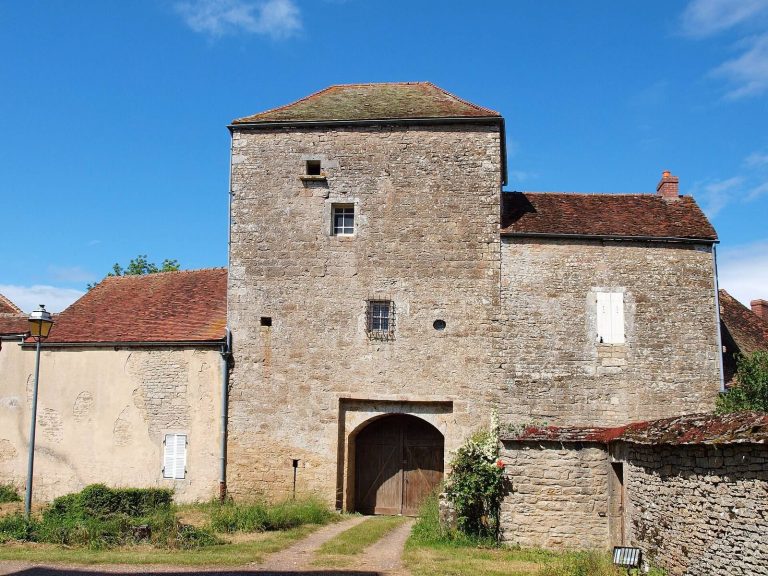
The castle retains the appearance of its Renaissance-residence phase, with a plan inspired by the ducal palace of Nevers. Its earlier fortress form, created in the early 15th century, had four towers and a drawbridge.