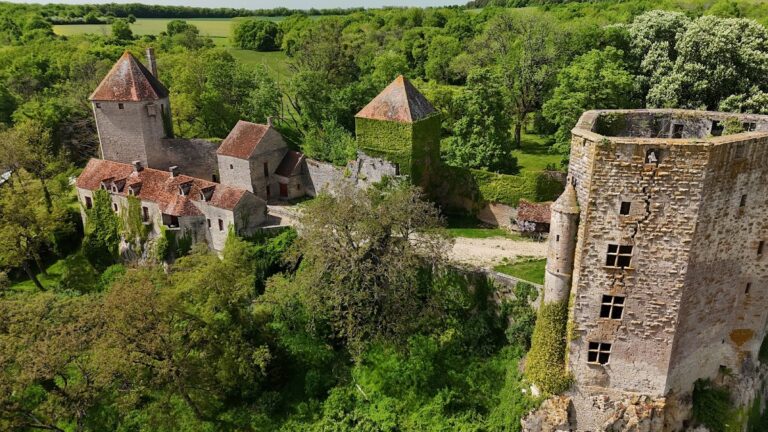
Château de Barbirey-sur-Ouche: Historic Estate in France

Site at a Glance
- Rating
- 4.2
- Popularity
- Very Low
- Country
- France
- Primary era
- Early Modern
- External website
- Open
- Eras represented
- Early Modern, Modern
- Civilizations
- French
- Site type
- Domestic
- Remains
- Castle
On this page8 sections
History
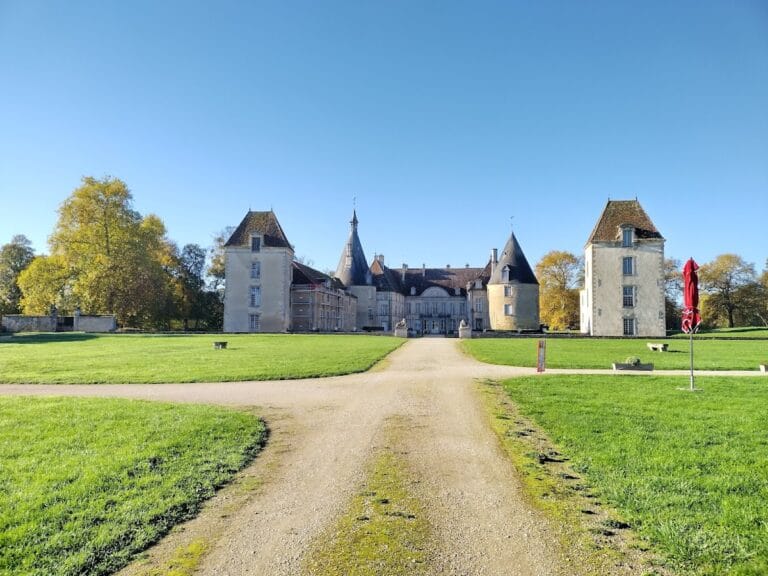
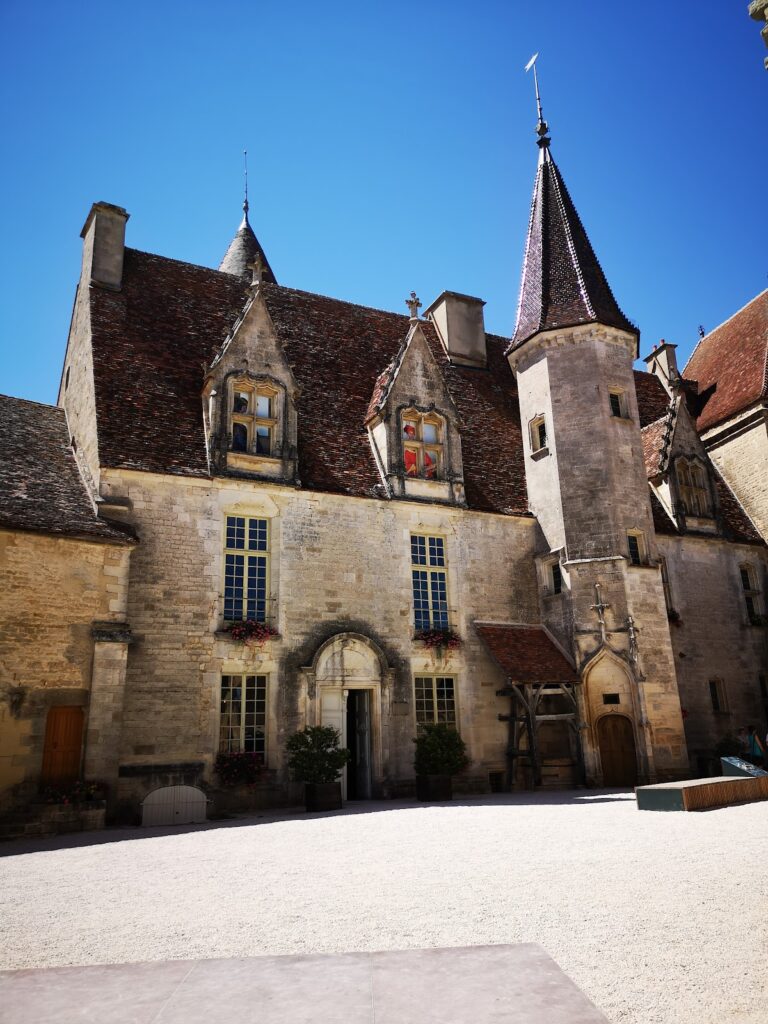
Château de Barbirey-sur-Ouche is a historic estate in Barbirey-sur-Ouche, France, whose buildings reflect a construction history extending from the sixteenth to the nineteenth century. The present residential building is associated with an eighteenth-century reconstruction carried out after the land passed into the hands of the Pâris de Monmartel family.
Medieval Dependence and Eighteenth-Century Reconstruction
Since the Middle Ages, the land of Barbirey had depended on the Barony of Marigny. In the eighteenth century, the banker Jean Pâris de Monmartel acquired the land of Marigny. After his death, his son, the Marquis de Brunoy, had the present residence reconstructed. Later work continued into the nineteenth century, adding to the château’s long building history.
The de Blic Family and Charles de Foucauld
At the end of the nineteenth century, Raymond de Blic and his wife, Marie de Foucauld, acquired the château. Marie was the sister of Father Charles de Foucauld, a French Catholic priest and religious figure associated with modern Catholic desert spirituality. He stayed at the château several times, and a commemorative plaque on the estate recalls this connection.
Heritage Protection
The estate has been listed as a French historic monument since 29 December 2005. This status provides legal heritage protection to a building or estate recognized for its cultural importance. The park also carries the Jardin remarquable designation, a French distinction for gardens valued for their design, history, plant collections, or cultural significance.
Remains
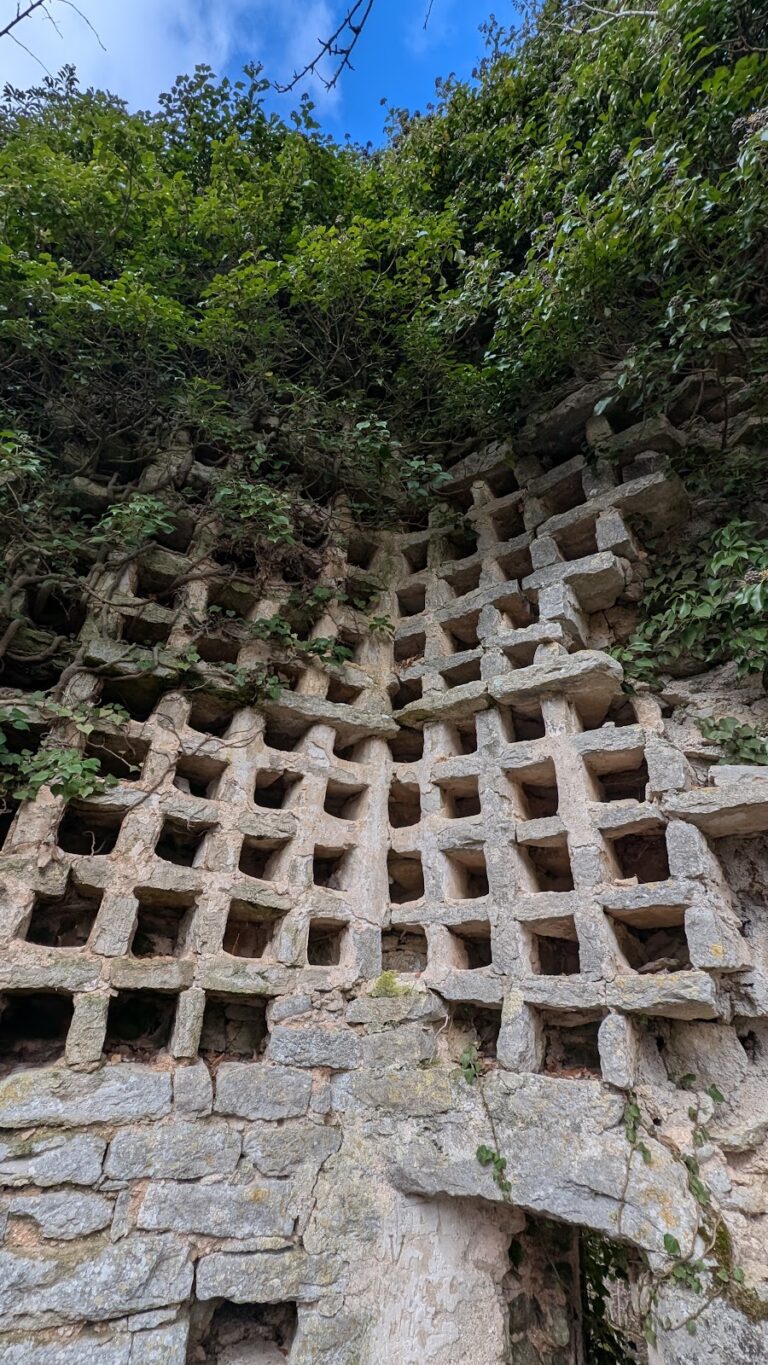
The estate combines the residential château with an entrance, a pigeon loft, a bread oven, and an eight-hectare park containing gardens. Together, these elements represent the surviving physical organization of the property, from its principal residence to its supporting estate buildings and cultivated grounds.
Park and Estate Features
Gardens and Park
The eight-hectare park forms a major part of the estate and includes gardens. Its Jardin remarquable designation recognizes the grounds as a notable designed garden with historical, cultural, or horticultural value.
Entrance and Service Buildings
The estate includes an entrance, a pigeon loft, and a bread oven. These surviving features accompany the main residential building and illustrate the range of structures incorporated into the château property.