Château d’Aulan: A Fortified Castle in France


Site at a Glance
- Rating
- 4.3
- Popularity
- Low
- Country
- France
- Primary era
- Medieval
- External website
- Open
- Eras represented
- Classical, Medieval
- Civilizations
- Roman
- Site type
- Military
- Remains
- Castle
On this page9 sections
History
Medieval Origins and Feudal Lords
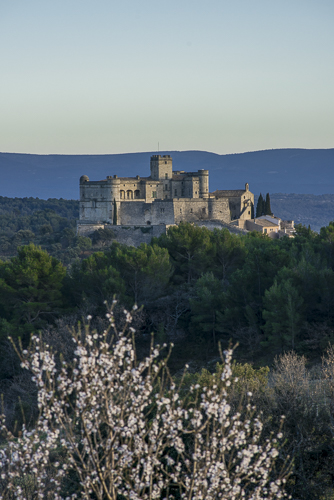
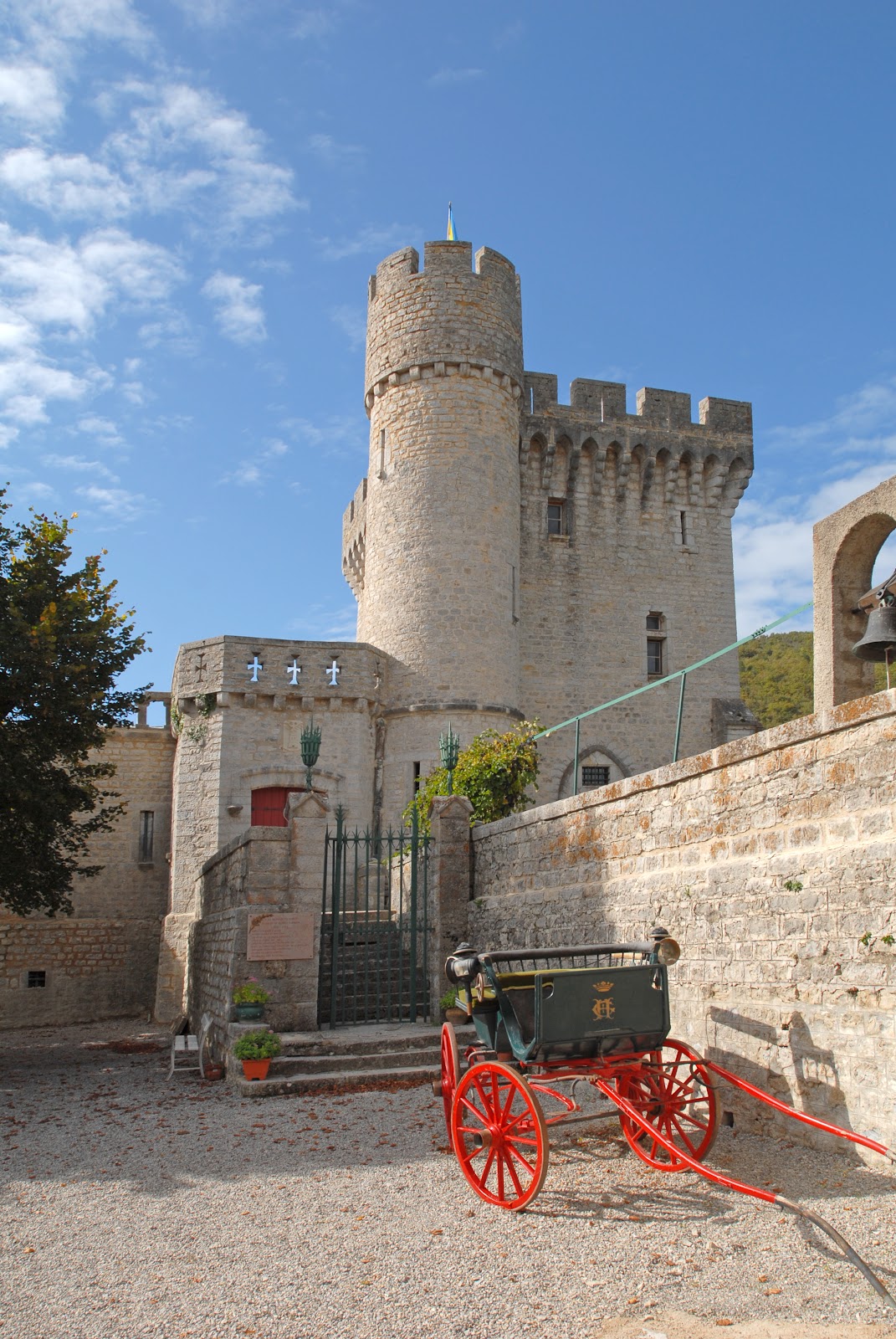
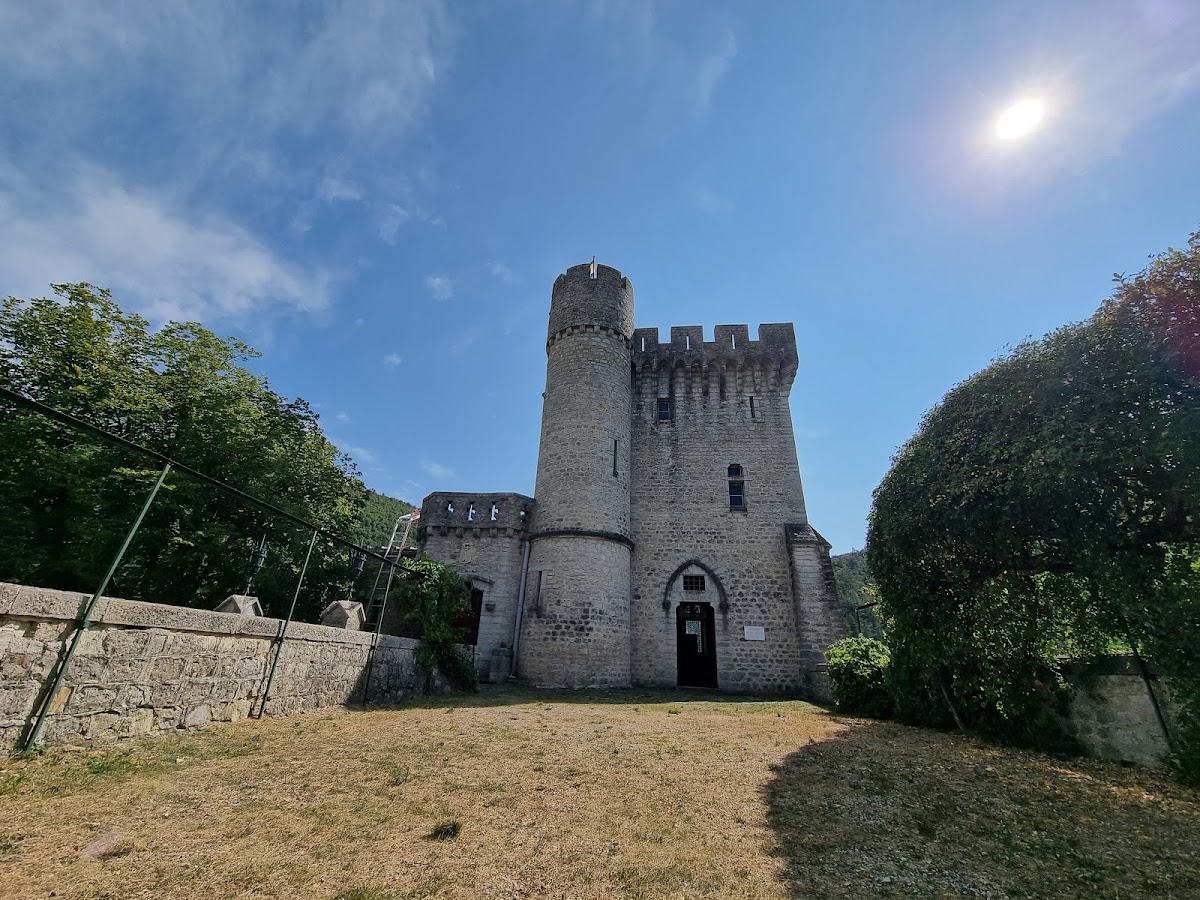
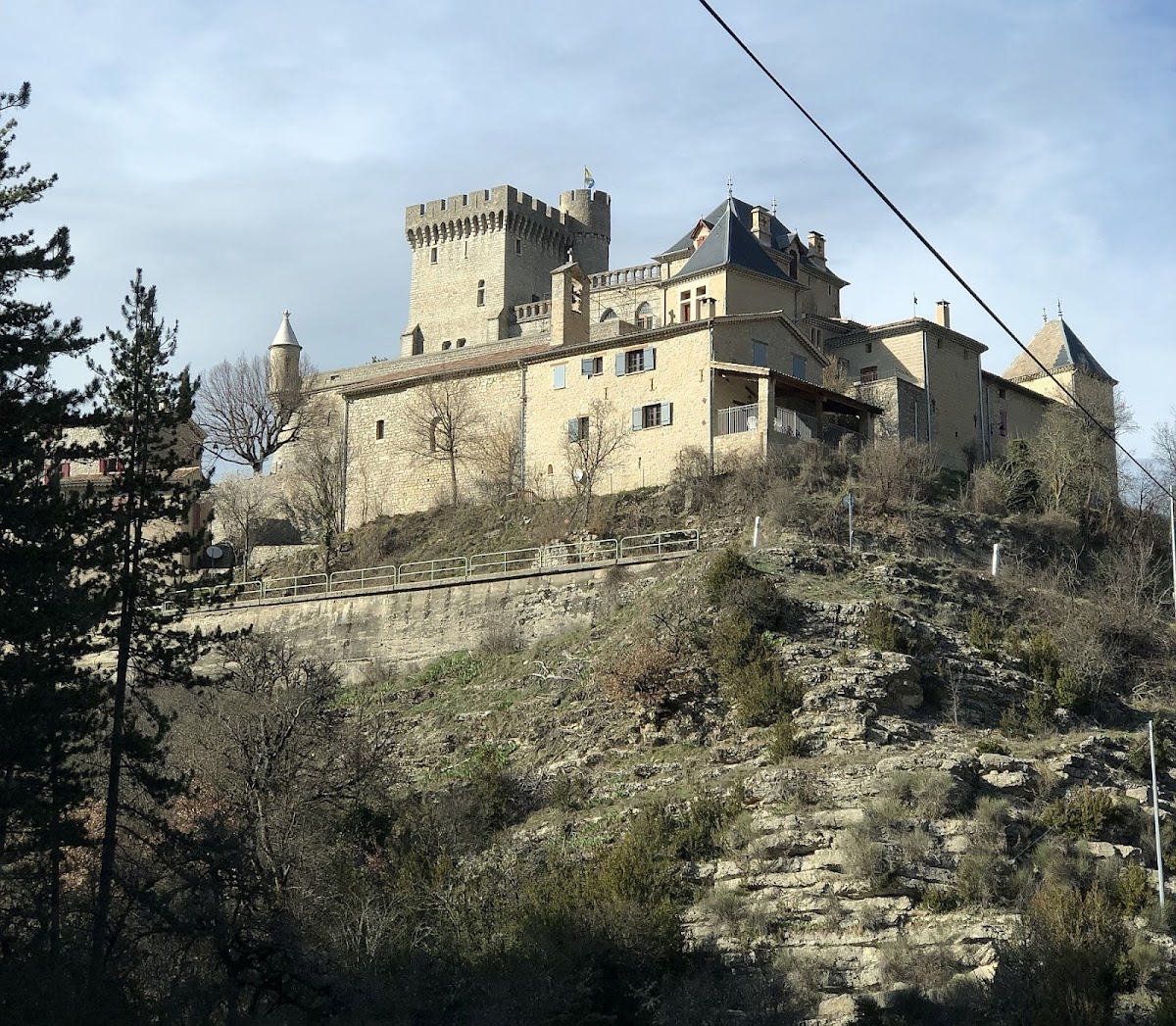
Château d’Aulan is a fortified castle in France, built in the twelfth century on the site of an oppidum, a fortified settlement usually placed on elevated ground, overlooking the Toulourenc valley. It formed part of the strategic defensive system of the lords of Mévouillon and was repeatedly altered over time, gradually becoming less defensive in character.
The estate began as a fief, a landed holding granted in return for service or allegiance, belonging to the barons of Mévouillon. On 13 May 1240, Raymond IV of Mévouillon sold it to Hugues du Puy-Montbrun. The property later passed through the Montbrun and Baux families. In 1293, the Baux transferred it to the Dauphin of Viennois, the ruler of the Dauphiné before its incorporation into the French royal domain. In 1313, the Dauphin established Aulan as a fief for Rican de l’Espine, a knight and peer of Dauphiné.
Succession and Revolutionary Destruction
The l’Espine family line ended in 1640 with the succession of the Suarez family. This change followed the marriage of Isabeau de l’Espine to François-Marie de Suarez in 1635, after which the Suarez family became Aulan’s last lords.
During the French Revolution, a period of political upheaval that abolished France’s traditional monarchy and feudal privileges, the castle was destroyed, looted, and reduced to ruins. In 1796, Marie-Suzanne-Joséphine-Régis Suarez d’Aulan, the last member of her family, married Jean-Joseph-Valléry Harouard. Through this inheritance, the castle passed into the Harouard de Suarez d’Aulan family.
Restoration and Literary Associations
The castle was reportedly ruined and looted again during the First World War. Restoration began in 1933, when Charles Harouard de Suarez d’Aulan undertook the work at the request of his cousin Jean Harouard de Suarez d’Aulan.
Château d’Aulan also entered twentieth-century French literary history. Jean Giono, a novelist and poet familiar with the site, set the short story “Promenade de la Mort” there. The story appeared in his 1943 collection L’Eau Vive. René Char, a major French poet who participated in the French Resistance, the network opposing the German occupation and the Vichy regime during the Second World War, referred to the castle in “Sur les hauteurs,” published in 1947 in Trois coups sous les arbres. A film based on the work was shot at the castle in 1949 with the participation of Yvonne Zervos.
The title of Char’s poem “Cur secessisti?” comes from an inscription on a Gallo-Roman tombstone, linking Roman-period culture in Gaul with local traditions. The stone was unearthed during ploughing and later preserved in the castle courtyard. In France, the castle’s façades and roofs were listed as historic monuments on 9 May 1950, and the building is also recorded in the Mérimée architectural-heritage database.
Remains
Fortified Site and Defensive Setting
Château d’Aulan occupies the elevated site of the earlier fortified settlement above the Toulourenc valley. Its medieval defensive arrangement included towers, turrets, courtyards, and a lower courtyard, features described in the 1240 deed of sale. Later alterations changed the character of the castle, reducing its defensive emphasis while retaining the physical evidence of its fortified origins.
The castle formed part of a wider defensive network associated with the lords of Mévouillon. It could communicate by optical signals with the Château de Mévouillon, a fortress standing more than 1,000 metres above sea level on the rock that bears its name. The Mévouillon fortress was destroyed on the order of Louis XIV, king of France from 1643 to 1715, in 1684.
Artworks and Courtyard Inscription
Wooden Pietà
The castle contains a wooden Pietà, a Christian image of the Virgin Mary mourning the dead Christ, dating from the fifteenth or sixteenth century. The sculpture is probably Catalan in origin. In February 1933, the current owner’s grandfather acquired it from an antiques dealer south of Perpignan. It was separately listed as an object among France’s historic monuments on 13 February 2009.
Gallo-Roman Tombstone
A Gallo-Roman tombstone bearing the inscription associated with René Char’s poem is sealed into the castle courtyard. The stone was found during ploughing and remains incorporated into the courtyard fabric, where it preserves the material link between the castle and the poem’s title.