The Count’s Castle of Le Quesnoy: A Fortified Residence of Hainaut’s Counts
Site at a Glance
- Popularity
- Medium
- Country
- France
- Primary era
- Medieval
- Eras represented
- Medieval, Early Modern
- Civilizations
- French, Holy Roman Empire
- Site type
- Military
- Remains
- Castle
On this page9 sections
History
Foundation and Hainaut residence
The Count’s Castle of Le Quesnoy was a fortified residence in France, built around 1160 by Baldwin IV, count of Hainaut, a historic county in the Low Countries. It became the principal residence of Hainaut’s counts for centuries.
Baldwin’s wife, Adelaide of Namur, added a chapel to the castle. In 1169, the castle hosted celebrations for the marriage of Baldwin’s son to Margaret of Alsace, countess of Flanders. The Holy Roman Emperor Frederick I Barbarossa attended. The following decades included the unhappy marriage of Burchard of Avesnes and Margaret II of Flanders in 1212.
Late medieval and Burgundian periods
After losing his reason in 1358, William V, count of Holland, was confined at the castle for the final 31 years of his life. Margaret of Burgundy lived there from 1385 as the wife of William IV, count of Hainaut, and again from 1433 until her death in 1441 as his widow. Her daughter Jacqueline of Bavaria, a ruler in the Low Countries, was born at the castle in 1401.
Under Burgundian rule, the castle’s importance declined. Charles the Bold, duke of Burgundy, stayed there with his daughter Mary, who later ruled the Burgundian Netherlands. The castle fell into decline after their visit.
French rule and later use
After Le Quesnoy became definitively French in 1659, a barracks was established on the castle site. Alterations in 1928 accommodated the Mobile Republican Guard, a French mobile gendarmerie force. In 1997–1998, Alain Salamagne directed an archaeological campaign at the site.
Remains
Medieval castle
Fortifications and surviving buildings
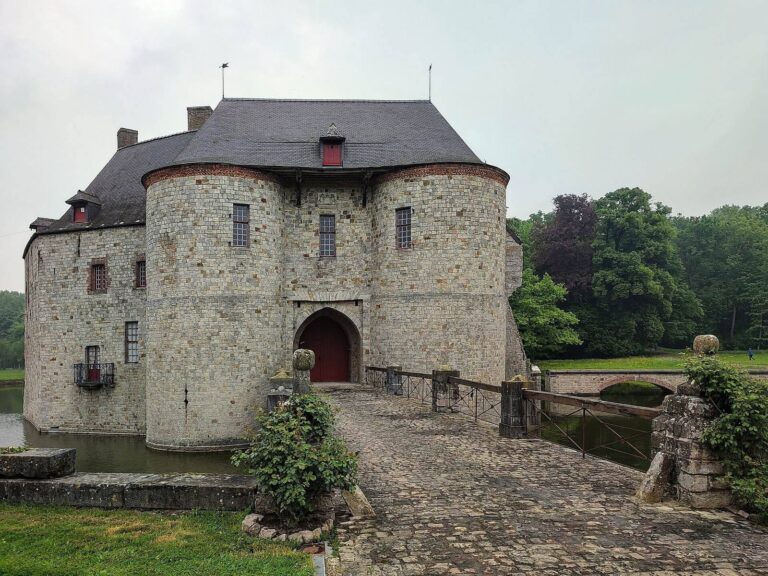
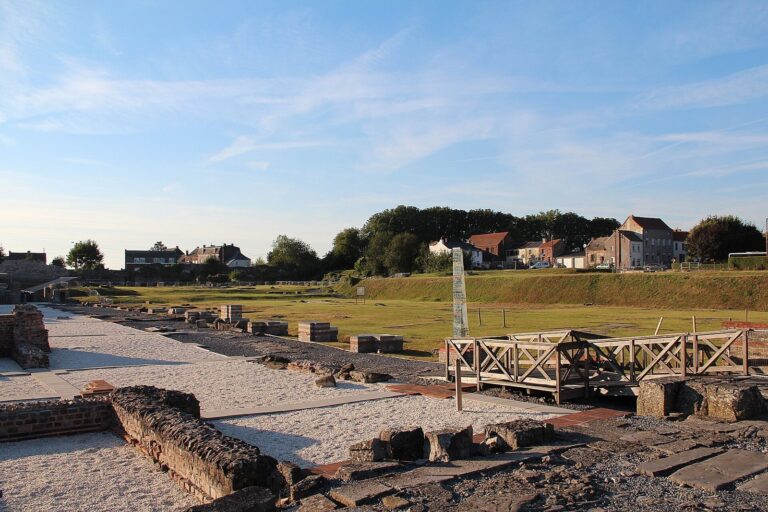
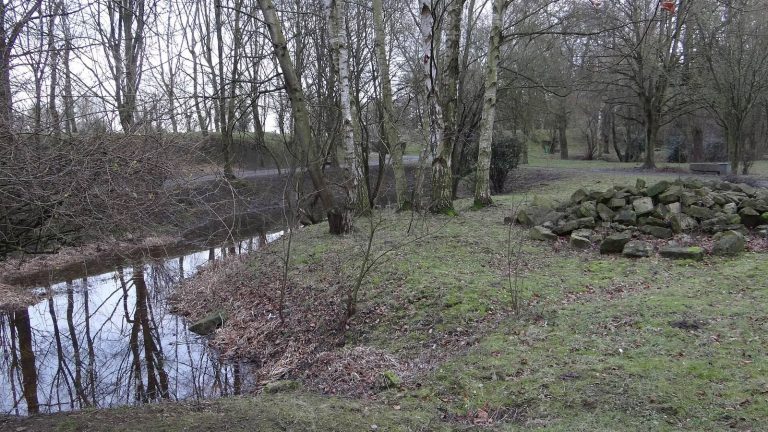
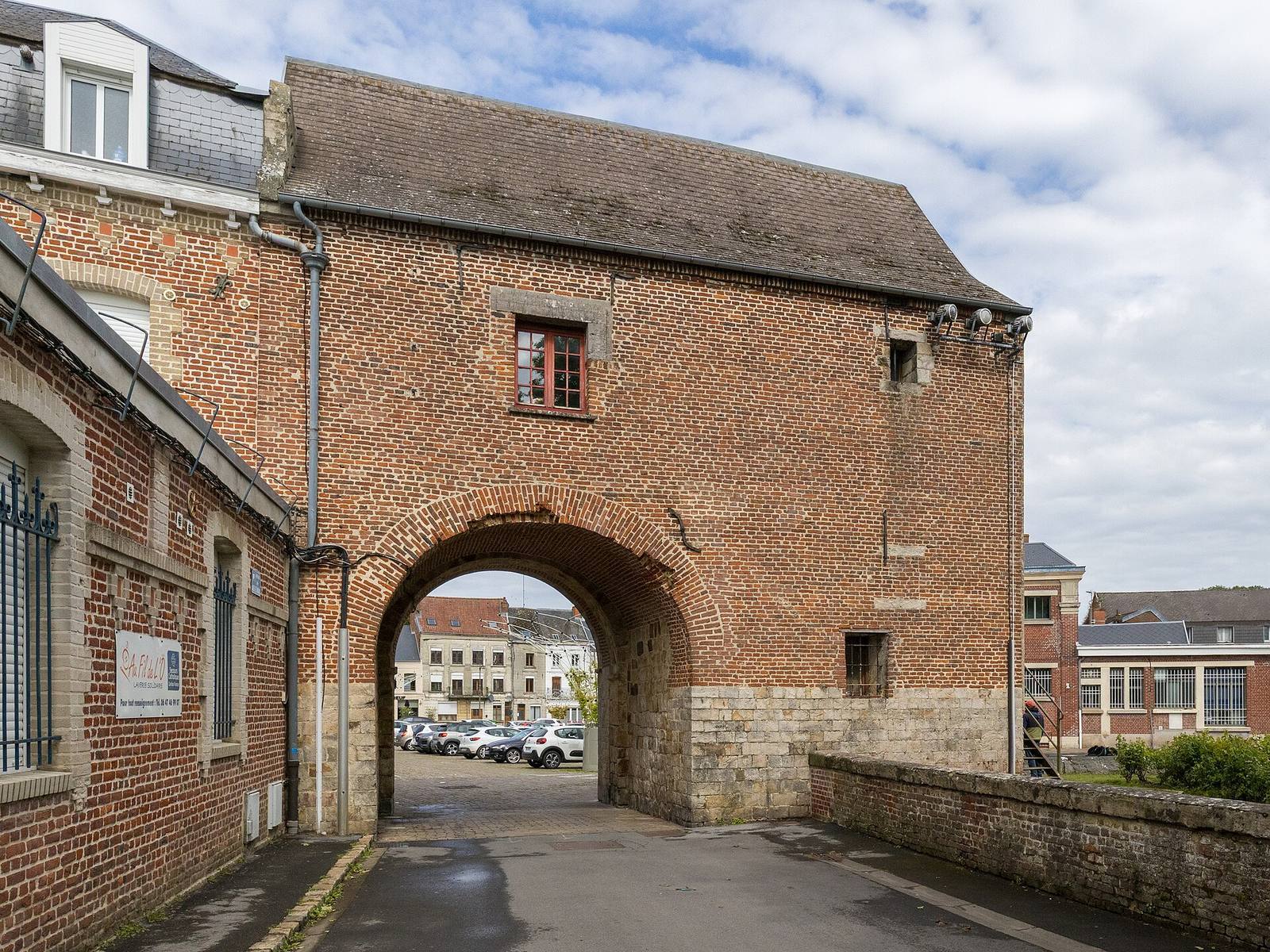
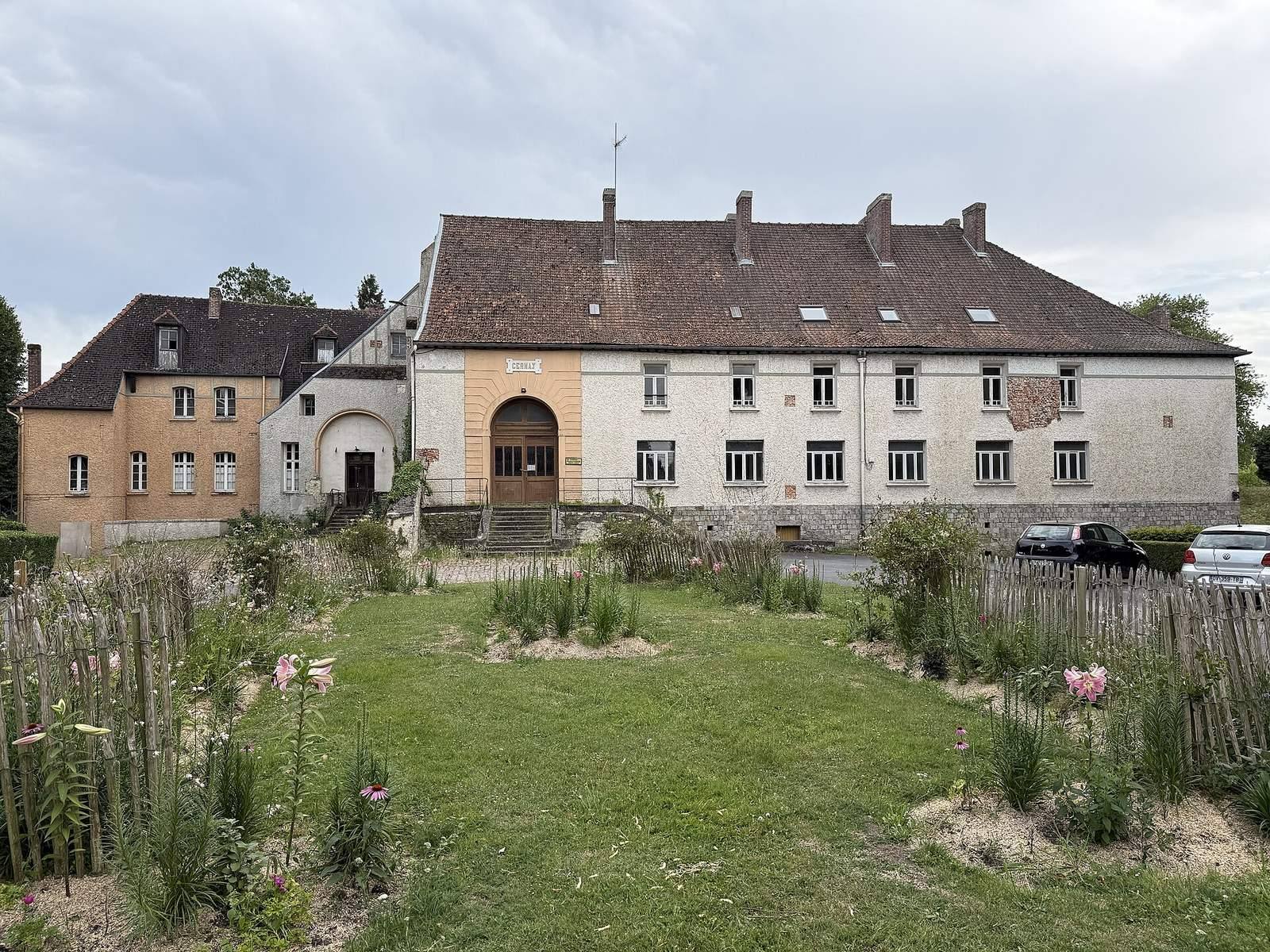
The original castle formed an extensive polygonal fortification linked to the town’s ramparts. Its surviving remains include the former great hall, the gatehouse, a Romanesque cellar complex (in a medieval European architectural style), and discernible tower foundations.
Chapel
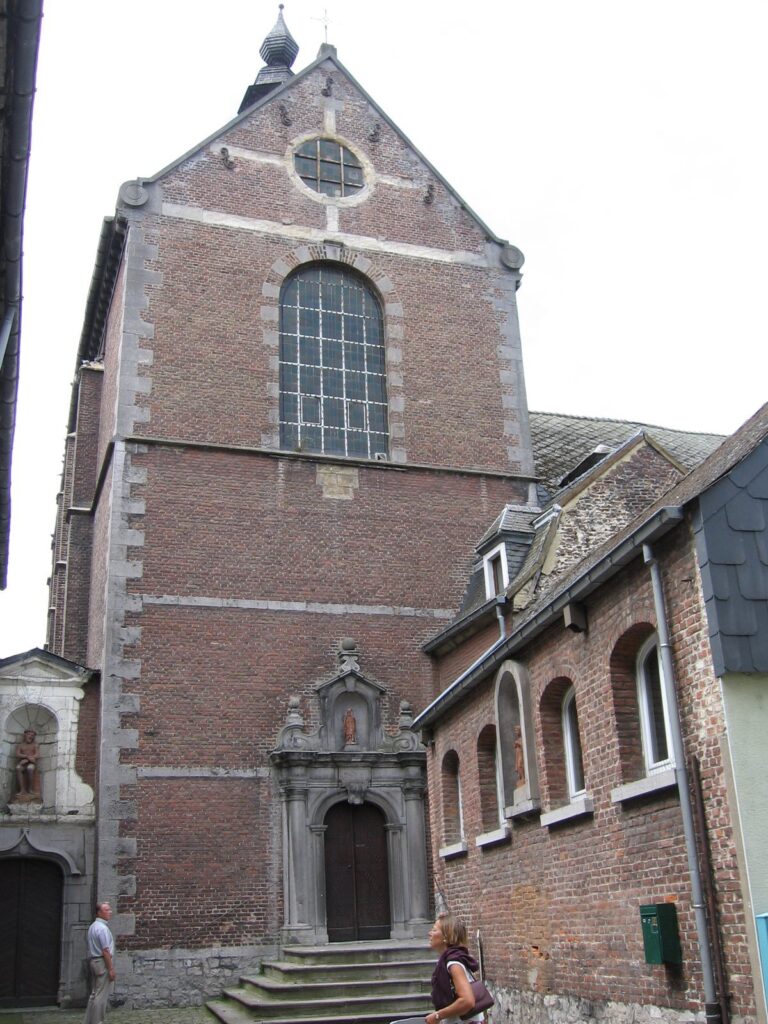
The castle chapel was dedicated to Saint John. A pointed arch from the chapel survives against a wall.
Cernay Pavilion
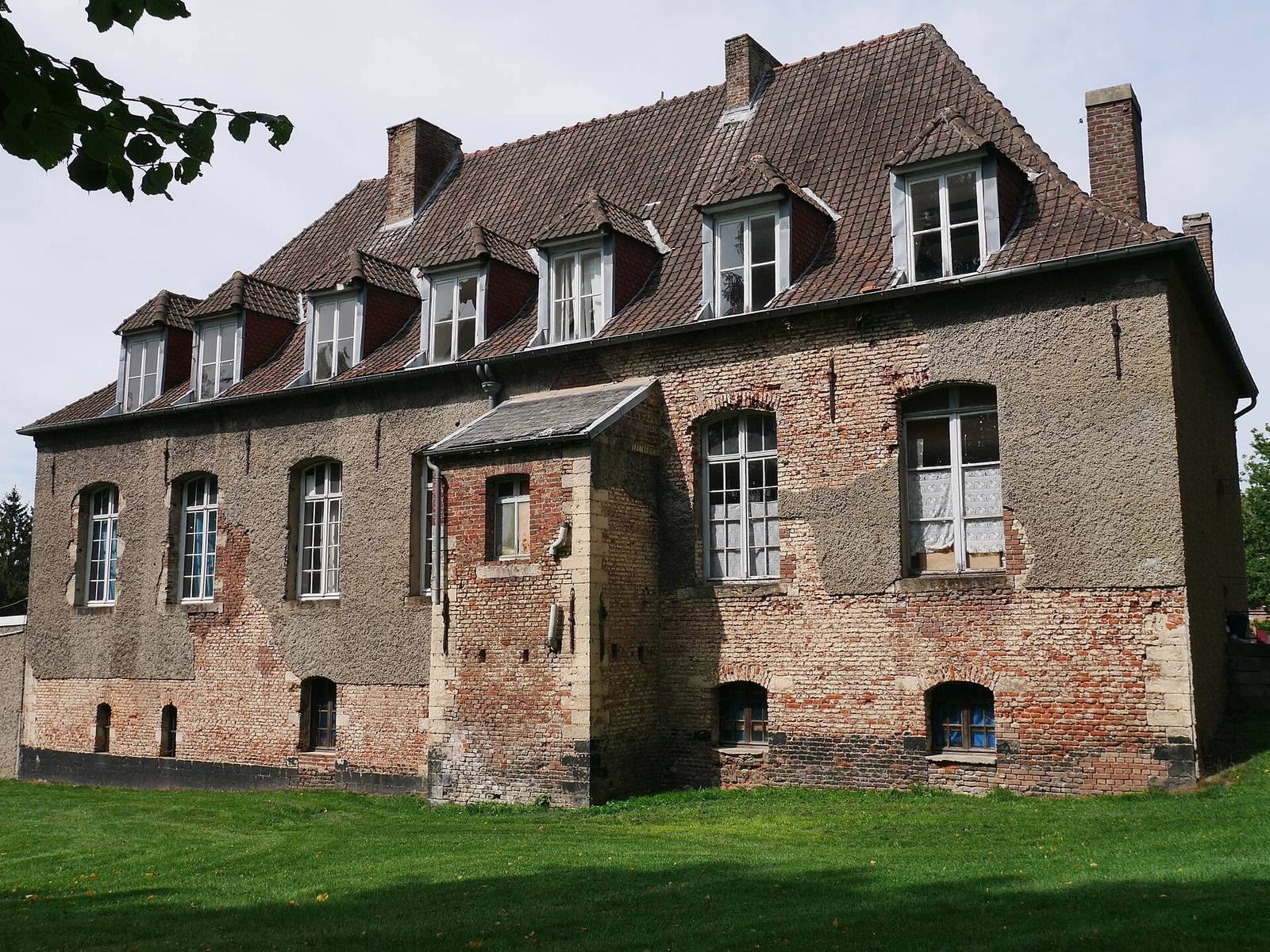
Built in brick in 1681 for the former barracks, the Cernay Pavilion was designed by royal architect Libéral Bruant. The building still stands and has been repurposed.