Chapel of San Giacomo della Marca: A Renaissance and Baroque Chapel in Naples
Site at a Glance
- Popularity
- Medium
- Country
- Italy
- Primary era
- Early Modern
- Eras represented
- Early Modern
- Civilizations
- Habsburg, Habsburg Spain, Kingdom of Naples, Spanish
- Site type
- Religious
- Remains
- Chapel
On this page16 sections
History
Foundation and patronage
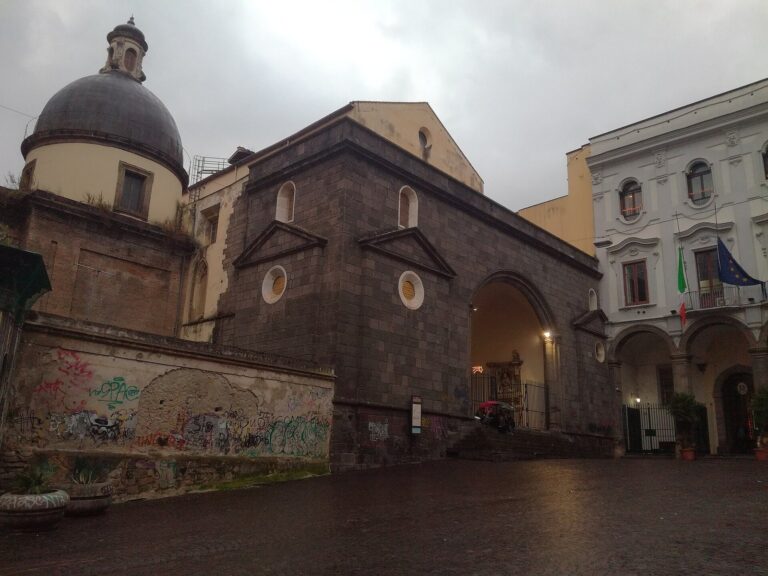
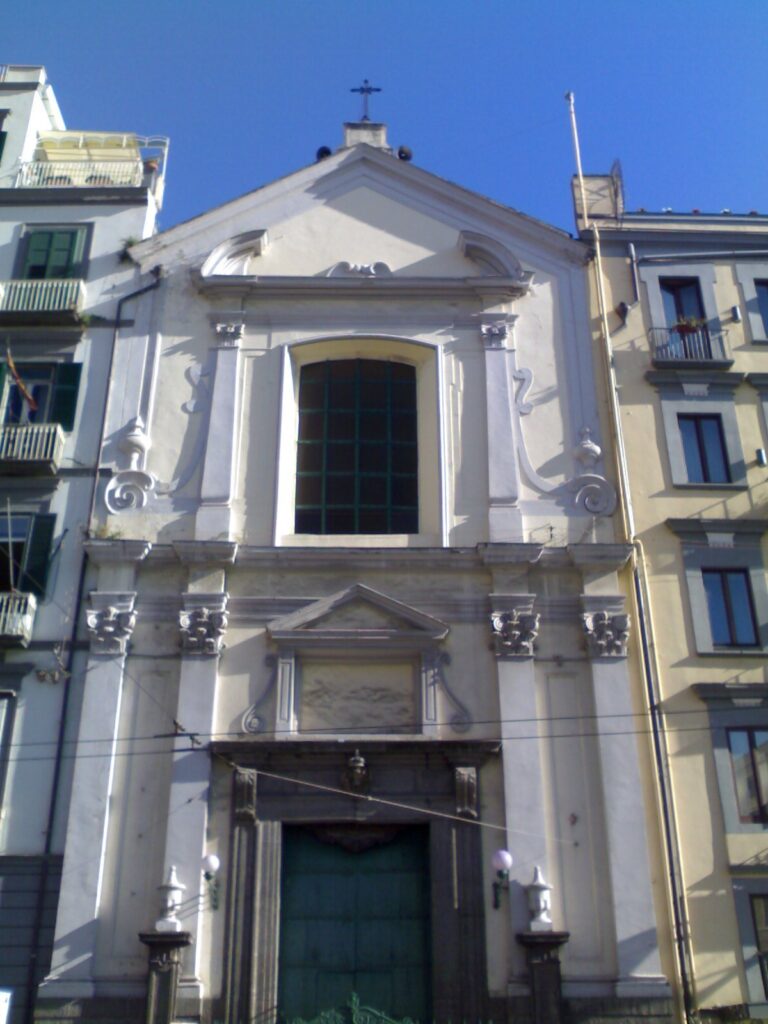
The Chapel of San Giacomo della Marca is a Roman Catholic chapel within the church of Santa Maria la Nova in Naples, Italy. Designed by Raimo Epifanio, it was built in 1504 by adapting an existing building. A marble relief on the chapel also gives that year. Its architecture is described as Renaissance and Baroque, and its original dedication honored both Saint James of the Marches, a fifteenth-century Italian Franciscan preacher, and Saint Christopher.
To connect the chapel with Santa Maria la Nova, part of the church was altered: an opening was made through one chapel, while two others were reduced to small altars. These changes were no longer visible after the church was rebuilt in the late sixteenth century. The chapel was associated with the Friars Minor, the formal name of the Franciscan religious order, until 1811. The friars ceded it to Spanish commander Gonzalo Fernández de Córdoba, the first viceroy of Naples, a governor acting on behalf of a monarch. He made it a family chapel, also called the Chapel of the Great Captain after his sobriquet, and rededicated it solely to Saint James of the Marches.
Relics and restoration
Around 1576, the remains of Saint James were transferred from Santa Maria la Nova to the chapel. They stayed there until 2001, when they were moved to the sanctuary of Santa Maria delle Grazie at Monteprandone. Cosimo Fanzago oversaw restoration work at the chapel between 1634 and 1646.
Remains
Main chapel interior
Plan and surfaces
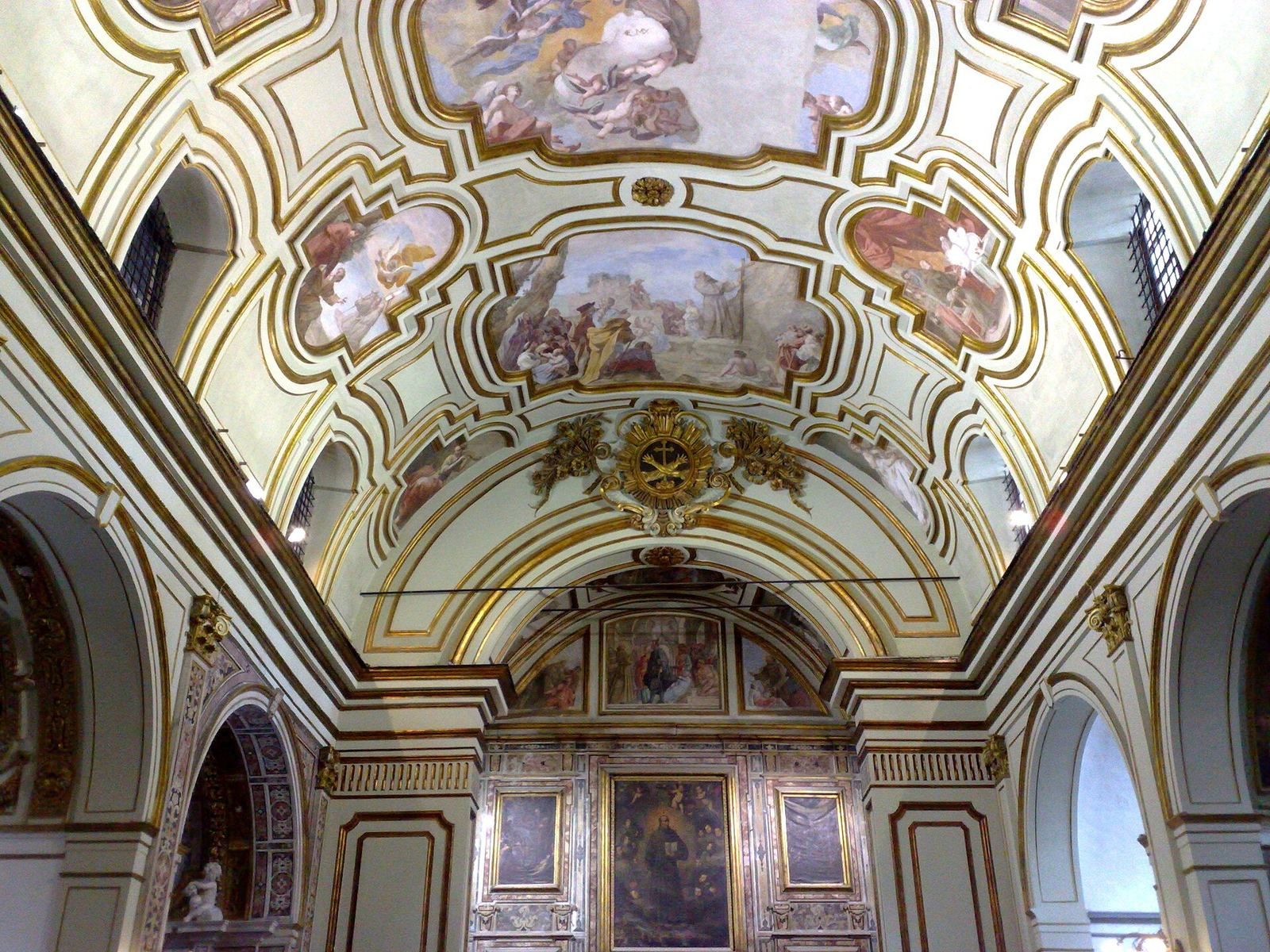
The chapel is the second chapel on the left side of Santa Maria la Nova’s nave, the main body of the church. Its interior has a single main space, or nave, with three chapels along each side. Ceramic tiles cover the floor.
Entrance and painted decoration
A seventeenth-century painting of Saint James by an unidentified artist hangs above the entrance gate. On the wall opposite the entrance, Paolo De Maio’s 1774 fresco shows Saints Anthony and Clare Adoring the Christ Child. The arched ceiling, or vault, bears Massimo Stanzione’s Saint James in Glory, scenes from the saint’s life, and figures of the Virtues in its corners.
Main altar
The marble main altar was made in 1626 at the request of chaplain Crisanto del Cilento. Its central painting, Francesco Glielmo’s 1626 depiction of Blessed James, is flanked by four works attributed to Giovanni Battista Benaschi: Blessed Bernardino of Feltre, Saint Catherine of Alexandria, Saint John of Capestrano, and Saint Peter of Alcántara. An urn for Saint James’s remains was placed at the foot of the altar.
Funerary monuments
Two urns beside the altar’s foot commemorate Francesco da Cordova, in 1690, and Carlo Austriade, in 1609. At the base of the large arch are the tombs of Odet de Foix and Pietro Navarro, captains of the French expedition that sought to reconquer the Kingdom of Naples in 1528. Annibale Caccavello made the tombs between 1550 and 1555.
Side chapels and sacristy
First chapel on the left
Under the patronage of the Gambardella family since 1658, this chapel is dedicated to the Ascension of Jesus. Its altar painting of Our Lady of Purity is attributed either to an unidentified sixteenth-century artist or to Francesco De Maria, and copies a work by Luis de Morales in the Basilica of San Paolo Maggiore. De Maria also painted the wall scenes Rest on the Flight into Egypt and Visitation. Giacinto de Popoli’s 1660 frescoes depict the Assumption, the Annunciation, and Joseph’s Dream. Giuseppe and Giovanni Gallo made the marble decorations.
Second chapel on the left
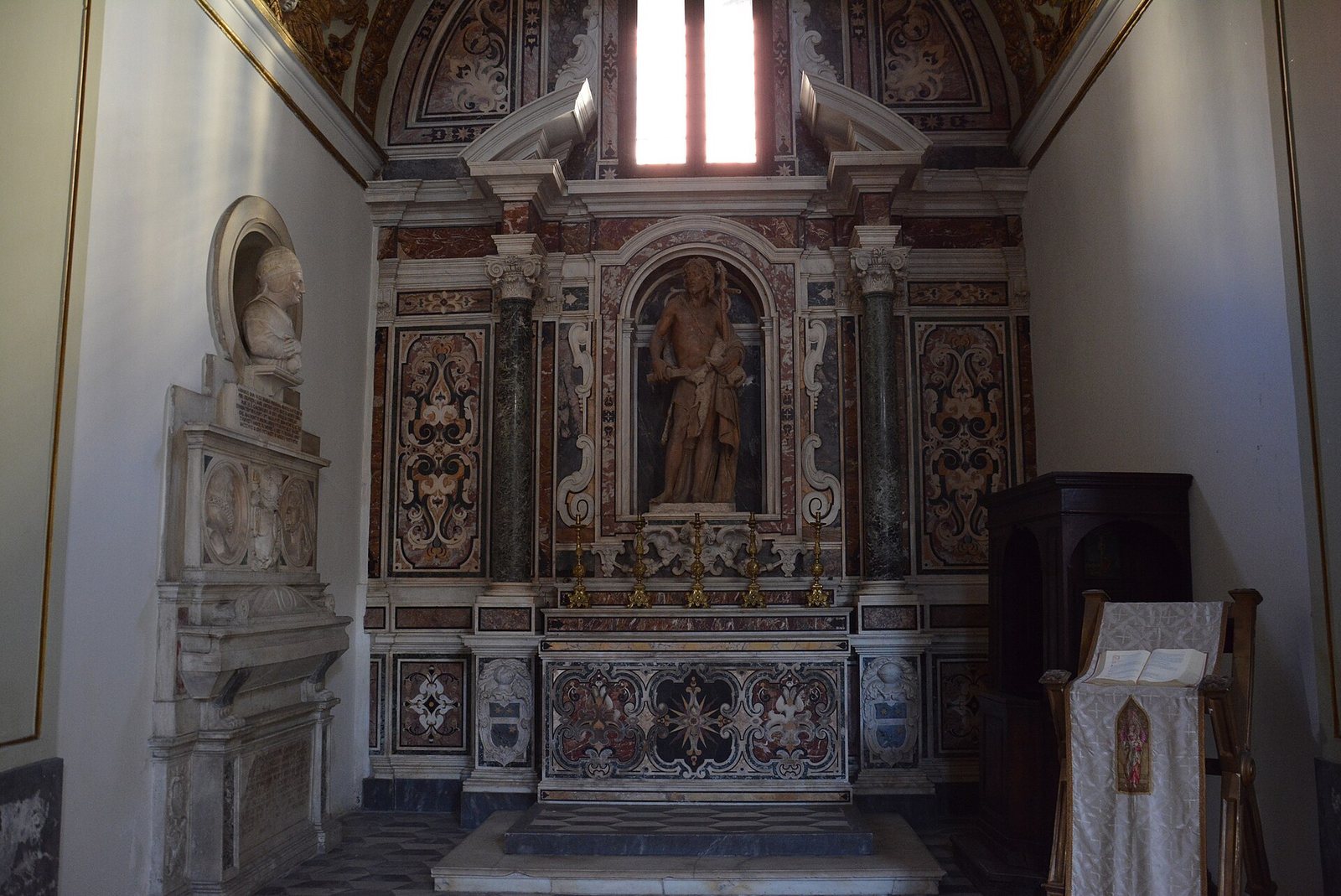
This chapel belongs to the Parisio family and is dedicated to John the Baptist. Pietro Bernini’s seventeenth-century statue of the saint stands on the altar, and a Prignano family tomb is set into the right wall. Luca Giordano’s frescoes show episodes from the Baptist’s life, including Beheading of the Baptist, which carries a spurious signature, Preaching of the Baptist, and Baptism of Christ. Andrea Malasoma made the marble decorations on commission from Giannantonio Parisio.
Third chapel on the left
Dedicated to Saint Didacus of Alcalá and under the patronage of the D’Aquino family, this chapel has statues of Saints Thomas and Andrew on its altar. Funerary monuments for members of the D’Aquino family, made by Ercole Ferrata between 1641 and 1646, flank the altar. Cosimo Fanzago created the other marble decorations. Beneath the arch, a 1646 fresco by Stanzione depicts stories from Saint Didacus’s life.
First chapel on the right
The De Rosa family holds the patronage of this chapel. Leandro Bassano’s Nativity is on the altar; Giovanni Balducci’s Birth of the Virgin hangs on the left wall, and an anonymous sixteenth-century Adoration of the Magi on the right. Giacinto de Popoli’s vault frescoes, made during the 1660 restoration, depict the Massacre of the Innocents, the Annunciation to the Shepherds, and the Flight into Egypt.
Second chapel on the right
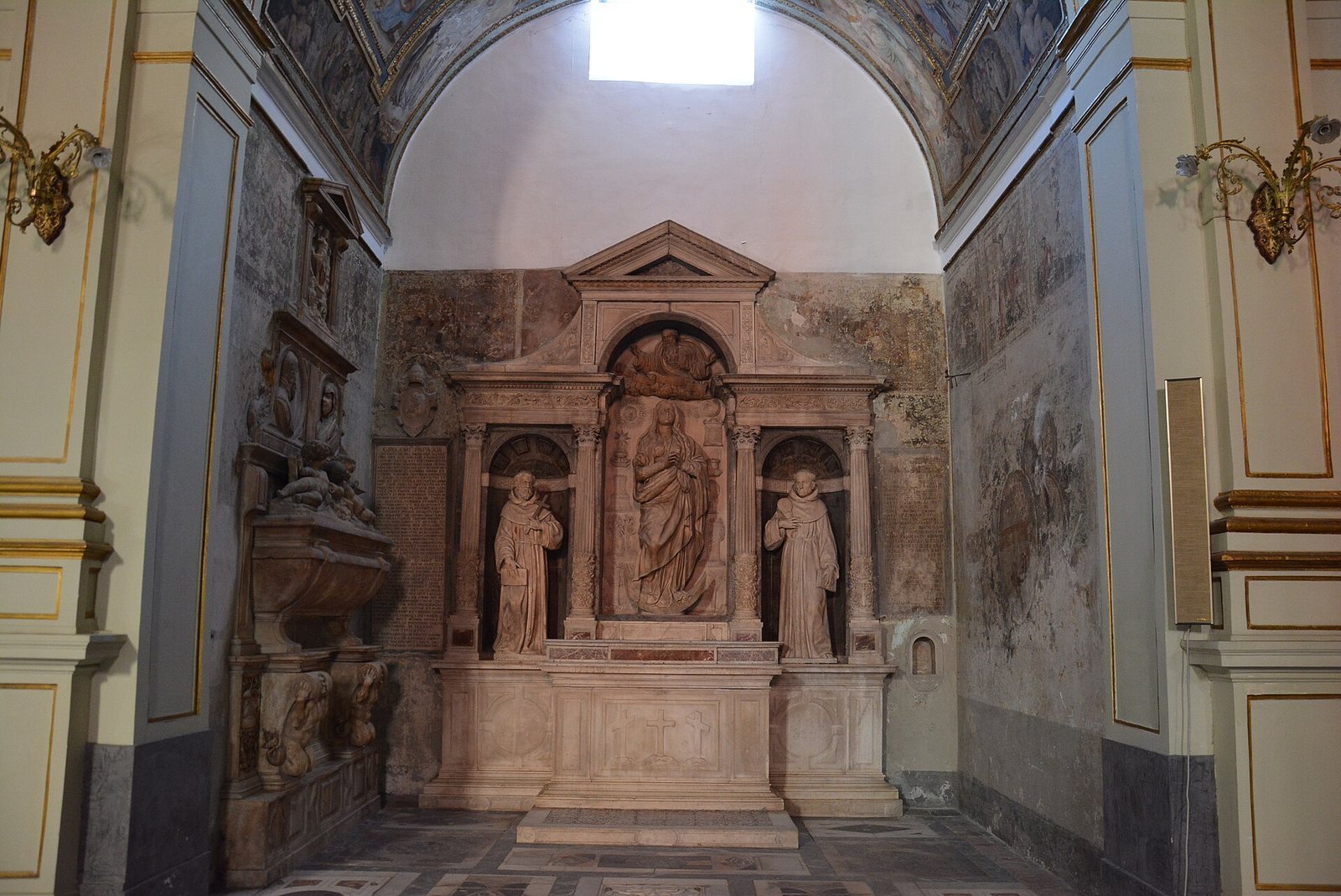
Belonging to the Turbolo family, this chapel contains a late-sixteenth-century marble group by Girolamo D’Auria showing the Immaculate Virgin between Saints Francis and Bernardino. It also holds the tomb of Bernardino Turbolo, who made the chapel, and a nearby tomb for his wife, Giovanna Rosa. Silvestro Buono painted scenes from the story of the Virgin on the vault.
Third chapel on the right
This small space serves as a sacristy. A wall painting shows Saint James with members of a confraternity, a lay religious association. Ceramic floor tiles made by the Giustiniani include mythological subjects.