Certosa di Maggiano: A Carthusian Monastery near Siena
Site at a Glance
- Popularity
- Medium
- Country
- Italy
- Primary era
- Medieval
- Eras represented
- Medieval, Early Modern
- Civilizations
- Grand Duchy of Tuscany, Republic of Siena
- Site type
- Religious
- Remains
- Monastery
On this page6 sections
History
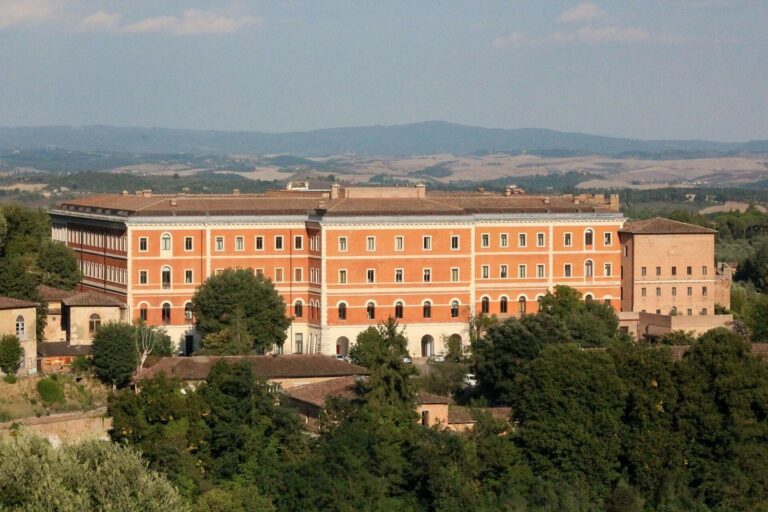
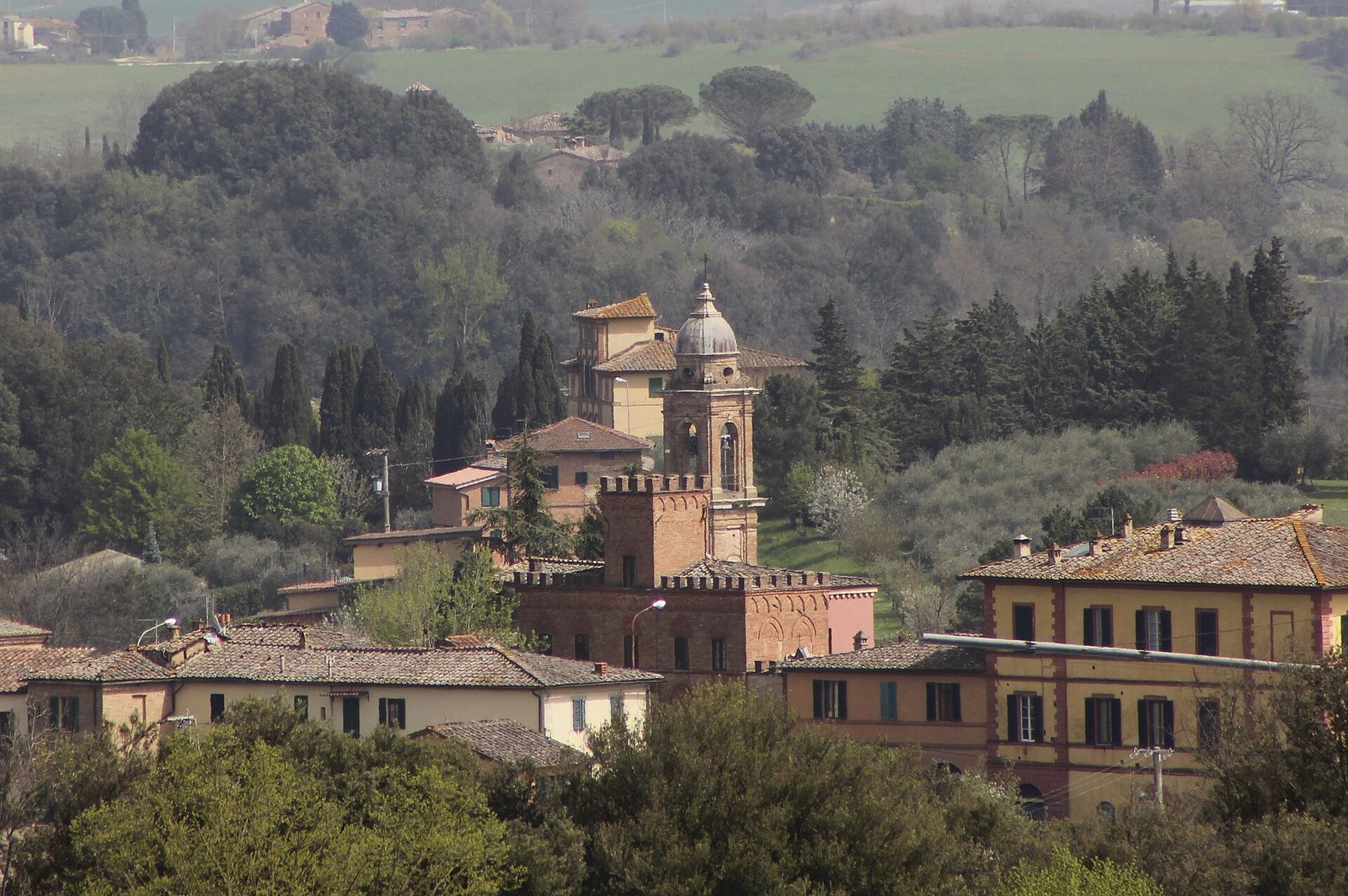
The Certosa di Maggiano, also called the Charterhouse of Saint Mary of Maggiano, is a former Carthusian monastery in Maggiano, southeast of Siena in Tuscany, Italy. Founded in 1314 by Cardinal Riccardo Petroni, it followed the Renaissance architectural style, part of a broad European period in art and architecture. The Carthusians are a Catholic order whose members combine solitary religious life with communal worship.
Foundation and monastic community
Petroni died in the year the monastery was founded. His cousin Bindo Petroni, an executor of his estate, a senior church official at Bologna Cathedral, and a papal notary, acquired land for the new house. Roger, the bishop of Casole, authorized its construction, which started in 1316. The monastery was consecrated in 1324, and Michel, then head of the Charterhouse of Trisulti, was appointed its prior, or monastic superior. The community came from Trisulti and belonged to the Carthusian province of Tuscany and the Diocese of Siena.
On 24 March 1324, Pope John XXII sent three letters concerning the foundation, two to Bindo and one to the bishop of Siena. One allowed Bindo to travel to Italy to attend to matters involving Petroni’s estate. Another asked the bishop to renew an indulgence that Pope Clement V had granted Petroni in January 1313 in connection with the founding of monasteries. Pietro Petroni, a monk from Siena later honored as a Blessed in Catholic tradition, entered Maggiano at the age of 17. After moving to the charterhouse at Parma in 1333, he had already helped make Maggiano a notable spiritual center.
Conflict, suppression and reuse
During the 1554 siege of Siena, fought amid conflict between Charles V, Holy Roman Emperor and king of Spain, and Henry II, king of France, the monastery suffered severe damage and was partly burned.
In the 1780s, Grand Duke Leopold of Tuscany suppressed the monastery and arranged for its property to be sold separately from the church. The church became a parish church dedicated to Saint Nicholas.
While in private ownership, the former monastery underwent a comprehensive restoration directed by Renzo Mongiardino in 1969. It was converted into a luxury hotel in the late 1970s.
Remains
Monastic complex
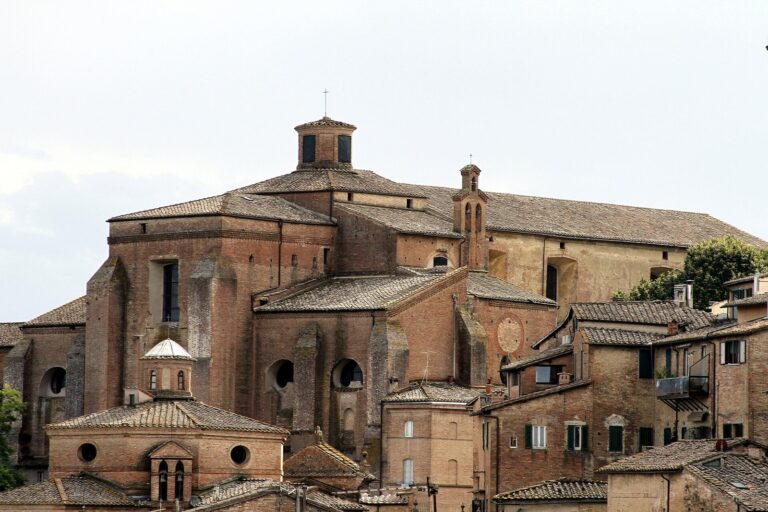
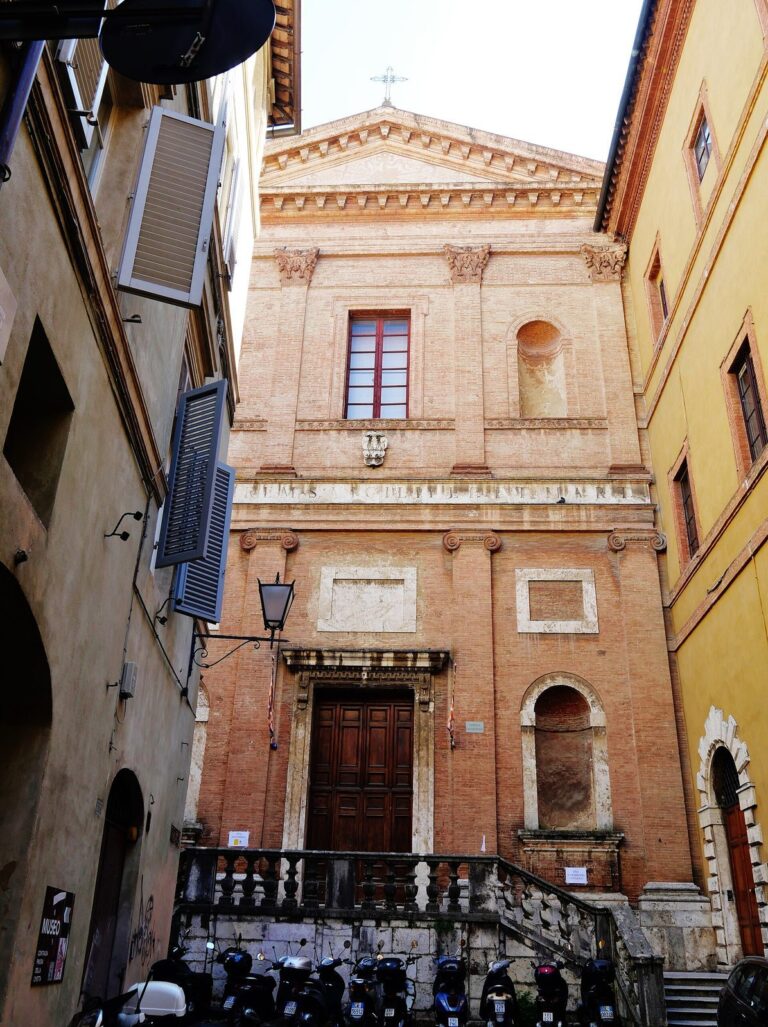
The Renaissance-style complex comprised a church and seventeen cells for the monks. In the 1780s, Leopold decided that the cells should be demolished as part of the monastery’s suppression.
Church furnishings and decoration
Antonio di Neri Barili, an architect and wood sculptor, made choir stalls for the charterhouse. In 1594–95, painter Bartolomeo Cesi decorated the church dome and produced an altarpiece depicting the Assumption of the Virgin, the Christian belief that Mary was taken into heaven at the end of her earthly life. Made for the church altar, Cesi’s painting is now in Siena Cathedral.