Castle Wasseralfingen: A Palace and Former Administrative Seat
Site at a Glance
- Popularity
- Low
- Country
- Germany
- Primary era
- Early Modern
- Eras represented
- Early Modern
- Civilizations
- Holy Roman Empire
- Site type
- Civic
- Remains
- Palace
On this page5 sections
History
Manor and divided inheritance
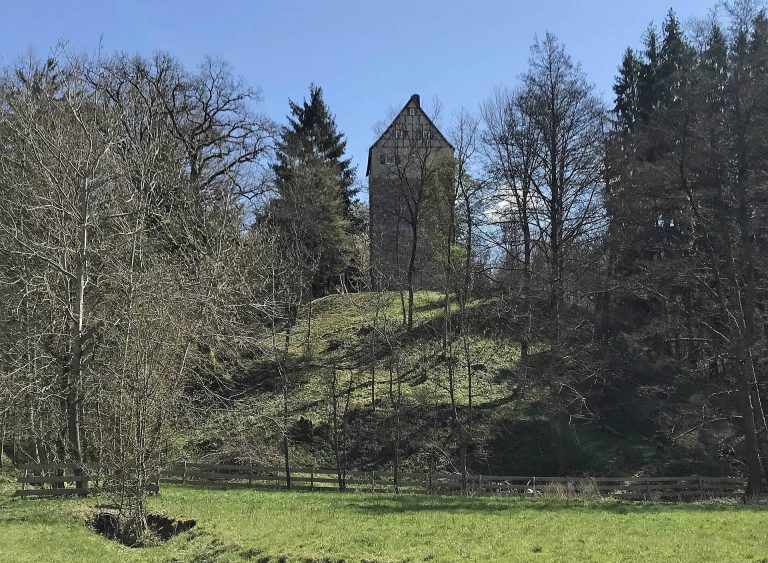
Castle Wasseralfingen is a preserved palace in Aalen, Germany. A manor stood here by 1337, when Counts Ludwig and Friedrich of Oettingen, members of a Swabian noble house, authorized the minor nobleman Ulrich von Ahelfingen to build a moated castle.
After the Wasseralfingen branch of the Ahelfingen family ended in the male line, its property was divided in 1382. Ulrich von Horn received the rear portion of the settlement and manor, while Ulrich Hack took the front. The von Horn family kept its share, but the front portion passed through several hands. In 1479, the Ahelfingen family’s Hohenalfingen branch regained the castle.
Ellwangen rule and the palace
Wolfgang von Ahelfingen, the family’s last male heir, died in 1545, and the castle then passed to Ellwangen Abbey, a monastery with territorial and administrative authority. The abbey joined its holdings at Oberalfingen and Wasseralfingen into an administrative district, with its chief official based at the castle.
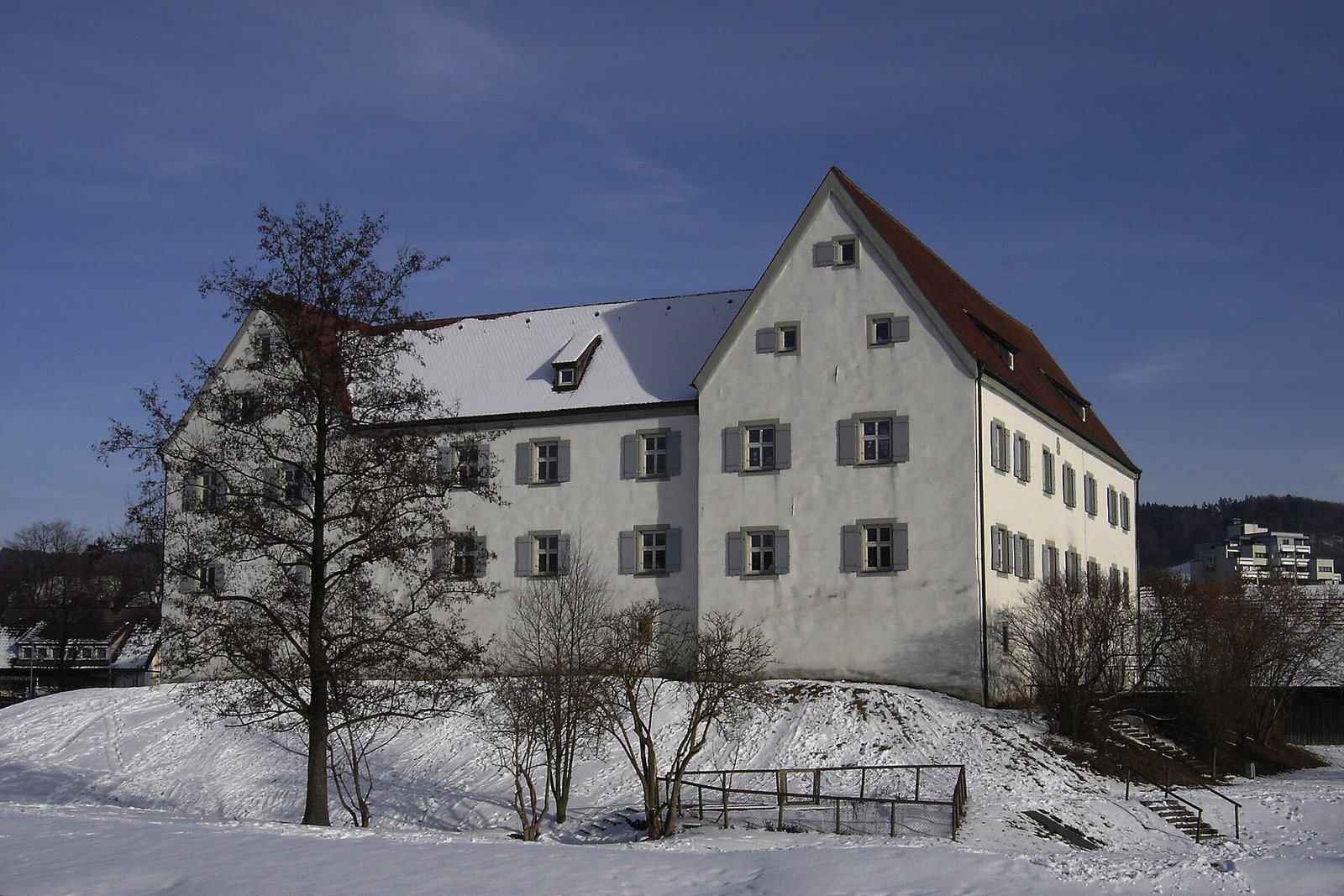
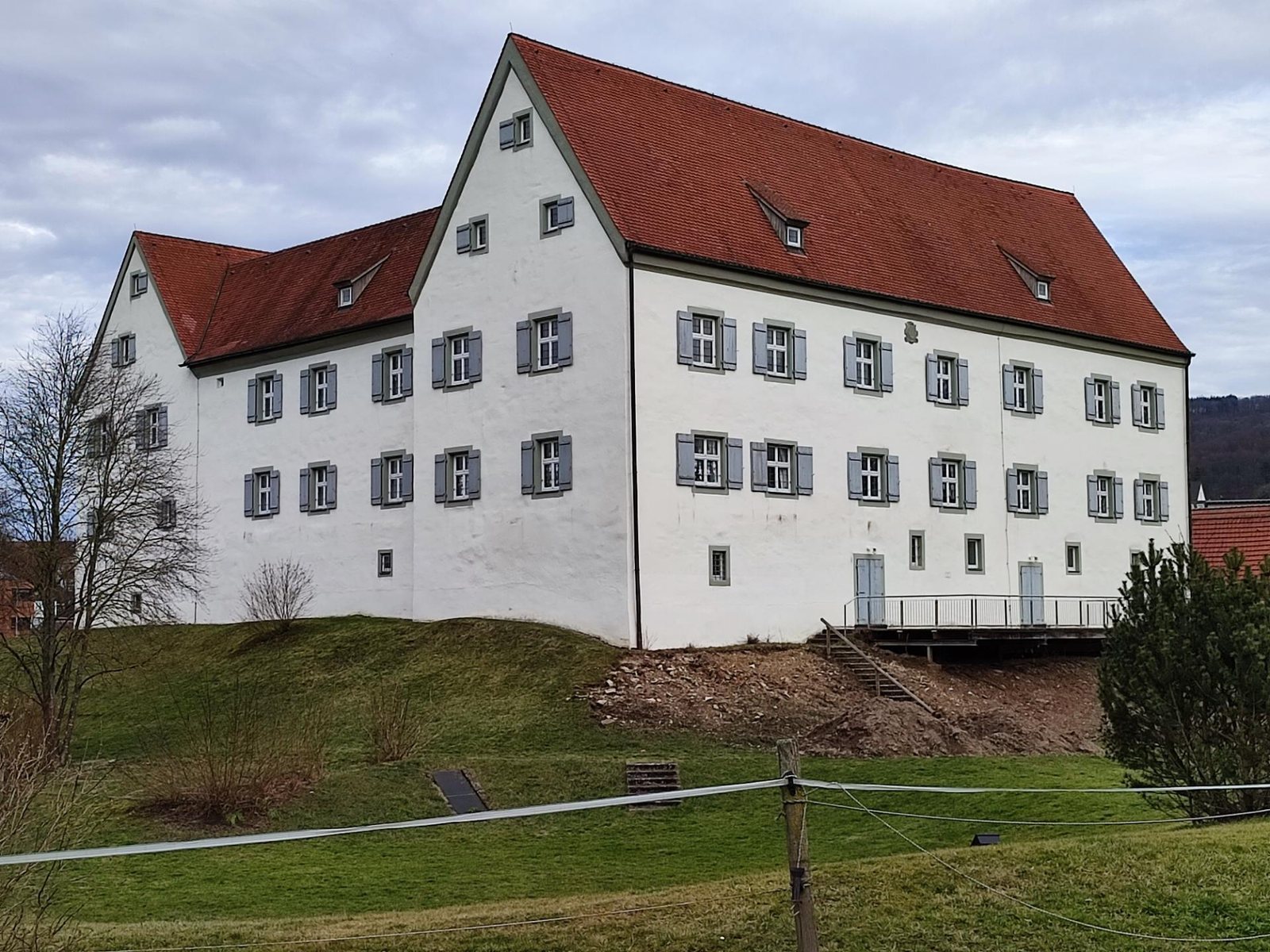
In 1590, the abbey demolished the earlier castle and began replacing it with the present palace, completed by 1593. The building was remodeled in 1729.
Württemberg and later uses
The Final Recess of the Imperial Deputation, a settlement that transferred ecclesiastical lands to secular rulers, brought Ellwangen’s territories under Württemberg, a historic state in southwestern Germany. The palace briefly housed Württemberg’s chief official for Aalen and later served as the seat of a chief forester.
In 1817, rooms in the palace were turned into dwellings because of its proximity to the Wasseralfingen ironworks. Since 1992, the building has housed a school for students with speech disabilities.
Remains
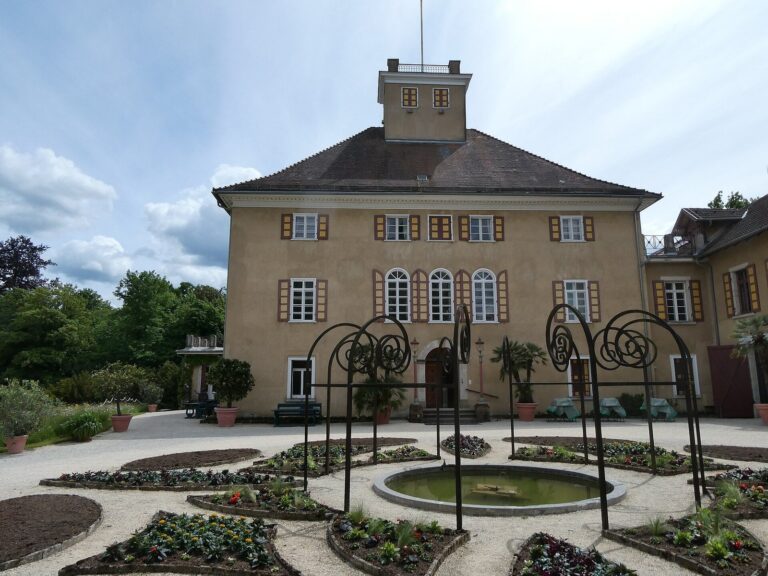
The preserved palace has four wings arranged around an inner courtyard. It replaced a fourteenth-century lowland moated castle and was built between 1590 and 1593.