Castle of Lamia: A Historic Hilltop Fortress in Greece
Site at a Glance
- Rating
- 4.5
- Popularity
- Low
- Country
- Greece
- Primary era
- Medieval
- Eras represented
- Medieval
- Civilizations
- Crusader
- Site type
- Military
- Remains
- Castle
On this page6 sections
History
The Castle of Lamia is a fortified site in Greece, above the city of Lamia, occupying the hill of the ancient acropolis. Its history extends from the fifth century BC through the Second World War. The medieval castle was erected by the Franks after the Fourth Crusade, with its construction dated to the beginning of the fourteenth century.
Ancient and Macedonian Lamia
The fortification stands on a hill that served as Lamia’s ancient acropolis. From the mid-fourth century BC, Lamia came under the rule of Ancient Macedonia, the kingdom that became the leading power in the Greek world during that century. This change was associated with the Lamian War, a Greek revolt against Macedonian supremacy after the death of Alexander the Great.
Frankish and Byzantine Successions
The site appears in historical records under the name Zeitouni in 869–870. After the capture of Constantinople in 1204 during the Fourth Crusade, western European crusaders and their successors established Frankish rule in parts of Greece. Zeitouni passed to the Franks, who created the Barony of Zetounion around the fortress. A letter written by Pope Innocent III in the early thirteenth century provides the first explicit reference to the site as a castle.
In 1218, forces of the Despotate of Epirus occupied Zeitouni. This Byzantine Greek successor state emerged after the fragmentation of the Byzantine Empire in the early thirteenth century. The occupation was led by Constantine Komnenos Doukas, Duke of Nafpaktos and brother of the Epirote ruler Theodore I Komnenos Doukas.
From 1264, Zeitouni formed part of semi-independent Thessaly, also known as Great Vlachia, under John I Doukas, who resided at Ypati, or New Patras. In 1275, Byzantine Emperor Michael VIII Palaiologos besieged John at Thebes in an attempt to bring him under Byzantine control. John escaped and appealed to Jean de La Roche, Duke of Athens. With Cuman and Turcopole forces, the duke drove back the Byzantine army. The Cumans were a Turkic steppe people who supplied military forces in medieval eastern Europe, while Turcopoles served as military auxiliaries of mixed or converted Byzantine and Turkic background. In gratitude, John granted Zeitouni as a dowry to his future Frankish son-in-law.
Catalan and Ottoman Rule
From 1275, the fortress belonged to the Duchy of Athens, a western European-ruled state in central Greece. After the Catalan Company conquered the duchy following the Battle of Cephissus, also called Almyros, in 1311, Zeitouni remained within the duchy under Catalan control. The Catalan Company was a mercenary force that established authority over the Duchy of Athens after the battle.
The fortress became Ottoman in 1446. Unlike the other Frankish and Catalan castles, it retained regional importance under Ottoman rule, together with Trikala Castle, because of its role in controlling the surrounding area. The Castle of Lamia is designated in Greece as a cultural-historical monument of national importance and an archaeological site.
Remains
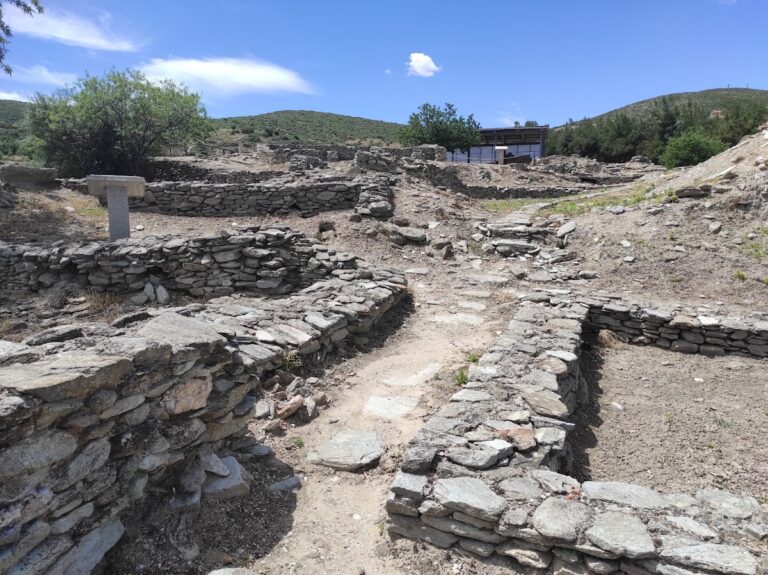
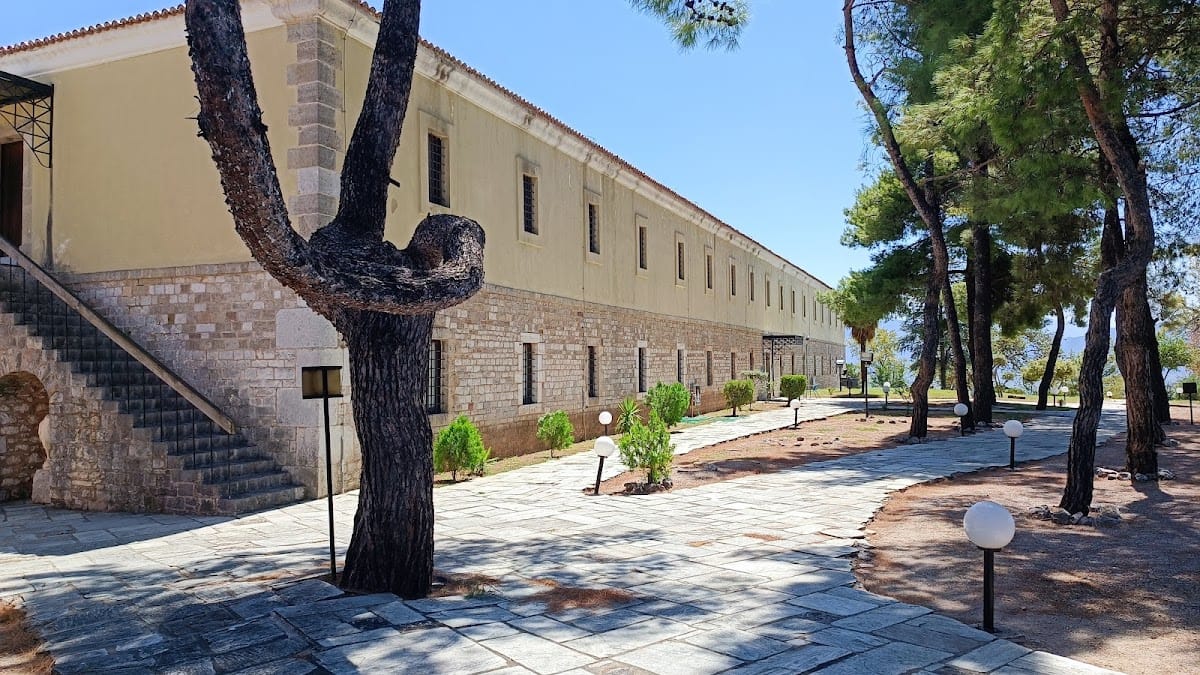
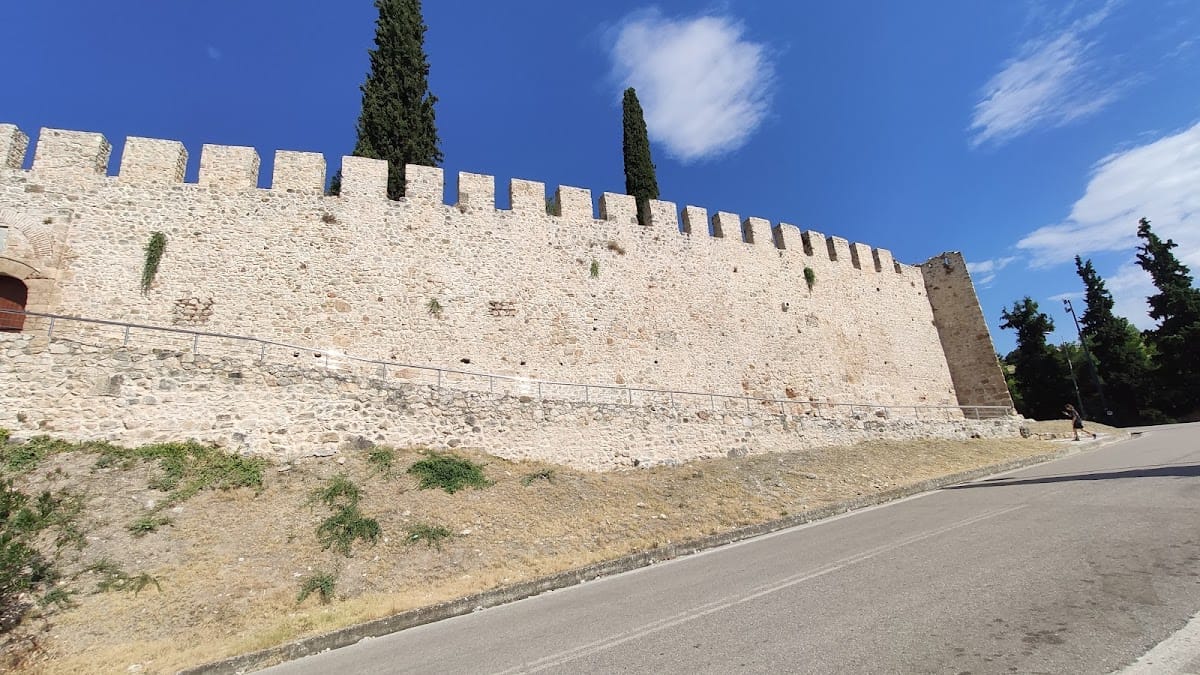
Hilltop Fortress
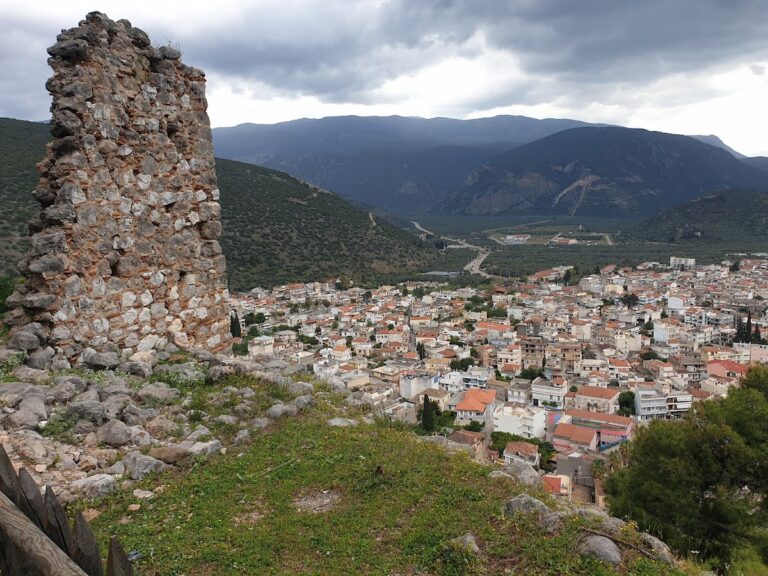
The castle occupies a rocky hill above Lamia, on the same elevated ground as the ancient acropolis. Its preserved fortifications retain the position that made the site useful across successive periods. During the medieval period, the fortress guarded the approach to Frankish-controlled Medieval Greece, while the associated fortress of Bodonitsa guarded the approach to Thermopylae.
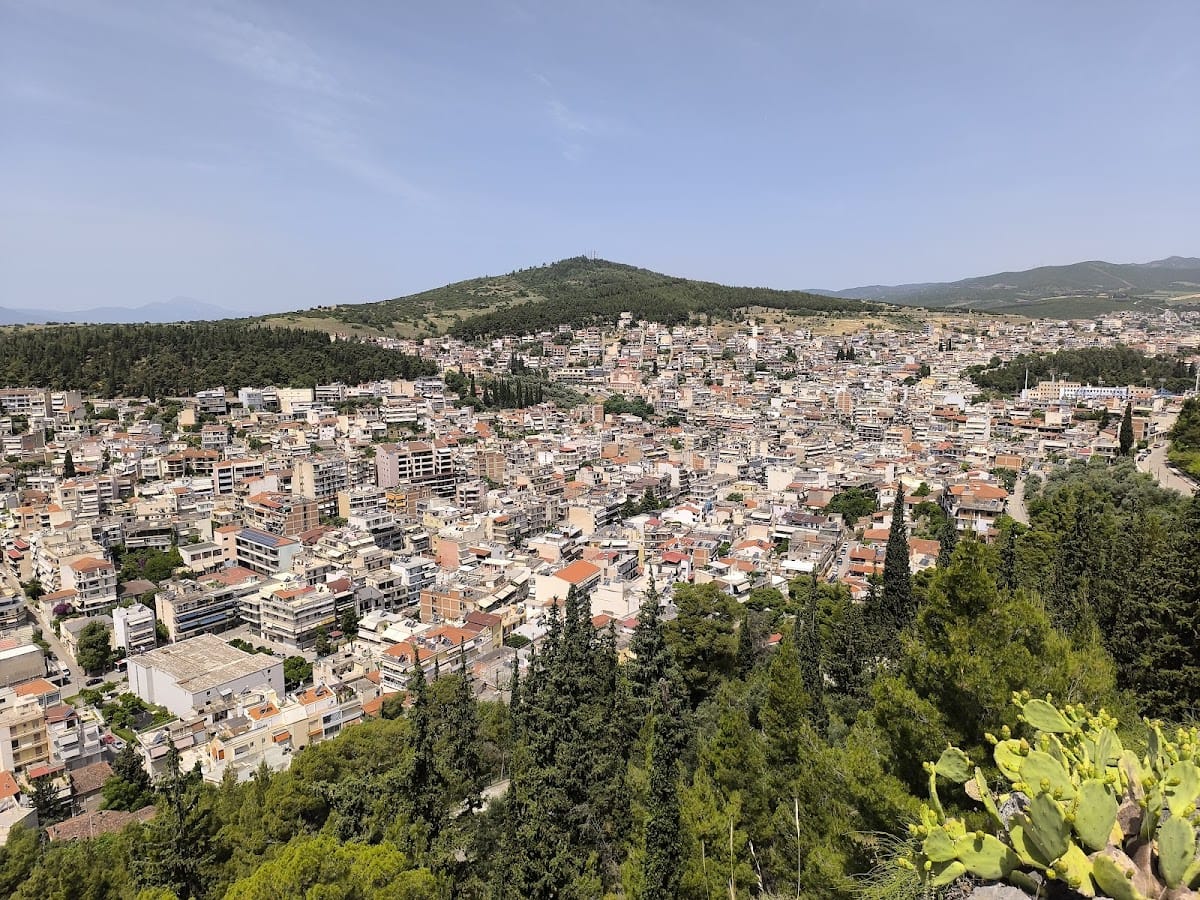
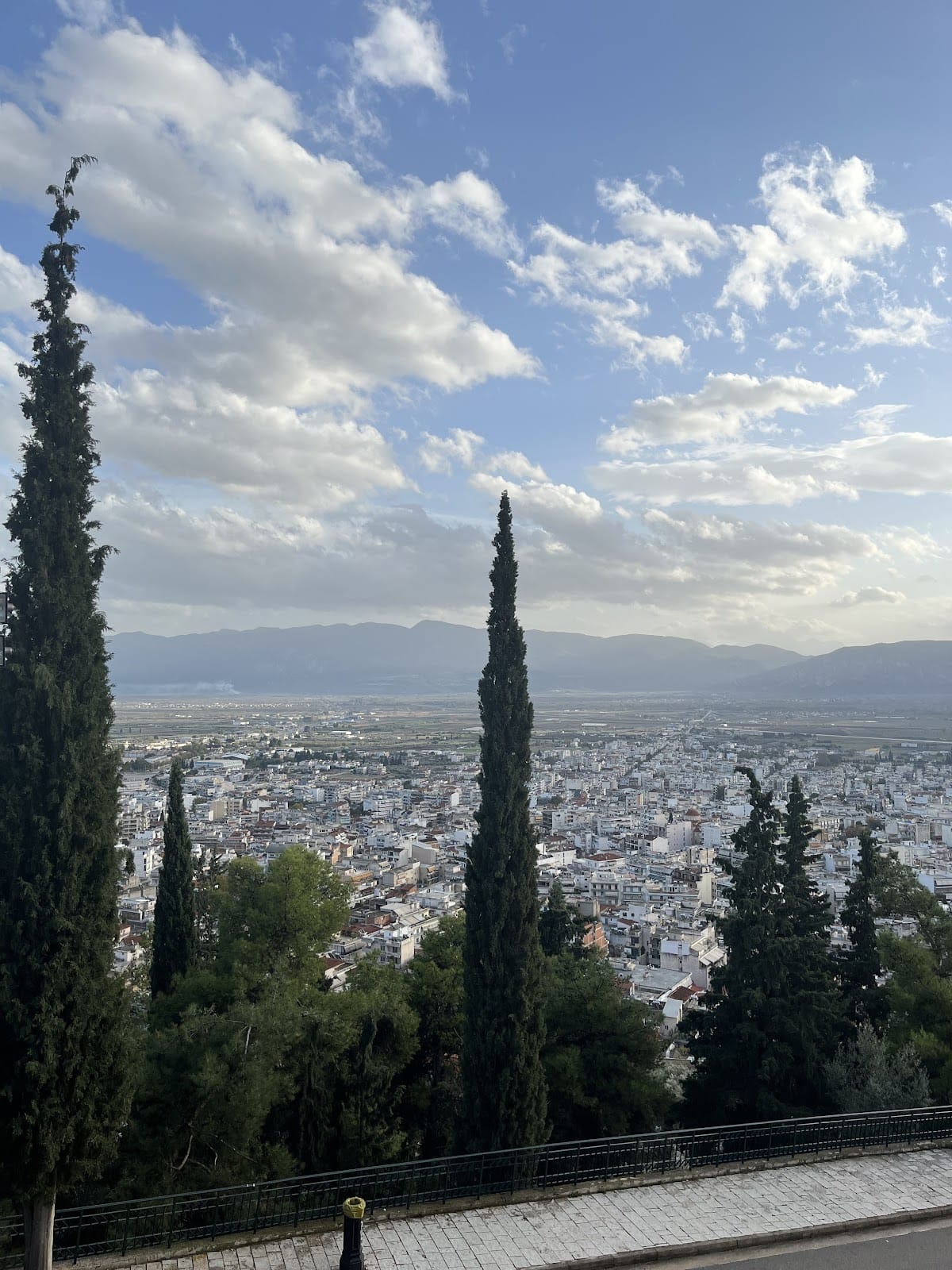
The elevated position gives the fortress views across the surrounding landscape, including Ravenika, the peaks of Mount Oeta, Mount Kallidromo, Mount Othrys, Mount Parnassus, and Mount Giona, as well as the Maliakos Gulf. The surviving hilltop setting brings together the ancient acropolis and the medieval fortification erected there by the Franks.
Nearby sites