Castle of Fermoselle: A Fortress of Zamora, Spain

Site at a Glance
- Rating
- 4.2
- Popularity
- Low
- Country
- Spain
- Primary era
- Medieval
- Eras represented
- Medieval, Early Modern
- Civilizations
- Crown of Castile, Kingdom of León
- Site type
- Military
- Remains
- Castle
On this page5 sections
History
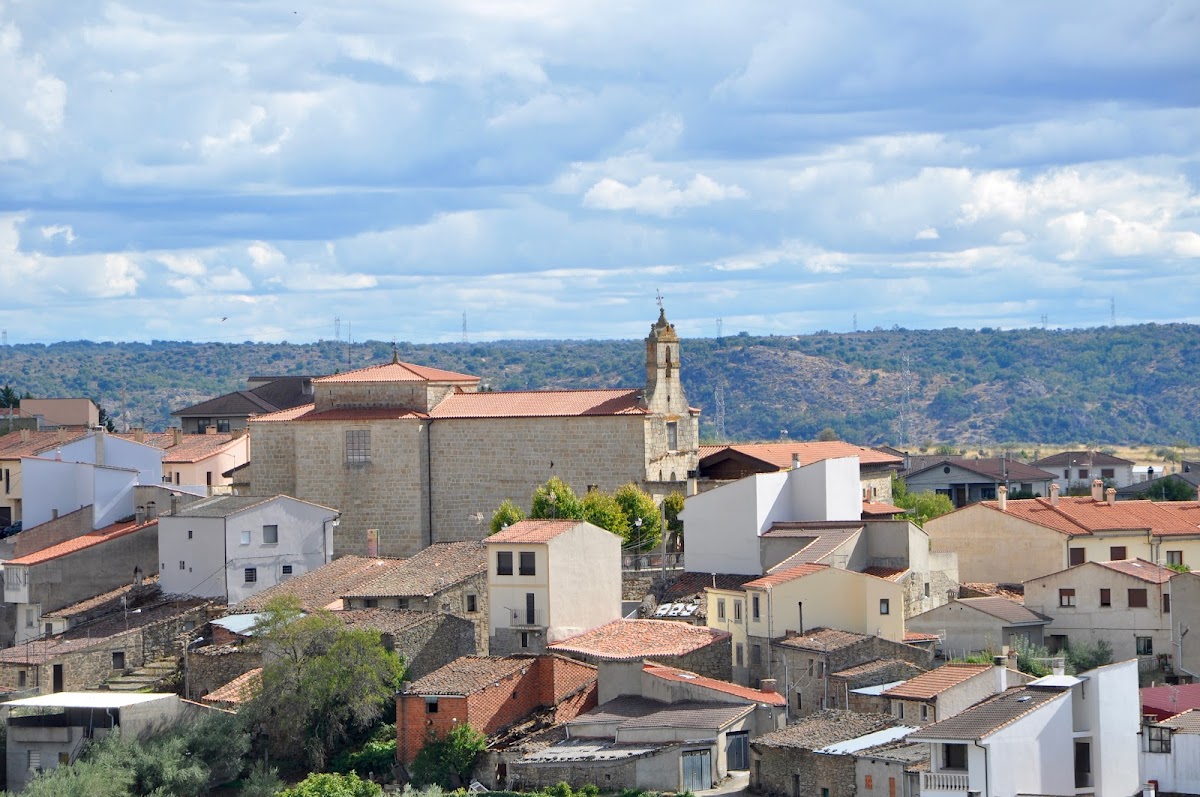
Castle of Fermoselle is a fortress in Fermoselle, Spain, whose construction is assigned to the thirteenth, fourteenth, and sixteenth centuries. It may have replaced an earlier fortified settlement, or castro, a defended community associated with pre-Roman or Roman-period societies in the Iberian Peninsula. Built on cliffs above Fermoselle, a walled settlement, the castle formed part of the town’s defensive system.
Medieval Origins and Ecclesiastical Control
By the early thirteenth century, the fortress belonged to the Diocese of Zamora, the territorial jurisdiction governed by a Christian bishop. Before that transfer, it had belonged to Urraca, wife and queen consort of Ferdinand II, the twelfth-century king of León. Urraca used the fortress as a place of retreat, giving it a role beyond its military purpose.
The War of the Communities
Another prominent resident was Antonio de Acuña, known as Bishop Acuña, a Spanish bishop active in the Comuneros revolt. The War of the Communities was a sixteenth-century uprising in Castile. At its beginning, Acuña fortified himself in the castle and imprisoned Fermoselle’s mayor, Ronquillo, in its dungeons.
During the sixteenth century, the castle served as a stronghold in the conflict and as a defensive bastion facing neighboring Portugal. Portuguese troops captured it in 1654 during the Portuguese Restoration War, the conflict in which Portugal broke away from the Spanish monarchy and restored its independence.
Repairs, Decline, and Protection
The fortress appears to have received several repairs in the eighteenth century, carried out by an engineer. Later deterioration, together with unsuitable construction on and around the castle site, reduced the surviving fabric. The remains now have generic legal protection under Spain’s 1949 decree on the protection of Spanish castles and are classified as an Asset of Cultural Interest with monument status, a formal category of protected Spanish cultural heritage.
Remains
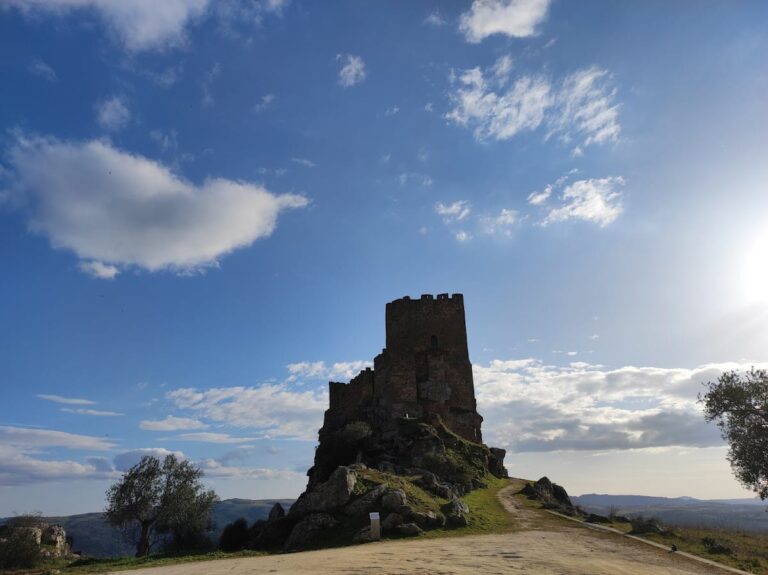
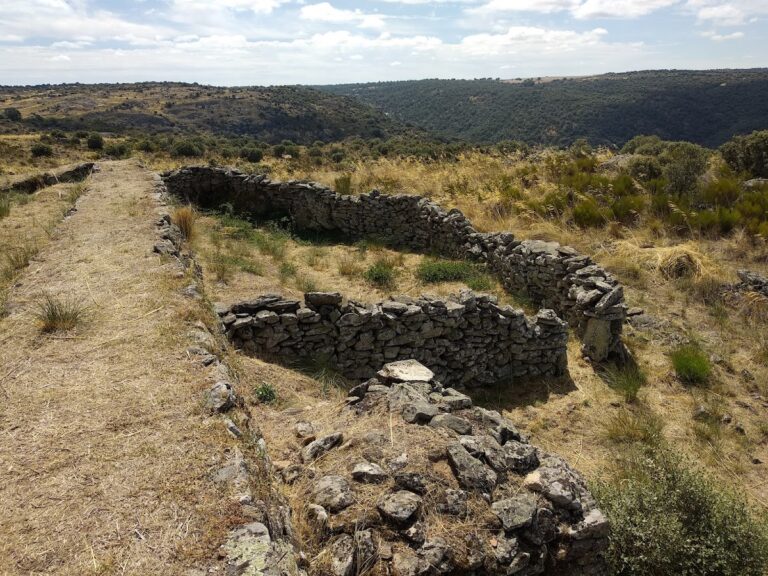
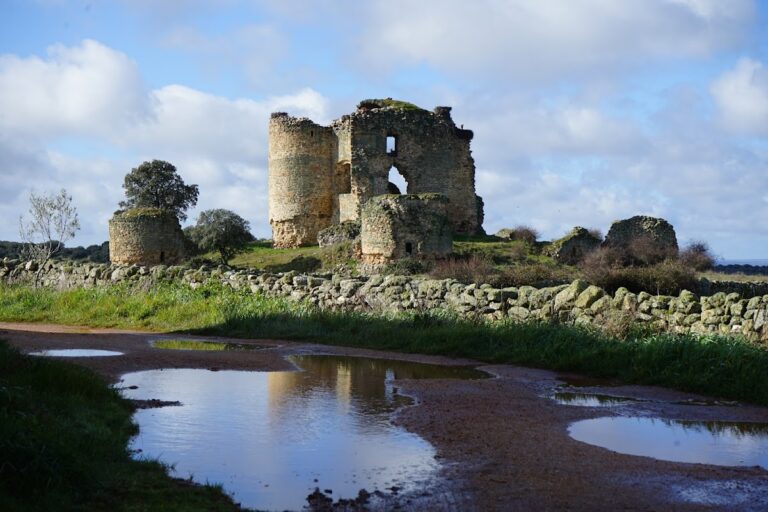
The surviving fortress occupies imposing cliffs in Fermoselle’s historic center, a position that aided the defense of the walled settlement. Its physical remains consist of small sections of the southern curtain wall, a defensive wall connecting fortified towers or other strong points. These fragments survive in a deteriorating, ruinous condition and preserve part of the castle’s former defensive perimeter.
Beside the surviving wall sections stands the remnant of the Villar Gate, also known simply as the Arch. Its pointed arch remains preserved, providing a recognizable element of the former entrance and a direct connection between the castle’s defensive wall and access to the fortress.
Nearby sites