Castle Bezdružice: A Medieval Castle and Chateau in Czechia
Site at a Glance
- Rating
- 4.5
- Popularity
- Very Low
- Country
- Czechia
- Primary era
- Early Modern
- Eras represented
- Medieval, Early Modern
- Civilizations
- Holy Roman Empire, Kingdom of Bohemia
- Site type
- Domestic
- Remains
- Castle
On this page10 sections
History
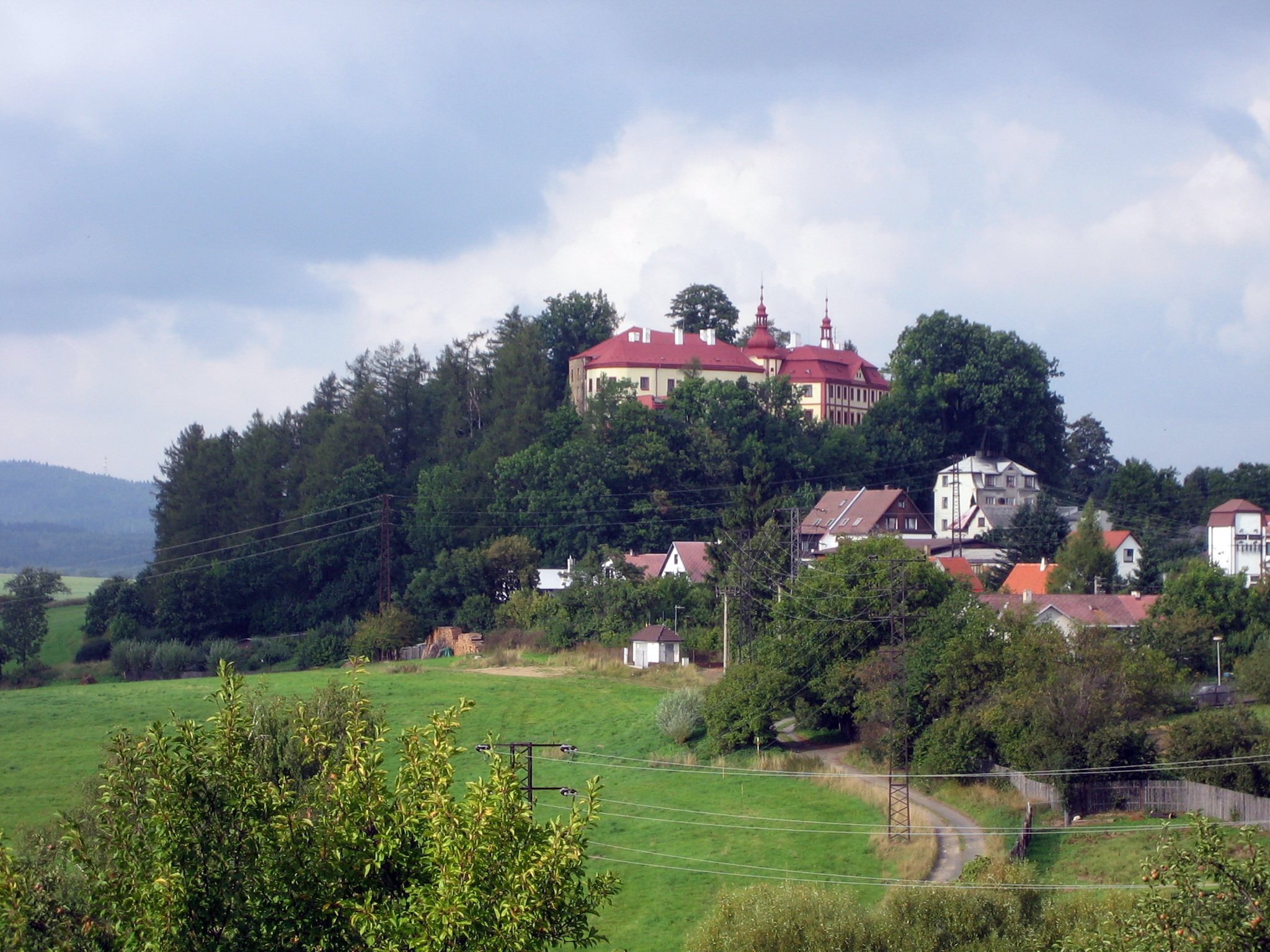
Castle Bezdružice is a medieval castle later converted into a chateau in Bezdružice, Czechia. Its construction date is uncertain, but it probably stood by 1330, when Vyšemír of Bezdružice sold two plots of land to the Teplá monastery, a Premonstratensian religious foundation in western Bohemia. The village itself is first recorded in 1227. Repeated rebuilding, especially the Classicist campaign of 1772 to 1776, shaped the complex that survives today.
Medieval lords and the Kolowrat family
During the 1360s and 1370s, Bezdružice belonged to Bušek of Bezdružice, who is regarded as an ancestor of the Harant family of Polžice and Bezdružice. In 1390, Purkart of Kolowrat acquired the castle and established the Bezdružice branch of the Kolowrat family, a major Bohemian noble lineage with several territorial branches.
Purkart’s sons, Purkart and Jan, fought for the Pilsen provincial peace league during the Hussite Wars. These fifteenth-century religious and political conflicts in Bohemia were associated with the followers of Jan Hus. A provincial peace league was a regional alliance of nobles and towns formed to maintain peace and provide mutual defence. After 1426, Purkart’s son Jan held Bezdružice, while his brother Albrecht founded Nový Hrad near Louny.
Jan Bezdružický of Kolowrat became a prominent nobleman. He took part in the 1447 embassy to Frederick III, the Habsburg king of the Romans who later became Holy Roman Emperor, participated in provincial assemblies, and served as an assessor of the provincial court. In this judicial role, he took part in the court’s proceedings. King Ladislaus the Posthumous granted him escheat rights over Bezdružice, meaning the right to receive property that reverted to the ruler when an owner died without a legally recognized heir. In 1454, King George of Poděbrady elevated Bezdružice to a market town.
Inheritance and Renaissance rebuilding
Jan had five sons, and Bezdružice passed to his devoutly Catholic son Jiří. In 1528, the estate went to Jiří’s widow, Eliška of Fictum. It subsequently passed to Jetřich, the son of Jiří’s brother Jan, who had been killed at the Battle of Mohács. Jetřich sold Bezdružice in 1540 to Hanuš Elpognar of Dolní Šenfeld for 6,300 kop of Bohemian groschen. A kop was a historical Bohemian unit of account equal to sixty groschen.
After Hanuš’s sons Jiří and Kašpar died before 1569, guardians sold the indebted estate to Jáchym of Švamberk. Through this transaction, the estates of Bezdružice, Švamberk, and Gutštejn were united. The castle was repeatedly altered during these centuries, and Renaissance work formed part of the complex’s later architectural fabric.
War, revolt, and changing ownership
During the Thirty Years’ War, Swedish troops plundered Bezdružice and its castle. In 1680, a major peasant revolt broke out on the Bezdružice estate. The rebels entered the castle, which was then occupied only by officials, but were later defeated by troops at the Battle of Ovčí vrch near Krasíkov.
Jan Bedřich of Švamberk died without children in 1659. The estate was then acquired by Count Jan Kryštof of Heissenstein. His three daughters inherited his property, and Bezdružice went to Marie Kateřina of Heissenstein, who sold it to Jiří Jindřich Stadion.
Princess M. Gertruda Berlepschová purchased Bezdružice from Stadion in 1707. Her husband’s debts prevented the family from retaining the estate, and creditors sold it in 1712 to Prince Maxmilián Karel of Löwenstein. The Löwenstein family kept Bezdružice until 1945.
Chateau conversion and modern uses
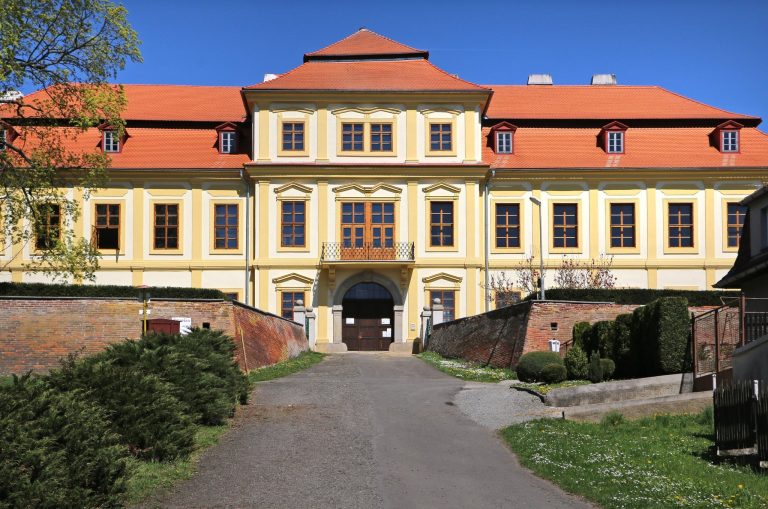
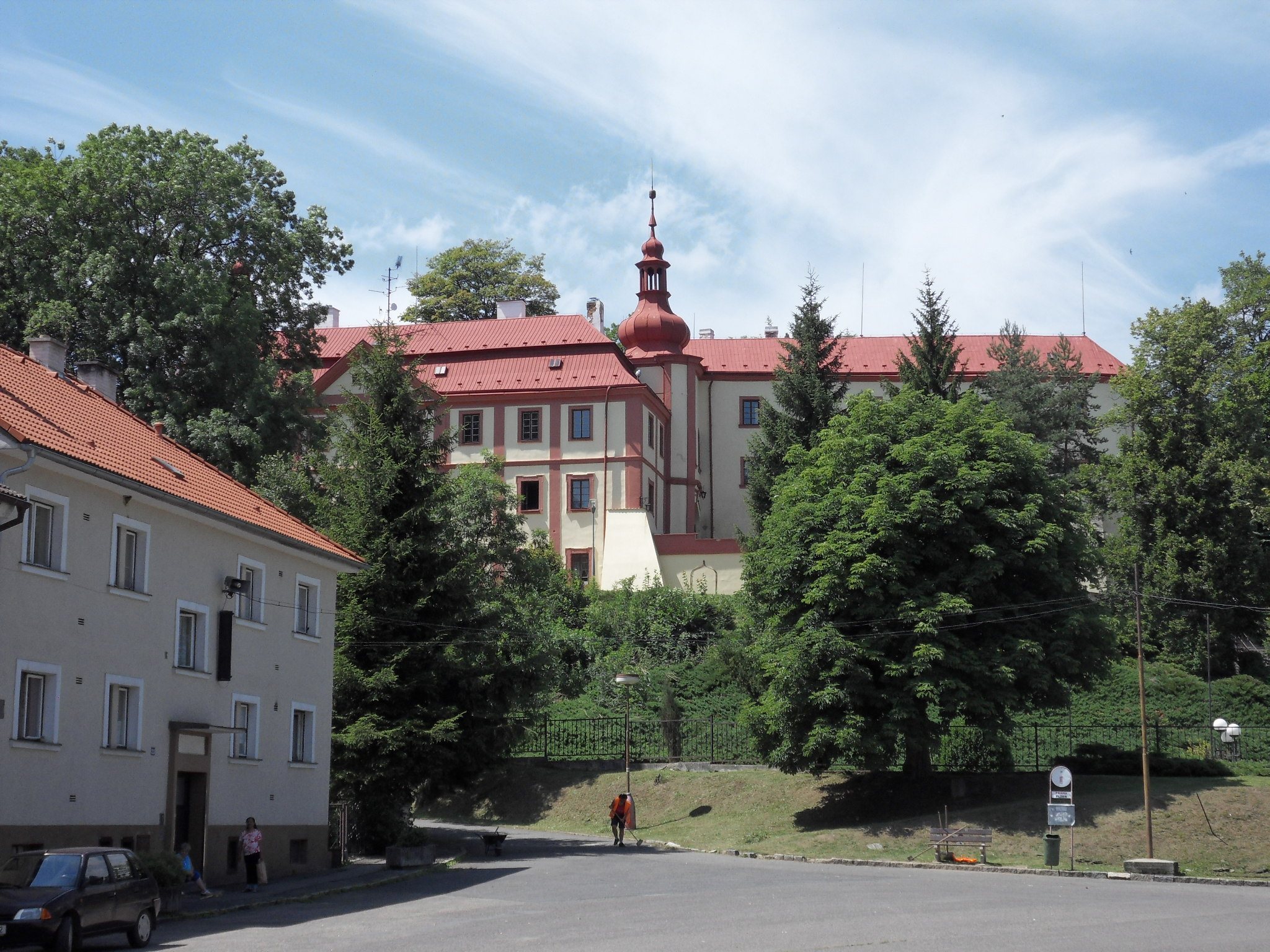
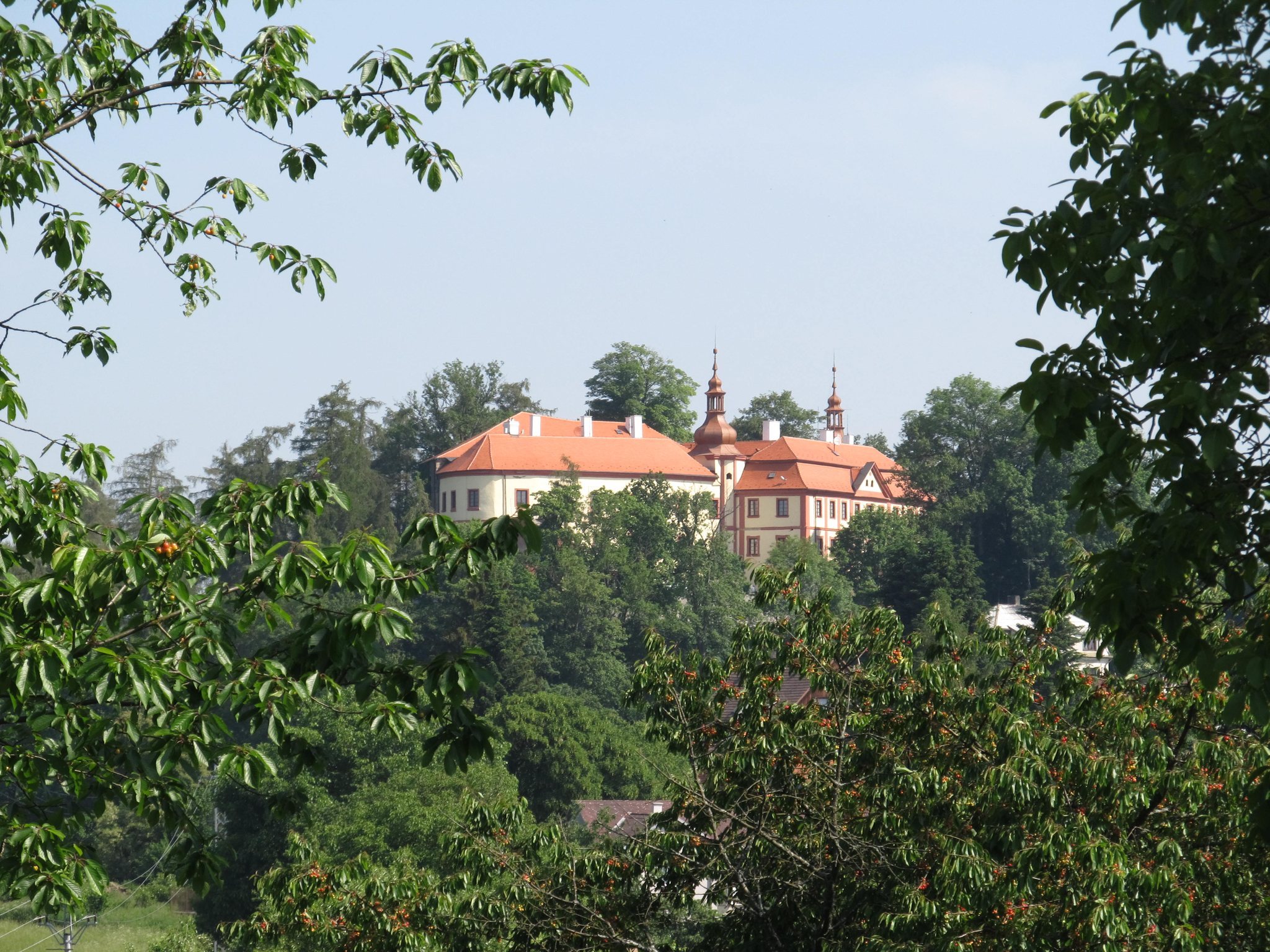
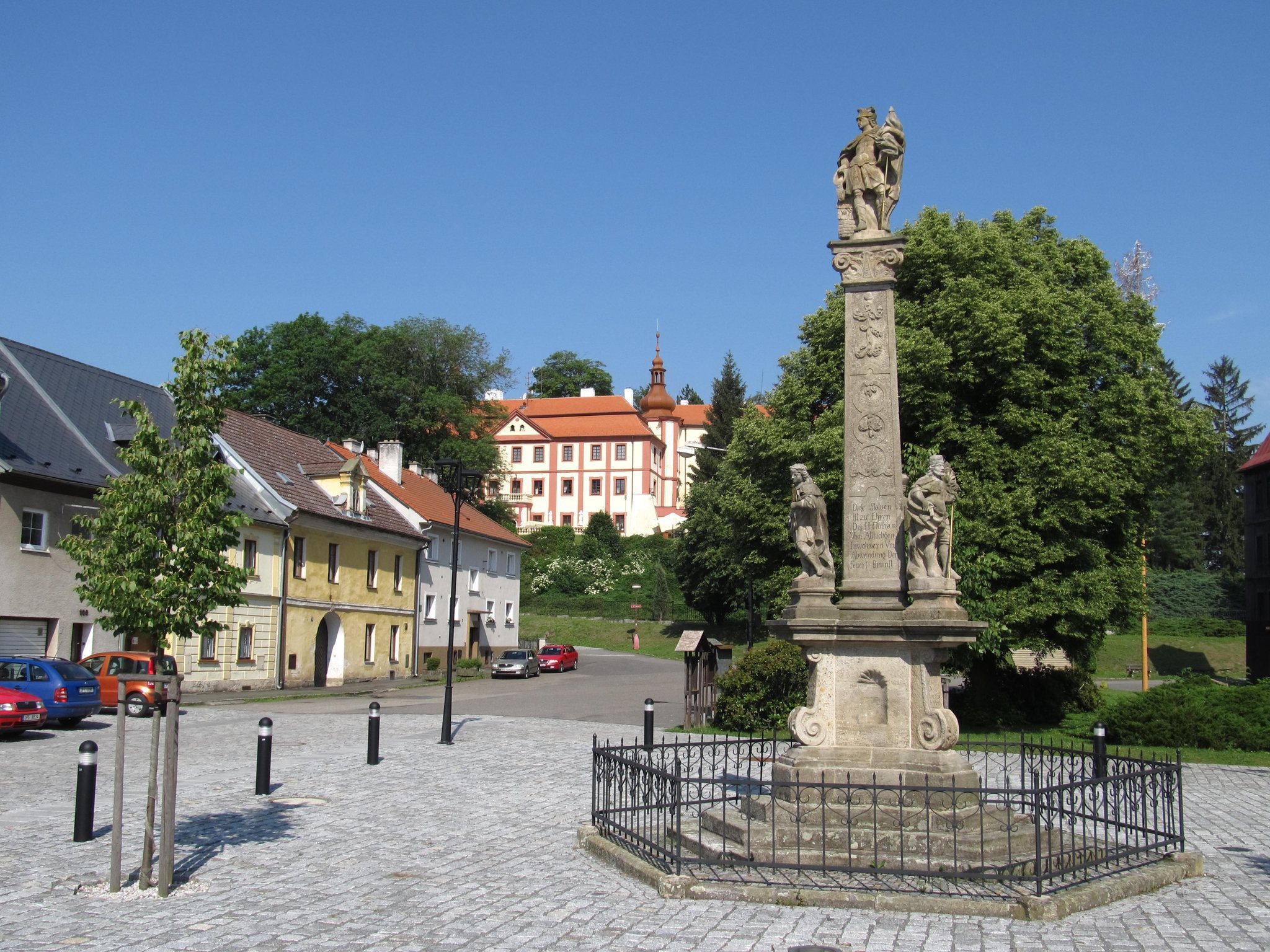
A description from 1711 refers to two new Baroque buildings containing a large hall and twenty additional rooms. In 1772, a major rebuilding campaign began. Continuing until 1776, it altered the earlier Renaissance arcades, added a building along the southeast side of the first courtyard, and created the entrance-gate tower. This late eighteenth-century Classicist rebuilding largely determined the complex’s present appearance, although Gothic, Renaissance, and Baroque elements also survive.
In 1848, Prince Karel Tomáš of Löwenstein gave the chateau to the town for use by the district court and tax office. From 1952, it served as a recreation centre and convalescent institution for ČKD Sokolovo of Prague. The complex was structurally adapted for these purposes in 1972. A major repair took place between 1999 and 2015. Castle Bezdružice and its chateau complex are protected as a cultural monument.
Remains
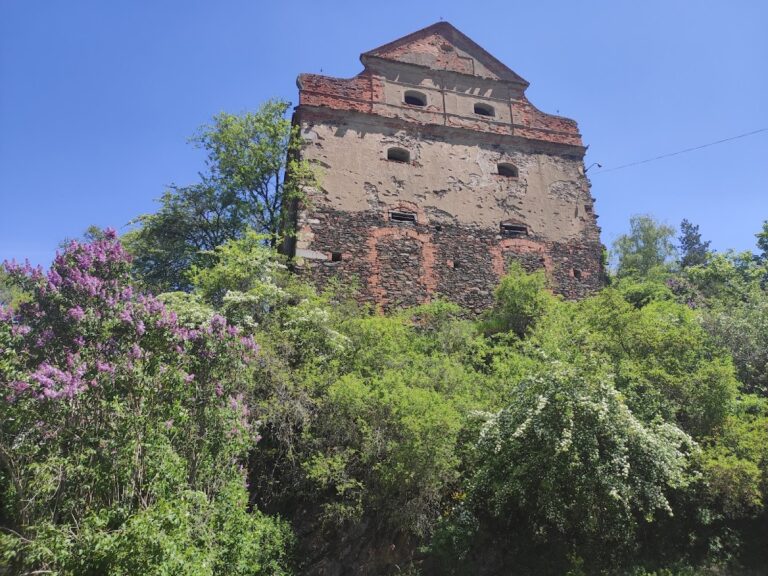
The surviving complex combines the remains of a medieval castle with later chateau buildings. Its present form is chiefly the result of the Classicist rebuilding of 1772 to 1776, while Gothic masonry, Renaissance arcades, and Baroque additions preserve evidence of earlier phases. Later construction obscures much of the medieval arrangement. A water reservoir built in 1909 destroyed the surviving layout at the boundary between the inner castle and the outer fortified area.
Medieval castle fabric
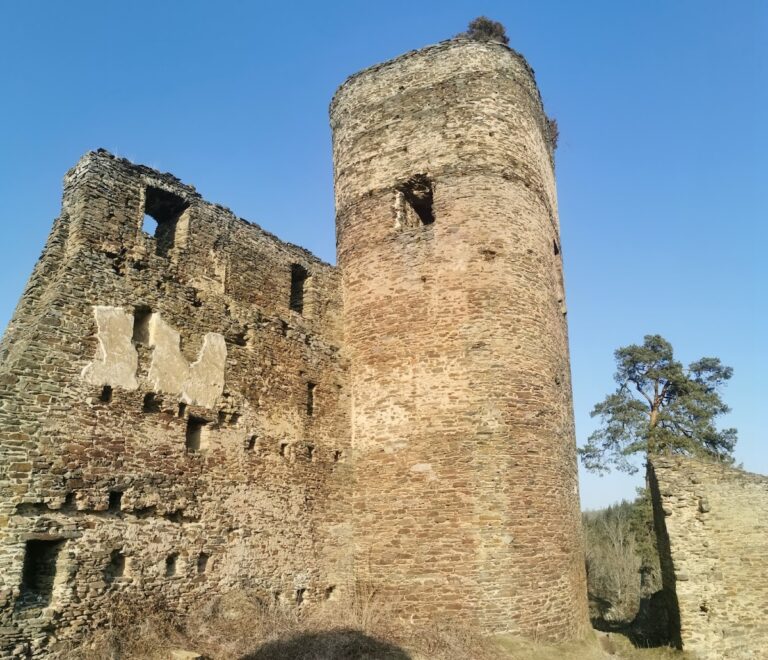
The medieval castle was probably divided into two parts, with the bailey, or outer part of a fortified complex, occupying the northeastern section. Gothic masonry survives especially in buildings arranged around an approximately triangular courtyard. The arrangement reflects the earlier castle even though later construction changed its form and concealed parts of the medieval plan.
Original palace
The original palace stands on the western side of the complex. Massive consoles, which are projecting structural supports, extend from its courtyard wall. They carried a gallery and remain among the clearest surviving indications of the medieval palace’s former arrangement.
Defensive works
The southeast-side zwinger, a defensive space between an inner and an outer wall, was filled by later chateau buildings. A forward bastion, or projecting defensive platform, formed part of the castle from the end of the fifteenth century. These features belong to the fortified phase of the complex, although their relationships were changed by subsequent construction.
Renaissance, Baroque, and Classicist buildings
Renaissance work is represented chiefly by part of the building along the approach road before the first gate and by arcades in the lower courtyard. An arcade is a row of arches supported by columns or piers. The arcades were later altered during the Classicist rebuilding, but they remain part of the architectural sequence that connects the medieval castle with the chateau.
The Baroque phase included the two buildings described in 1711, with their large hall and twenty additional rooms. The later rebuilding of 1772 to 1776 changed the earlier arrangement on a larger scale. It altered the Renaissance arcades, erected a building along the southeast side of the first courtyard, and added the entrance-gate tower. Together with the earlier Gothic, Renaissance, and Baroque fabric, these works created the mixed architectural character of Castle Bezdružice.