Castillo de Villatoro: A Strategic Castle in Ávila, Spain
Site at a Glance
- Rating
- 4.5
- Popularity
- Very Low
- Country
- Spain
- Primary era
- Medieval
- Eras represented
- Medieval, Early Modern
- Civilizations
- Crown of Castile, Spanish
- Site type
- Military
- Remains
- Castle
On this page6 sections
History
Castillo de Villatoro is a medieval castle in Spain, established in the second quarter of the fourteenth century as part of the lordship created by Alfonso XI, king of Castile and León, for the family of Bishop Sancho Blázquez Dávila. The lordship rewarded the family’s effective defence of the Crown’s rights during the king’s minority. At the western end of the Amblés Valley, the castle controlled the passage through the Villatoro Pass toward the Corneja Valley.
The Dávila Lordship
The castle remained in the possession of the House of Dávila, a Castilian noble lineage, through successive titles and inheritances. The final holders in this succession were the dukes of Parcent. Its position continued to give it military value into the eighteenth century, when a commander representing the lord still headed the castle, according to the Ensenada Cadastre, an eighteenth-century survey of property, population, and economic resources in Spain.
Protection and Later Use
Castillo de Villatoro has had generic legal protection in Spain since 1949 and is recognized as a Bien de Interés Cultural, a designation for protected cultural heritage. The surviving castle also belongs to a wider pattern of building innovation associated with branches of the Dávila family, alongside the castles of Aunqueospese and Magalia.
Remains
Fortified Plan
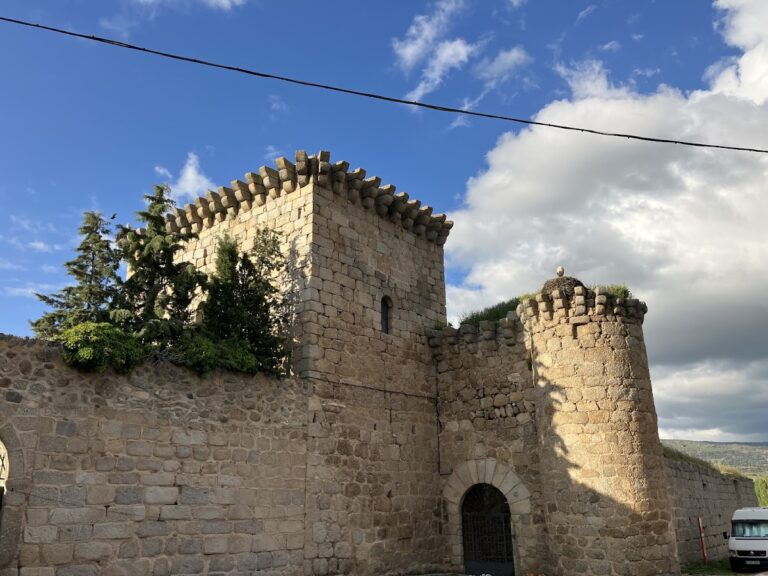
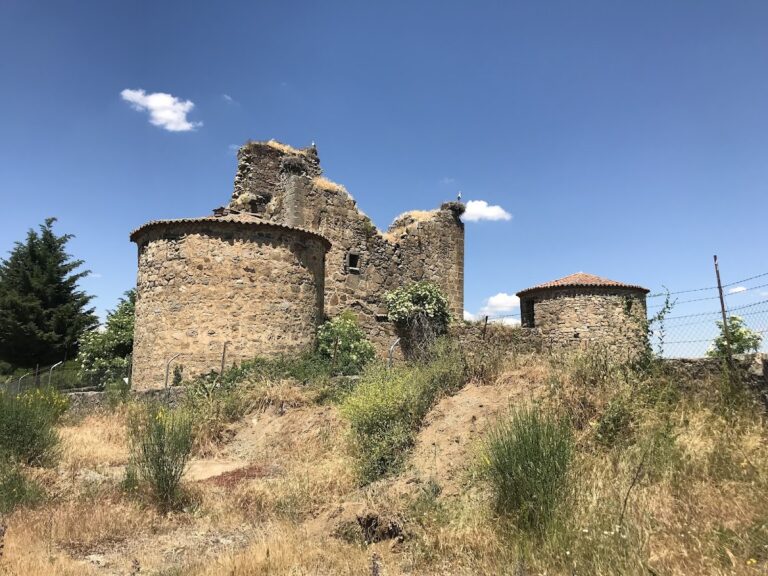
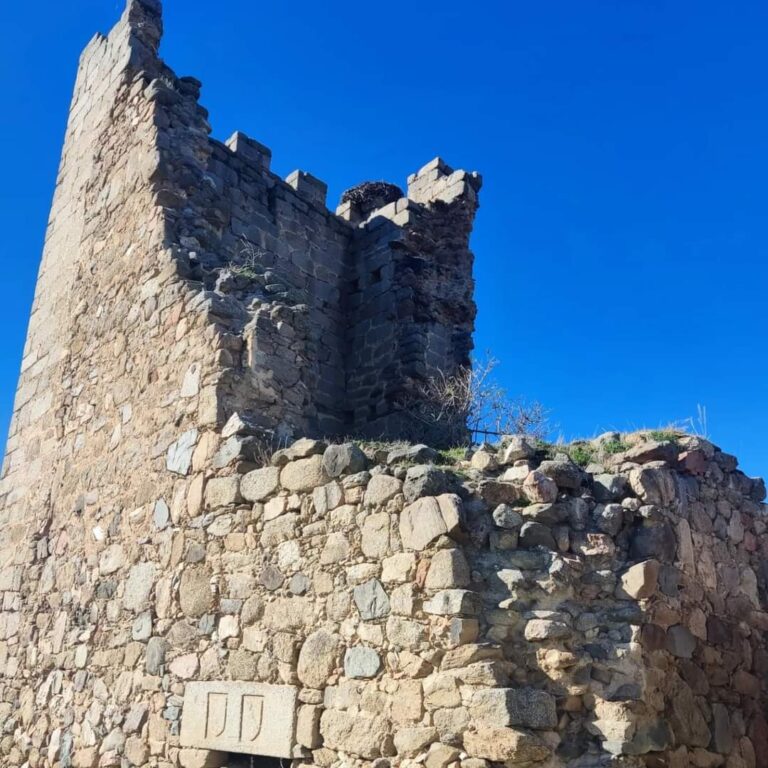
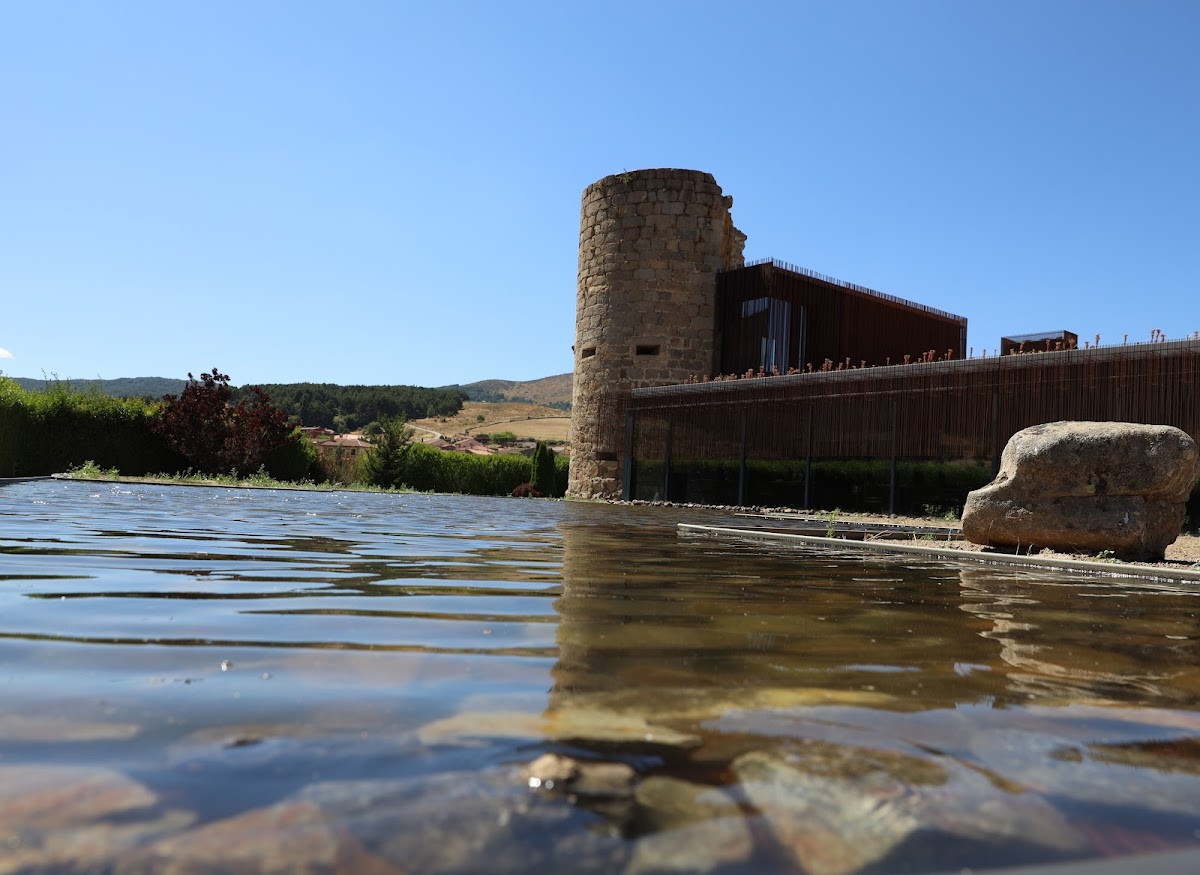
The surviving remains indicate a square-plan fortress with towers at the corners. They include an incomplete fortified tower, foundations belonging to other structures, and sections of masonry and ashlar walls. Some of the wall fabric has been incorporated into later rural buildings, leaving parts of the original defensive complex embedded within the surrounding built environment.
Entrances and Gun Defences
Two entrance arches survive on the interior of the castle. A mailbox-shaped gun loop, a narrow opening through which weapons could be fired, is preserved in the structure. This feature supports a date at the beginning of the sixteenth century and shows that the fortress was adapted to the changing requirements of gunpowder warfare.