Castillo de Serón: A Nasrid Defensive Refuge in Spain
Site at a Glance
- Rating
- 4.3
- Popularity
- Low
- Country
- Spain
- Primary era
- Medieval
- Eras represented
- Medieval, Modern
- Civilizations
- Nasrid
- Site type
- Military
- Remains
- Castle
On this page7 sections
History
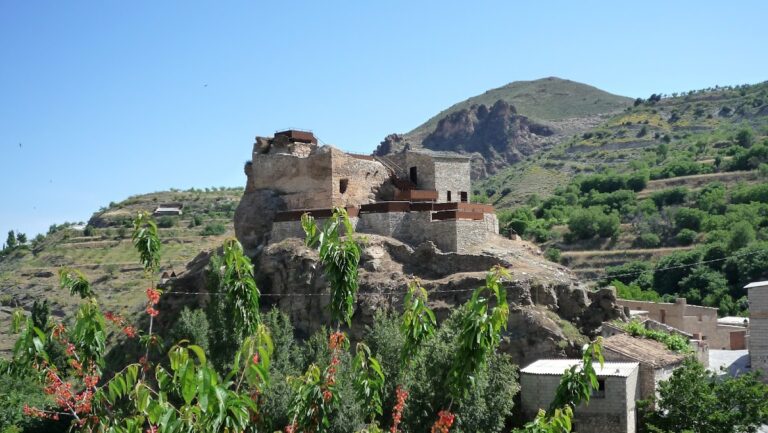
Castillo de Serón is a medieval fortress in Serón, Spain, built by the Nasrid dynasty in the thirteenth century during the reign of Yusuf I. It formed part of the frontier established with the Kingdom of Murcia, a Christian border territory involved in the later conflicts between Castile and the Muslim kingdom of Granada. Designed primarily as a strongly defended refuge, it protected the local population during periods of warfare.
Nasrid foundation and local development
The hill may have been occupied before the castle was built, although this remains unconfirmed. The twelfth-century geographer Al-Idrisi described a settlement called Šarūn and a fortress called Šīrūn. As Serón expanded, houses were constructed around the castle and came to serve as part of its defensive enclosure.
Castilian takeover
Castillo de Serón passed to Castilian control on 7 December 1489 after the capitulations of Purchena. Fernando the Catholic, king of Aragon and joint monarch of Castile with Isabella I, took possession several days later. He granted the castle and the lordship of Serón to Mahomat Haçen, the leader of Baza, in recognition of his cooperation during the conflict. The lordship was abolished three years afterward, and ownership passed to Diego López Pacheco y Portocarrero, Marquis of Villena.
Siege, decline, and modern intervention
During the sixteenth-century Revolt of the Alpujarras, an uprising by Muslim inhabitants and Moriscos against the Spanish Crown, the castle again served as a refuge. It sheltered Serón’s Christian population and resisted attacks for two weeks. Later in the century, Luis del Mármol Carvajal wrote that the bells were the castle’s only notable feature.
The structure then deteriorated steadily. The Catastro de Ensenada, an eighteenth-century survey of property, population, and economic resources, already described it as ruined. By inheritance it passed to the House of Montijo, until María Francisca de Sales Portocarrero sold its contents in 1843. As the ruins declined, local residents reused building materials in new houses. Enrique Nin de Cardona acquired the vacant property in 1916 and eventually transferred it to the local council. Extensive reconstruction took place during the 1970s, followed by further remodelling at the beginning of the twenty-first century. Castillo de Serón was registered as an Asset of Cultural Interest on 25 June 1985, and the municipality of Serón is identified as its owner.
Remains
Fortress site and surviving walls
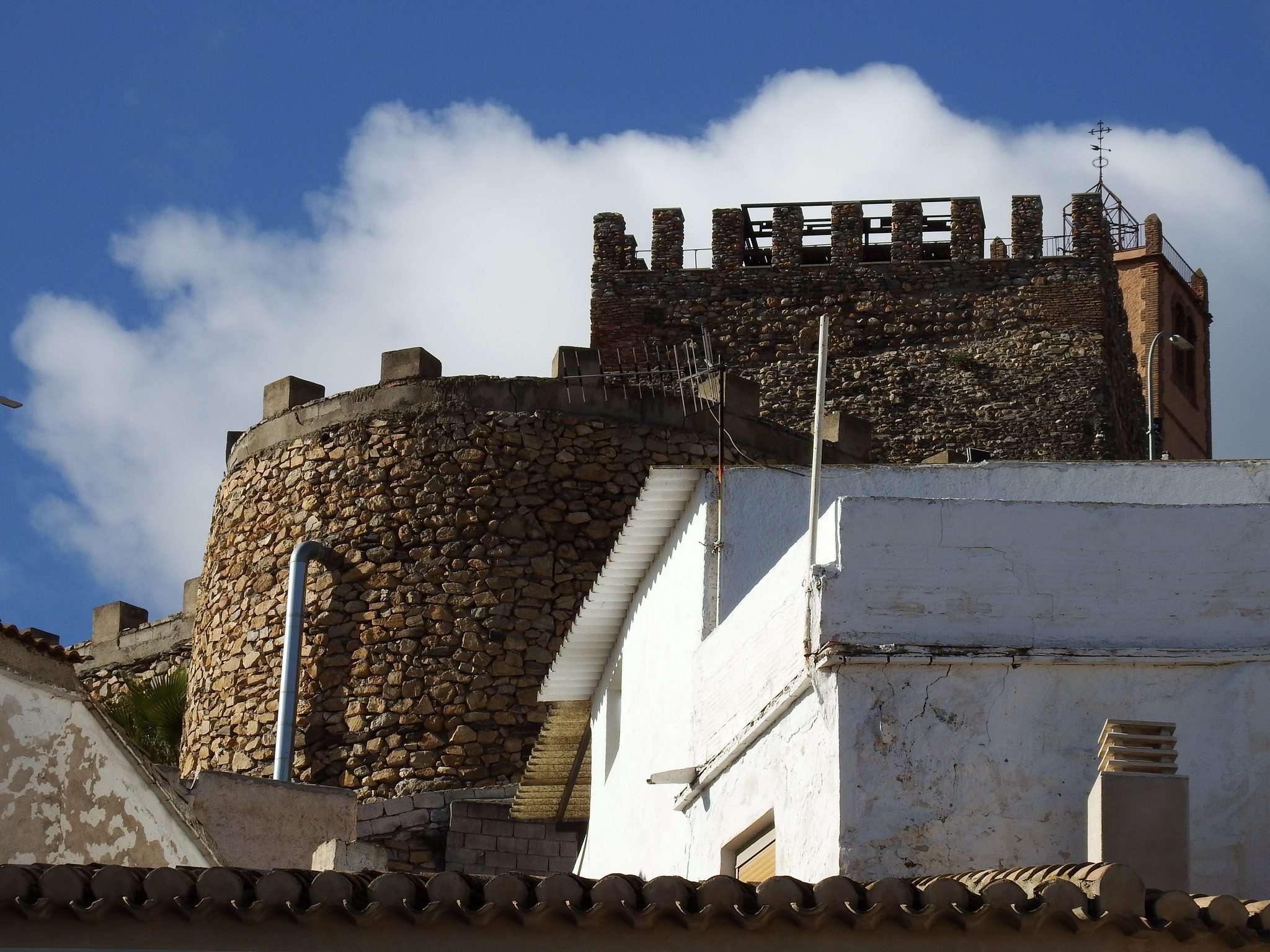
Castillo de Serón occupies the highest part of the town’s urban area. Its position reflects its original defensive purpose, while the surrounding houses later formed an additional protective barrier. Successive repairs and reconstructions have left one wall and several wall sections that can be regarded as original. The surviving fabric therefore combines limited medieval remains with later work intended to restore the appearance of the fortress.
Clock tower
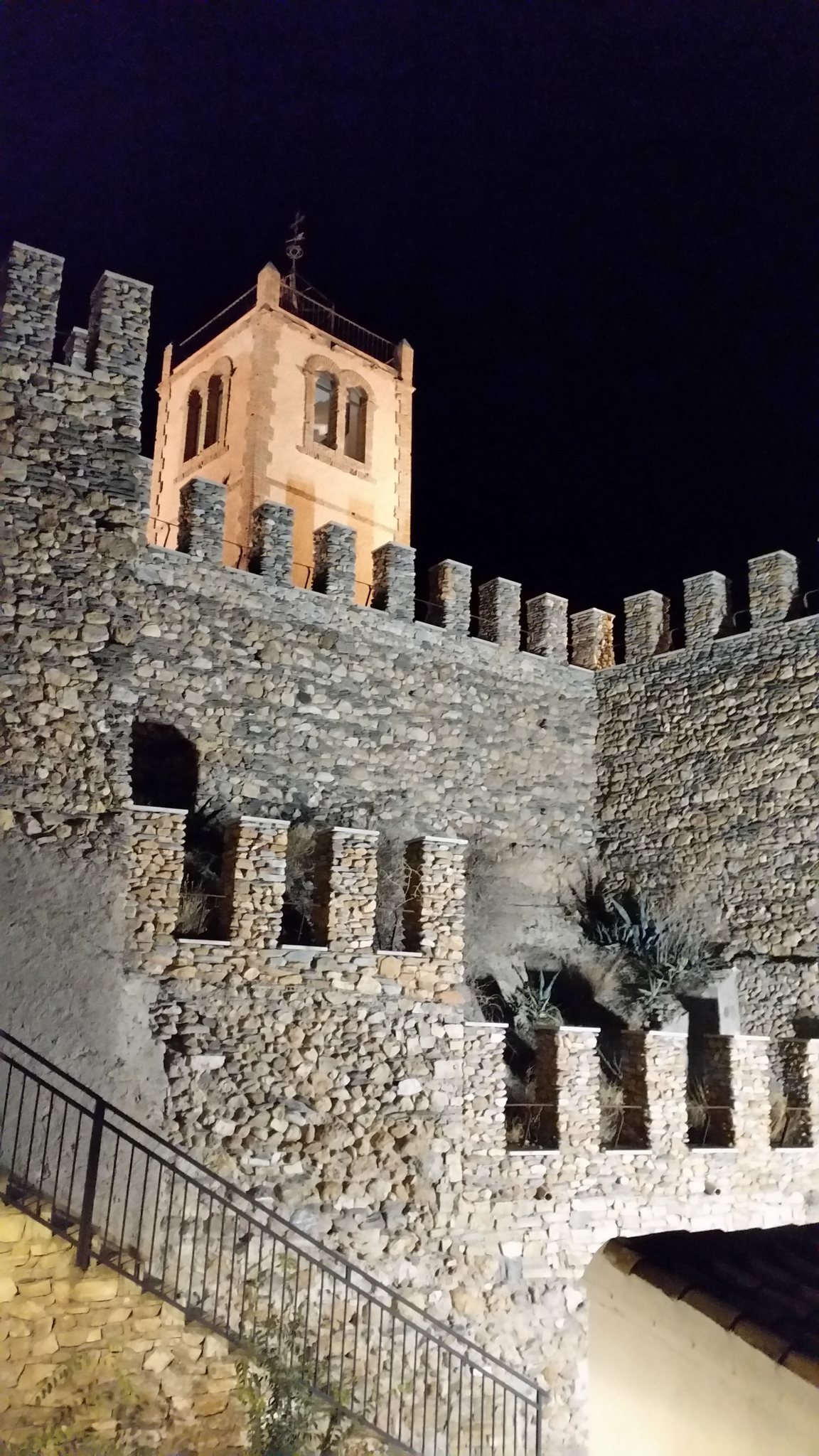
A neo-Mudéjar clock tower, using decorative forms associated with Mudéjar architecture, stands on the highest part of the castle. Erected during the 1970s reconstruction, it has a square plan and rests on a masonry base. Its two upper floors contain vertically divided windows crowned by brick semicircular arches, giving the reconstructed structure its most distinctive architectural feature.