Castello di Bosses: A Medieval Fortified Residence in Italy


Site at a Glance
- Rating
- 4.5
- Popularity
- Very Low
- Country
- Italy
- Primary era
- Medieval
- External website
- Open
- Eras represented
- Medieval
- Civilizations
- Holy Roman Empire
- Site type
- Military
- Remains
- Castle
On this page7 sections
History
Castello di Bosses is a medieval fortified residence in Saint-Léonard, Italy, built in the twelfth century for the Bosses family in the Aosta Valley. It stood on lands granted to the family by the lords of Quart as a fief, meaning land or rights held from a superior lord in return for service and allegiance.
The Bosses family and Savoy
The Bosses family, also known as de Bocha, came into conflict with the counts of Savoy in the late thirteenth century. In 1288, Giacomino de Bosses was compelled to become a Savoyard vassal, a landholder who owed formal allegiance and obligations to a superior lord, and to transfer the castle and the Bosses fief to Savoy. The House of Savoy was a ruling dynasty whose counts controlled territories in and around the western Alps, including the Aosta Valley.
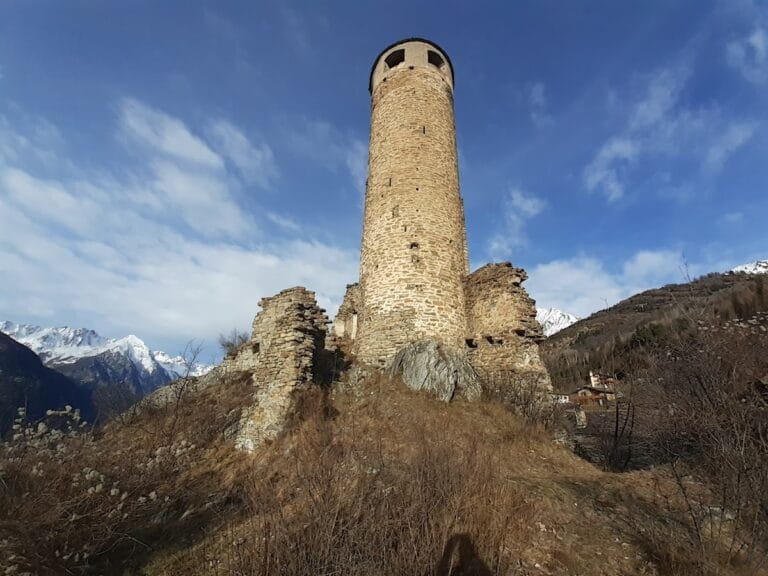
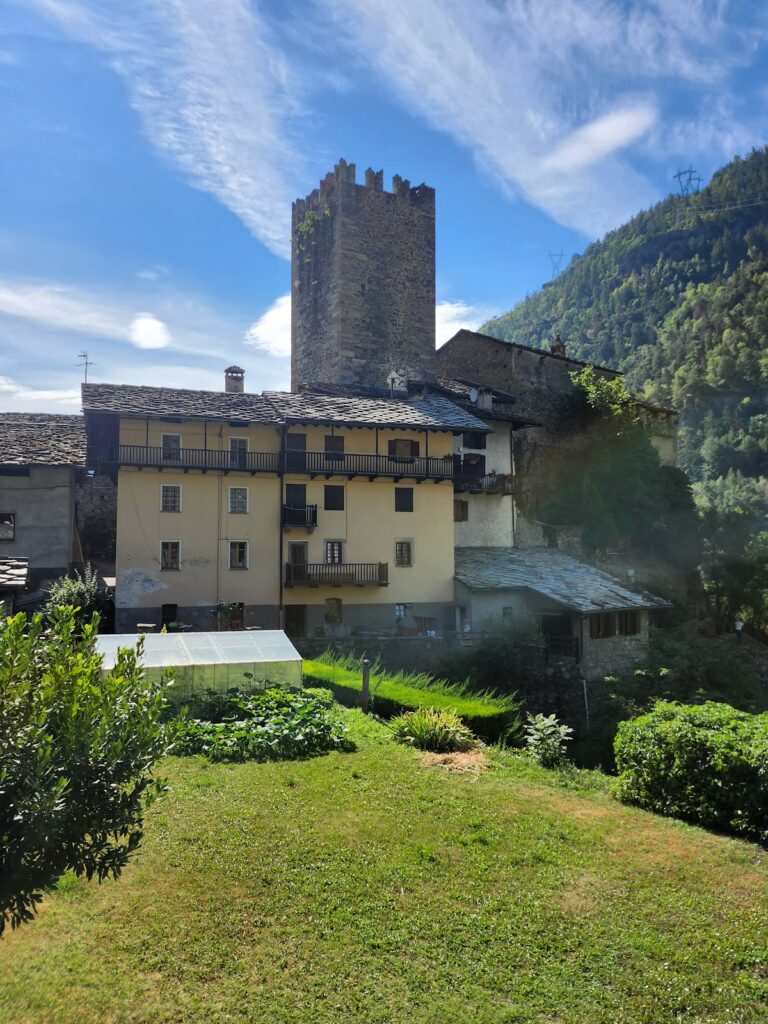
About a decade later, the family attempted to rebel against the counts of Savoy. In response, the bailiff of Aosta, a senior official acting for a territorial lord, ordered Savoyard troops to demolish the castle’s watchtower. Stones from the tower remain in the eastern part of the complex. Following further conflicts, Thomas de Bosses transferred all his possessions and the fief’s toll rights to Amadeus V, Count of Savoy, in 1320.
Rebuilding and later ownership
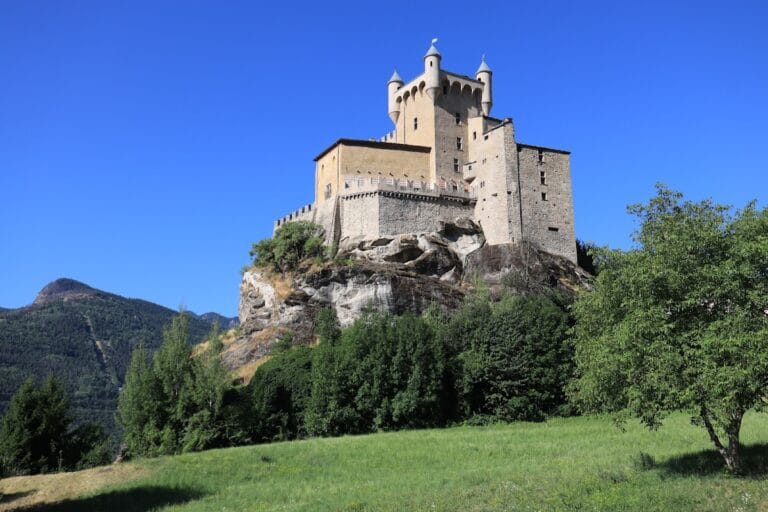
Toward the end of the fifteenth century, the Bosses family recovered ownership from Savoy and rebuilt the castle. This rebuilding gave the exterior much of the fifteenth-century appearance that characterizes it today. The family retained the property until 1742, when it was sold to the Savin family.
After the Savin line died out in 1861, ownership passed to the Massea family. The property later came into the hands of the Gallone family, who transferred it to the Autonomous Region of the Aosta Valley in 1984. The castle is recognized as Italian national heritage.
Restoration and new use
Restoration began in 1998 and was completed in 1999. The work adapted the building for museum use, conferences, exhibitions, and other events, giving the historic residence a continuing cultural function.
Remains
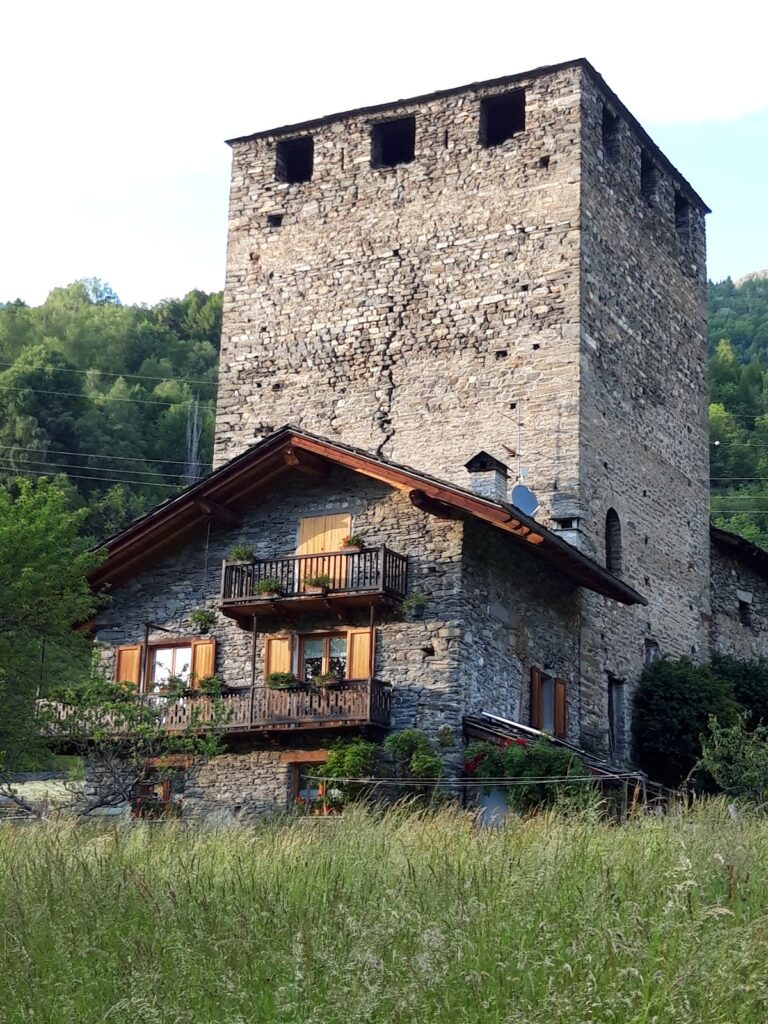
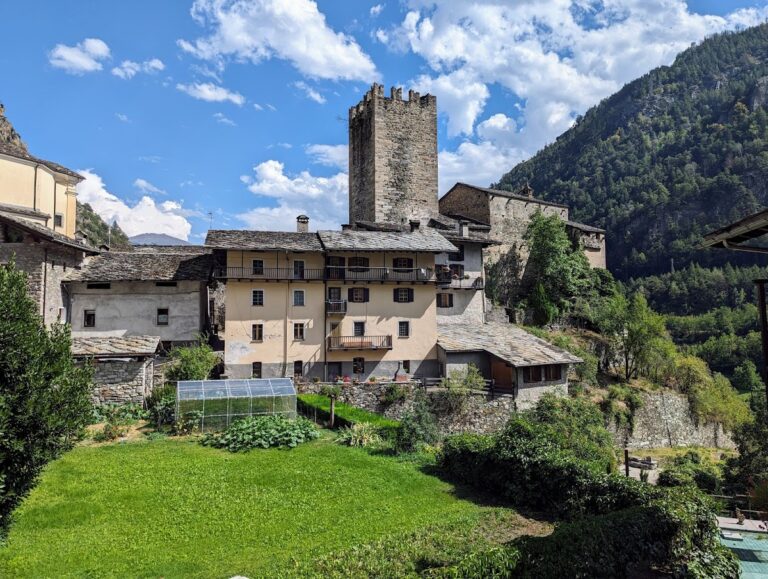
Castello di Bosses has the massive square plan characteristic of the earliest fortified houses in the Aosta Valley. Known in Italian as a casaforte, or fortified house, this type of building combined domestic accommodation with defensive features. The castle stands at approximately 1,513 meters above sea level and is constructed of rubble stone.
Exterior and surviving defensive elements
The exterior presents the form created by the fifteenth-century rebuilding undertaken after the Bosses family recovered the property from Savoy. The former watchtower associated with the castle was demolished during the medieval conflicts, and its stones remain visible in the eastern part of the complex.
Interior reconstruction
The interiors were completely renovated and reconstructed for museum use. Some rooms were fitted out in a modern style for conferences, exhibitions, and other events, so the present interior arrangement serves cultural functions rather than reproducing the residence’s earlier domestic form.