Castello della Magliana: A Papal Villa and Fortified Complex in Rome


Site at a Glance
- Rating
- 4.4
- Popularity
- Very Low
- Country
- Italy
- Primary era
- Early Modern
- External website
- Open
- Eras represented
- Medieval, Early Modern
- Civilizations
- Papal States
- Site type
- Domestic
- Remains
- Palace
On this page7 sections
History
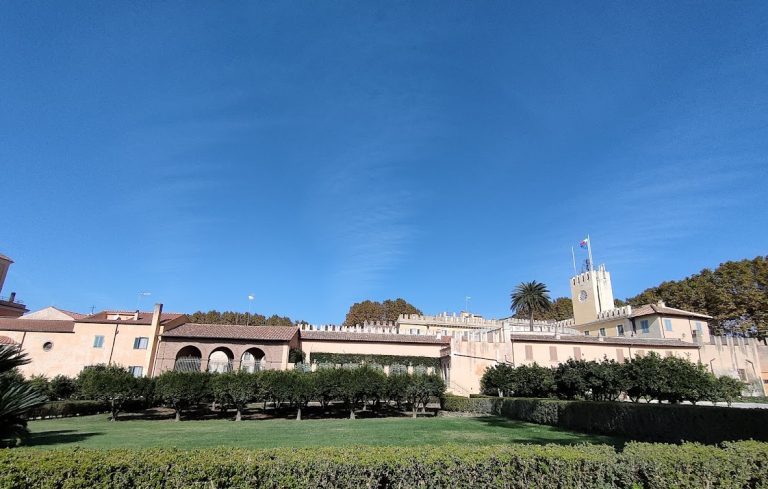
Castello della Magliana is a medieval fortified complex in Rome, Italy, that served as a country residence for the popes. Also known as Casale Magliana and the papal villa at Magliana, it stands in the Magliana Vecchia area near the Tiber and developed through successive medieval and Renaissance rebuilding phases.
Medieval Origins and Papal Rebuilding
The site appears in records from the eleventh century as a possession of the monastery of Santa Cecilia in Trastevere. A medieval oratory dedicated to Saint John the Baptist formed part of the complex. Complete restoration and adaptation of the medieval building began in 1480 under Pope Sixtus IV, a Renaissance-era pope, and continued during the pontificate of Pope Innocent VIII.
In 1490, Innocent VIII ordered most of the medieval structures to be demolished and replaced by a new building. This intervention transformed the earlier rural fortified site into a more substantial papal residence while retaining the complex’s association with the landscape near the Tiber.
Renaissance Courtly Residence
During the early sixteenth century, Pope Julius II commissioned Giuliano da Sangallo, an Italian Renaissance architect and military engineer, to construct another palace building. The old chapel of Saint John the Baptist was renovated during the same period. Under Pope Leo X, the complex reached its greatest splendour. Donato Bramante and Michelangelo Buonarroti were involved in further embellishment, and the villa hosted literary gatherings, concerts, and theatrical performances.
Decline and Modern Use
After the Renaissance, the castle fell into disuse and was gradually abandoned. It was transferred to the monastery of Santa Cecilia in Trastevere, which leased the property to private occupants. In 1959, the Sovereign Military Order of Malta, a Catholic religious order with a long tradition of charitable and medical work, acquired and restored the entire complex. The buildings now house the offices and administration of the nearby Saint John the Baptist Hospital, which belongs to the same order.
Remains
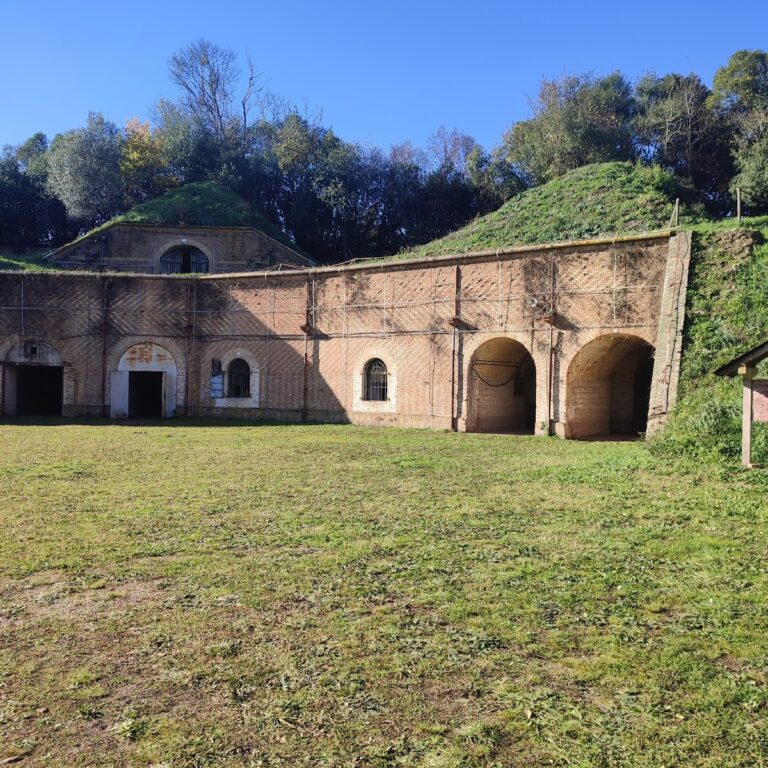
The surviving complex combines a medieval fortified construction with palace and religious buildings shaped by Renaissance alterations. Its buildings are associated with the rural setting near the Tiber, while the surviving architectural details and recorded artworks reflect the transition from a medieval estate to a papal villa.
Palace Buildings
Giuliano da Sangallo’s early-sixteenth-century palace included a portico and large windows with truncated-cross forms. Its rooms were decorated with frescoes by painters from the school of Pietro Perugino, the influential Renaissance artist whose workshop trained artists active at the complex. The palace forms part of the architectural fabric created for the papal residence after the substantial demolition and rebuilding of the medieval structures.
Chapel of Saint John the Baptist
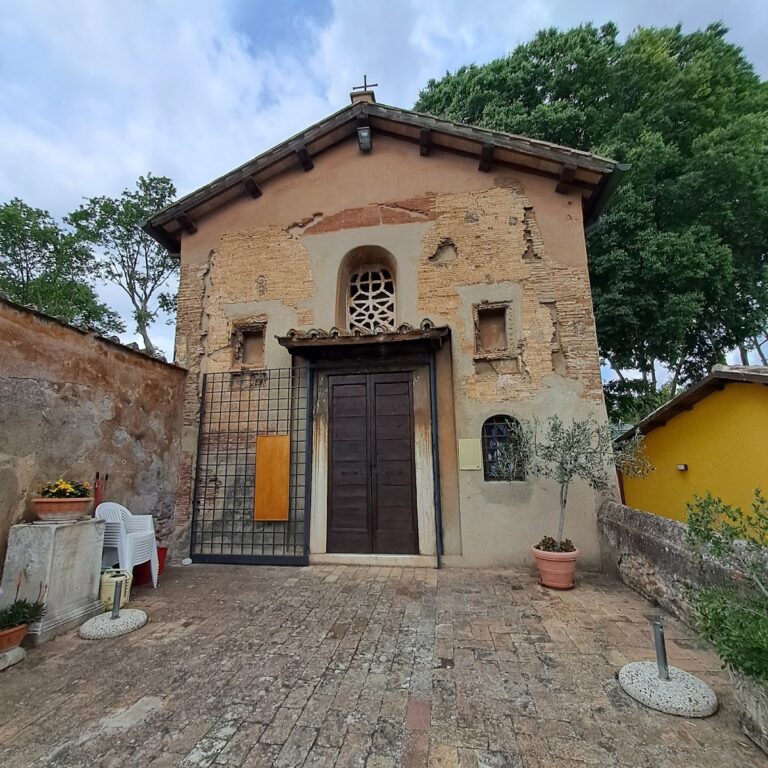
The chapel of Saint John the Baptist is an older component of Castello della Magliana, renovated during the early sixteenth century. The vault above its altar held The Eternal Father Blessing among Angels and Cherubim, painted by pupils of Raphael’s school and now preserved in the Louvre. Fragments of The Martyrdom of Saint Cecilia, once placed in the vault of the arch over the central nave, are held by the Musée des Beaux-Arts in Narbonne.