Castello Bissari Sforza Colleoni: Medieval Fortification and Aristocratic Residence
Site at a Glance
- Rating
- 4.4
- Popularity
- Very Low
- Country
- Italy
- Primary era
- Medieval
- Eras represented
- Medieval, Early Modern, Modern
- Civilizations
- Habsburg, Holy Roman Empire, Italian, Venetian
- Site type
- Domestic
- Remains
- Castle
On this page7 sections
History
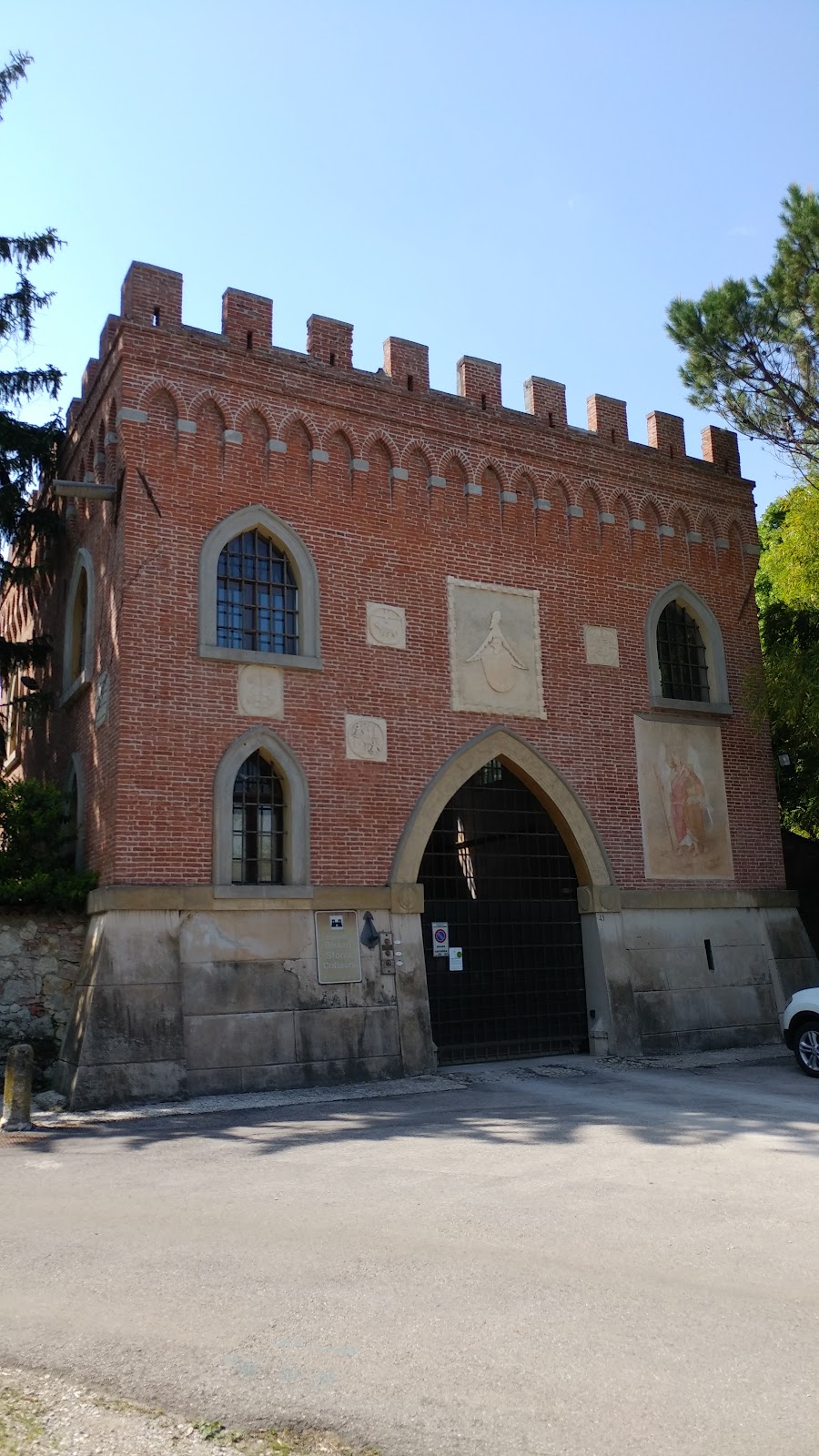
Castello Bissari Sforza Colleoni is a medieval fortification in Costabissara, Italy, whose origins date approximately to the tenth century. It formed part of the three castles of the feudal territory of Costa Fabrica, together with the castles of Donna Berta and Pizamerlo. After the territory passed to the Bissari counts, it took the name Costabissara.
Early fortification and medieval rebuilding
Before the Bissari family took possession, the oldest part of the castle was associated with the Maltraverso, Della Costa, Baretta, and da Lozzo families. The complex is also described as having belonged earlier to the Della Costa counts. During the eleventh and twelfth centuries, a surrounding wall extended around the slope of the hill.
Ezzelino III da Romano, a powerful thirteenth-century lord whose military and political dominance extended across northern Italy, destroyed the castle in 1241. The Bissari family arrived in 1285 and rebuilt it, incorporating surviving structures into the renewed complex. The substantial thickness of the load-bearing walls, especially at the northeast corner where a tower is presumed to have stood, indicates the presence of earlier construction.
Bissari, Colleoni, and De Buzzacarini ownership
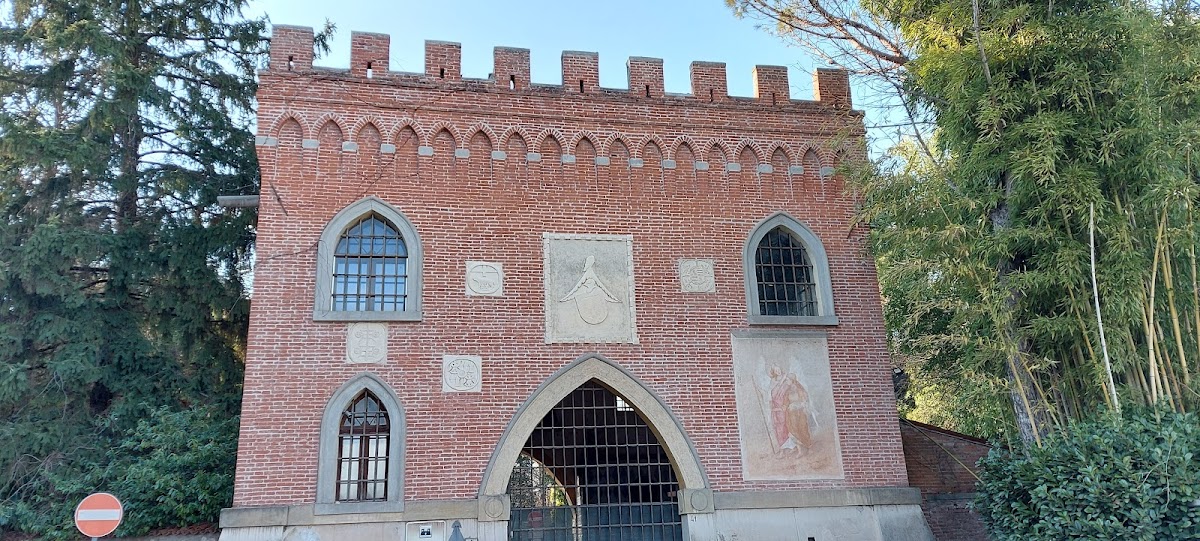
The castle remained with the Bissari family until the death of its last heir, Girolamo Enrico Sforza, in 1859. It then passed to the noble Guardino Colleoni, who restored and enlarged the complex, giving it its present extent and a medievalizing appearance. His work also included a pine grove, vineyard, and orchard, as well as a stone inscription summarizing the castle’s history.
In 1894, the castle was sold to Pia Zabeo, wife of the noble marquis Aleduse De Buzzacarini De Vetulis. The new owners embellished the complex, which became an aristocratic residence. The succession of owners gave the site several names. Its official name, Castello Bissari Sforza Colleoni, probably commemorates three principal historical owners and contributors to its present form, while Villa De Buzzacarini remains in common use.
Modern restoration and status
The Putin family bought the castle in 1973 and restored it in 1979. The complex is currently used for civil purposes and is designated as Italian national heritage.
Remains
Principal castle block
The oldest surviving part is the principal block, which retains four original Gothic windows. Gothic architecture was a medieval style known for pointed arches, vertical emphasis, and elaborately shaped windows. The block’s load-bearing walls are notably thick, particularly at the northeast corner, where a tower is presumed to have existed.
The castle was enlarged over several later phases. Sixteenth-century additions included two windows on the southwest side, an entrance from the portico, and an interior doorway opposite it. An eighteenth-century intervention added a small balcony on the southwest side. A stone historical inscription associated with Guardino Colleoni summarizes the history of the complex.
Park and Oratory of Sant’Antonio
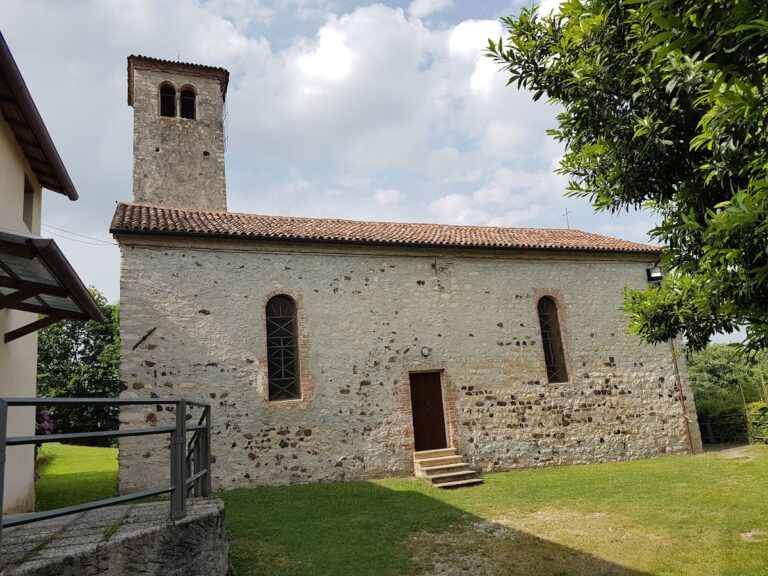
The grounds include a park containing the Oratory of Sant’Antonio, a small place of Christian worship. The De Buzzacarini nobles restored the oratory at the beginning of the twentieth century, and a bell tower was added during that work. The building is reached from the road through an entrance gate followed by a long staircase. The gate bears the coats of arms of the marquis De Buzzacarini and his wife, Pia of the Zabeo counts.
The oratory was reconsecrated on 26 November 1900 in a ceremony performed by Antonio Feruglio, bishop of Vicenza, as recorded by an inscription on the altar. Its interior walls contain frescoes by Gino Raselli of Asolo depicting miracles of Saint Anthony, the Christian saint regarded as the oratory’s patron. The church also has a Carrara-marble altar, a statue of Saint Anthony addressing the faithful behind the altar, and a family tomb at the center of the floor.