Cascais Citadel Palace: A Royal and Presidential Residence
Site at a Glance
- Popularity
- Medium
- Country
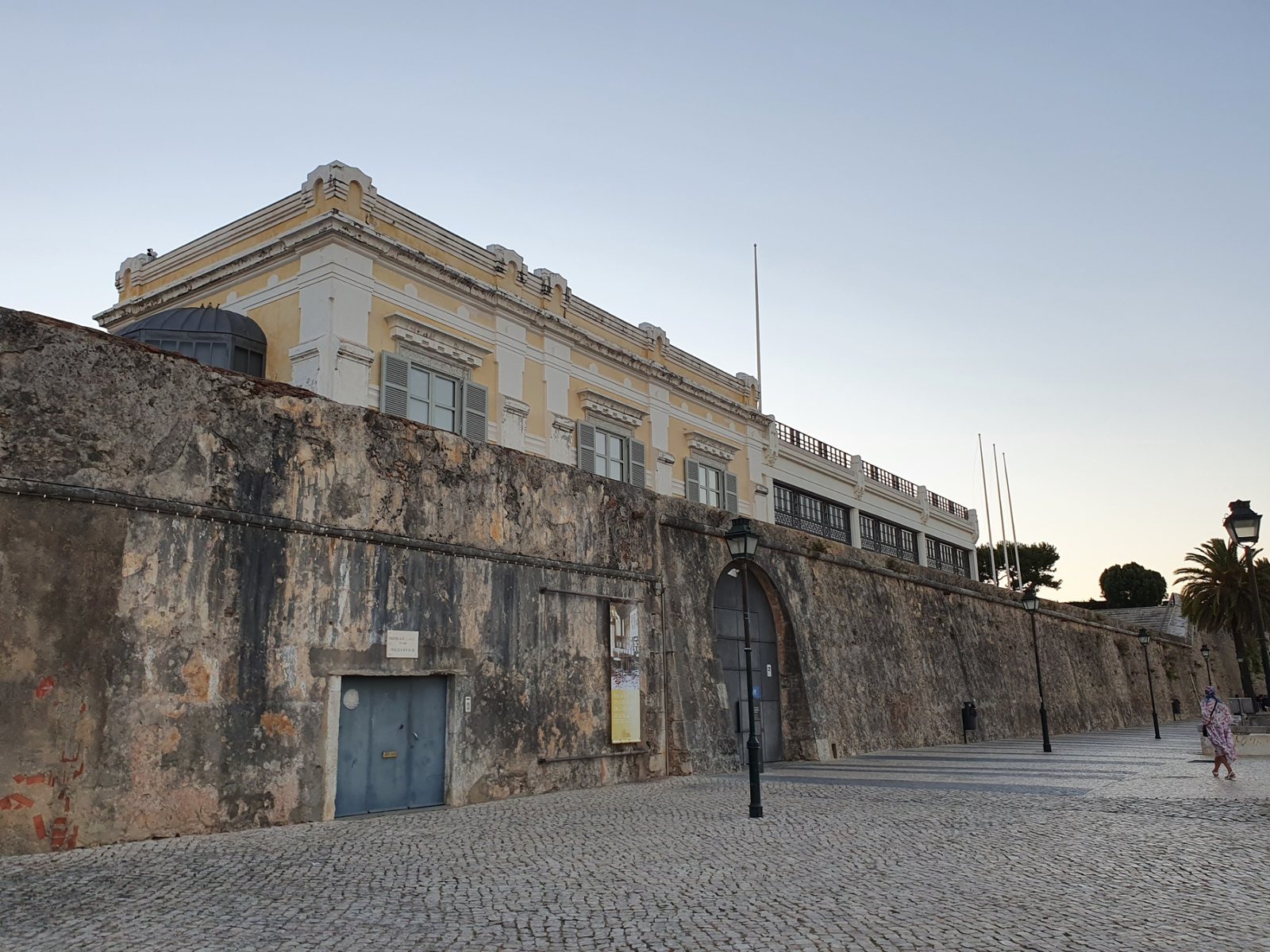
- Portugal
- Primary era
- Unclassified
- Eras represented
- Unclassified
- Civilizations
- Unclassified
- Site type
- Domestic
- Remains
- Palace
On this page4 sections
History
Royal residence, 1870–1908
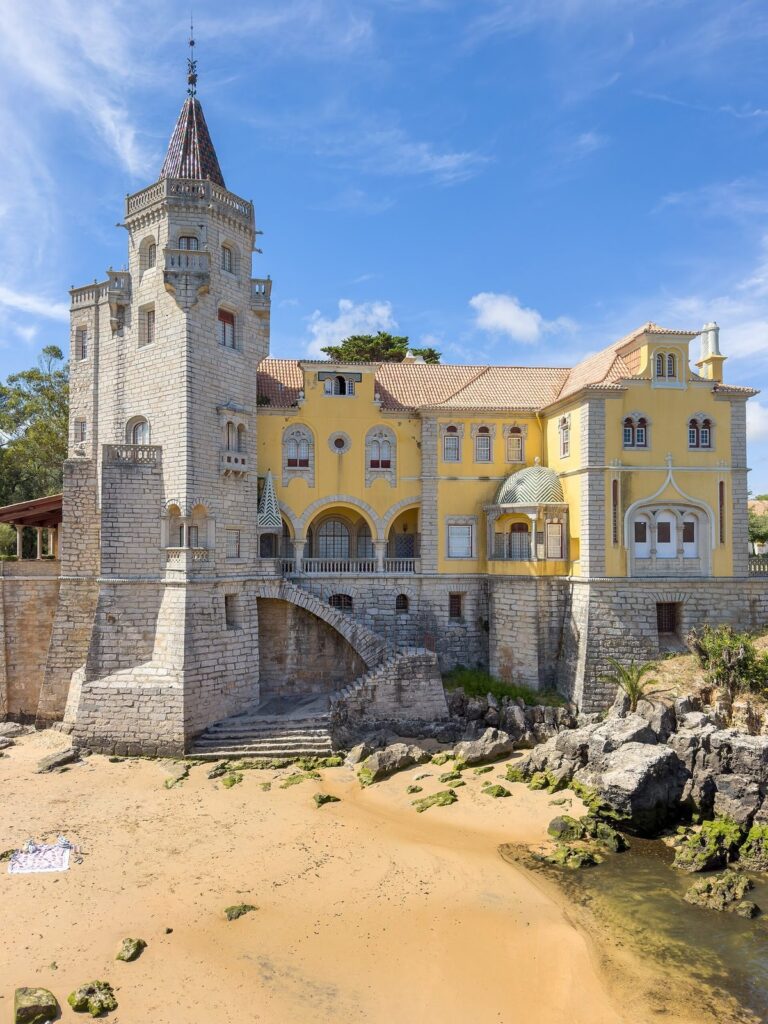
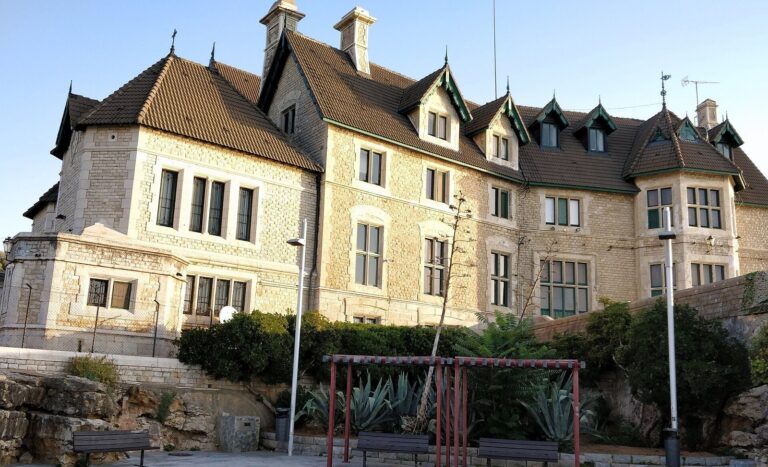
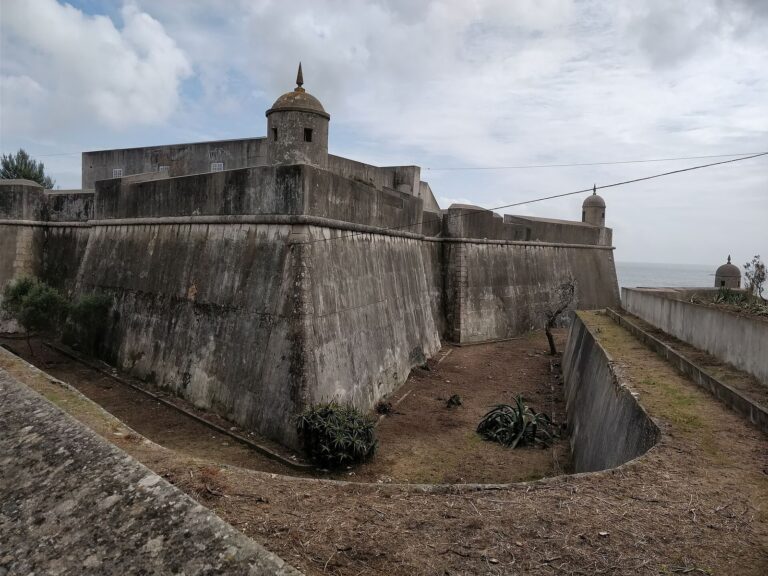
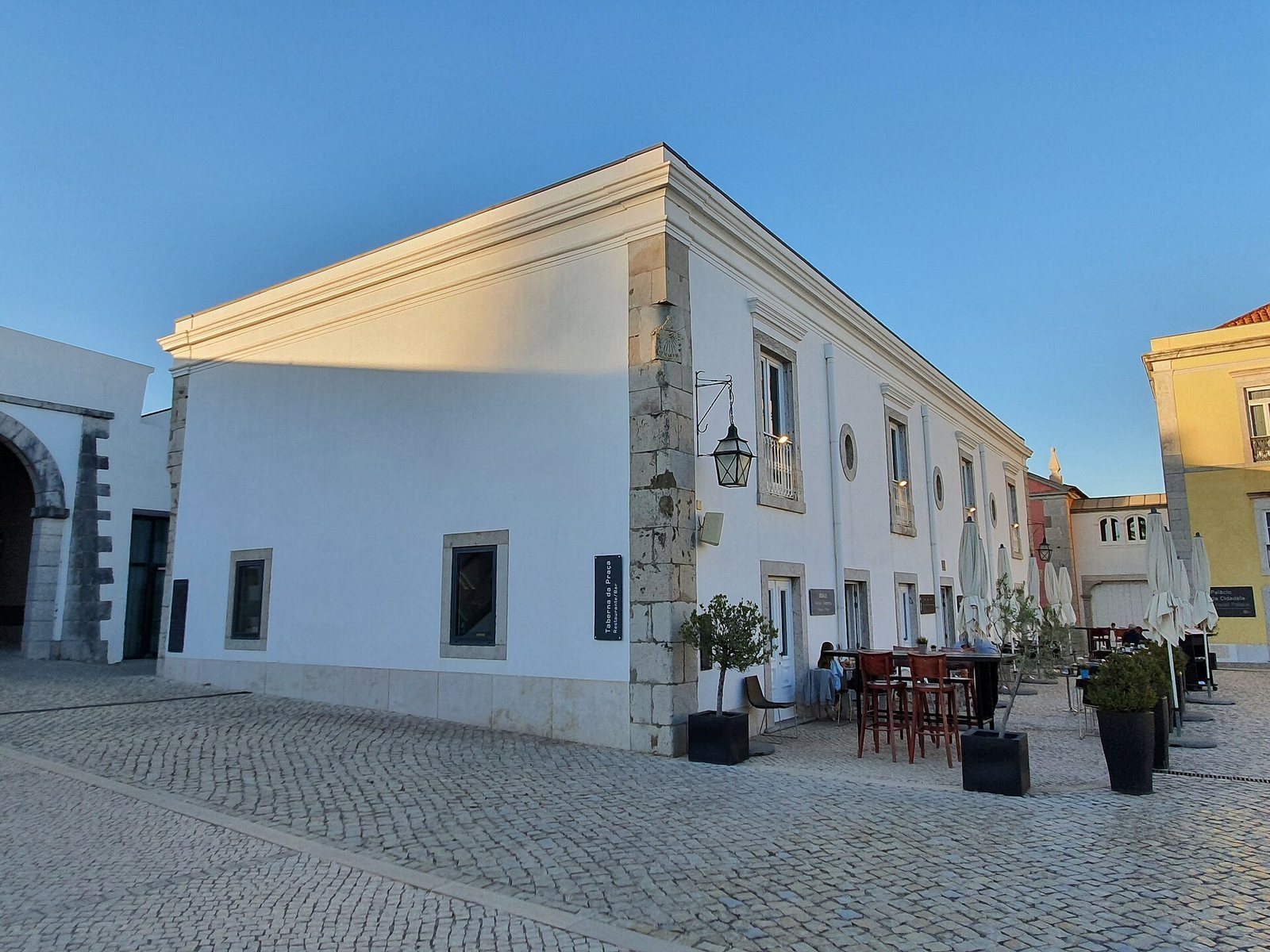
Cascais Citadel Palace is a former royal residence in Cascais, Portugal, set within the town’s citadel, a fortified stronghold associated with its defenses. By 1870, the citadel had lost its military purpose as Cascais’s strategic importance in defending the Lisbon coast and the Tagus estuary declined. King Luís I adapted the former citadel governor’s house as a holiday residence.
From 1870 until King Carlos I was assassinated in 1908, the royal family spent September at the palace each year. Their stays helped popularize sea bathing in Cascais and encouraged Portuguese nobles to build homes in the town to remain near the king. Carlos I also pursued the study of the ocean and established the first Portuguese marine biology laboratory in the citadel.
Presidential use and museum
The revolution of 5 October 1910 ended Portugal’s monarchy and established a republic. The palace was assigned to the presidency and served as a residence for several presidents before falling into neglect.
Plans to turn the palace into a museum were discussed in 2004. After extensive restoration, it opened as a museum in 2011 and became part of the Museum of the Presidency of the Republic, headquartered at Belém Palace in Lisbon.
Remains
The palace stands within the grounds of the Citadel of Cascais. Its interior includes a permanent exhibition and ground-floor rooms used for temporary exhibitions. It also contains the Chapel of Our Lady of Victory, named for a Catholic title of the Virgin Mary, and the former bedroom of King Luís I. Another room, known as the Arab Room, later served as an office for President Francisco Craveiro Lopes.