Pindela Manor, Estate and Woodland in Portugal
Site at a Glance
- Popularity
- Very Low
- Country
- Portugal
- Primary era
- Modern
- Eras represented
- Early Modern, Modern
- Civilizations
- Portuguese
- Site type
- Domestic
- Remains
- Manor House
On this page11 sections
History
Pindela Manor, Estate and Woodland is a historic estate in the parish of Cruz, Vila Nova de Famalicão, Portugal. Its earliest references date to 1442. In the sixteenth century, the property was organized as a morgadio, a Portuguese estate entail intended to keep land undivided and pass it through inheritance.
Family succession and chapel
The estate remained in the same family for almost six centuries through hereditary succession. Family members included the Viscount of Pindela, a title created in the nineteenth century; a viscount is a European noble rank below a count.
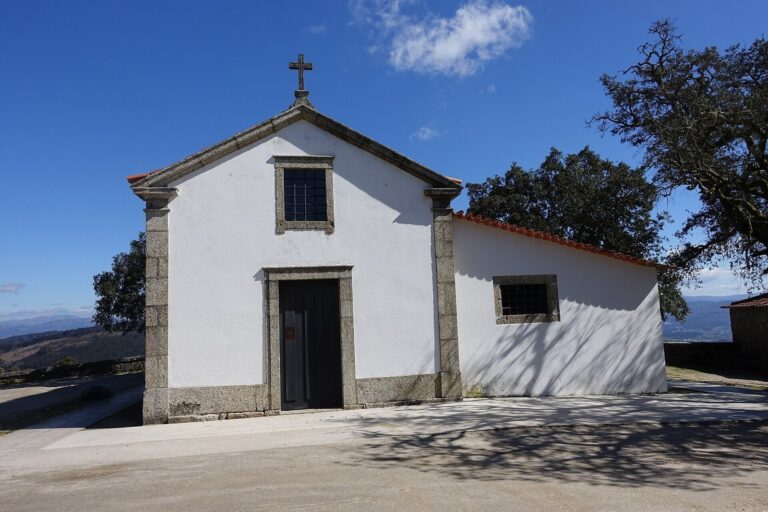
A private chapel was built on the estate in 1661 and dedicated to Our Lady of the Immaculate Conception, a Catholic title for the Virgin Mary associated with the belief that she was conceived without original sin.
Nineteenth-century transformation
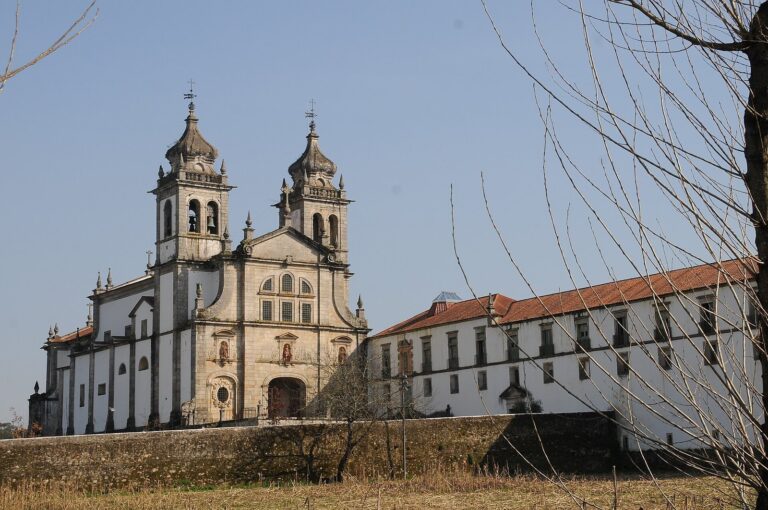
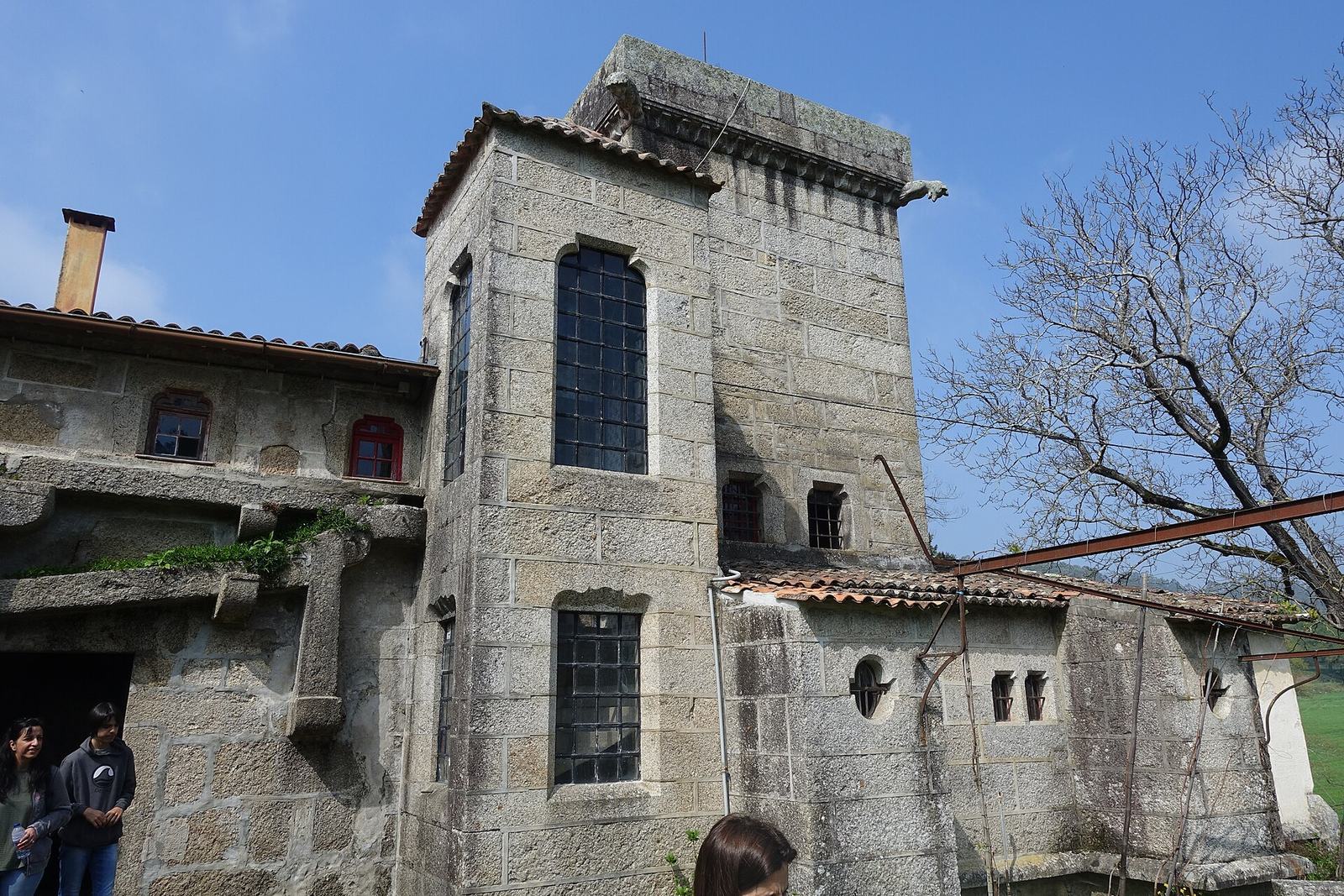
Major works in the nineteenth century enlarged the manor house and added a tower inspired by Romanesque architecture, a medieval European style. The historicist architecture drew on forms from earlier periods, reflecting the tastes of the time.
In 2012, the house, grounds and woodland were classified together as a Monument of Public Interest, a Portuguese heritage designation recognizing their architectural, historical and landscape value.
Remains
The estate covers approximately 80 hectares in a valley characteristic of northwestern Portugal, about five kilometres from the urban centre of Vila Nova de Famalicão. Its grounds bring together the manor house and chapel, agricultural land, formal gardens and woodland.
Manor and associated buildings
Manor house
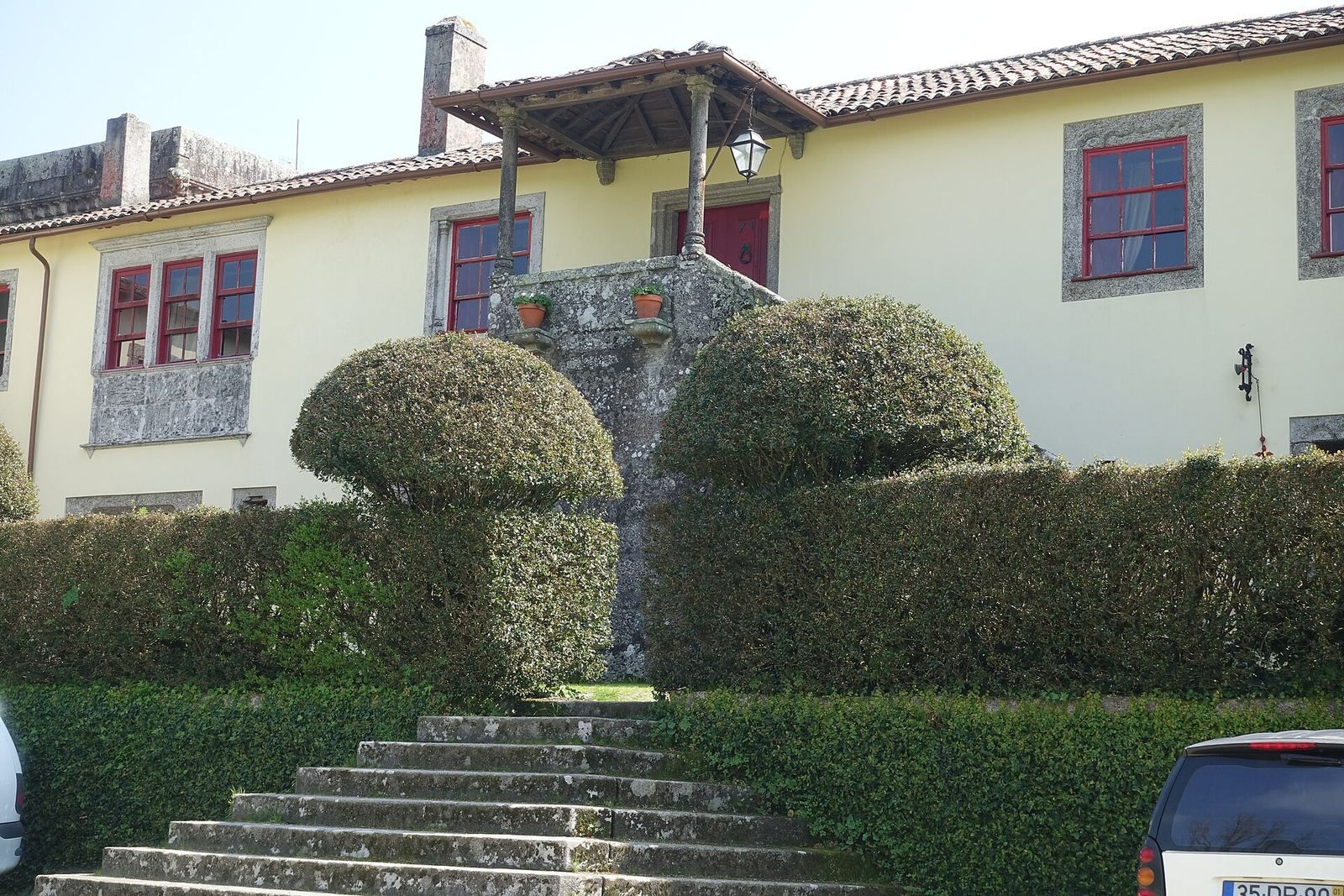
The manor house combines an original residential core with later extensions and a tower. Its architecture reflects changes made over several centuries and the overlap of different styles.
Chapel
A private chapel forms part of the estate’s group of buildings.
Agricultural and traditional houses
Former agricultural buildings, including wine cellars and granaries, have been adapted for cultural, social and private events. Casa de Soutelo and Casa da Bouça are restored traditional houses that retain features of local building traditions.
Gardens and woodland
Formal gardens
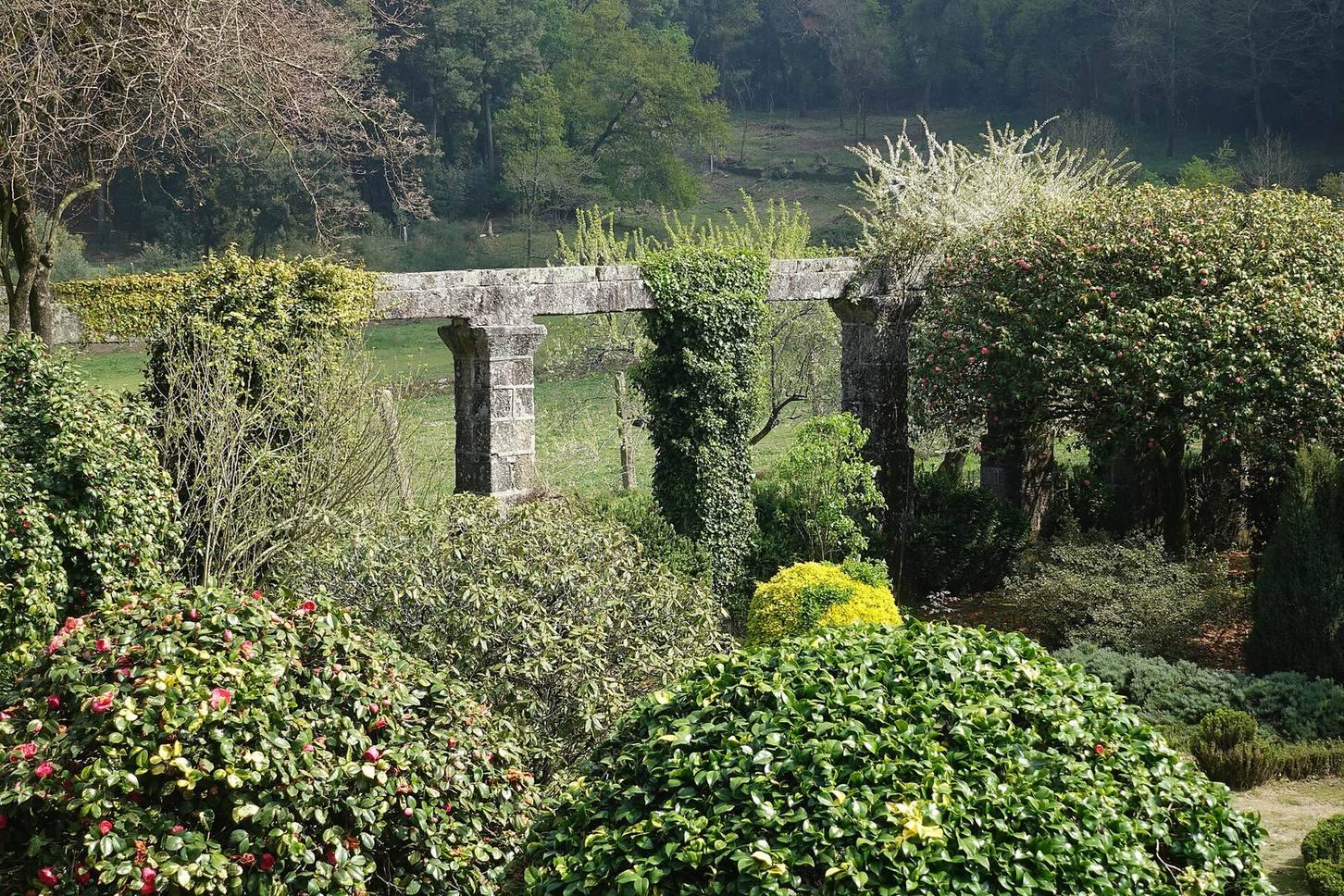
Designed largely in the nineteenth century, the gardens include boxwood beds and granite channels that carry water from natural springs. Other recorded plantings include lime trees, ornamental plants and native species characteristic of northern Portugal.
Woodland
The woodland includes a coast redwood about 40 metres tall, a Douglas fir about 30 metres tall and a tulip tree close to 36 metres tall. Together with the gardens and agricultural areas, it provides habitat for regional birds and small mammals.