Casa de Juntas de Avellaneda: Historic Assembly Complex of Las Encartaciones
Site at a Glance
- Rating
- 4.5
- Popularity
- Low
- Country
- Spain
- Primary era
- Early Modern
- External website
- Open
- Eras represented
- Early Modern, Modern
- Civilizations
- Crown of Castile
- Site type
- Civic
On this page14 sections
History
Casa de Juntas de Avellaneda is a monumental complex in Sopuerta, Biscay, Spain, built and developed as the meeting place of the councils and valleys of Las Encartaciones. The assemblies exercised the district’s customary legal and administrative rights through its own fueros, bodies of territorially specific laws and privileges, until their integration into the General Assemblies of Biscay in 1801.
Las Encartaciones and its assemblies
Las Encartaciones became part of the Lordship of Biscay in the thirteenth century, alongside Biscay proper and the Merindad of Durango. A merindad was a territorial jurisdiction with administrative and judicial functions. Although the district formed part of this wider political structure, it retained its own fuero and general assembly. Orozko joined the wider Biscayan structure in the eighteenth century, while the separate legal traditions of Las Encartaciones and Durango continued.
The oldest surviving reference to the assemblies dates from 1394. Meetings were first held in the open fields of Avellaneda, beside a notable oak and near the tower house of the local lords. Representatives of noble families attended with soldiers and relatives, and representatives of the common population later took part as well. During the medieval period, several representatives came from each constituent community. In the early modern period, participation was reduced to one representative from each council, and from 1495 each council or valley sent one representative under the presidency of the Teniente Corregidor, a lieutenant official dependent on the Crown’s chief representative in Biscay.
Las Encartaciones was organized into ten republics. These included Somorrostro Valley, Salcedo Valley with Güeñes and Zalla, Carranza Valley, Gordejuela Valley, Trucíos Valley, Arcentales Valley, and the councils of Galdames and Sopuerta. Medieval assemblies also included communities in the Moneo area, now in northern Burgos, such as Moneo, Villarán, Bustillo, Bascuñuelos, Villalacre, Villaverdín, Momediano, and Paresotas. Villaverde Valley separated from Las Encartaciones in 1325. Baracaldo received the Biscay fuero in 1366 and thereafter attended the assemblies at Guernica, while the towns of Valmaseda, Lanestosa, and Portugalete followed a different fuero and did not participate.
Justice and legal authority
Before the establishment of the corregimiento, the Prestamero Mayor, the senior judicial officer of Biscay, administered justice in Las Encartaciones. The district’s ten republics governed locally through open councils convened among residents and presided over by their oldest or most experienced members.
From 1401, the establishment of the corregimiento created a resident Teniente General, or alcalde mayor, at Avellaneda. This royal-appointed judge could not be a Biscayan and had to come from across the Ebro. He lived at Avellaneda and dealt with civil, criminal, political, administrative, and military cases. Appeals went to the Corregidor, the Crown’s senior judicial and governmental representative in Biscay, who resided at the Chancery of Valladolid, a high royal court of justice in Castile.
The Fuero de Uso y Costumbres, written in 1394, provided the legal foundation for the district’s authority. Under Corregidor Gonzalo Moro, the Ordinance of Las Encartaciones was set out in 45 articles or sections. It drew on the Ordinance of the Brotherhood of Biscay, while changing some penalties and adding local civil provisions. The ordinance expressly gave the Assembly of Avellaneda the power to determine and authoritatively interpret the law of Las Encartaciones.
Political change and the end of the assemblies
The relationship between the assemblies of Las Encartaciones and the General Assemblies of Biscay at Guernica was sometimes contentious. Las Encartaciones sent one or two representatives to Guernica, while the Lordship’s integration policy during the seventeenth century prompted internal disputes. In the second half of that century, the United Republics were formed by Gordejuela Valley, the councils of Güeñes, Zalla, and Galdames, and the three councils of Somorrostro. They remained politically within Las Encartaciones but took part in the general assemblies with their own votes.
Full integration of Las Encartaciones into the General Assemblies of Guernica was decided in 1801, ending the meetings at Avellaneda. The complex itself ceased to be used in 1806. The Biscay fueros were abolished and the General Assemblies of Biscay were dissolved in 1876, although the assemblies were restored in 1979. Casa de Juntas de Avellaneda is now one of their three historic seats, together with the Assembly House of Guernica and the Foral Field of Guerediaga in Abadiño.
Restoration and museum use
After the assemblies ended, the complex suffered severe neglect. In 1901, the Provincial Deputation of Biscay commissioned Antonio Carlevaris to recover the Assembly House, the prison, and the Corregidor’s House while retaining their exterior appearance. Diego de Basterra carried out an interior reform in 1931 to create a museum.
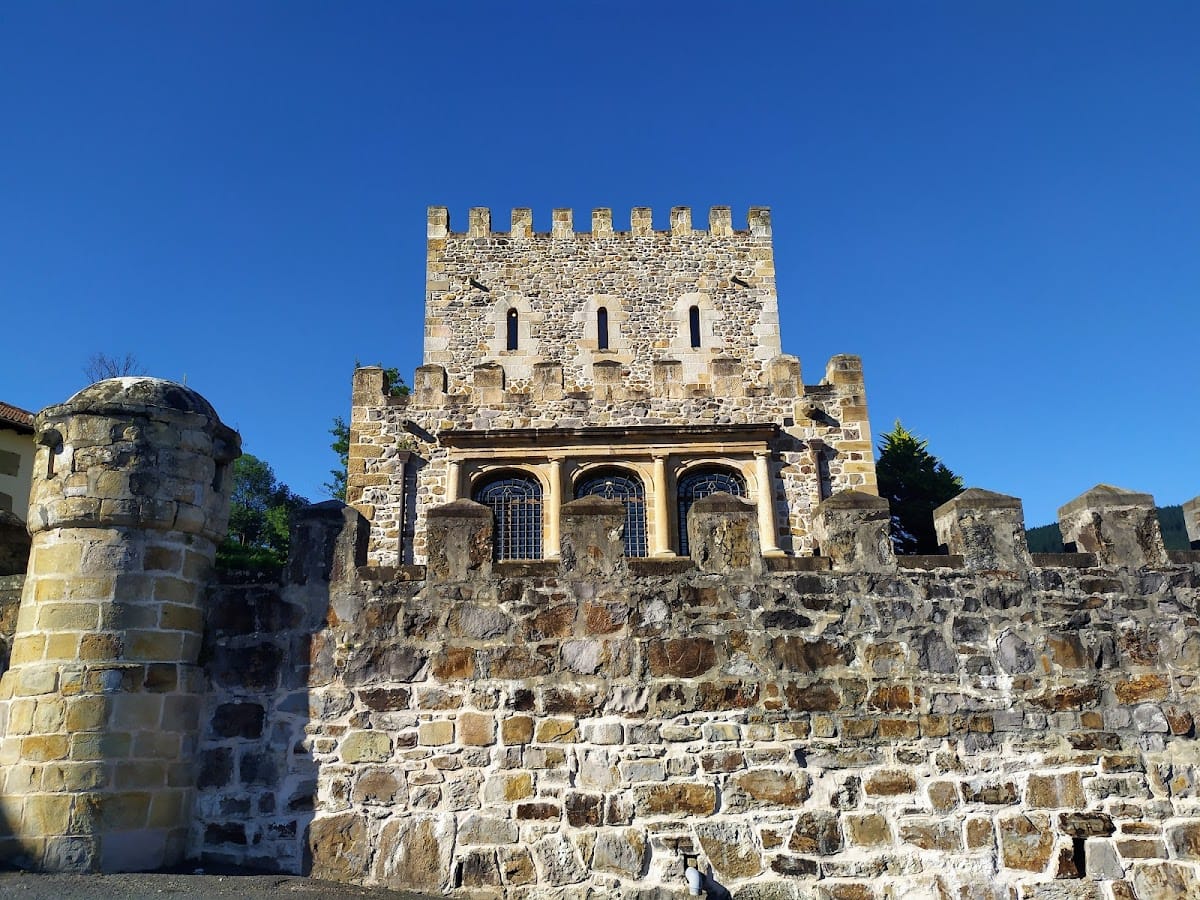
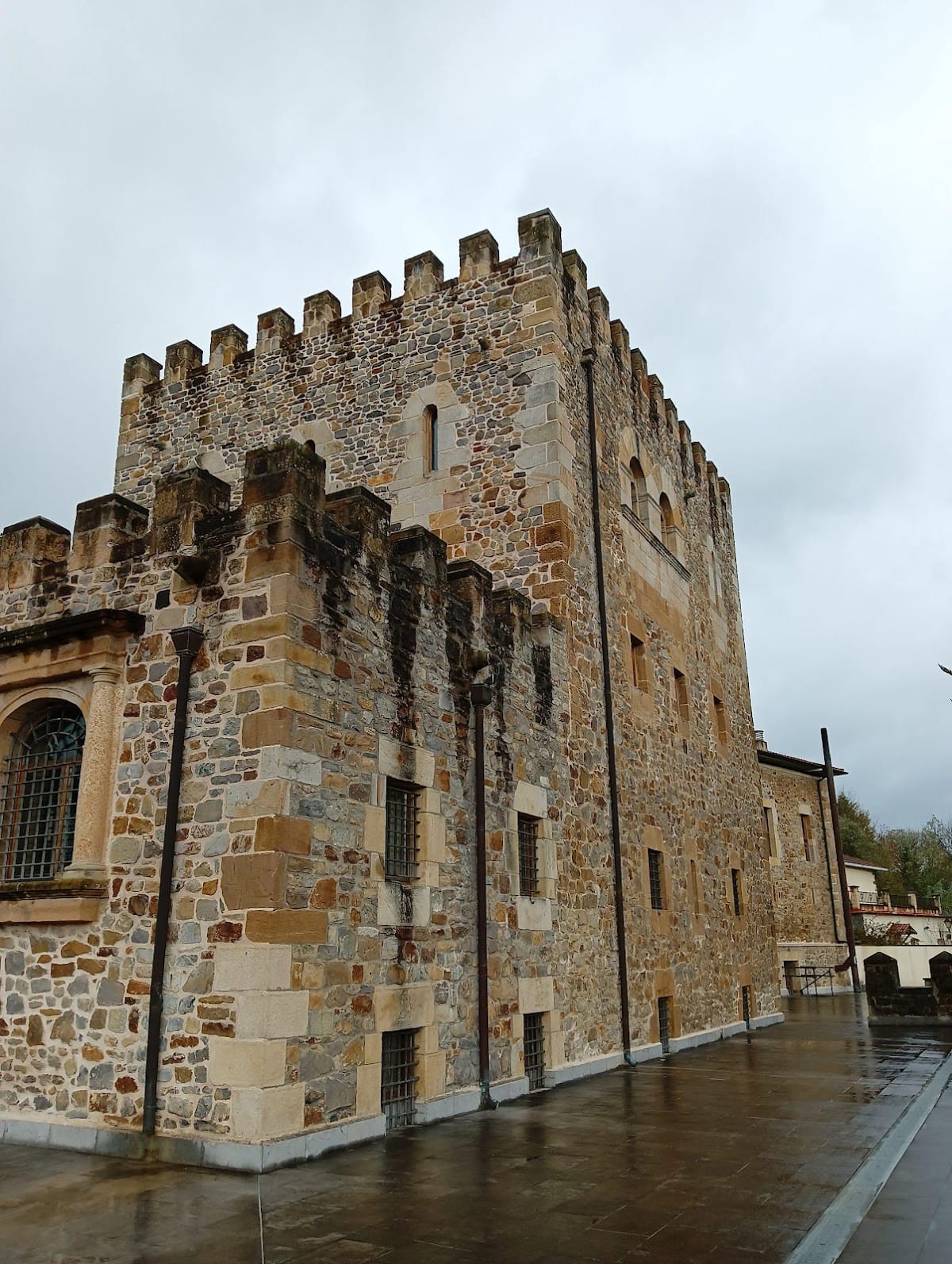
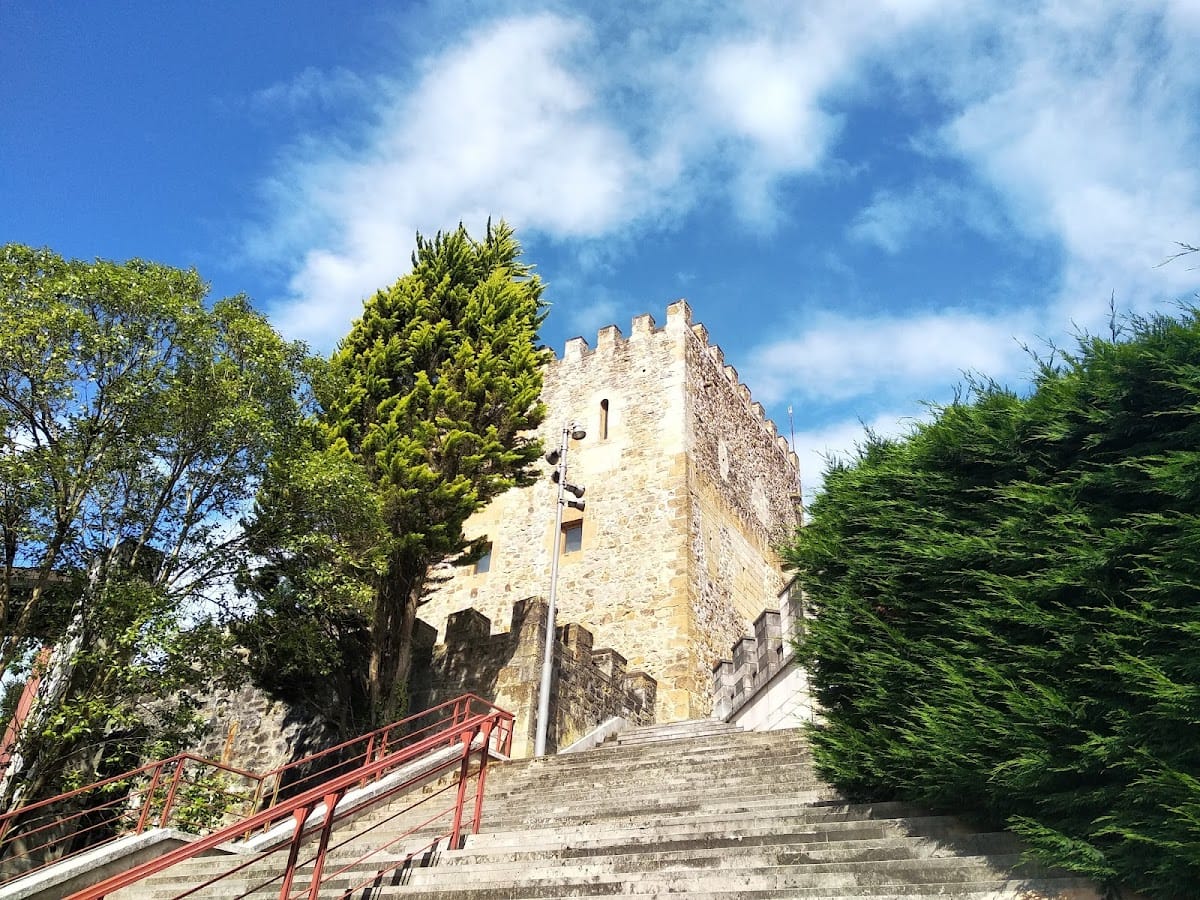
A comprehensive reform between 1942 and 1957, directed by Eugenio de Aguinaga, gave the complex a strongly medievalized appearance. The Assembly House became associated with the Museo de la Casa de Juntas de Avellaneda, inaugurated in 1968. After another comprehensive renewal, the present Museo de Las Encartaciones opened on 26 October 1994. It promotes research, exhibitions, publications, educational activities, heritage restoration and acquisition, and cultural programming concerning the history of Las Encartaciones.
Remains
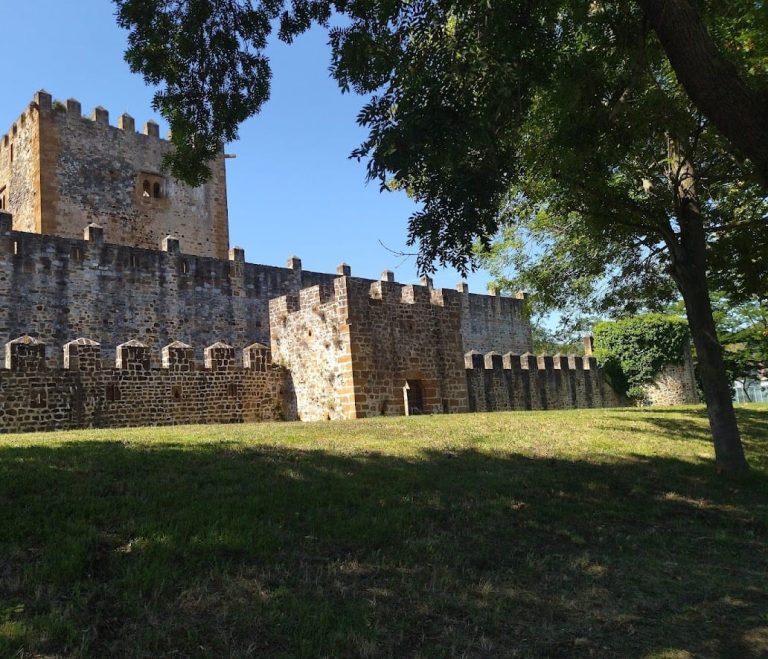
The complex developed around the historic assembly site beside the meeting oak and the former tower house of the lords of Avellaneda. Its surviving arrangement combines the Assembly House, the Corregidor’s House, the prison, the former inn, a reconstructed chapel, and a later museum building. Older structures retain a historicized exterior, while the interiors were redistributed for galleries and offices during modern reforms.
Assembly House and judicial buildings
Early Assembly House
The first purpose-built Assembly House was erected at the beginning of the sixteenth century beside the traditional meeting oak. By 1535 it had two storeys. The ground floor contained a prison, while the upper floor served as the auditorium for the assemblies.
Seventeenth-century Assembly House
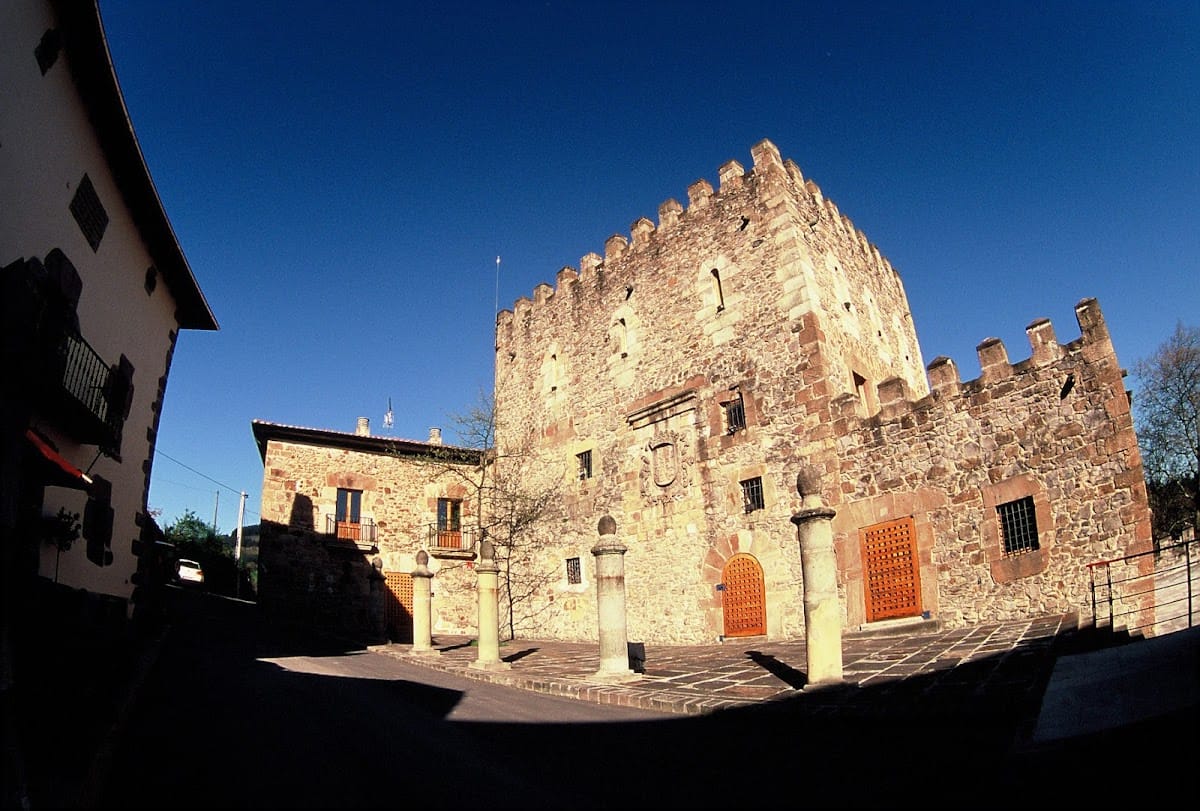
A replacement was decided upon in 1592 because the earlier building had deteriorated. The new Assembly House entered service in 1635. It had a square plan, a four-sided roof, and an entrance arch crowned by a coat of arms. The reform of 1942 to 1957 added another storey, battlements, and windows designed in Romanesque and Renaissance styles. A projecting structure linked it to the Corregidor’s House, and the building now contains museum spaces.
Corregidor’s House
A nearby building was acquired from Santiago de Urrutia in 1597 for use as the residence of the Corregidor. Its demolition and replacement were decided upon in 1750. The present arrangement links the Corregidor’s House to the Assembly House, and the building accommodates museum offices.
Chapel and assembly inn
Chapel of the Guardian Angel
A chapel dedicated to the Guardian Angel stood opposite the Assembly House. It was demolished in 1771 to make way for accommodation for assembly members. A new chapel was built beside the replacement building and reconstructed during the 1960s.
Assembly inn
The inn for assembly members was built in 1771 to accommodate those attending the meetings. It is a Baroque building with a four-sided roof and forms part of the complex’s surviving architectural group.
Museum-era arrangement
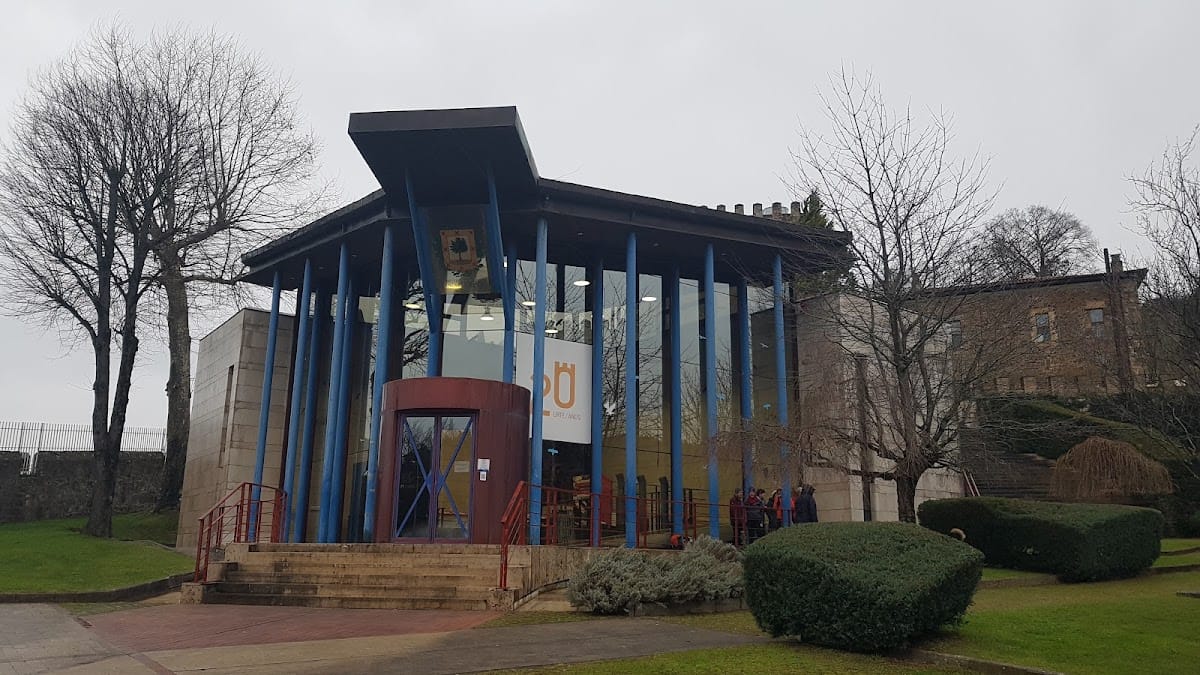
The 1989 intervention by Javier Muñoz and Josu Urriolabeitia established the complex’s present general arrangement. A new building in a modern form was added in front of the older structures, and the interiors were redistributed for museum galleries and offices. The renewal also created a garden and an auditorium.
The museum interiors contain original pieces and reproductions, including spears, shields, and tapestries intended to evoke a medieval tower. A spiral staircase and the prison form part of the museum-era interior arrangement, linking the complex’s judicial and assembly history with its current exhibition use.