Carreg Coetan Arthur: A Neolithic Portal Tomb in Wales
Site at a Glance
- Rating
- 4.4
- Popularity
- Medium
- Country
- United Kingdom
- Primary era
- Stone Age
- Eras represented
- Stone Age
- Civilizations
- Unclassified
- Site type
- Burial
- Remains
- Tomb
On this page4 sections
History
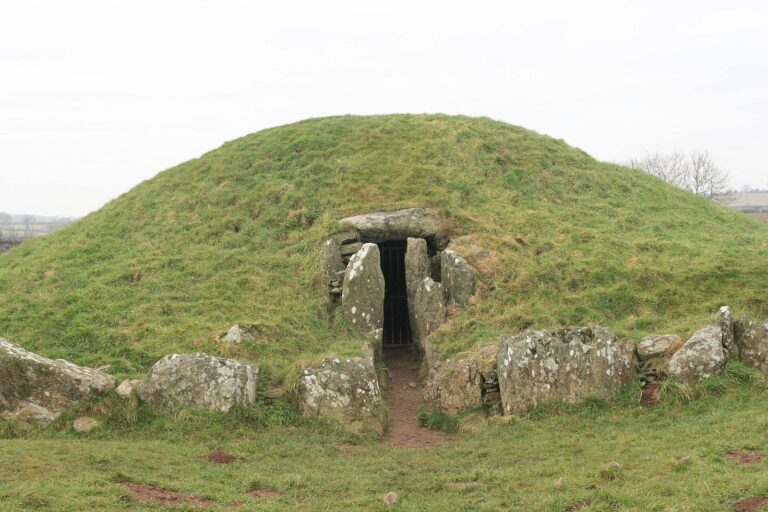
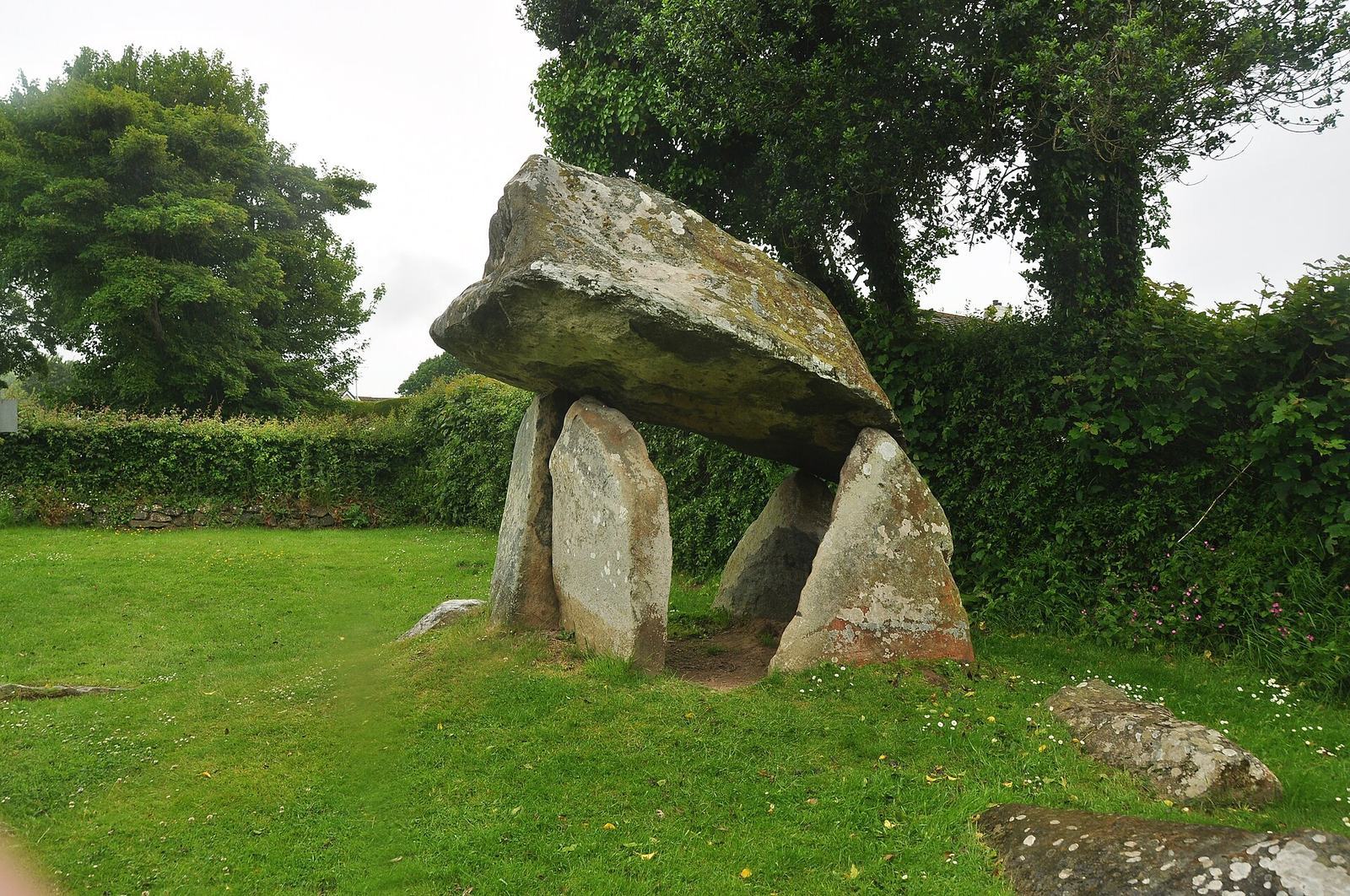
Carreg Coetan Arthur is a Neolithic burial chamber near Newport in Pembrokeshire, Wales, United Kingdom. The Neolithic was the later Stone Age, when farming communities built megalithic tombs. Carreg Coetan Arthur is a portal tomb, a chambered grave whose entrance is framed by large upright stones and a capstone. Its construction is generally placed around 3000 BC, while radiocarbon dating suggests a date around 2700 BC.
The tomb’s arrangement has been interpreted as linking it with a group of Neolithic burial chambers in Ireland. Dyfed, a historic region in southwestern Wales, and southeastern Ireland had strong connections in prehistoric and early historic times.
The monument is associated with the Arthurian cycle, the legends surrounding King Arthur, but has no historical connection to the legendary ruler. Cadw, the Welsh government’s historic-environment service, owns and manages the site. It is a scheduled monument, a place given legal protection for its archaeological or historic importance.
Remains
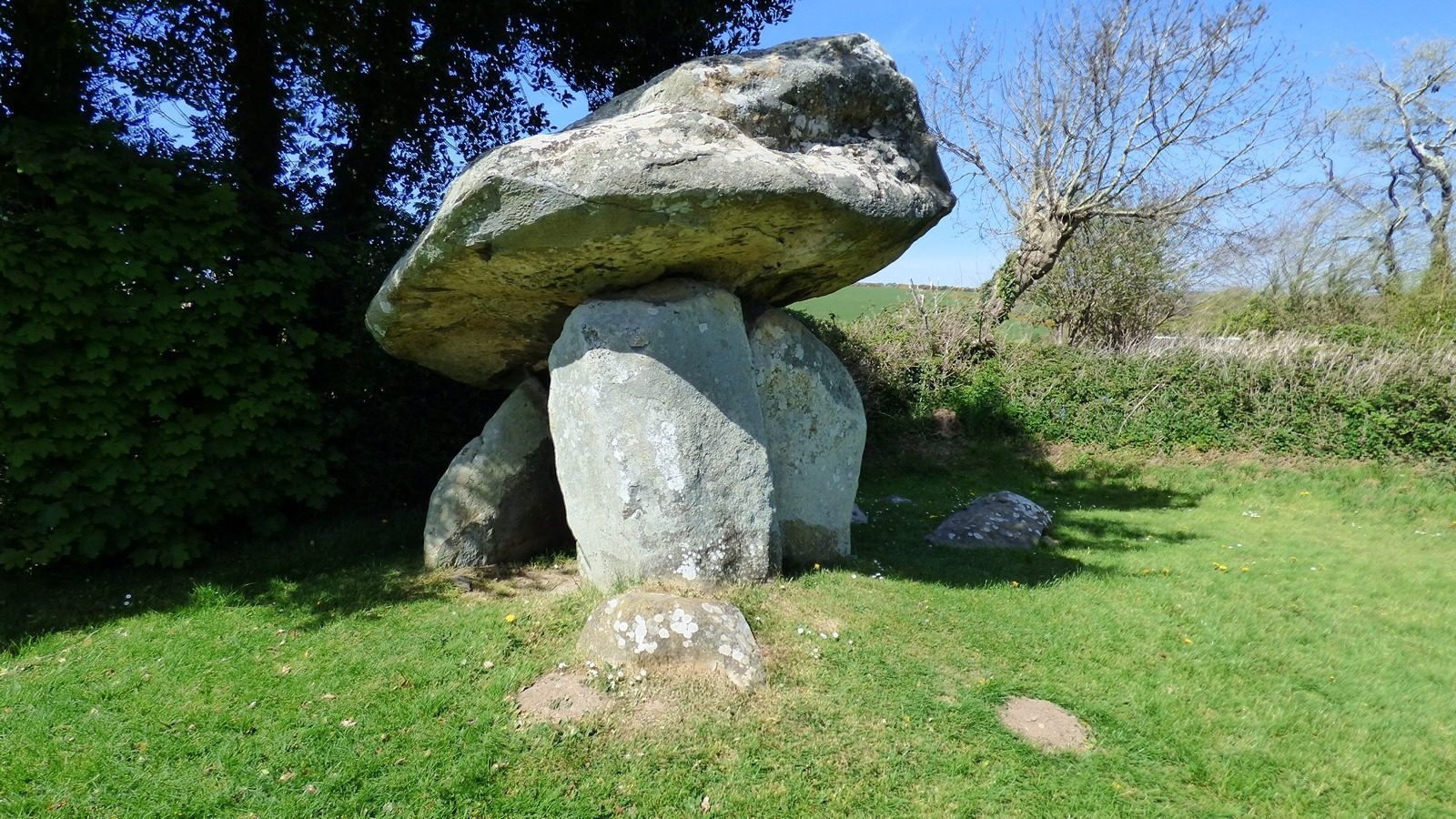
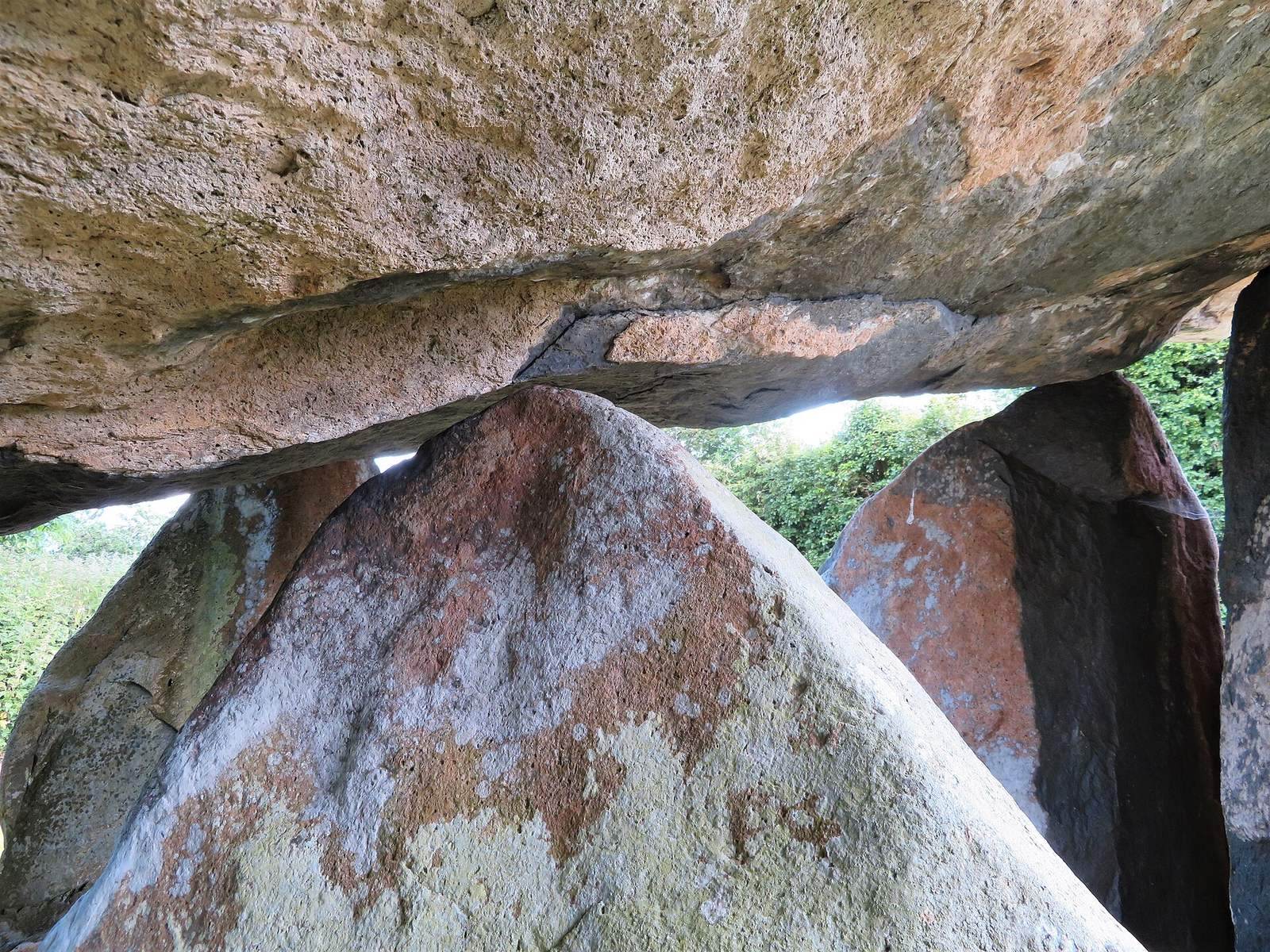
The surviving stones form an almost complete burial chamber, with a small rectangular interior, a tall entrance and a substantial capstone. The tomb originally stood beneath an earthen mound.
Chamber and entrance
Four upright stones survive, with a capstone about four metres long resting on some of them. The entrance was designed in an H-shaped arrangement, with two tall portal stones and a tall closing slab between them. The shape of the capstone emphasizes the entrance’s height, while stones around the chamber help indicate the tomb’s original form.
Mound and excavated finds
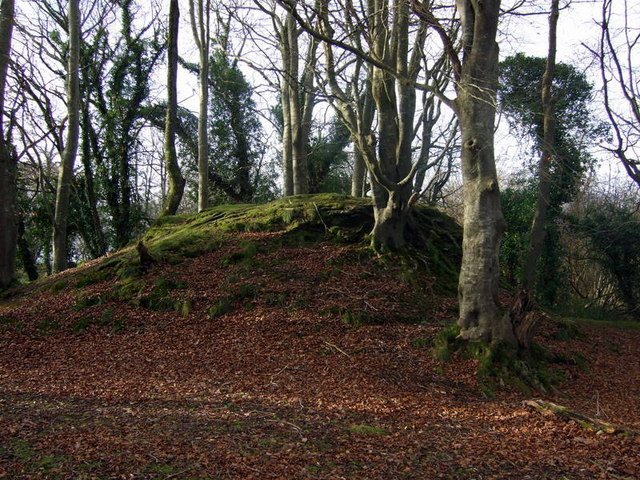
Erosion has reduced the earthen covering to traces in places. A low rise about two metres in front of the entrance may indicate material used for the mound. Excavations recovered small quantities of burnt human bone, two small pottery sherds from beakers, and three sherds from a decorated pot.