Burg Obbendorf: A Former Knightly Estate in Germany

Site at a Glance
- Rating
- 4.7
- Popularity
- Low
- Country
- Germany
- Primary era
- Medieval
- External website
- Open
- Eras represented
- Medieval, Early Modern, Modern
- Civilizations
- German, Holy Roman Empire, Kingdom of Prussia
- Site type
- Domestic
- Remains
- Castle
On this page7 sections
History
Burg Obbendorf is a former knightly estate in Germany, located in what is now Niederzier, and it was first documented in 893 in the Prüm Urbar, a medieval estate register associated with Prüm Abbey. The property developed through successive phases of noble ownership, rebuilding, agricultural use, and modern conversion.
Medieval ownership
The first known owner was the knight Reinhard von Oppendorp, who was recorded in 1301. From 1350 to 1481, Burg Obbendorf belonged to the Schellart family, relatives of Reinhard von Oppendorp. In 1404, Johann Schellart de Oppendorf, the ducal court steward, was also granted Burg Gürzenich as a fief, meaning land or rights formally bestowed by a superior in return for service and loyalty. The estate was then known as “Obendorph.”
Hermann von Hammerstein is recorded as the owner in 1481. The von Hammerstein family retained the property until the beginning of the seventeenth century, when the complex entered a major phase of rebuilding.
Rebuilding and noble ownership
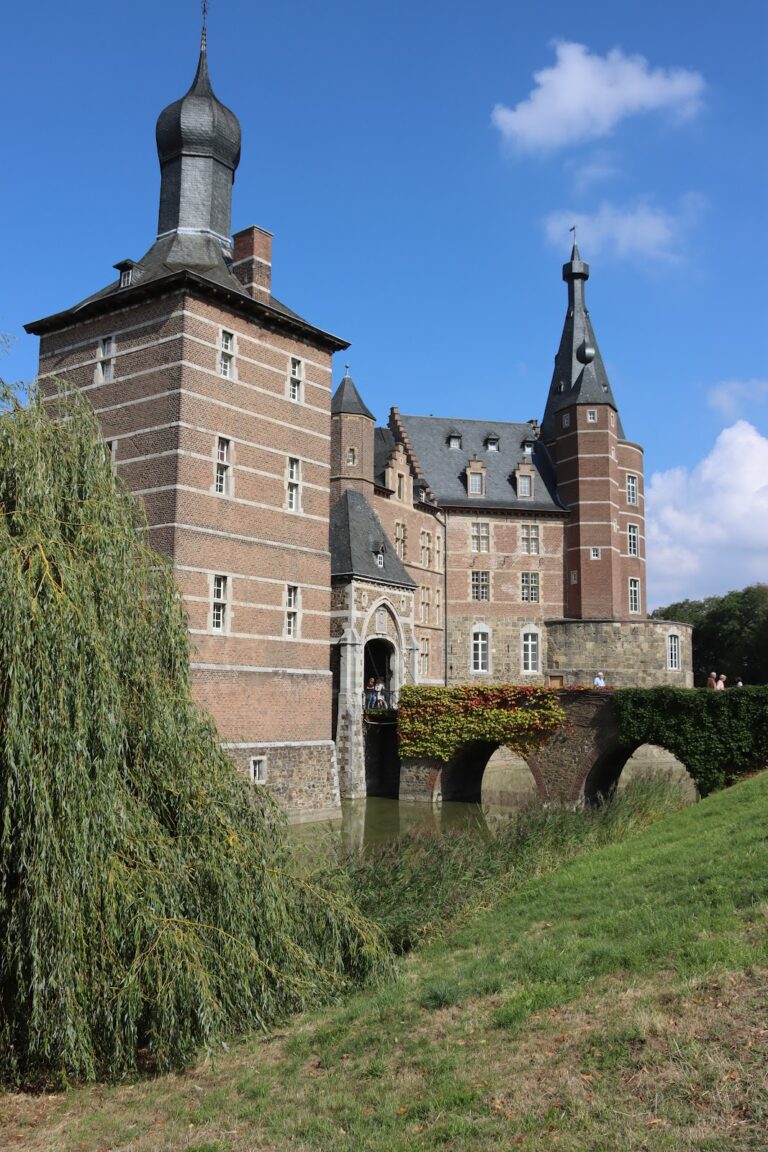
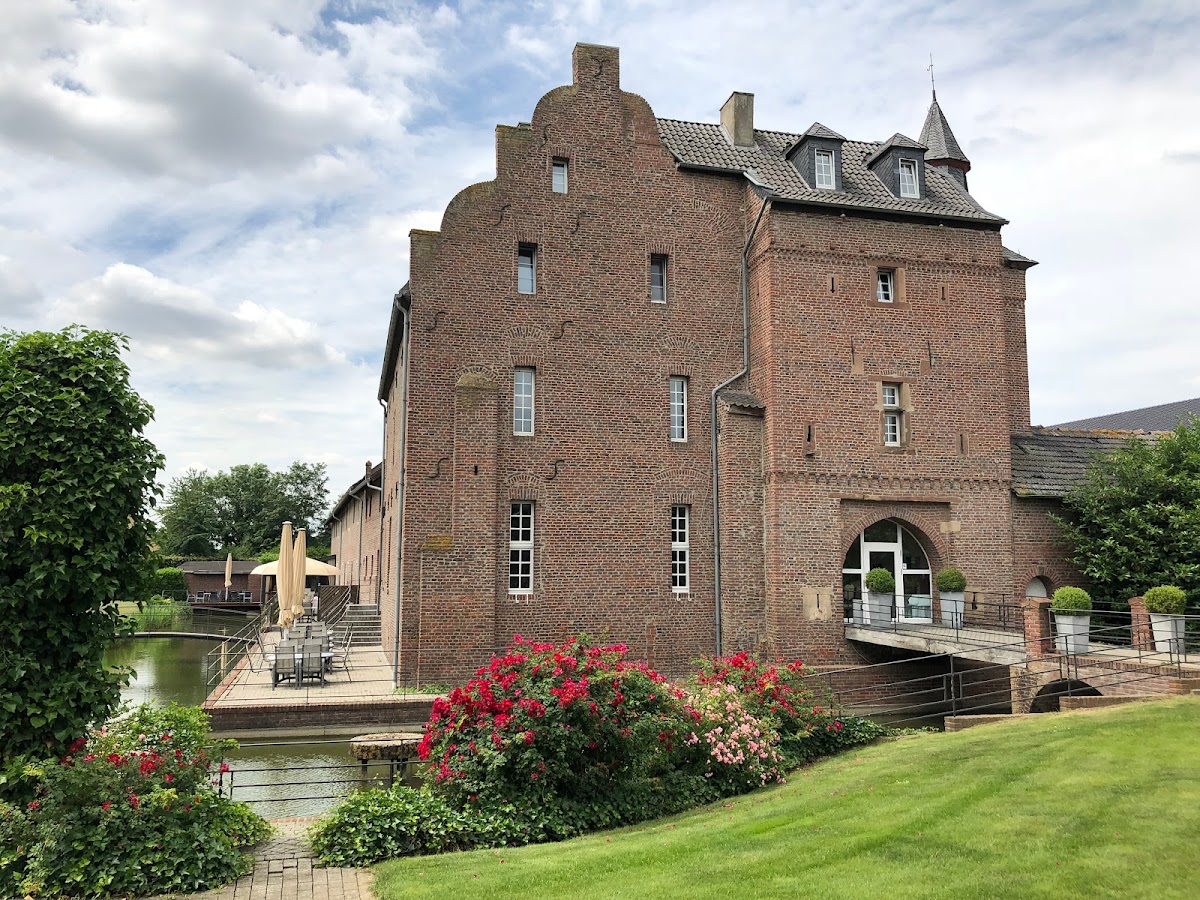
In 1604, the von Hammerstein family completely rebuilt the residential buildings and altered the gate tower. The tower was adapted for residential use, and its uppermost storey was removed. This rebuilding gave the estate its prominent Renaissance features, a style that revived classical forms and often used elaborate stepped or curved gables.
Shortly afterward, Theodor Althoven, vice-chancellor of the Duchy of Jülich-Berg, a historical state in western Germany, acquired the complex for 6,300 Reichstalers. A Reichstaler was a widely used silver coin and accounting unit in the German territories. Althoven’s grandchildren later sold the indebted estate in 1764 to its principal creditor, Baron von Hallberg.
Agricultural and modern use
After 1850, Burg Obbendorf was converted into an agricultural enterprise. Hubert Müller acquired the property in 1907 and enlarged it with a northern stable wing, creating a closed farm complex. The estate remains in the possession of his descendants.
Extensive renovation in 1995 led to the complex’s conversion into a hotel-restaurant, its present function. Burg Obbendorf is recognized as an architectural heritage monument in North Rhine-Westphalia.
Remains
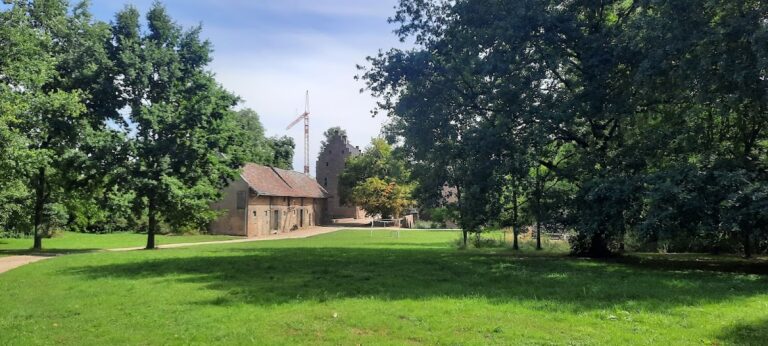
Burg Obbendorf is a lowland castle, a fortified residence built on relatively level and often damp terrain. Its buildings form a four-wing rectangle around an inner courtyard, and substantial parts of the historic complex survive. The construction is chiefly in brick, reflecting the character of a lowland estate rather than a hilltop fortress.
Residential and defensive buildings
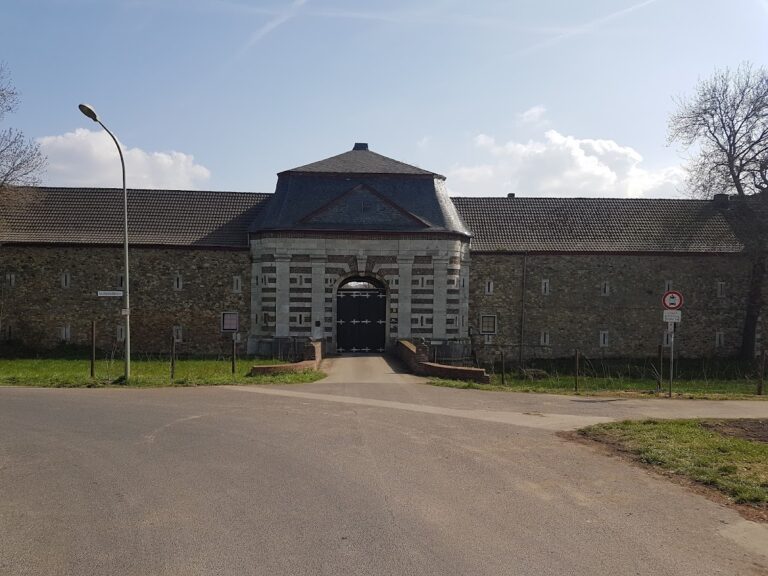
The residential building occupies the eastern corner of the complex. Its prominent Renaissance gables give the building its most visible architectural character, while wall anchors indicate the date 1604. A three-storey gate tower adjoins the residence on the north. The tower and its foundations are the oldest surviving parts of Burg Obbendorf, dating from the late thirteenth or early fourteenth century. Its later conversion for residential use and the removal of its uppermost storey belong to the rebuilding of 1604.
Agricultural wings and moat remains
The former agricultural buildings occupy the south and north wings and date from the nineteenth century. The northern stable wing was added in 1907, completing the enclosed farm arrangement. Small sections of the former moats survive around the complex, preserving evidence of the defensive setting that once surrounded the lowland castle.