Lauterbach Castle: A Former Town Fortification and Renaissance Palace
Site at a Glance
- Rating
- 4.4
- Popularity
- Low
- Country
- Germany
- Primary era
- Modern
- Eras represented
- Medieval, Early Modern, Modern
- Civilizations
- German, Holy Roman Empire
- Site type
- Domestic
- Remains
- Castle
On this page8 sections
History
Medieval origins and Renaissance development
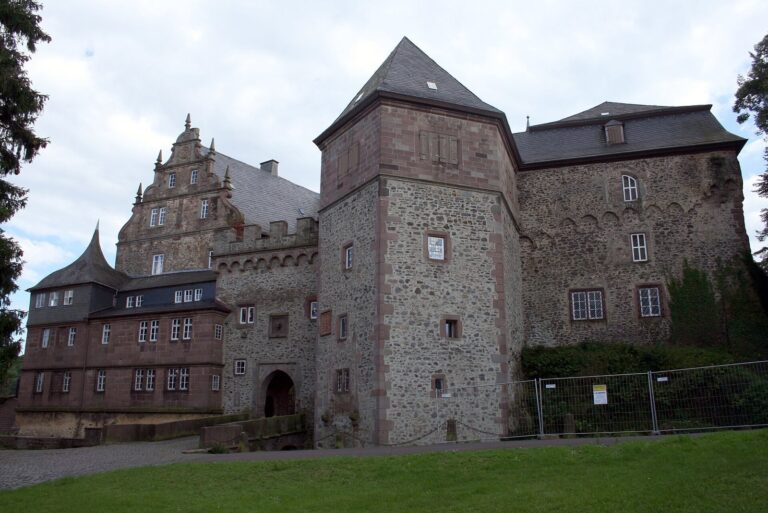
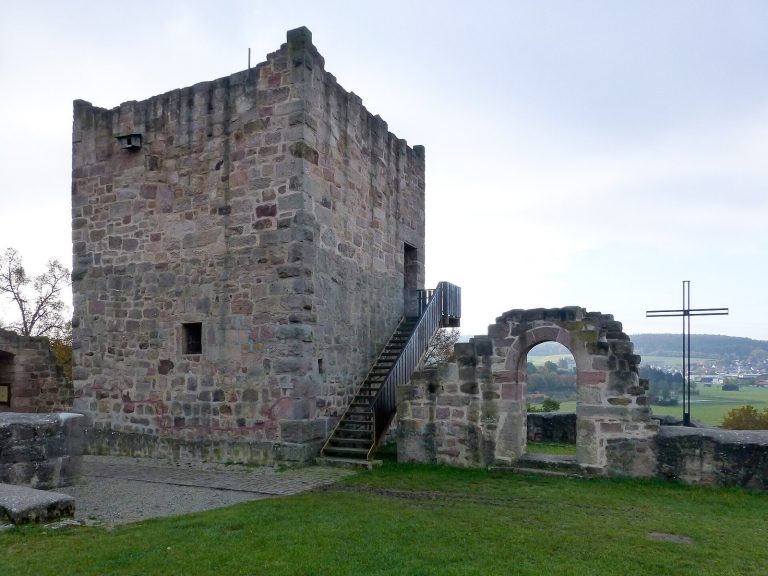
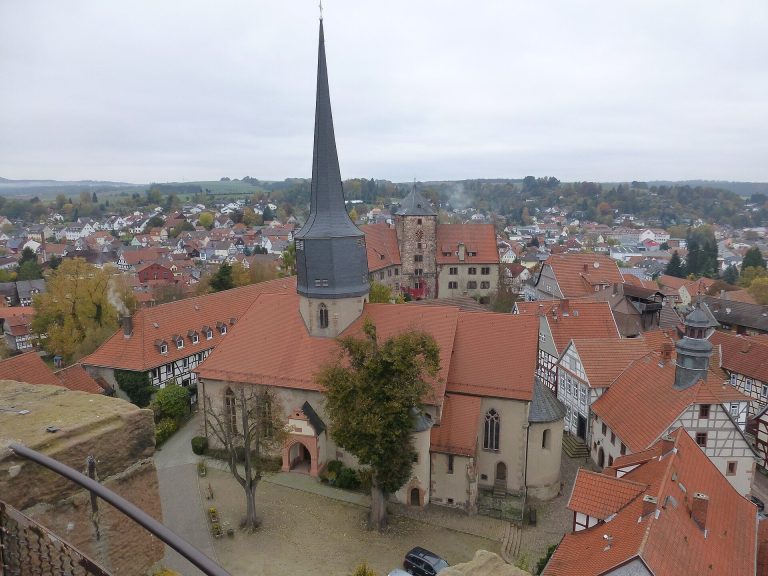
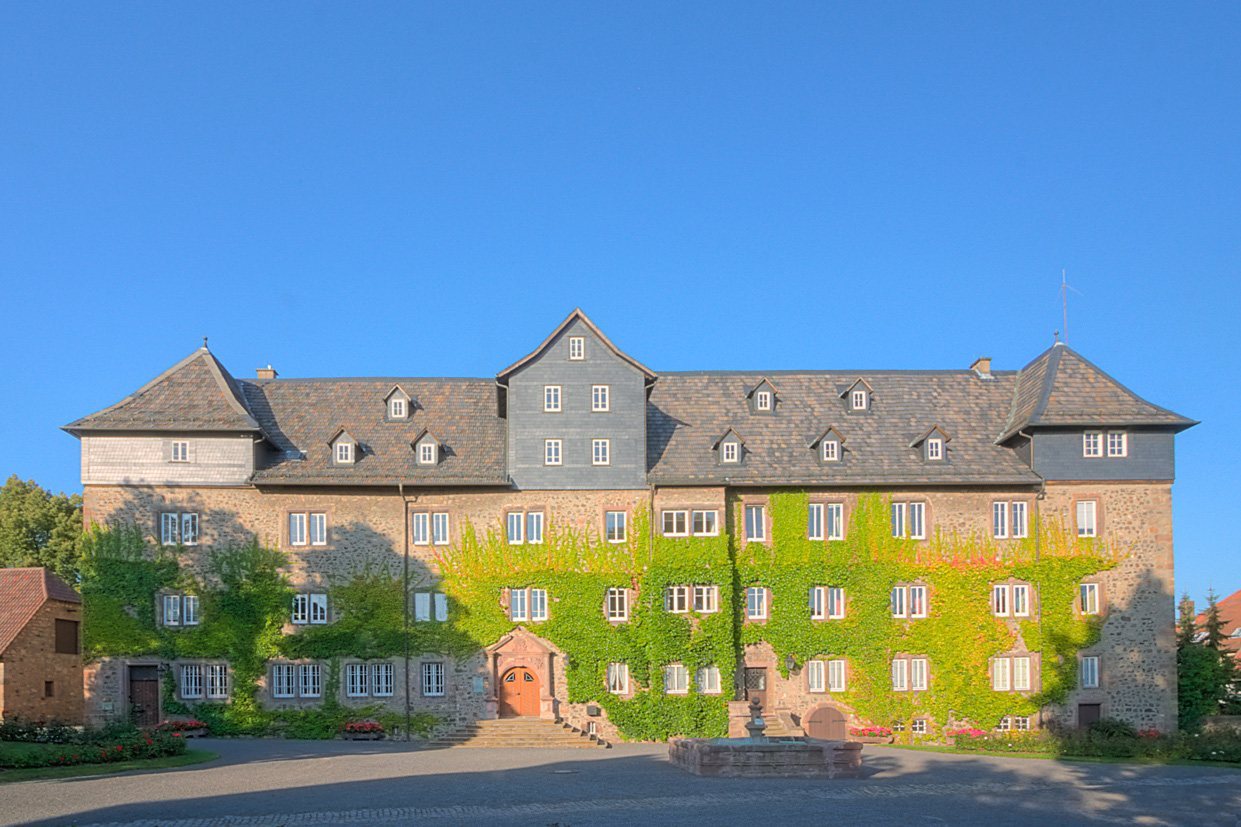
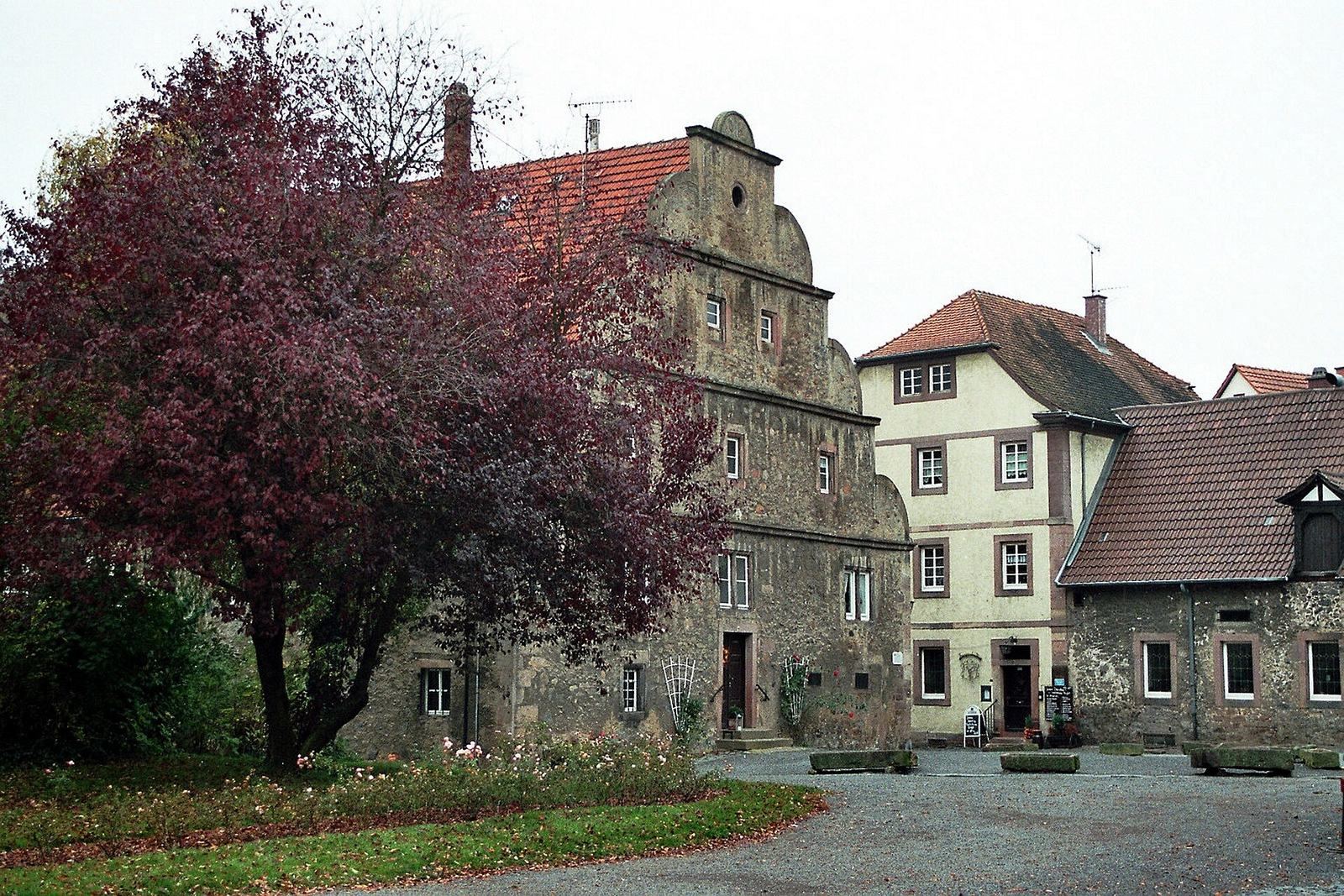
Lauterbach Castle is a former fortress and later palace in Lauterbach, Hesse, Germany. Dated to around 1266, it first appears in records that year, when Lauterbach became a town. The castle served as a defensive tower on the western side of the town’s fortifications.
In 1580–1581, the main building, which originated in the medieval Gothic period, was developed into a palace in the Renaissance style, a period of architecture inspired by renewed interest in classical forms. Volpert Christian Riedesel zu Eisenbach (1710–1798), an Electoral Saxon infantry general, governor of Dresden, and president of the General Court-Martial, was born at the castle.
Damage, rebuilding, and later use
The palace suffered severe damage during the March Revolution of 1848, a wave of liberal and nationalist uprisings across the German states. It was rebuilt around 1887 in the form it has today.
The complex now houses the administration of the Barons Riedesel zu Eisenbach and the Riedesel family archive.
Remains
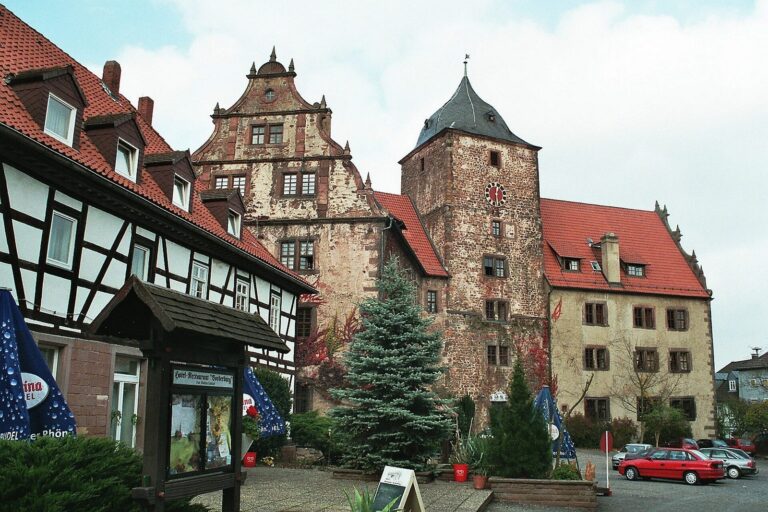
The former castle survives as a palace complex with a main building, side sections, a tenant house, a gate, and a courtyard whose form dates to the second half of the seventeenth century. The side sections have half-timbered upper stories.
Buildings and courtyard
Main building and courtyard
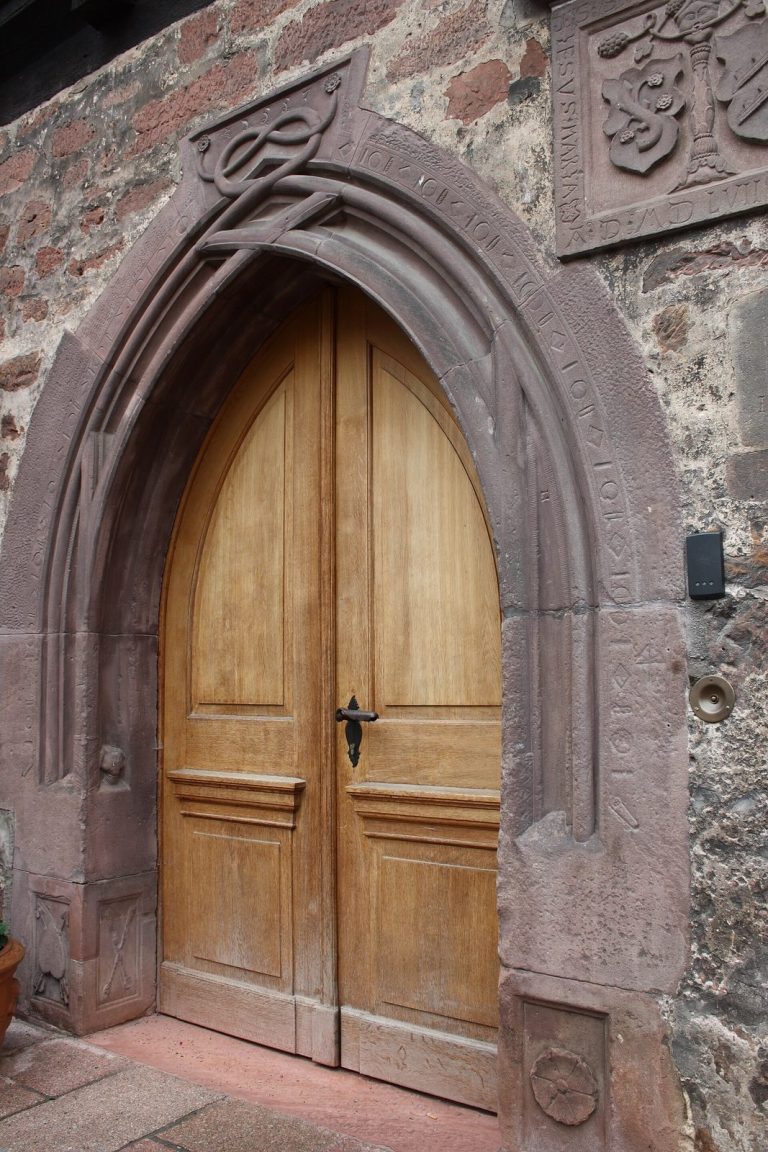
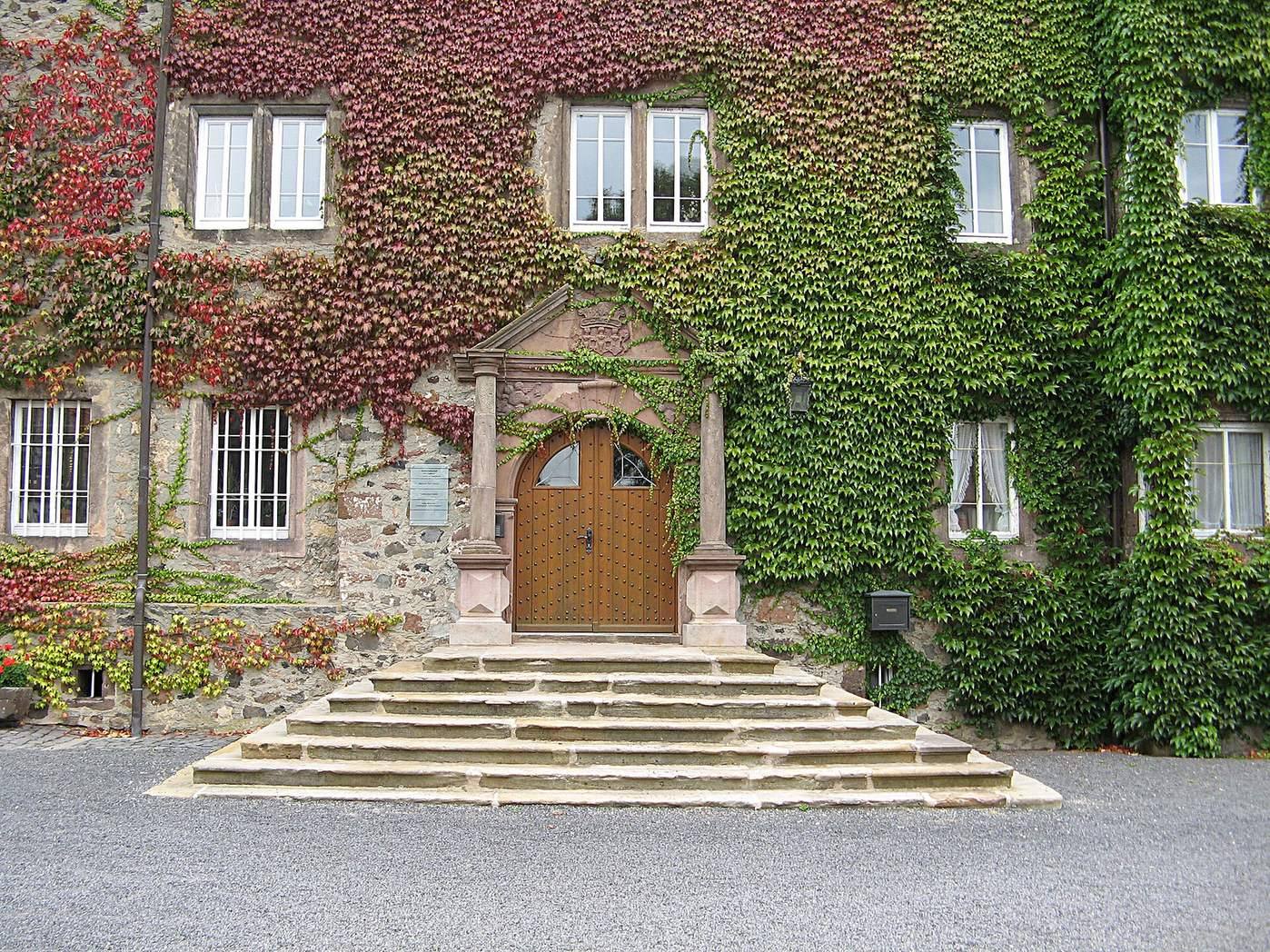
The main building has a Renaissance entrance portal decorated with a coat of arms. A pipe-fed fountain was installed during the palace’s development in 1580–1581. The courtyard retains its form from the second half of the seventeenth century.
Tenant house and castle gate
The complex includes a tenant house with a curved gable. A heraldic stone on the castle gate bears a Cent designation and a matching number. A Cent was a territorial jurisdiction in German lands, often connected with local judicial authority.
Side sections
The side sections are distinguished by their half-timbered upper stories.