Ehrenberg Castle: A Medieval Stronghold above the Neckar
Site at a Glance
- Popularity
- Medium
- Country
- Germany
- Primary era
- Medieval
- Eras represented
- Medieval, Early Modern
- Civilizations
- Holy Roman Empire
- Site type
- Military
- Remains
- Castle
On this page10 sections
History
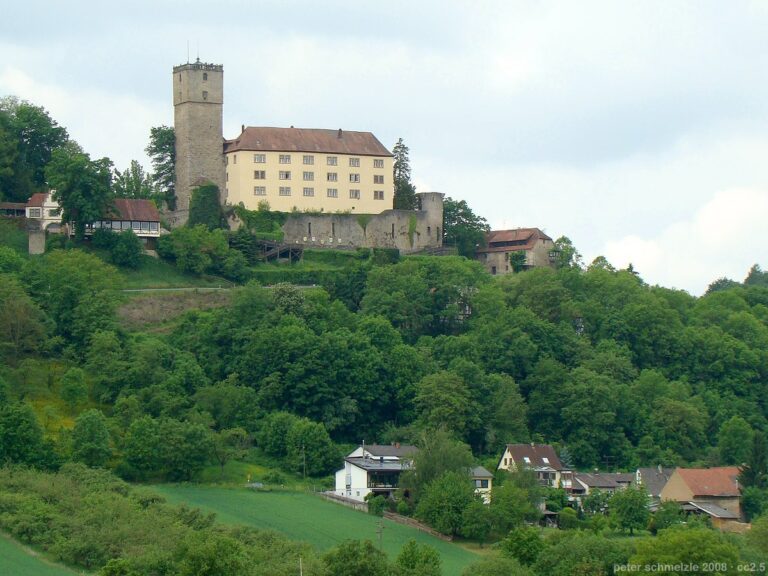
Ehrenberg Castle stands above the Neckar at Heinsheim, now part of Bad Rappenau, Germany. Its construction is commonly attributed to the Counts of Lauffen, a noble family associated with the Neckar region, and placed around 1100. That early date is disputed: some assessments consider construction before 1220 implausible, and the castle’s building history remains uncertain. Its elevated position allowed it to control navigation on the river.
Medieval Lords and Wimpfen
By 1193 at the latest, the Lords of Ehrenberg were established at the castle. They served the Staufer, a medieval German ruling dynasty, as members of the service nobility, whose military or administrative duties were owed to a lord. Ehrenberg was closely associated with the nearby imperial palace at Wimpfen, a ruler’s residence and center of royal authority during stays in the region. The castle has often been interpreted as an outlying part of the palace’s defenses.
War, Abandonment, and Later Ownership
The core castle suffered extensive damage, apparently during the Thirty Years’ War, the European conflict of 1618–1648, and was later abandoned. It may have been destroyed during the war. The outer bailey was built lower on the slope during the 17th and 18th centuries.
The Lords of Ehrenberg died out in the 17th century. The castle, Heinsheim, and the nearby Zimmerhof estate then passed to the Diocese of Worms, a historic Catholic ecclesiastical territory. In 1803, mediatization, the transfer of smaller territories to larger states, placed ownership with the Landgrave of Hesse, a territorial ruler. The castle and Zimmerhof were acquired in 1805 by the von Racknitz barons, whose family still owns the castle.
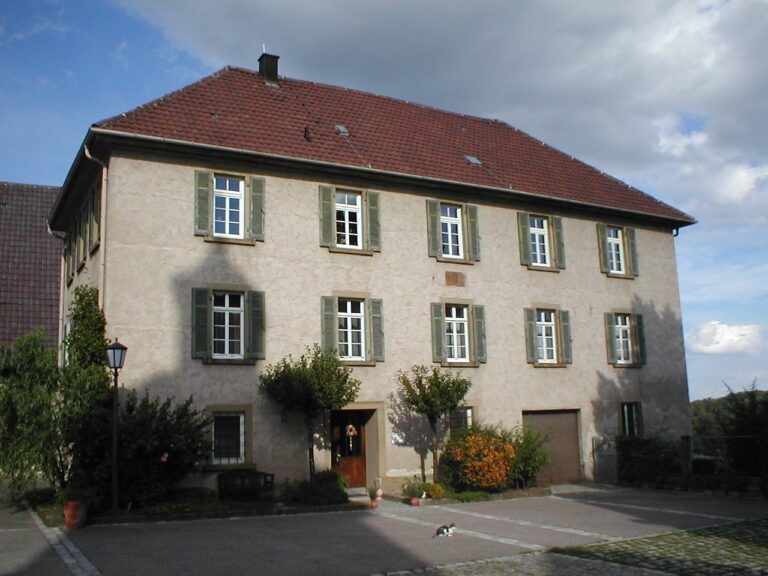
Members of the von Racknitz family live in the outer bailey, while the core-castle ruins are used to breed birds of prey, including falcons, eagles, and hawks. The Ehrenberg vineyard area at Heinsheim, an individually designated site in the Baden wine region, takes its name from the castle.
Remains
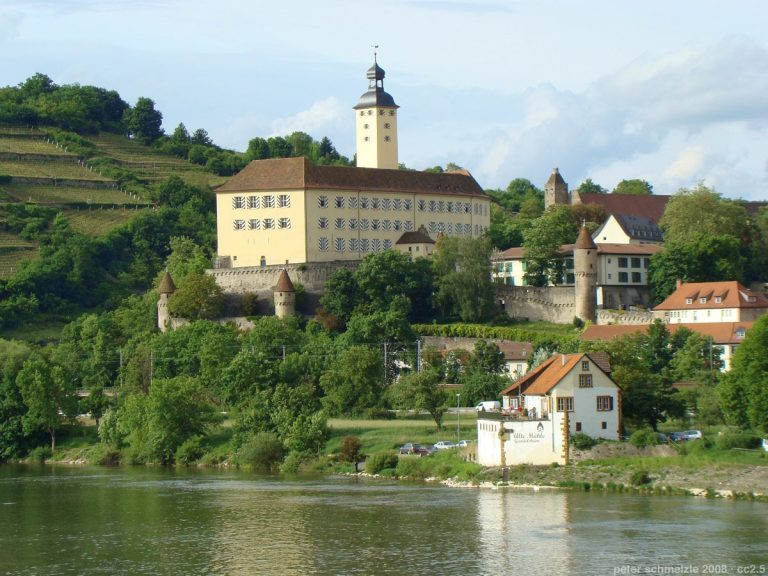
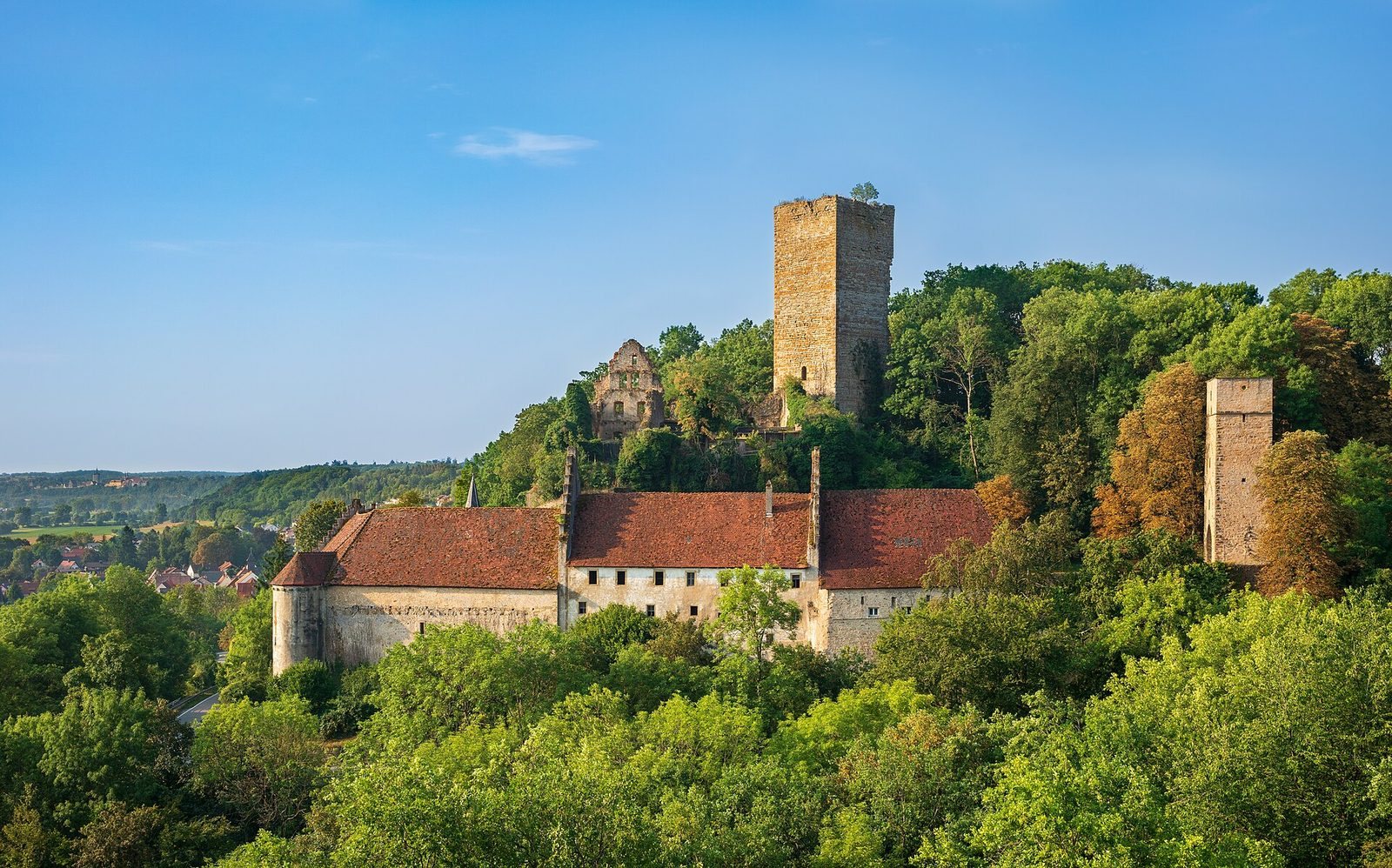
The castle complex has an inner core enclosed by a ring wall, with the outer bailey lower on the slope and surrounding the core. Across the Neckar, historic buildings at Gundelsheim form an ensemble with the castle along the Castle Road.
Core Castle
Ring Wall and Keep
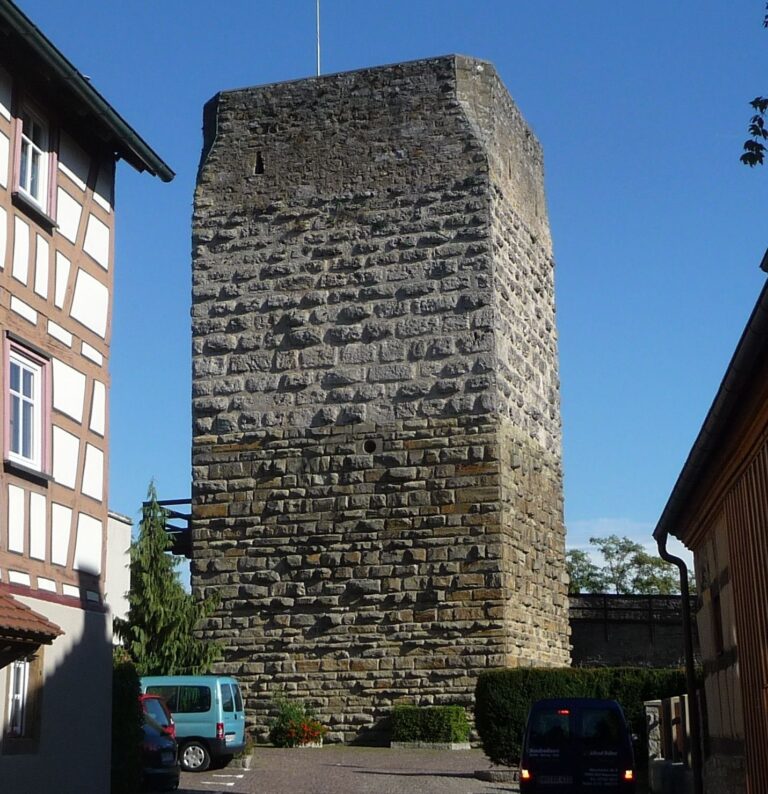
The ring wall is the oldest part of the core castle and is about two metres thick. The surviving keep, the castle’s principal fortified tower, dates to 1235 and rises 50 metres. It is said to have once stood another 10 metres higher.
Other Core Remains
Core-castle buildings date from the 12th and 13th centuries and had massive stone foundations. A gable about 15 metres high survives from one building, while the positions of the other structures can chiefly be traced through their foundations.
Tower Outside the Core
A tower stands outside the core castle, but its date is uncertain. Its unusual size and position have prompted the suggestion that it may belong to Heinsheim’s 10th-century foundation.
Outer Bailey
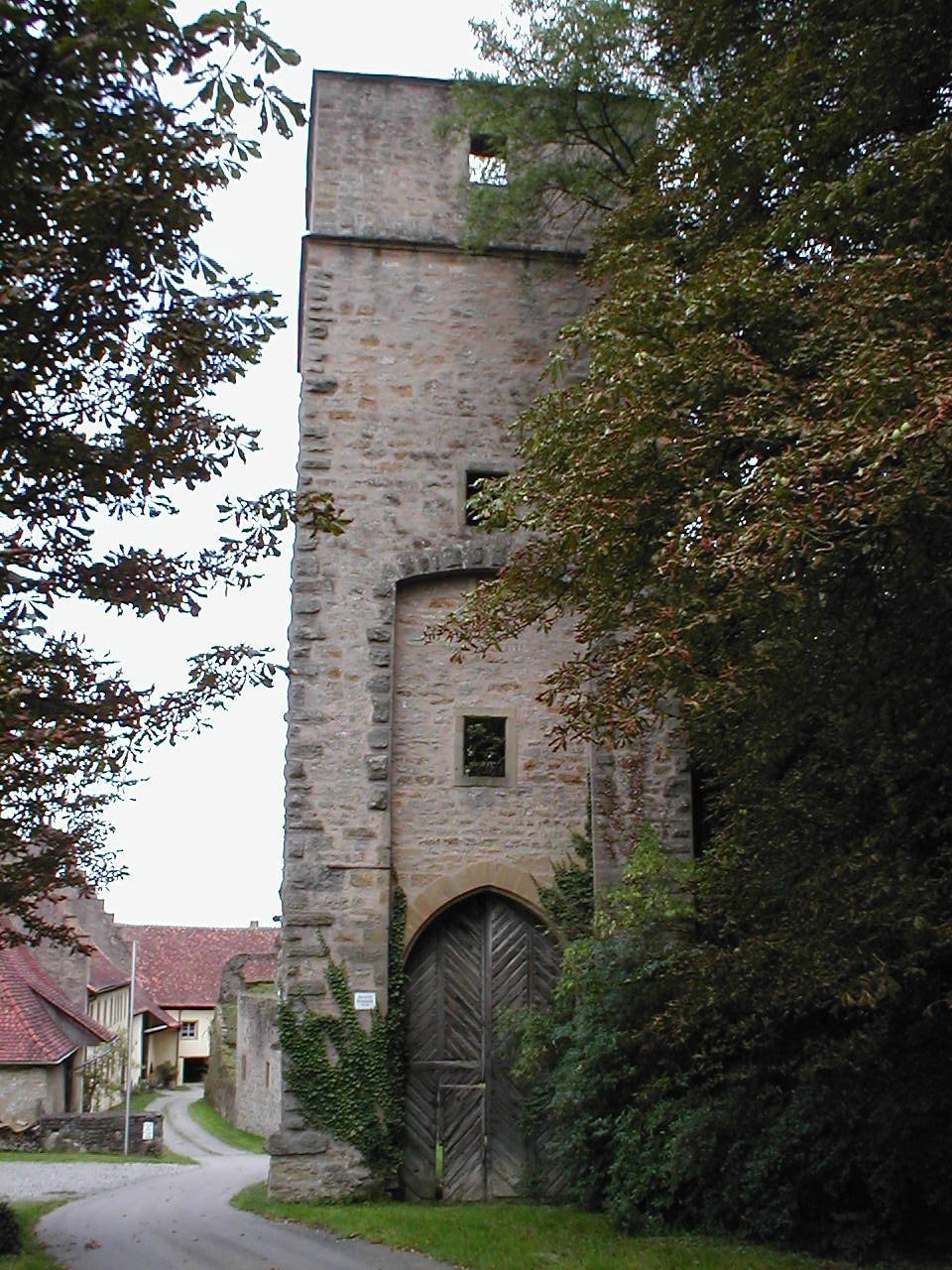
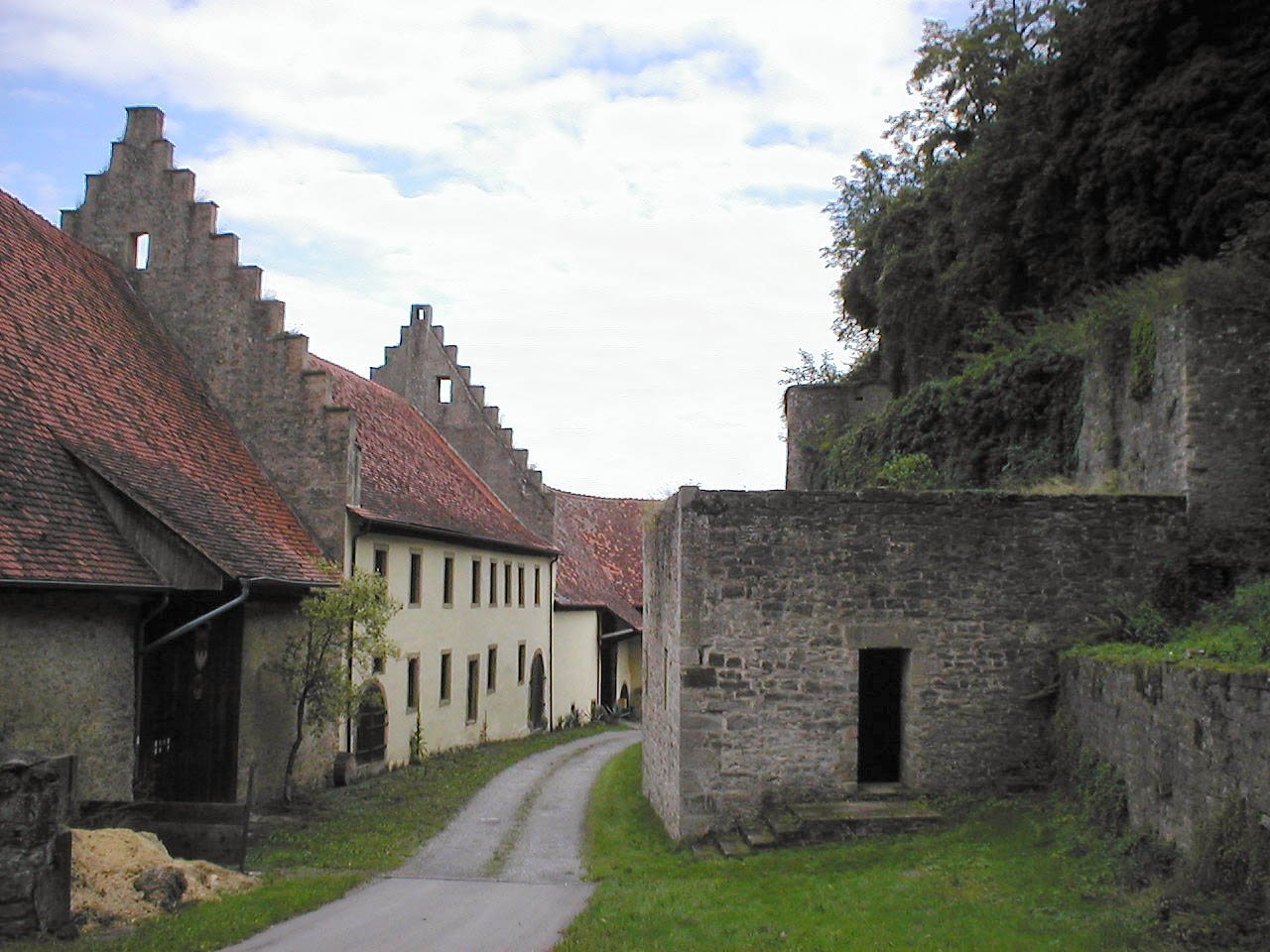
Substantial parts of the outer bailey’s buildings survive. They include a gate tower about 30 metres high and residential and service buildings with Baroque features, reflecting a European artistic and architectural style that flourished especially in the 17th and 18th centuries.
St. Alban’s Chapel
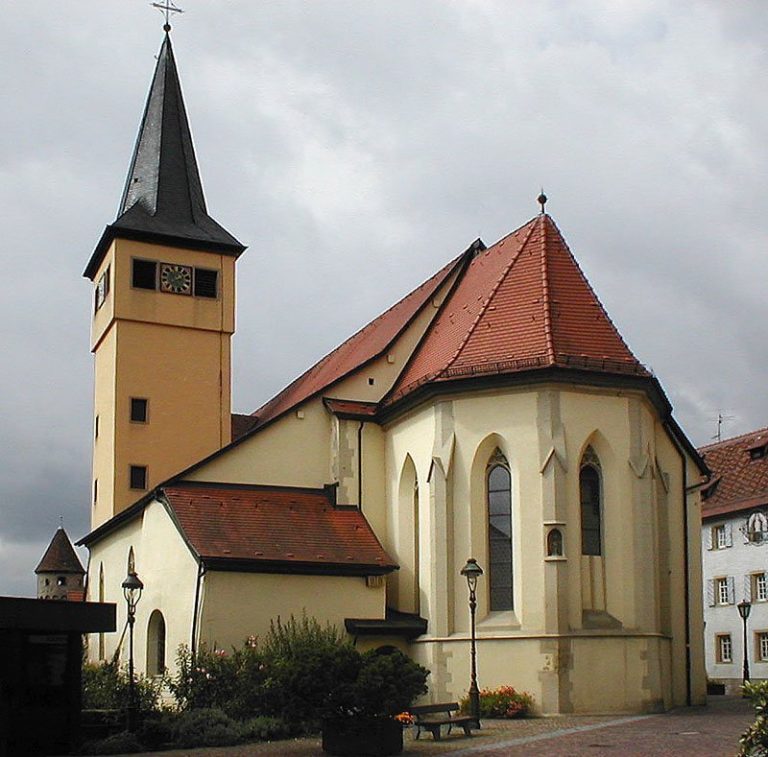
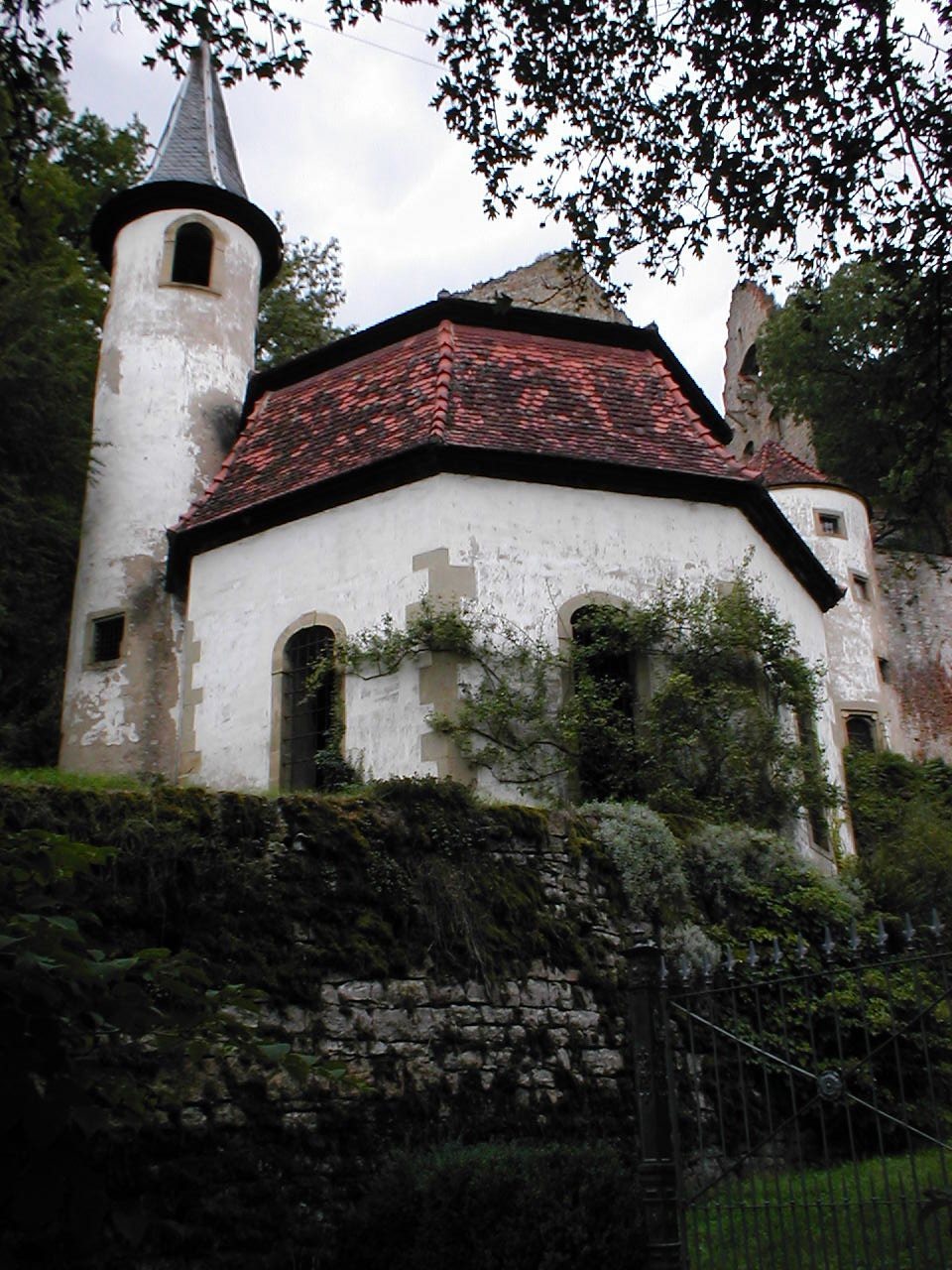
The chapel stands south of the ring wall. Built in 1602 as a Catholic church for the inhabitants of Heinsheim, it was remodeled in 1778 in the Baroque style.