Burg Bring: A Medieval Hilltop Castle in Germany


Site at a Glance
- Rating
- 4.7
- Popularity
- Very Low
- Country
- Germany
- Primary era
- Medieval
- Eras represented
- Medieval
- Civilizations
- Holy Roman Empire
- Site type
- Military
- Remains
- Castle
On this page6 sections
History
Burg Bring is a small aristocratic hilltop castle in Germany, probably built during the eleventh or twelfth century to defend the settlement in the Eder valley below. Its construction date is uncertain, and tradition attributes its foundation to a man named Brunink. The name is said to have developed from “Brunink Castle” into Burg Bring.
Origins and Medieval Use
A “knight of Bringhausen” was first recorded in 1196. This reference connects the castle with the former settlement of Bringhausen and supports its interpretation as a defensive site overlooking and protecting the valley. In the fifteenth century, the Counts of Waldeck, the ruling comital dynasty of the historical territory of Waldeck in central Germany, maintained a castle residence and an estate at Bringhausen.
Abandonment and Submergence
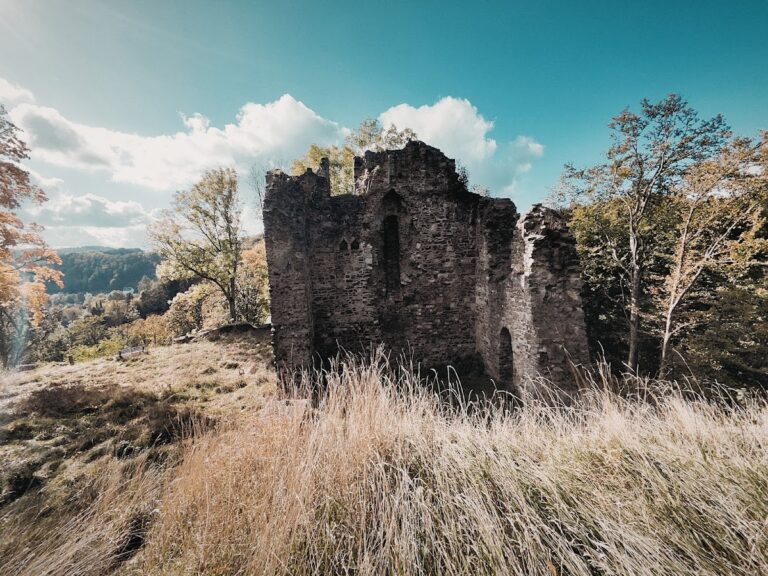
The date and circumstances of Burg Bring’s abandonment or possible destruction are unknown. The castle later decayed and was already a ruin with only a few surviving wall remains by the nineteenth century.
A major change came after construction of the Eder Dam in 1914. The former village of Bringhausen, now known as Altbringhausen, was abandoned when the reservoir covered the valley. Its inhabitants established a new village about 500 metres west of the castle ruins, on the slope above the Edersee. The former castle hill became the present Liebesinsel, while the remaining ruins were covered by the reservoir. Legends connected with the remains tell of knights and fantastical beings, including goblin-like creatures believed to have guarded the gold of the Eder.
Remains
Castle Ruins
Burg Bring stood at approximately 248 metres above sea level on a hill in the Eder valley near Bringhausen, in the area now occupied by the Edersee reservoir. The surviving masonry is slight and consists mainly of foundation walls and cellar remains. These fragments mark the former castle hill, which is now Liebesinsel in the reservoir.
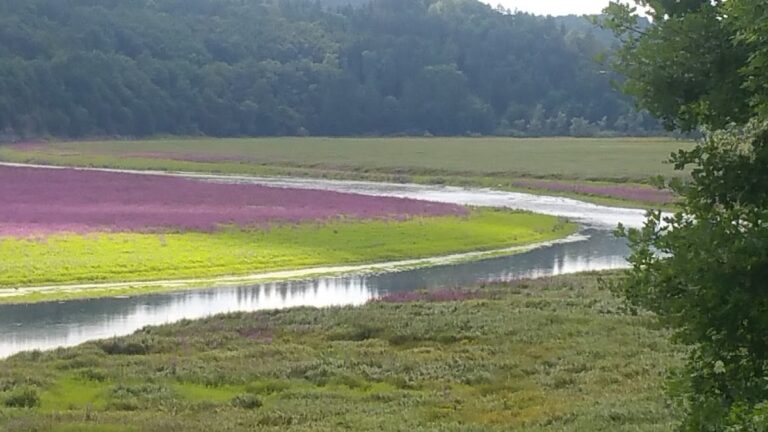
At full reservoir level, water separates Liebesinsel from Bringhausen. During periods of low water, the former hill and parts of the ruins may become accessible on foot, making the remaining masonry especially visible. Their present form reflects the long decay of the castle and the later inundation of the site.
Submerged Settlement
Near the former castle hill are remains of the submerged village of Bringhausen. Stone remains can become visible beside the island when the Edersee water level falls, linking the castle ruins with the settlement that once lay in the valley below.
Nearby sites