Blankenstein Castle: A Medieval Road-Guarding Fortress in Hesse
Site at a Glance
- Popularity
- Medium
- Country
- Germany
- Primary era
- Medieval
- Eras represented
- Medieval, Early Modern
- Civilizations
- Holy Roman Empire
- Site type
- Military
- Remains
- Castle
On this page6 sections
History
Blankenstein Castle is a hilltop castle ruin near Gladenbach in Hesse, Germany, probably built before 1237 to protect the Cologne–Leipzig Road, also known as the Brabant Road, which ran about a kilometre to its north. It belonged to the Lords of Merenberg and held the social status of the free nobility.
Foundation and road defense
Ernst of Rodheim served as the castleman, a member of the garrison who served the castle’s lord. The Nordeck and Biedenfeld families, backed by the Archbishop of Mainz, drove him out. In 1248, Sophie of Brabant, a 13th-century noblewoman from Thuringia, captured the castle after it had fallen to her opponents. She and her allies then destroyed it and nearby castles to secure the Hessian inheritance for her underage son, Henry. He later became Henry I, the first Landgrave of Hesse, a territorial ruler’s title in the Holy Roman Empire.
Sophie began rebuilding Blankenstein in 1255, and it was later granted as a fief to Gottfried of Rotenstein and Senand of Buseck. That same year, the nearby Brabant Road was identified as a public road. In 1261, Sophie charged the castlemen with protecting it within her sphere of influence. The garrison also guarded the road and its junction with the Westphalian Way and Herborn High Road near the Wilhelmsteine in the Schelder Forest. Wallenfels shared this duty, and Neu-Dernbach joined the network after 1350.
Changing routes and local administration
Insecurity during the prolonged Dernbach Feud, a conflict among territorial powers in the region, and other feuds gradually redirected traffic from the Brabant Road. By the late 14th and early 15th centuries, a southern route ran from Herborn through the Aar Valley, via Bicken, Bischoffen, and Niederweidbach, then through the Vers Valley via Seelbach, Rollshausen, and Altenvers to Marburg. The three castles consequently lost much of their strategic purpose. Wallenfels and Neu-Dernbach fell into disrepair after inadequate maintenance, while Blankenstein became the administrative seat of its district.
Later use and destruction
Rupert of the Palatinate, Archbishop of Cologne, was imprisoned at Blankenstein from 1478 until his death in 1480. Landgrave Philip I of Hesse is said to have sheltered the deposed Duke Ulrich of Württemberg there. The castle was destroyed in 1647, possibly by arson.
Remains
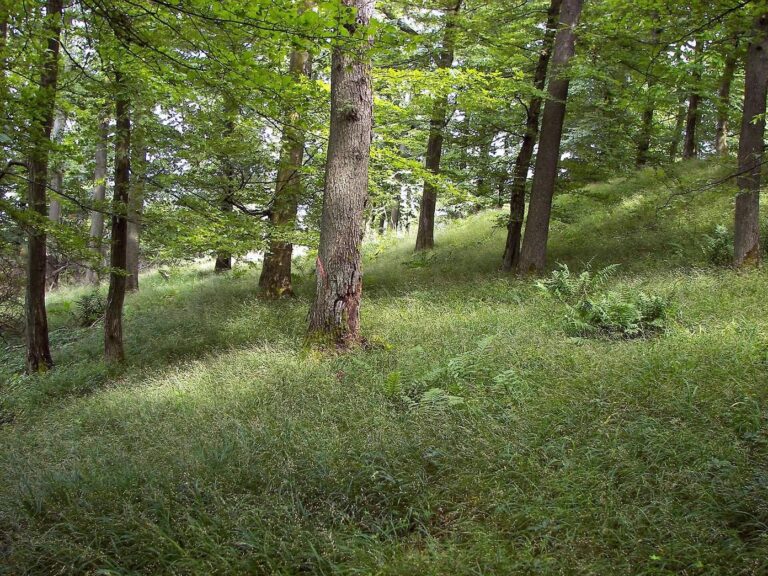
Hilltop ruins
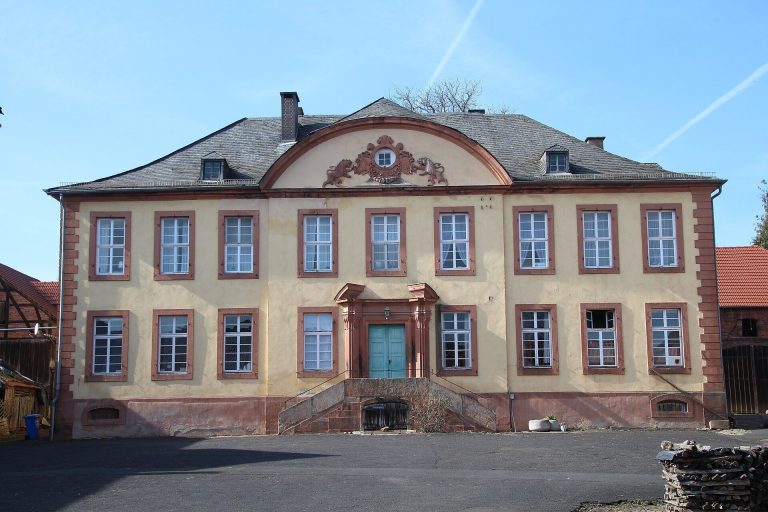
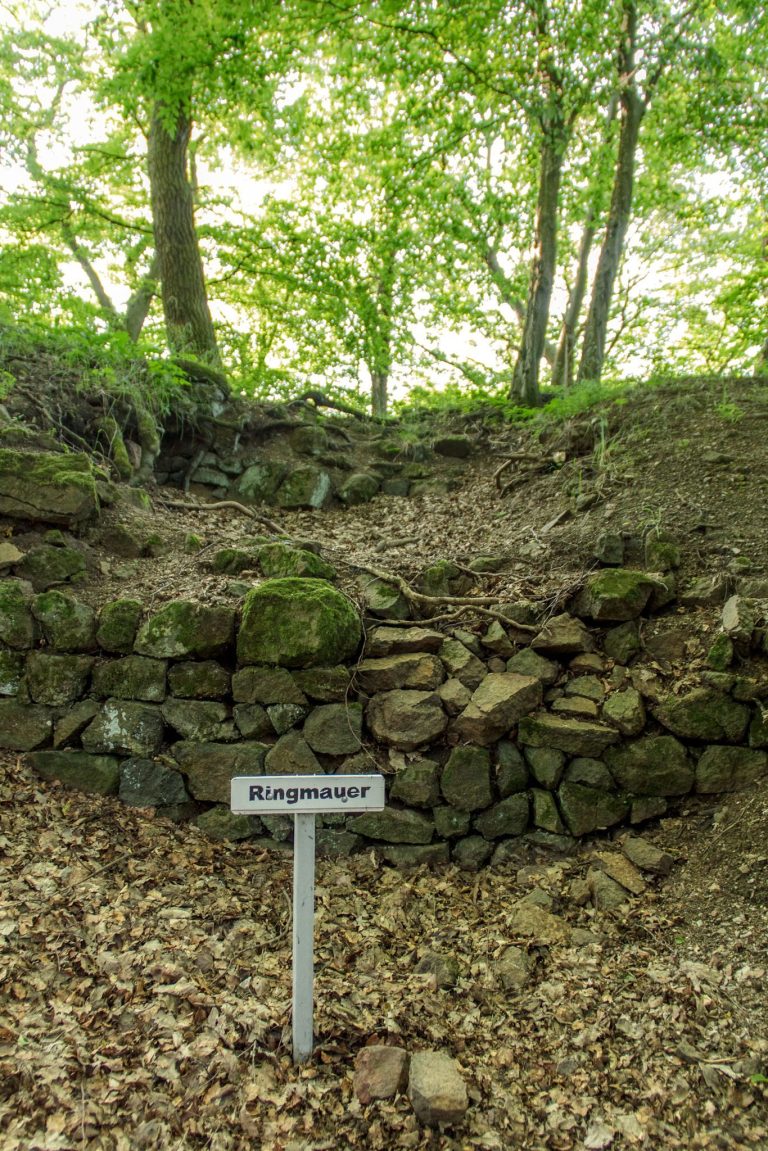
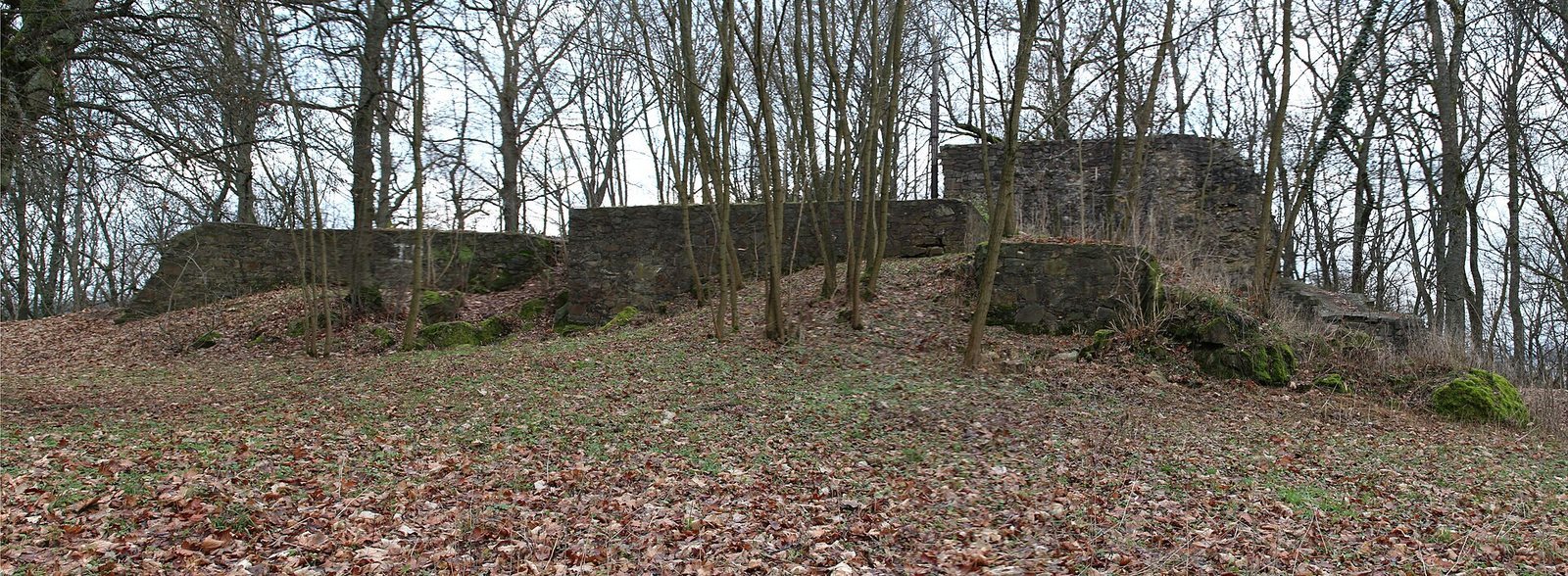
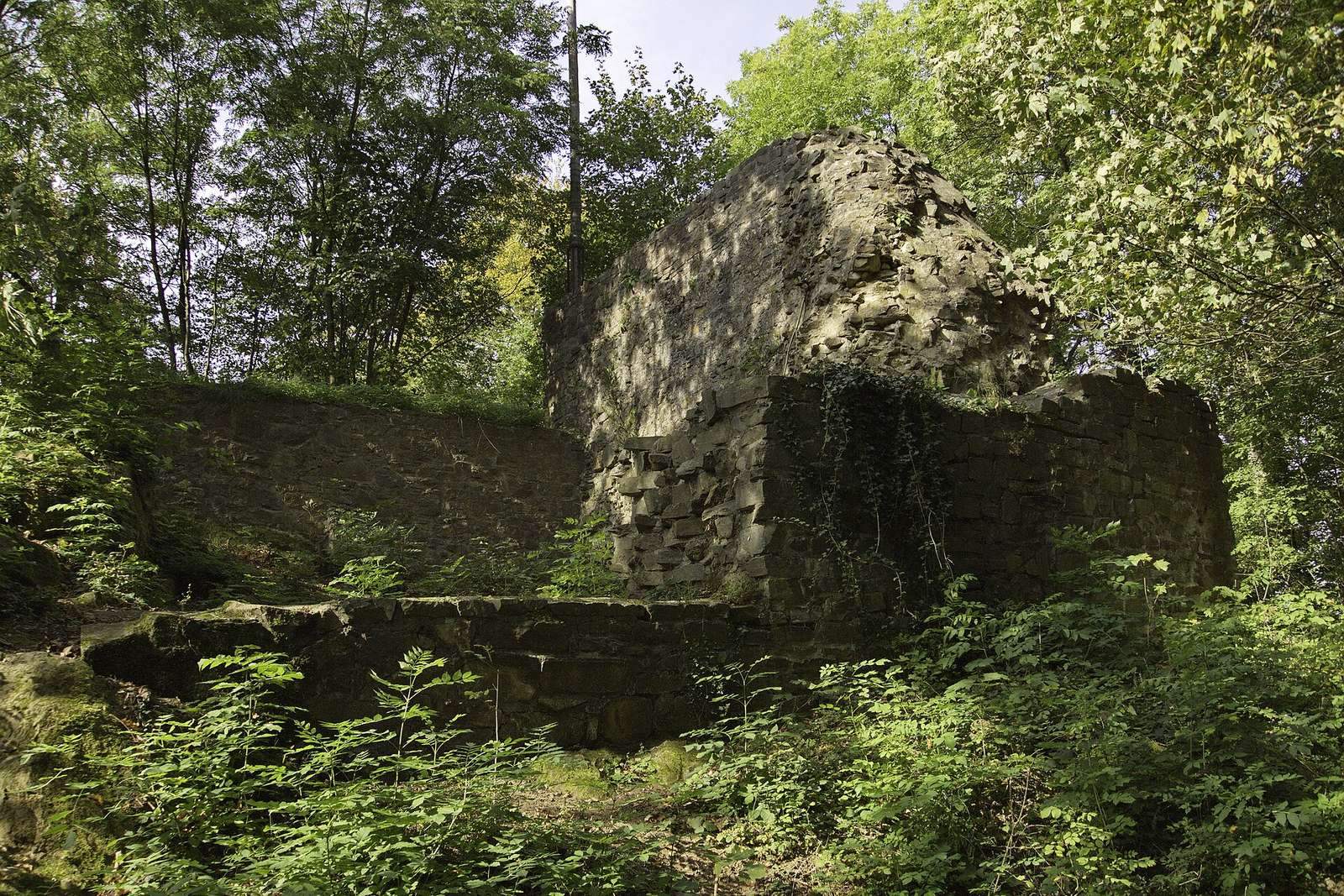
Only a few ruins survive at the hilltop site. An administrative building was erected among them in 1648. The castle also appears in a 1655 illustration by Matthäus Merian the Younger in the Topographia Hassiae, an illustrated topographical work on Hesse.