Bruton Abbey: An Augustinian Priory and Later Abbey in the United Kingdom
Site at a Glance
- Popularity
- Medium
- Country
- United Kingdom
- Primary era
- Medieval
- Eras represented
- Medieval, Early Modern
- Civilizations
- British, English
- Site type
- Religious
- Remains
- Monastery
On this page8 sections
History
Bruton Abbey was an Augustinian priory in the United Kingdom, founded around 1127 and raised to abbey status in 1511. Augustinian canons were clerics who lived communally under the Rule of St Augustine; a prior led a priory, while an abbot led an abbey. The community held manors, churches and other property in the surrounding area and in Normandy.
Origins and development
John Leland, a 16th-century scholar of historical remains and traditions, attributed an earlier foundation, around 1005, to Æthelmær the Stout, an English nobleman of the period before the Norman Conquest of 1066. Leland described it as a Benedictine monastery; Benedictines followed the Rule of St Benedict. A church dedicated to St Mary stood at the site before the priory was founded. Though technically the abbey’s chapel, it served as the town’s parish church.
In 1260, the priory exchanged its French holdings for lands belonging to the Abbey of Troarn at Runcton in Sussex and in Gloucestershire. Bruton became an abbey in 1511.
Governance and discipline
John Schoyle became prior in 1419 and faced serious accusations in 1423. Bishop Stafford, bishop of Bath and Wells, appears to have removed him in 1428. The following year, Schoyle was sent to Poughley, a house of Augustinian canons in Berkshire. His successor, Richard of Glastonbury, faced inquiries into allegations of immorality involving him and the community in 1430 and again in 1444.
A later prior introduced rules to regulate life in the monastery. Canons could not sleep away from the house without permission, hunt, play dice or admit women into the monastery.
Dissolution and later use
Internal and external difficulties preceded the abbey’s dissolution in 1539. Its abbot, Ely, faced criminal accusations and plots against his life, and was imprisoned in the Tower of London later that year.
After the dissolution, the property was granted to John Drew of Bristol and then transferred to Sir Maurice Berkeley, who had advanced rapidly in the royal household. Berkeley built a house on the site, incorporating some abbey buildings; it was demolished in 1786. The Bruton branch of his family later produced five Barons Berkeley of Stratton and four Viscounts FitzHardinge, a higher peerage rank, until the 18th century. The dovecote is listed at Grade II*, a category for buildings of more than special interest, and is also an ancient monument.
Remains
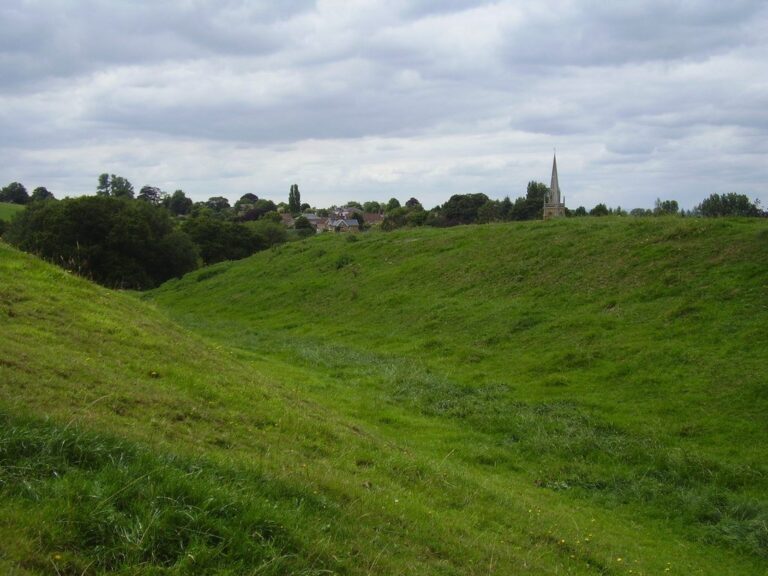
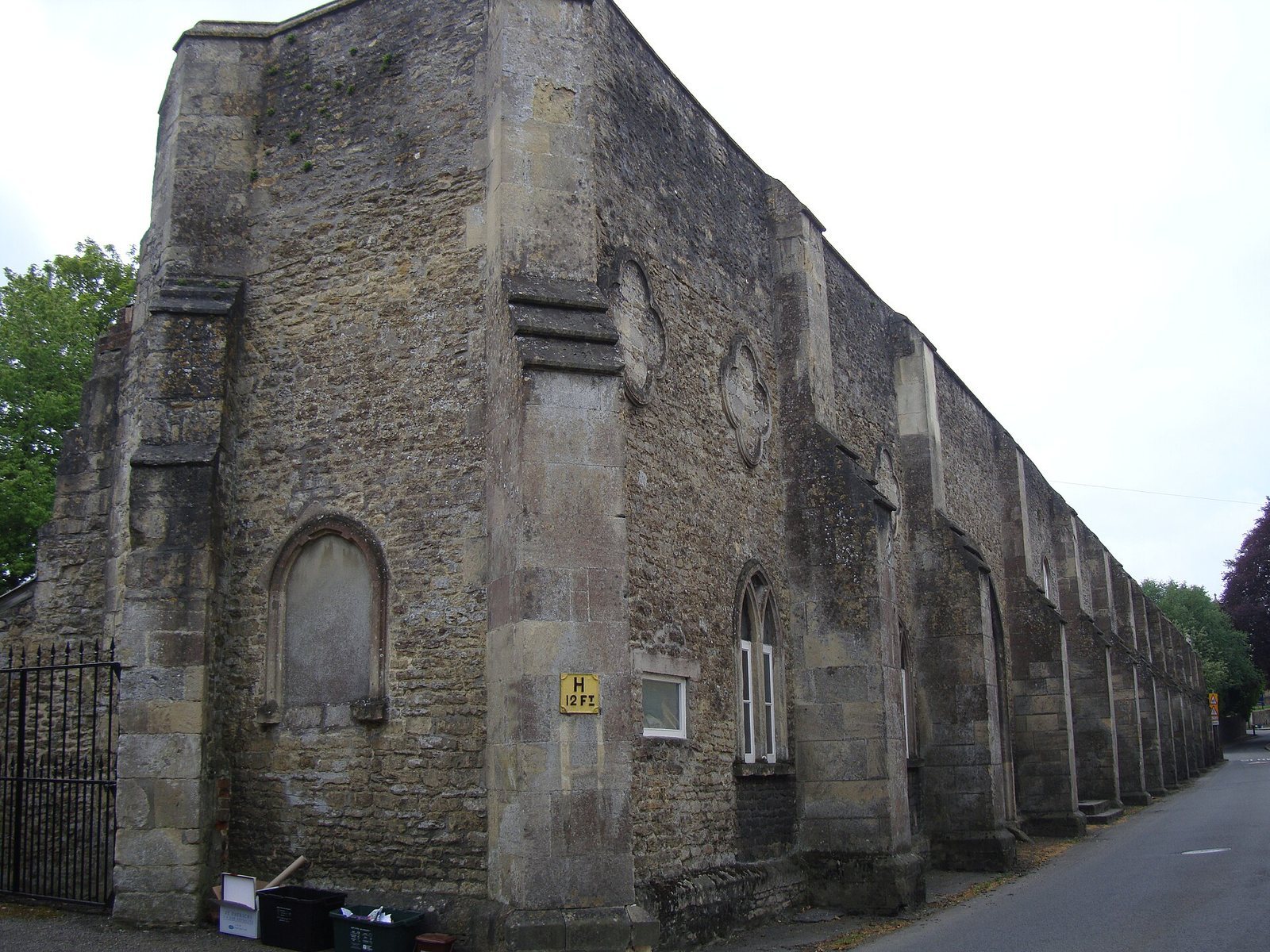
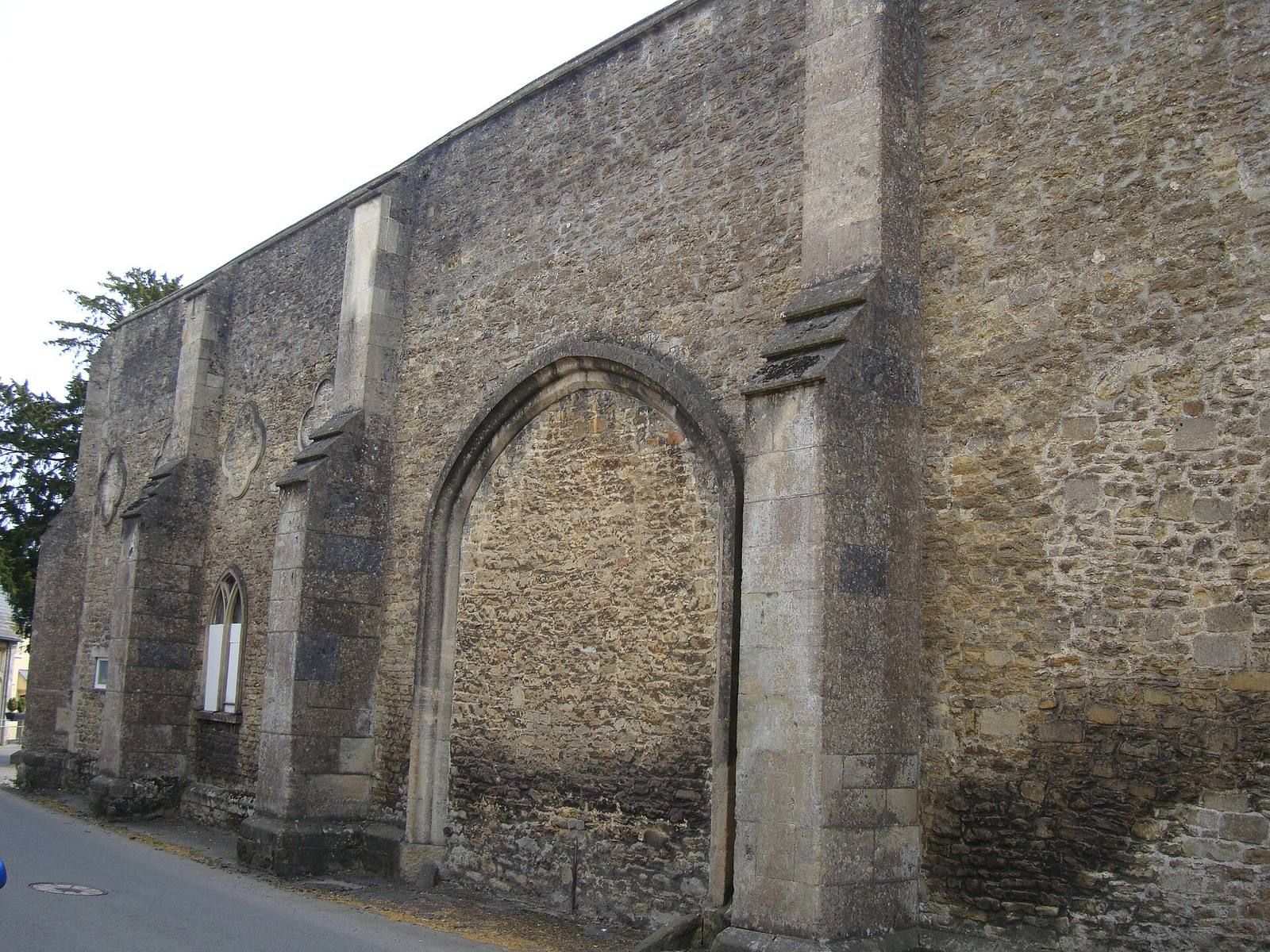
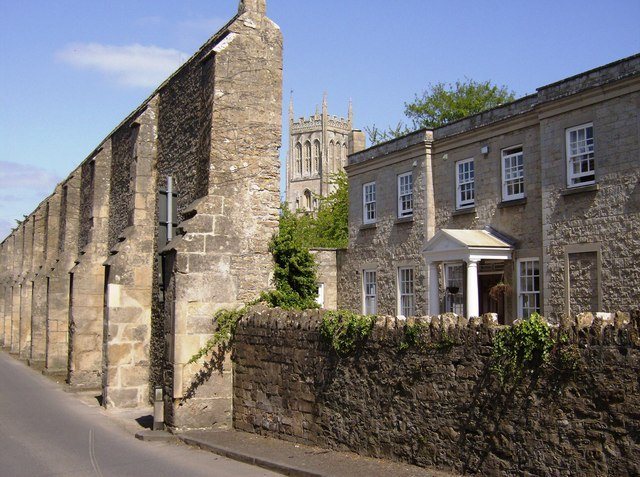
The surviving buildings include the Church of St Mary, with medieval fabric and a later chancel, and the abbey’s former dovecote. The church lies within the abbey grounds, while the dovecote stands above Bruton and was once within the abbey’s deer park.
Church and ancillary building
Church of St Mary
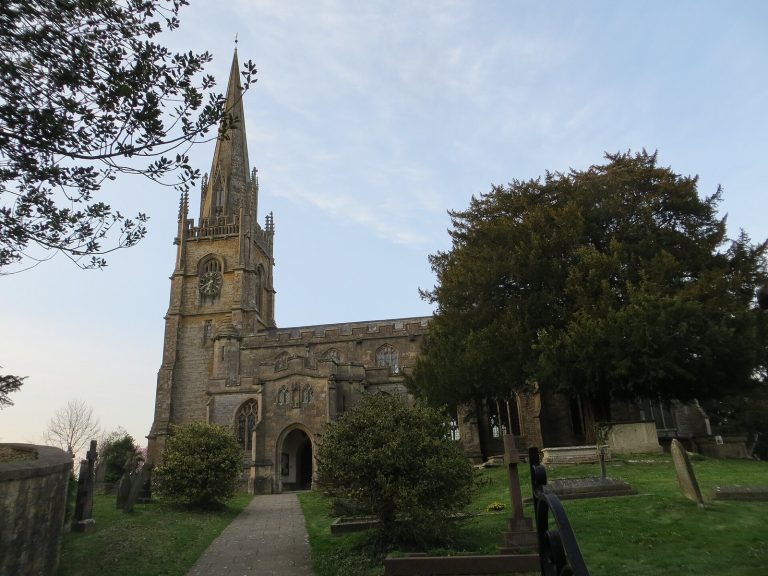
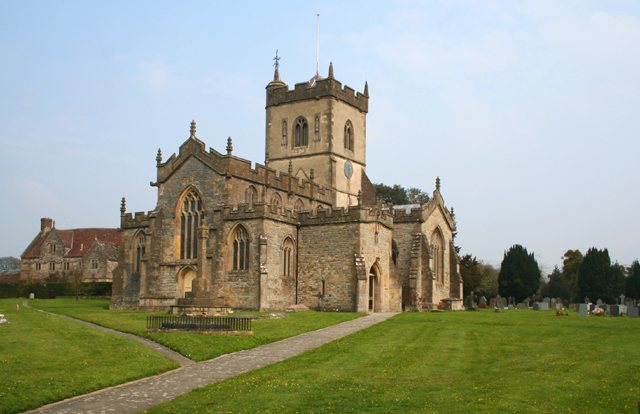
The church is mainly a 14th- and 15th-century structure. Its chancel was rebuilt in 1743 in the Rococo style, an ornate artistic style associated with the 18th century, creating a contrast with the medieval parts of the building. Sir Maurice Berkeley’s Renaissance tomb, associated with a cultural movement that began in late medieval Europe, is retained in the chancel. The tomb is shared with his two wives.
Dovecote
The 16th-century dovecote began as a gabled Tudor tower adapted by the monks. Around 1780 it was converted to house pigeons and fitted with more than 200 nesting holes. The building was also used as a house and may have served as a watchtower.