Börringekloster Castle: A Classical Estate Castle on a Medieval Priory Site
Site at a Glance
- Popularity
- Medium
- Country
- Sweden
- Primary era
- Early Modern
- Eras represented
- Early Modern, Modern
- Civilizations
- Swedish
- Site type
- Domestic
- Remains
- Castle
On this page6 sections
History
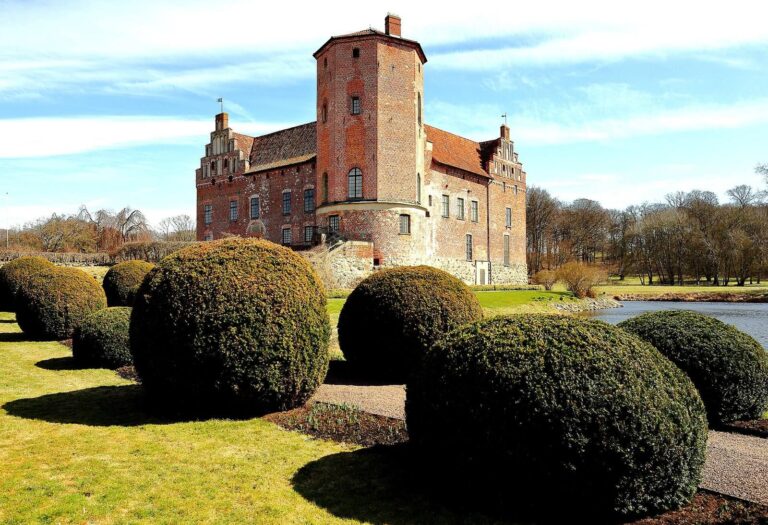
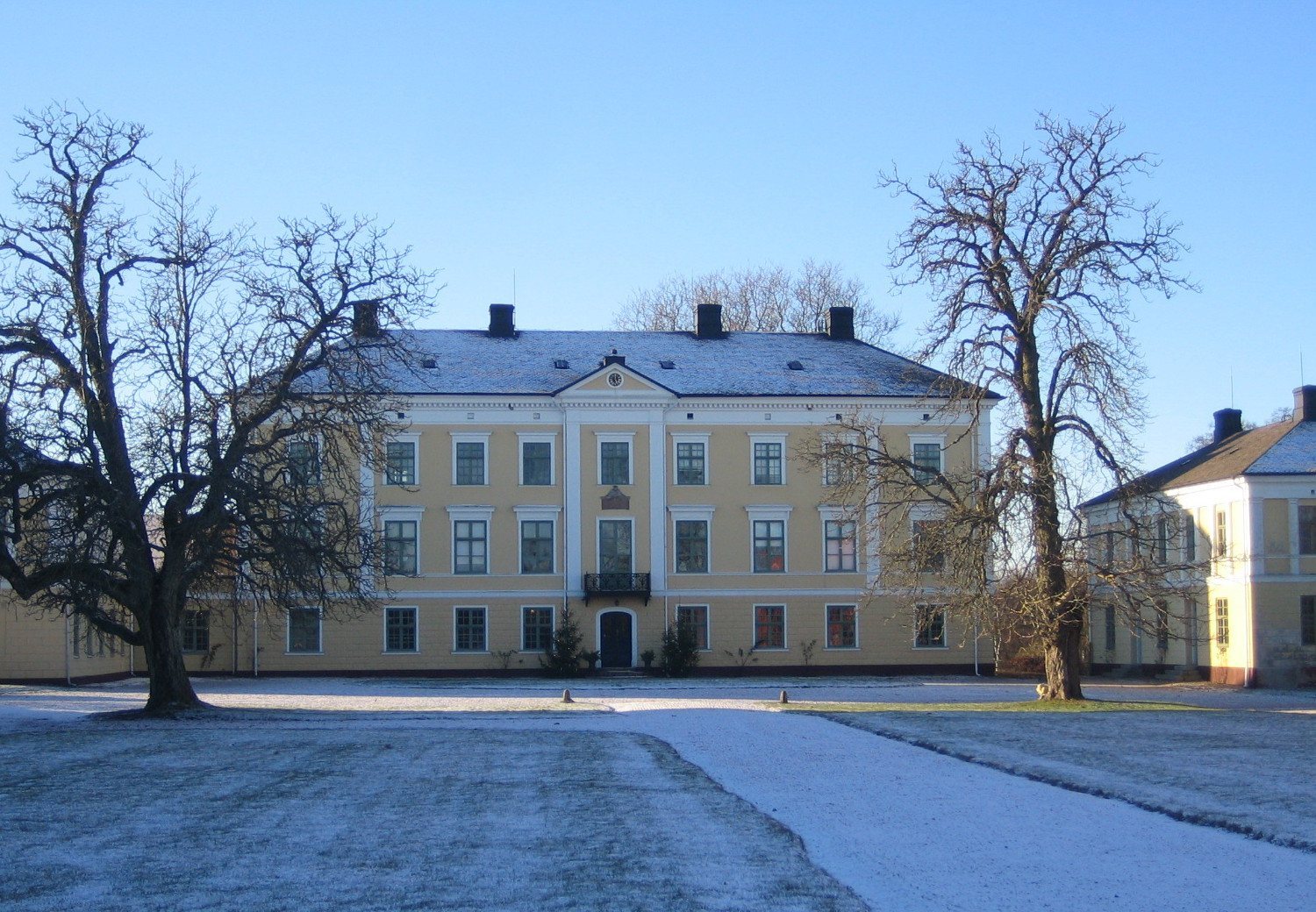
Börringekloster Castle is a classical-style castle, drawing on forms associated with classical antiquity, in Svedala Municipality, Scania, Sweden. Completed in 1763 on the site of a Benedictine priory, a monastic community following the Rule of Saint Benedict, founded in 1150, it reflects the area’s shift from Danish to Swedish rule and from religious to aristocratic ownership.
Foundation and medieval priory
The priory was established in 1150 during the episcopate of Eskil of Lund, when Scania was part of the Kingdom of Denmark. The land had previously been used as a hunting ground by Valdemar II of Denmark. By 1231, Börringekloster was a women’s priory.
Reformation and noble ownership
The Danish fleet commander Severin Norby held Börringe in the early sixteenth century. In 1536, Denmark adopted Protestantism under Christian III. Catholic orders were banned and their property transferred to the Crown. Christian III granted Börringe to the Brahe family on condition that they support the former nuns, especially those of noble birth, in a separate residence.
In 1551, the nobleman Knud Gedde housed tenant farmers at the former priory. In 1582, its owner, Görvel Sparre, had the old church demolished and a replacement built closer to the village.
Swedish rule and the estate castle
The 1658 Treaty of Roskilde transferred Scania from Danish to Swedish rule. Charles X Gustav granted Börringe to his illegitimate son, Gustaf Carlsson. Later, Charles XI placed the estate at the disposal of Scania’s governor-general, Gustaf Otto Stenbock, a senior royal official responsible for governing the territory. Stenbock exchanged Börringe for Herrevad Abbey, then owned by Count Otto Wilhelm of Kœnigsmark. In 1686, the Crown recovered Börringe as part of a wider return of noble lands to royal control.
The Beck-Friis family bought Börringe in 1745. The former priory buildings were demolished to make way for the castle, completed in 1763. The family received the title of count in 1791 and joined its lands with those of Filholm Castle in Södermanland. An enlargement and renovation in 1873 gave the castle its present appearance. In the final years of his life, Bror von Blixen-Finecke, a cousin of Count Carl Beck-Friis, managed the estate’s agricultural operations until his death in 1946.
Remains
The present building is a classical-style castle on the former priory site. Before the castle was built, the priory occupied an island in the middle of Lake Börringe.
The priory buildings
The priory was rebuilt in brick in the thirteenth century in the Gothic style, a medieval architectural tradition. Its buildings were arranged around a cloister, a covered walkway around a courtyard, with the monastic enclosure beside the church. The church was dedicated to the Virgin Mary, giving the priory the name St Mary’s Priory.