Charlecote Park: An Elizabethan Country House in England
Site at a Glance
- Popularity
- High
- Country
- United Kingdom
- Primary era
- Modern
- Eras represented
- Early Modern, Modern
- Civilizations
- British, English
- Site type
- Domestic
- Remains
- Manor House
On this page14 sections
History
Elizabethan origins and the Lucy family
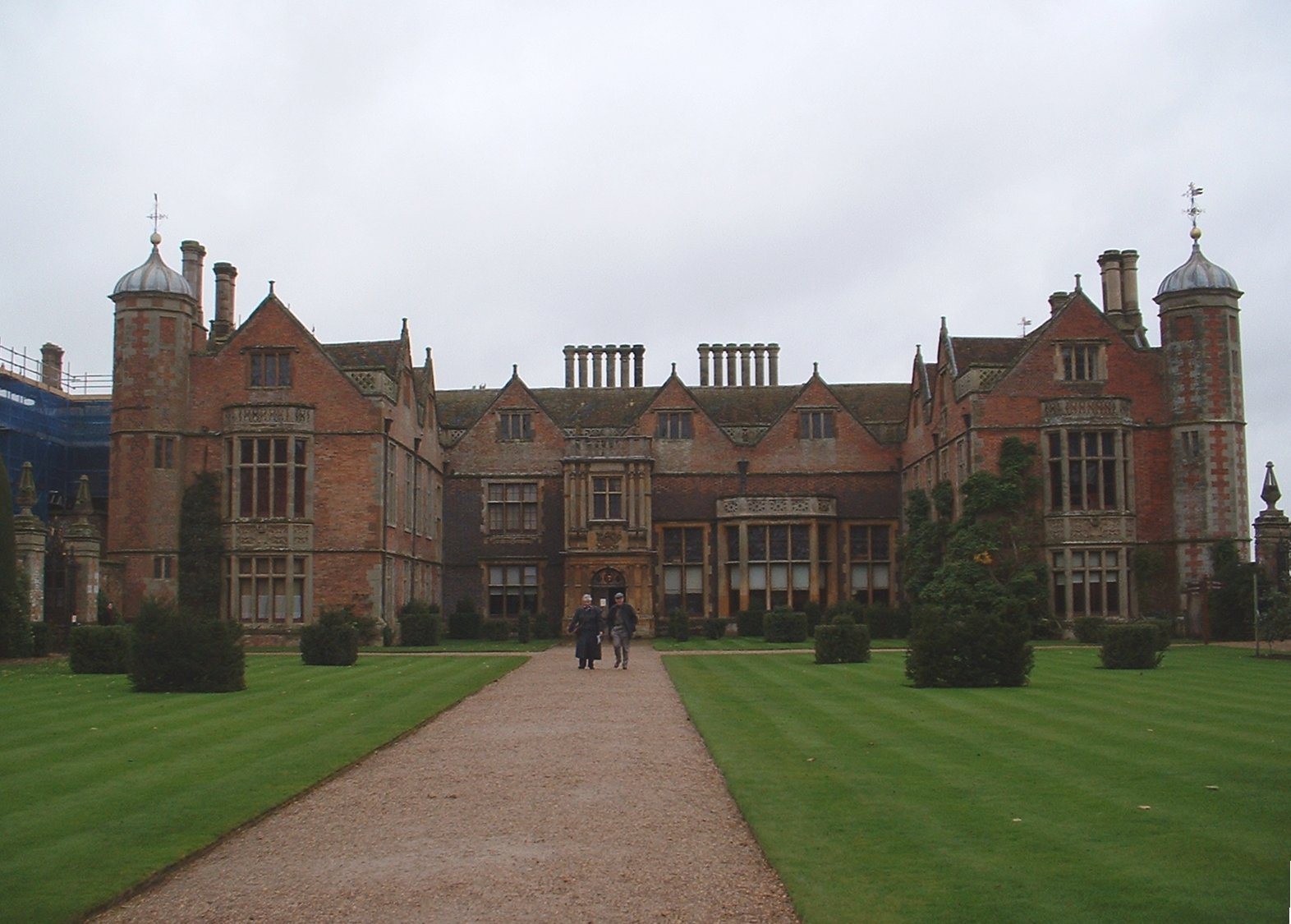
The Lucy family held the land from 1247, and Sir Thomas Lucy built Charlecote Park in 1558 during the Elizabethan period, the reign of Queen Elizabeth I. The Queen stayed in a room that is now the drawing room. A local tradition also links the house to William Shakespeare, claiming that as a young man he poached rabbits and deer in the park and was brought before magistrates.
Sir Thomas Lucy occupied the house from 1605 to 1640. He and Lady Lucy had twelve children. After his death, she managed the household, was known for her piety, and gave alms to poor people at Christmas. Their three eldest sons inherited Charlecote in turn, followed by Lady Lucy’s grandson, Sir Davenport Lucy. In 1735, a Black child named Philip Lucy was baptized at Charlecote.
Landscape and visitors
Around 1760, the landscape architect Capability Brown reshaped the grounds beside the house. From the late eighteenth century to the mid-nineteenth century, Charlecote became a destination for people visiting Stratford. Among the visitors were the American writer Washington Irving in 1818, the Scottish novelist Sir Walter Scott in 1828, and the American novelist Nathaniel Hawthorne around 1850.
Victorian rebuilding and family life
George Hammond Lucy inherited the house in 1823, after marrying Mary Elizabeth Williams in December 1822. Her extensive diaries offer a record of household life during the Victorian era, the reign of Queen Victoria from 1837 to 1901. A builder’s survey found serious defects, prompting major renovation and rebuilding from 1829; the work lasted seven years.
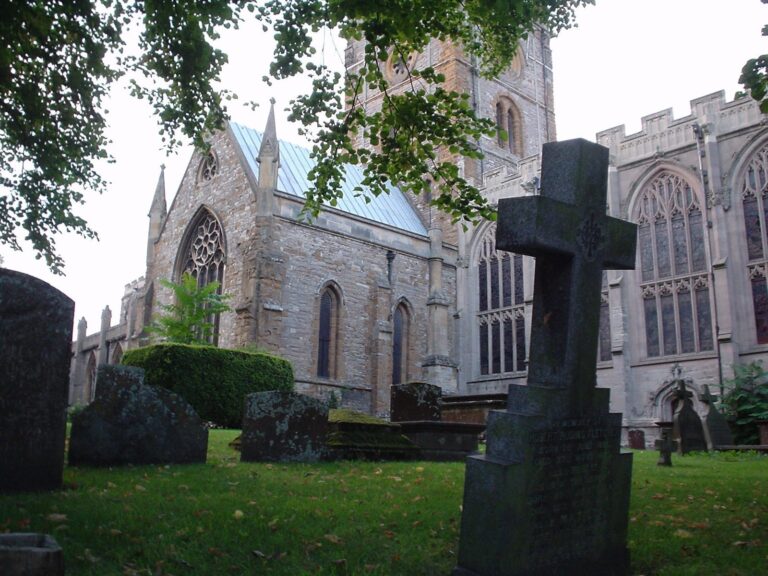
George Hammond Lucy’s second son, Henry, inherited the estate from his elder brother in 1847. The following year, Mary Elizabeth Lucy had the old Anglo-Norman church in the park demolished. A replacement church, designed by Mary, was completed and opened in February 1853.
Rental and National Trust stewardship
After Mary Elizabeth Lucy and Henry died in 1890, Henry’s eldest daughter and heiress, Ada Christina, rented out the house. She died in the early 1940s. Her husband, Sir Henry Ramsay-Fairfax, came from a branch of the Fairfax baronets, a hereditary rank below baron, and adopted the surname Fairfax-Lucy when they married. The family sold portions of the outlying estate to support its lifestyle.
In 1946, Sir Montgomerie Fairfax-Lucy transferred Charlecote to the National Trust, a charity that cares for historic places in Britain, in lieu of death duties, taxes on inherited estates. Sir Brian succeeded him in 1965, and Sir Brian’s wife, Alice, researched the history of Charlecote and helped the Trust restore the house. The house and gatehouse received Grade I status, for buildings of exceptional interest, in 1952 and 1967 respectively. The park and gardens were placed on the Register of Parks and Gardens at Grade II*, a category for particularly important sites, in 1986. The Lucy family archives concerning Charlecote are held at the Warwickshire County Record Office.
Remains
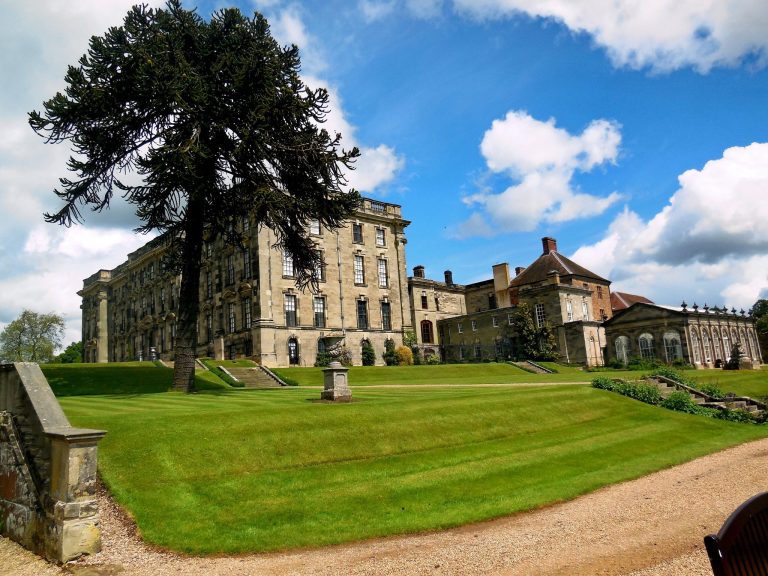
Charlecote stands in a valley on the banks of the River Avon, amid predominantly flat terrain about 46 metres above sea level. Its park covers 185 acres, about 75 hectares, and includes a deer park. The house retains the general outline of its Elizabethan form, although most of the present building is Victorian in construction. The rebuilding extended the house on its river side.
House interiors
The Great Hall has a plaster ceiling shaped as a barrel vault, a continuous arch, and painted to imitate timber. Other rooms have richly coloured wallpaper, decorated plaster ceilings, and wood panelling. The house also contains furniture and works of art, with family portraits displayed in the Great Hall.
Approach and service buildings
Gatehouse and forecourt
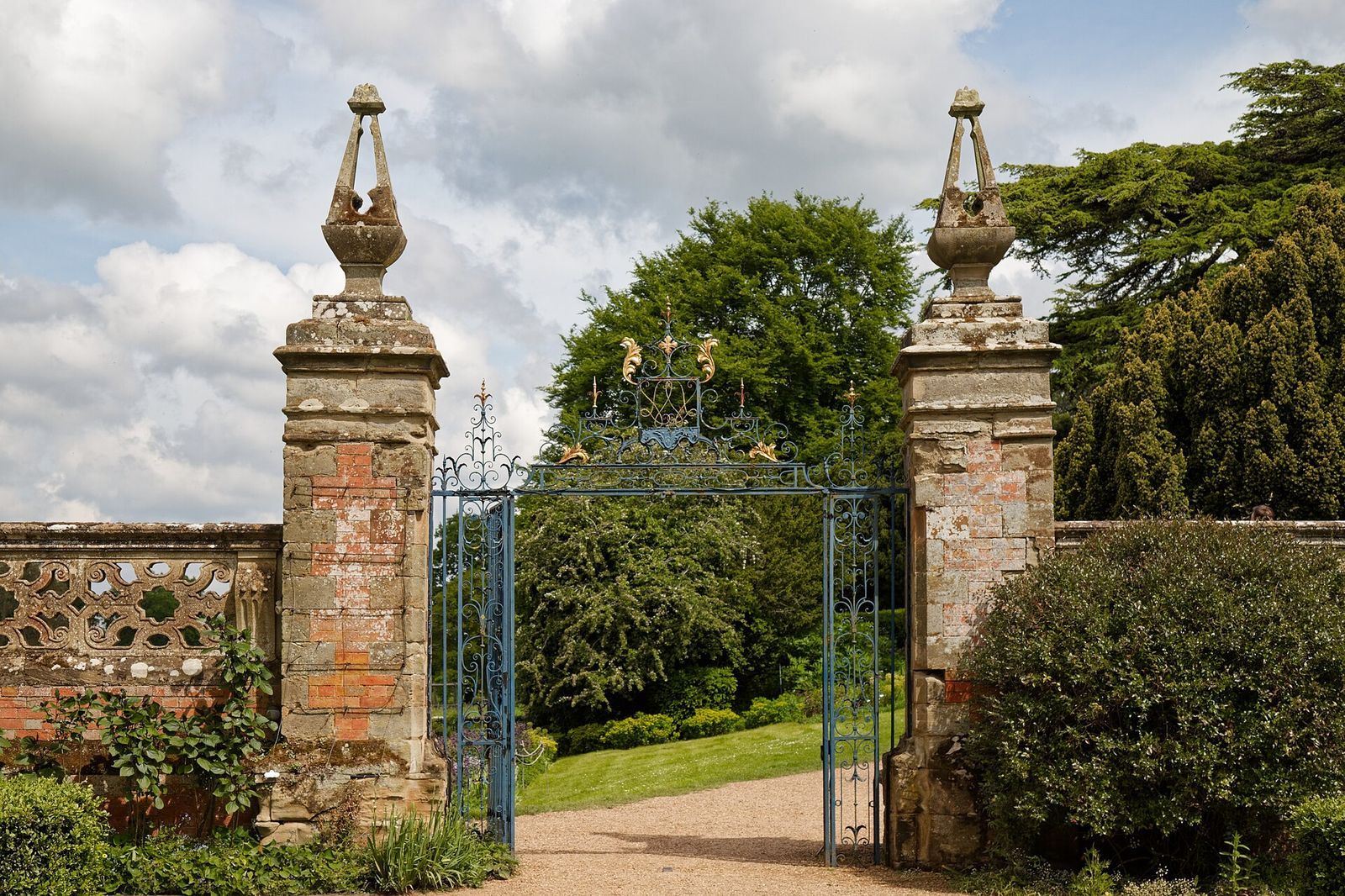
A two-storey Elizabethan gatehouse stands at the approach to the house and remains unaltered. The forecourt is enclosed by north and south walls, with gates, gate piers, and return walls. Lead statues of a shepherd and shepherdess stand on its northern side.
Service buildings
Immediately south of the house are a laundry, brewhouse, stables, and coach house. Displays include carriages and period laundry and brewing rooms.
Paintings and collections
Portraits
A contemporary portrait of Elizabeth I is among the house’s artworks. In the Tudor Great Hall, a painting of Captain Thomas Lucy dated 1680, by Sir Godfrey Kneller, hangs high on a wall. It shows a young Black groom in the background wearing a blue household livery coat, red stockings, and a metal collar. The image has been regarded as an early depiction of enslaved Black presence in the West Midlands, but the figure’s identity is uncertain, as is whether he was a real groom or a model and whether the portrait was painted from life. Thomas Gainsborough’s 1760 portrait of George Lucy is also displayed; it cost eight guineas.
Letter and family tree
The house displays an original letter from Oliver Cromwell dated 1654, summoning the then-owner, Richard Lucy, to Barebone’s Parliament, a short-lived nominated assembly associated with Cromwell’s Commonwealth government. Also kept at Charlecote is the “Lucy Deerskin,” a family-tree image made on deerskin by Edith Mary Hinchley in 1890. It incorporates 500 heraldic shields bearing coats of arms.
Park and gardens
The grounds include a parterre recreated from original eighteenth-century plans, a formal arrangement of level garden beds in decorative patterns. Fallow deer and Jacob sheep, a spotted-fleece heritage breed often bearing several horns, are among the livestock kept in the park.