Lindholmen Castle: A Medieval Danish Fortress in Sweden
Site at a Glance
- Rating
- 3.5
- Popularity
- Very Low
- Country
- Sweden
- Primary era
- Medieval
- External website
- Open
- Eras represented
- Medieval
- Civilizations
- Danish
- Site type
- Military
- Remains
- Castle
On this page5 sections
History
Lindholmen Castle is a medieval Danish fortified castle in Sweden, on the shore of Lake Börringe in Scania. It probably originated in the 1310s during the reign of Erik VI Menved, the medieval king of Denmark who ruled from 1286 to 1319. Originally a private castle, it was transferred in 1339 to Magnus Eriksson, king of Norway and Sweden, whose rule at the time included Scania.
Fortress of medieval Scania
Lindholmen became an important part of the medieval defense of Scania. In 1368, Swedish forces and the Hanseatic League, an association of northern European trading cities and merchants, besieged the castle, but it withstood the attack.
After King Albrecht of Mecklenburg was defeated at the Battle of Falköping in 1389 and removed from the Swedish throne, he was imprisoned at Lindholmen with his son Erich. They remained there from 1389 to 1395, while Stockholm continued to resist Margaret I, the queen of Denmark and dominant political ruler of Scandinavia in the late fourteenth century.
The Lindholmen settlement of 1395
In 1395, Margaret I used Lindholmen for negotiations with the deposed Albrecht. The talks lasted 16 days and involved numerous participants, with tents erected on the castle grounds. The agreement governing Albrecht’s release and the peace settlement was signed at Lindholmen on 17 June 1395.
Decline and changes of ownership
The castle’s importance declined during the fifteenth century. It was demolished in the sixteenth century, and its building materials were used for Malmöhus Castle. Around 1540, Lindholmen served as the center of Lindholmen County. The county later became part of the new Malmöhus County, administered from Malmö, and the fortress rapidly lost its remaining importance.
Scania came under Swedish rule through the Treaty of Roskilde in 1658, the settlement in which Denmark ceded Scania and other territories to Sweden. King Charles X Gustav then granted the Lindholmen estate and Börringe Abbey to his illegitimate son Gustaf Carlson. During the Reduction of 1680, when the Swedish Crown recovered estates previously granted to private holders, Lindholmen returned to crown ownership and was leased out.
Lindholmen and Börringe Abbey were purchased by Erasmus Clefwe in 1723. In 1827, the united estates were divided into smaller holdings and sold.
Remains
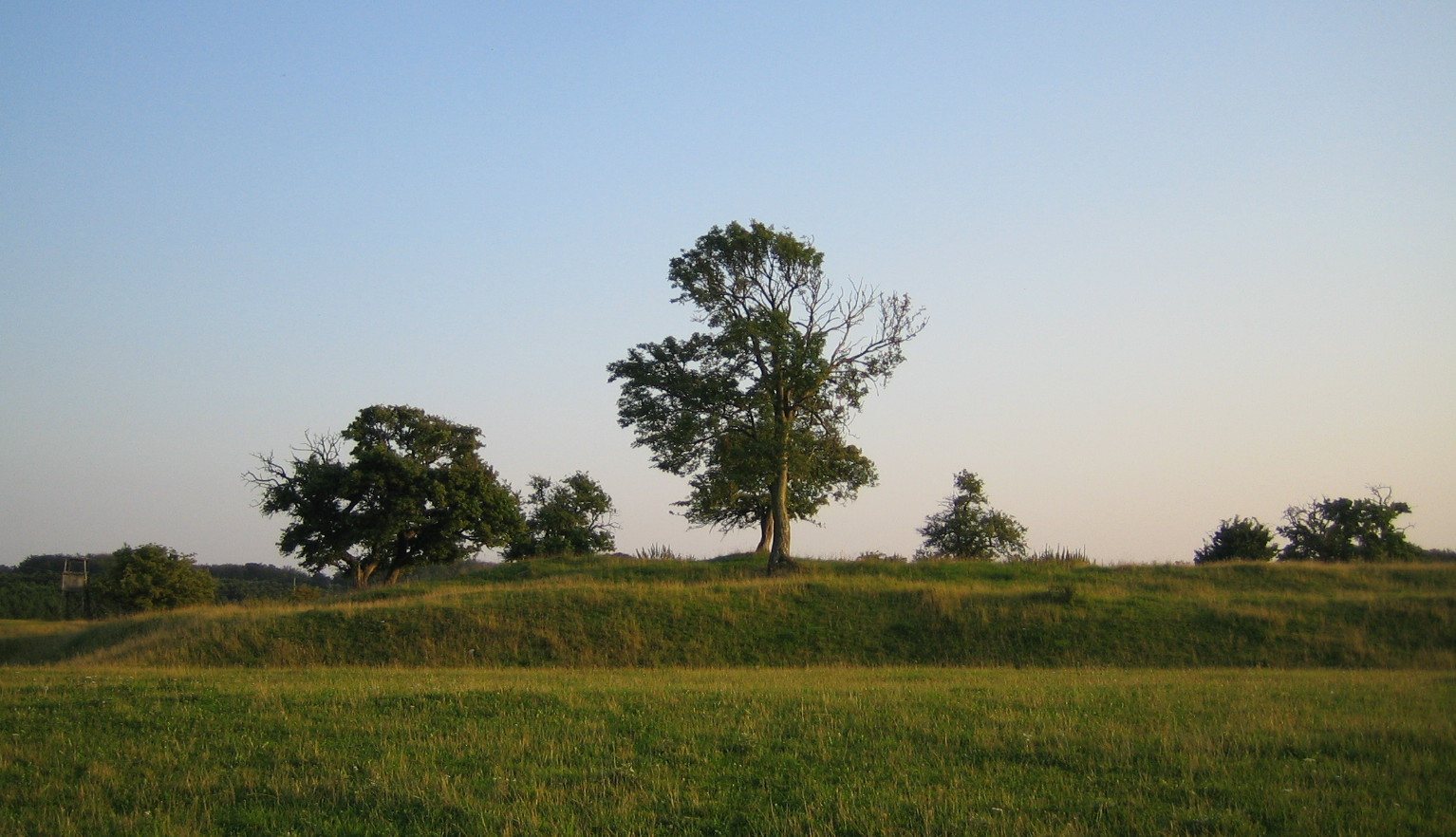
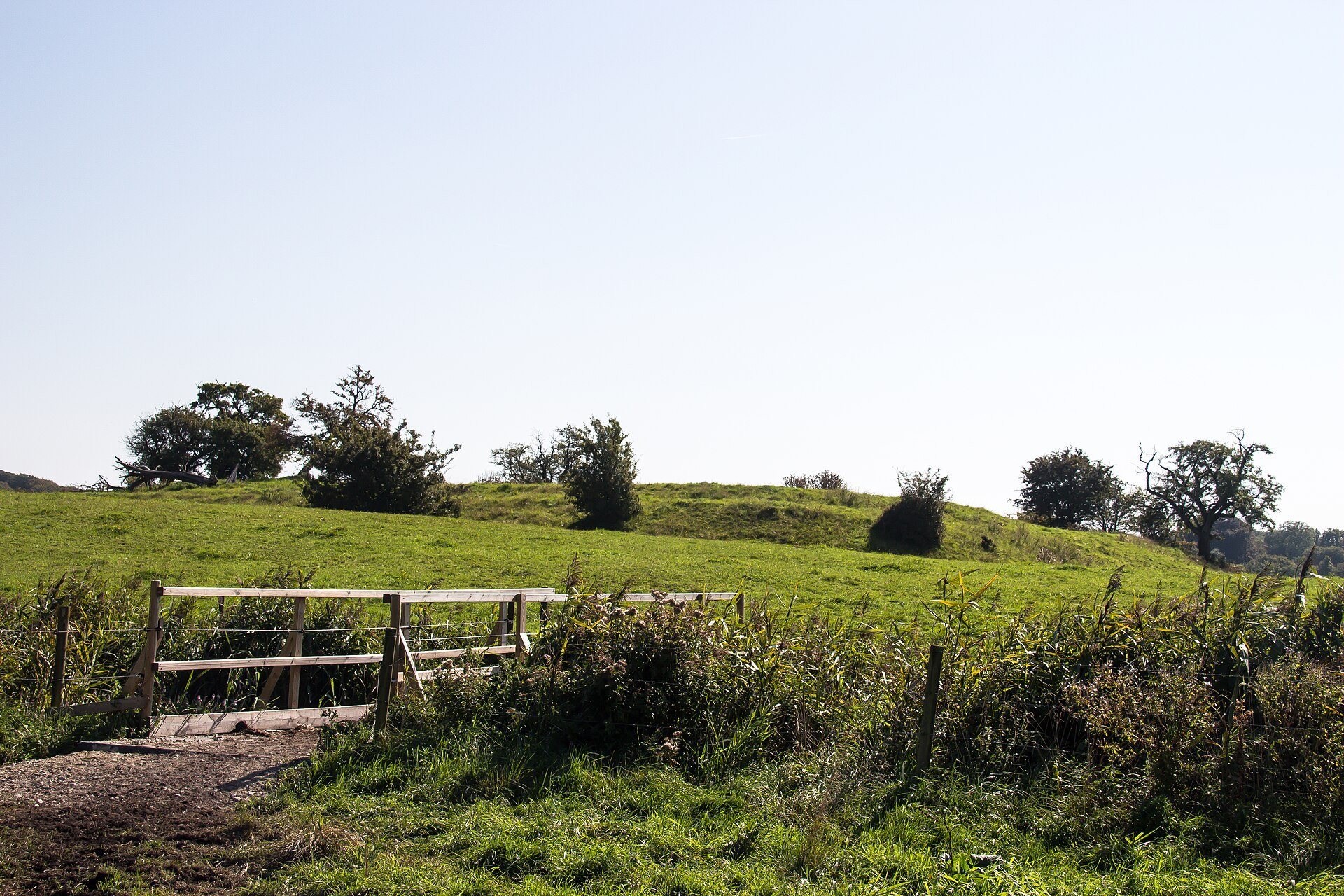
Lindholmen Castle stood on a hill beside Lake Börringe. Strong encircling defensive walls and double moats protected the former fortress, while a small river and dangerous marshes made movement through the surrounding terrain more difficult. Today, little of the castle survives. The visible remains consist mainly of the hill and a few stones set into the ground at its summit. The site lies in present-day Svedala Municipality in Scania, Sweden.