Boheh Stone: A Neolithic Rock Art Site in County Mayo
Site at a Glance
- Popularity
- Medium
- Country
- Ireland
- Primary era
- Stone Age
- Eras represented
- Stone Age
- Civilizations
- Unclassified
- Site type
- Civic
- Remains
- Rock Art
On this page9 sections
History
Neolithic carvings
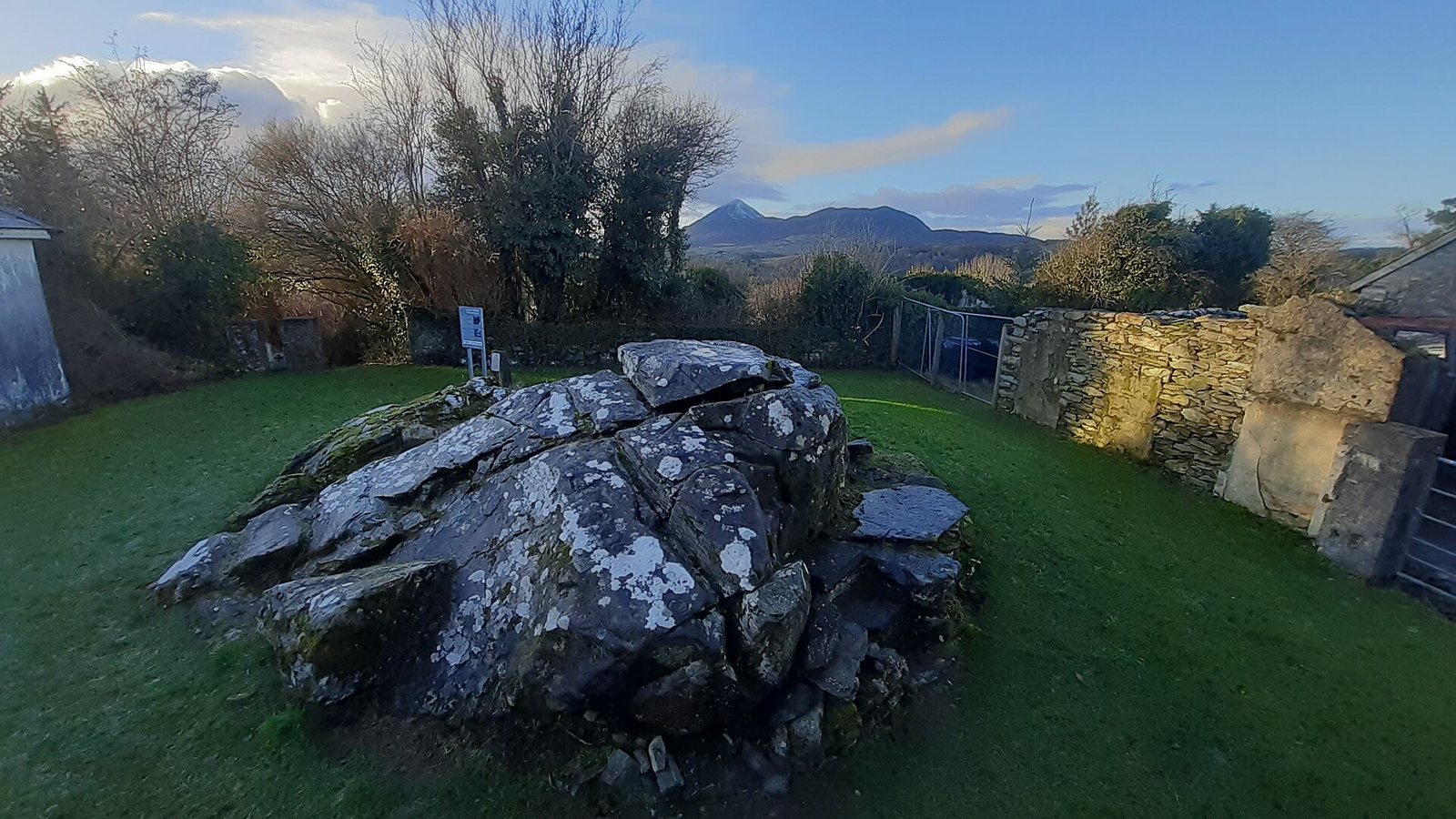
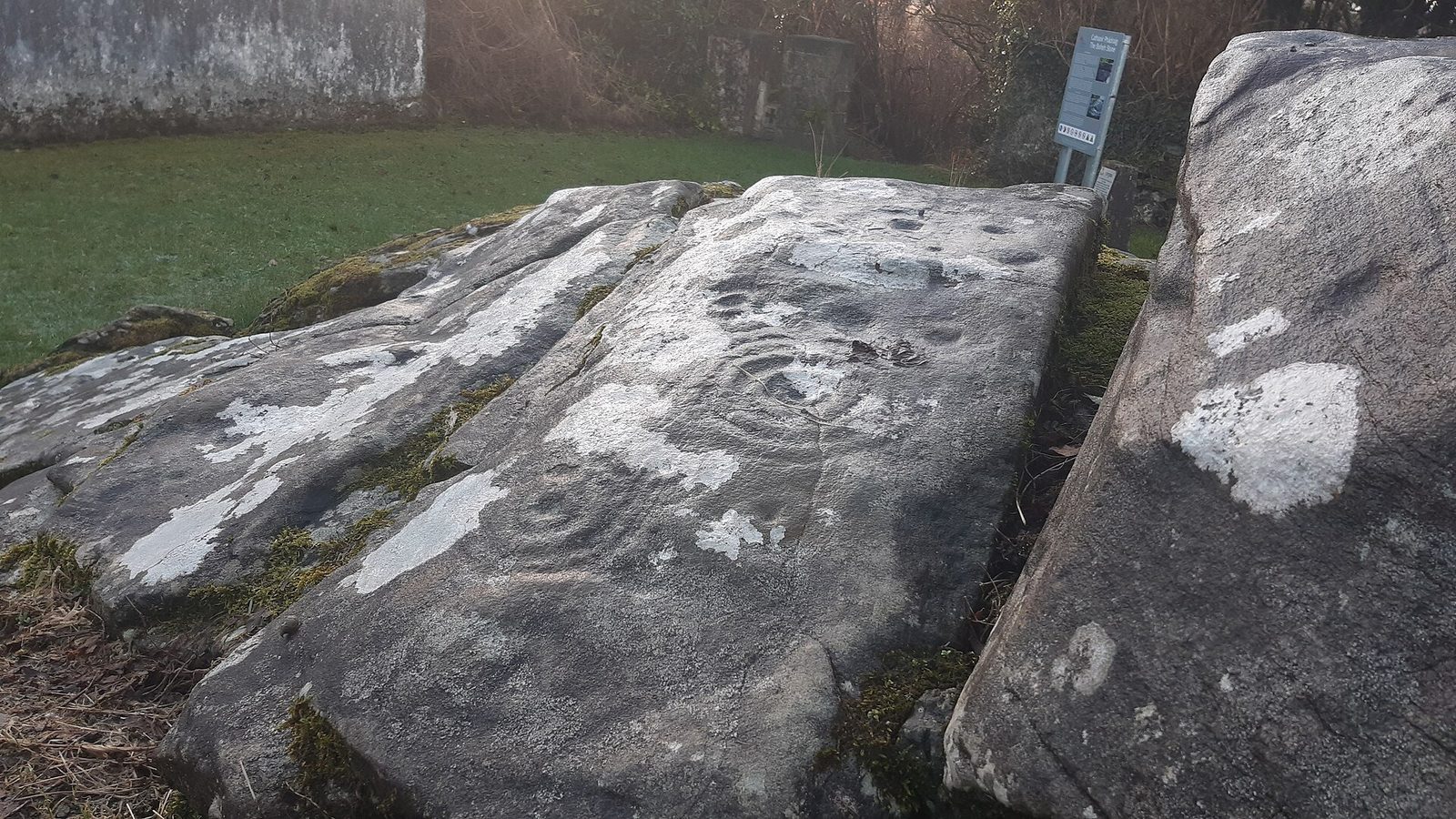
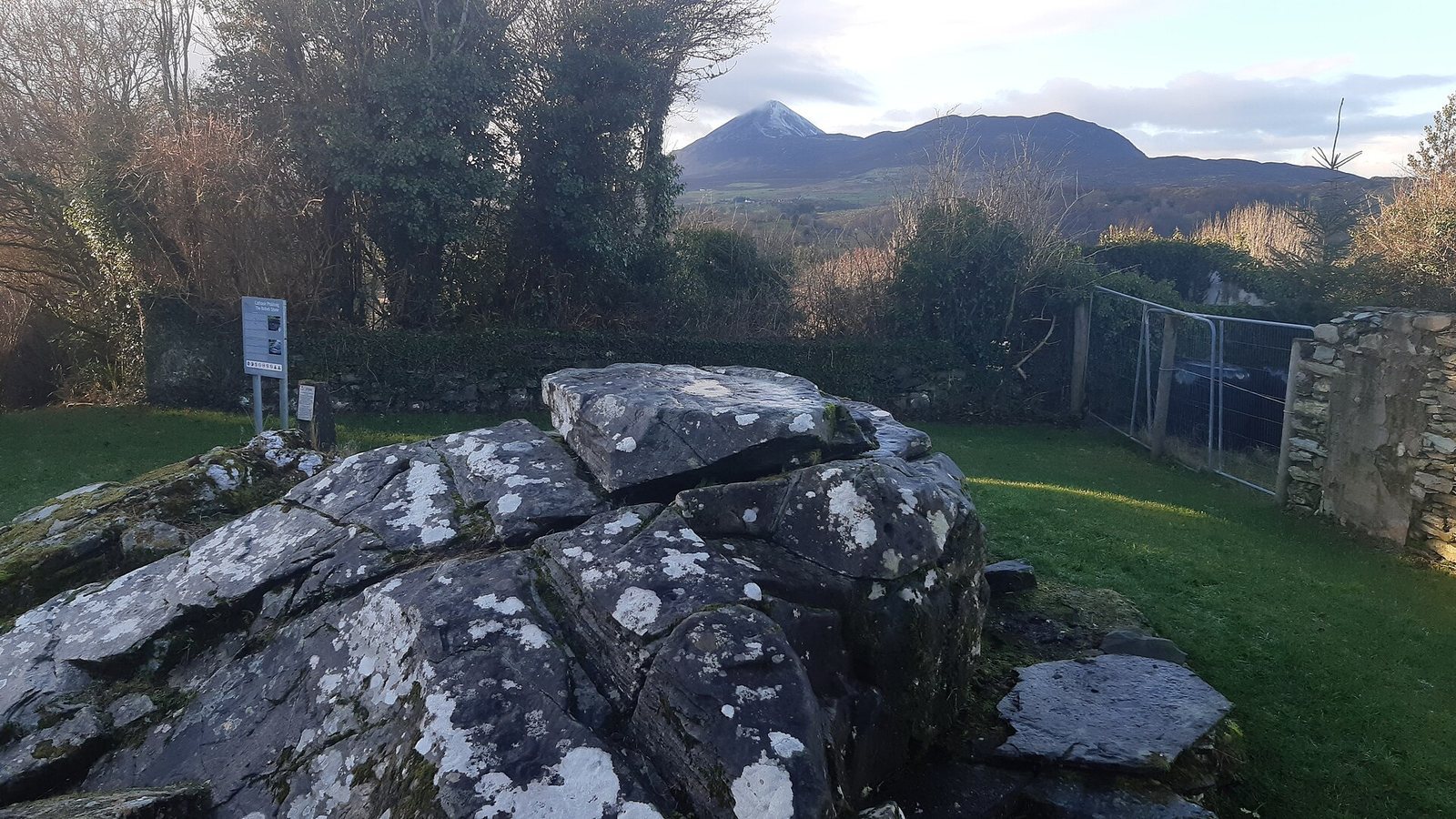
Boheh Stone is a natural outcrop bearing prehistoric rock art at Boheh in County Mayo, Ireland. Its carvings date broadly from 3800 to 2000 BC, and work is thought to have begun as early as 3800 BC. They belong to the Neolithic, the later part of the Stone Age, and the site is regarded as one of Ireland’s finest examples of rock art from this period.
Christian pilgrimage
The stone was later Christianized and became known as St Patrick’s Chair, or Cathaoir Phádraig. The name refers to St Patrick, traditionally regarded as Ireland’s foremost Christian missionary and its patron saint. The stone became a waypoint on the St Patrick pilgrimage route, Tóchar Phádraig, which formerly ran between Rathcroghan and Croagh Patrick.
Modern discoveries and interpretations
Gerry Bracken rediscovered the sunset effect known as the “rolling sun” during 1989–92. Michael Gibbons found another carved panel in 2014. In a 2023 book and exhibition, Rónán Lynch proposed that marks on the upper stone may depict Crux and Centaurus, two constellations that were no longer visible from Ireland after about 4,100 BC. The site is designated a National Monument of Ireland under the name Boheh Rock Art.
Remains
The carved outcrop and its features
The natural outcrop
Flecked with quartz, the natural rock rises about 2 m and covers roughly 4 m². It stands at an elevation of 102 m at Boheh, about 6.4 km south-southwest of Westport.
Carved designs
About 250 designs are cut into the rock. They include numerous cup-and-ring marks, each formed by a hollow bordered by one or more circular grooves, as well as keyhole motifs.
Sunset alignment
From the stone, the setting sun aligns with Croagh Patrick’s summit, 7.1 km to the west-northwest, on 18 April and 24 August each year. At these times, the sun appears to travel down the mountain’s northern shoulder.