Bīriņi Manor House: A Neo-Gothic Palace in Latvia
Site at a Glance
- Popularity
- Medium
- Country
- Latvia
- Primary era
- Modern
- Eras represented
- Modern
- Civilizations
- Russian
- Site type
- Domestic
- Remains
- Castle
On this page8 sections
History
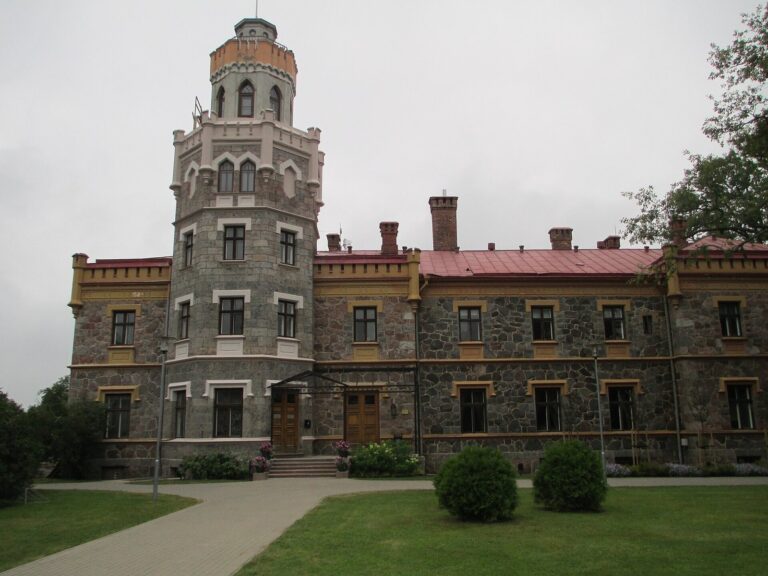
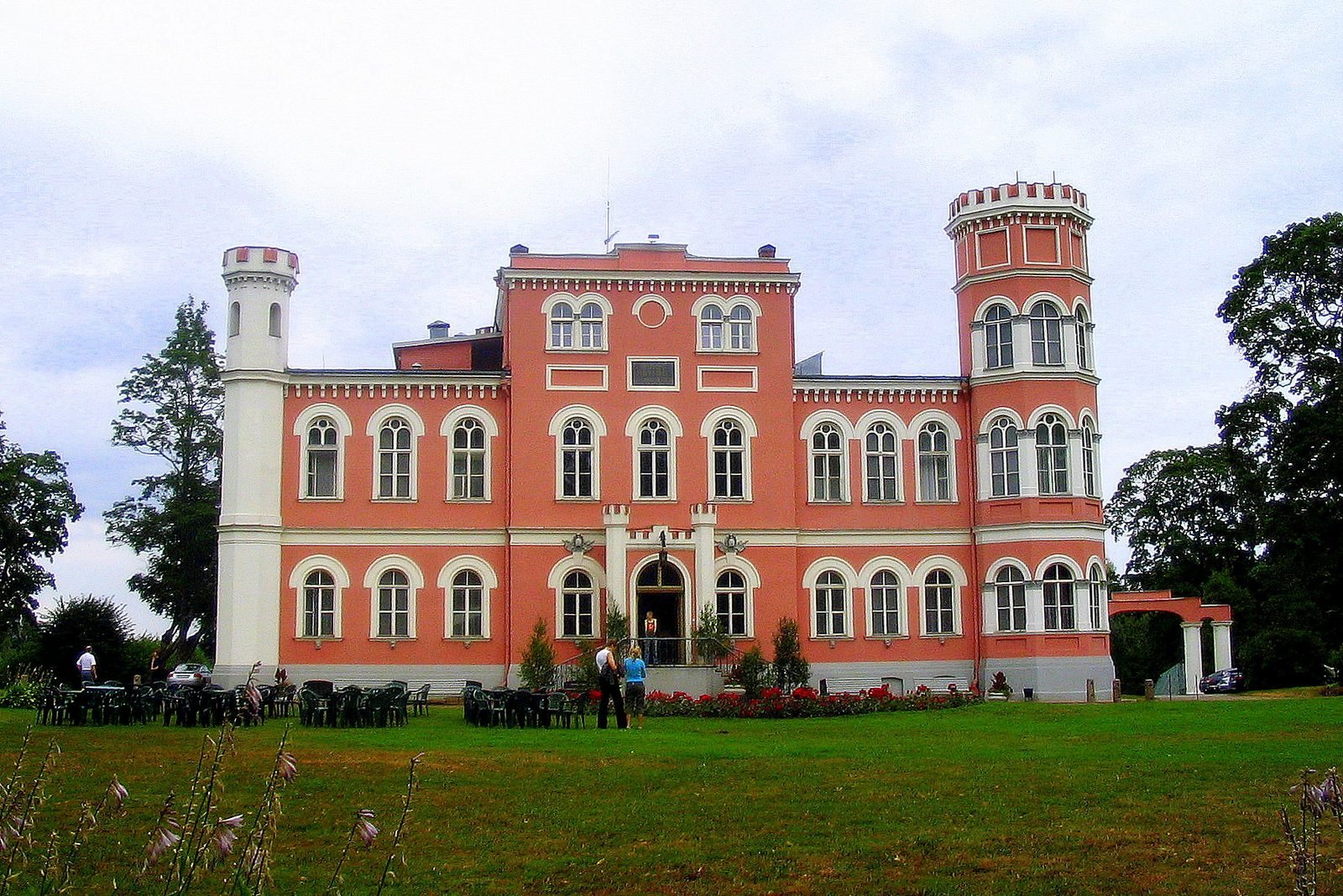
Bīriņi manor house, also known as Bīriņi Palace, is a 19th-century Neo-Gothic manor in the village of Bīriņi, Latvia. Riga architect Friedrich Wilhelm Hess designed and built it between 1857 and 1860 for August von Pistohlkors, a nobleman from the Baltic region’s long-established German-speaking community.
Construction and rebuilding
Hess’s palace was built as a residence for the von Pistohlkors family. In the early 20th century, architect Rudolf Heinrich Zirkwitz oversaw a rebuilding that made the façade simpler and less ornate. After the work in 1926, the palace became a health resort for employees of the printing industry.
Changing uses and reconstruction
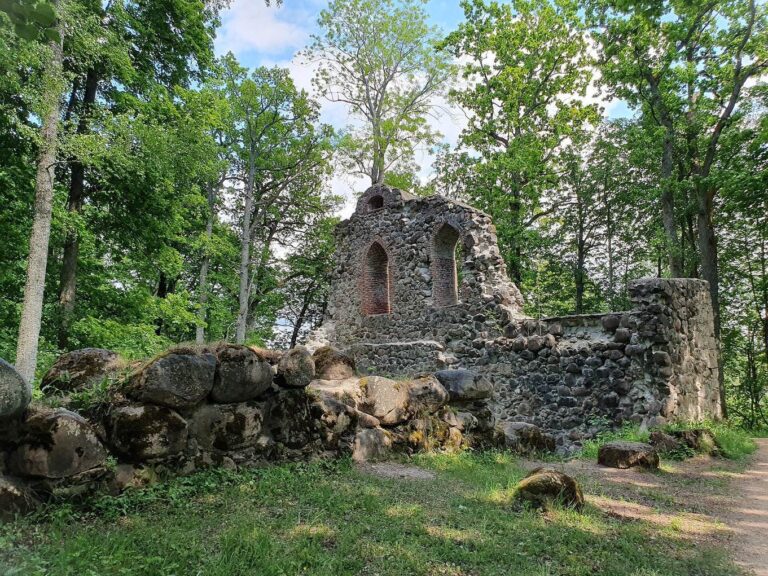
Different health resorts operated in the palace until 1995. During the Soviet period, paintings promoting Soviet ideology were added to the interior, and the von Pistohlkors family tomb in the park was vandalized.
The palace was leased in 1994 and is privately owned. Reconstruction of the palace, its associated buildings, and the surrounding landscape began in 1995. A hotel is now located in the palace.
Remains
The palace is an asymmetrical, two-storey building set within a large landscape park. Its central projecting section rises to three storeys, creating a varied outline across the building.
Palace and grounds
Exterior
Towers mark all four corners of the palace. Three are small and decorative, while the tower at the southwest corner is larger. The building’s central section projects outward from the main façade and rises above the two-storey wings.
Interior
The interior follows a Neo-Renaissance design, a later revival of Renaissance forms. A broad entrance hall includes a balcony and a double oak staircase decorated with carved wood. The dining hall has a molded wood ceiling and opens onto a terrace that descends toward the lake. On the second floor, a richly decorated hall contains original light-colored tile stoves.
Park and family tomb
A large landscape park surrounds the palace, and the von Pistohlkors family tomb stands within it.