Biburg Abbey: A Benedictine Monastery in Germany
Site at a Glance
- Rating
- 4.5
- Popularity
- Medium
- Country
- Germany
- Primary era
- Medieval
- Eras represented
- Medieval, Early Modern
- Civilizations
- Duchy of Bavaria, Holy Roman Empire
- Site type
- Religious
- Remains
- Monastery
On this page9 sections
History
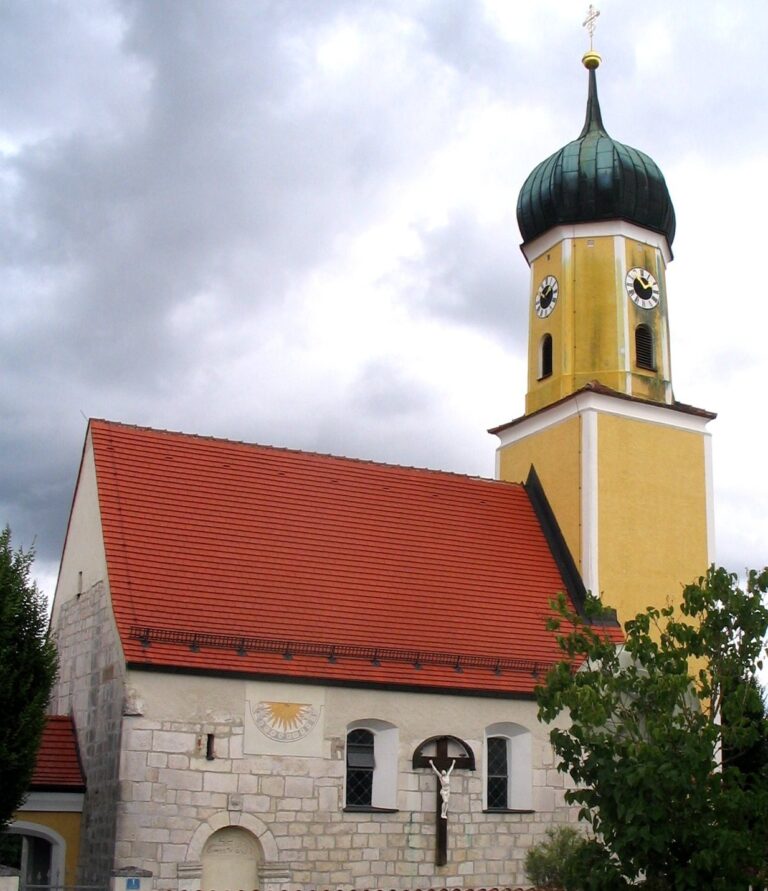
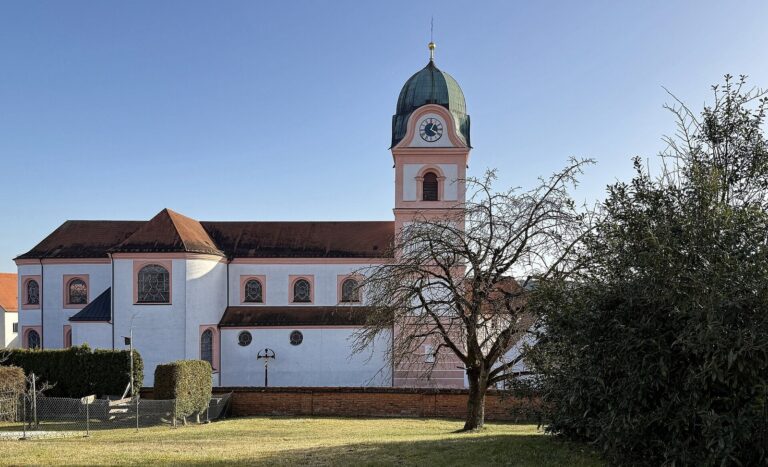
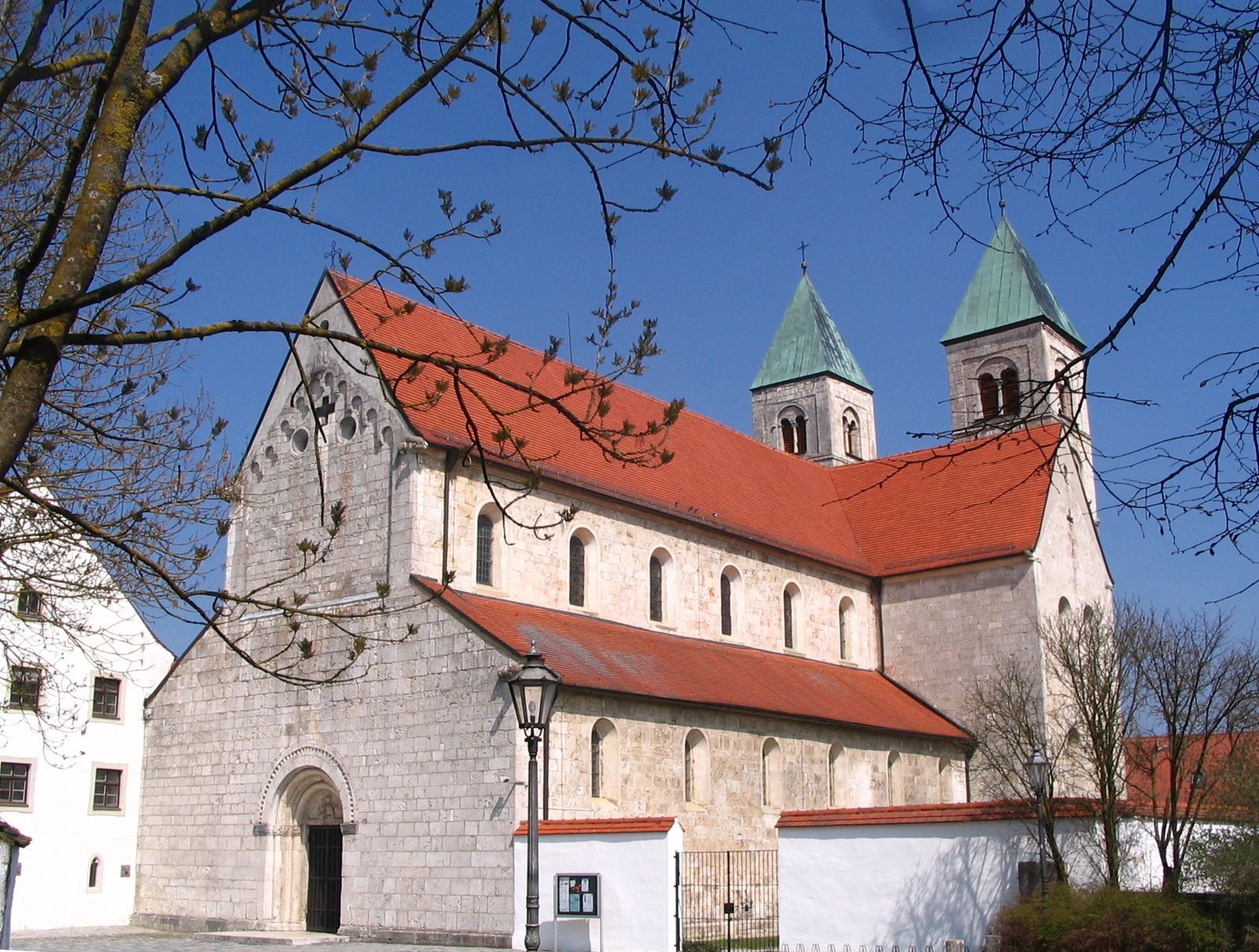
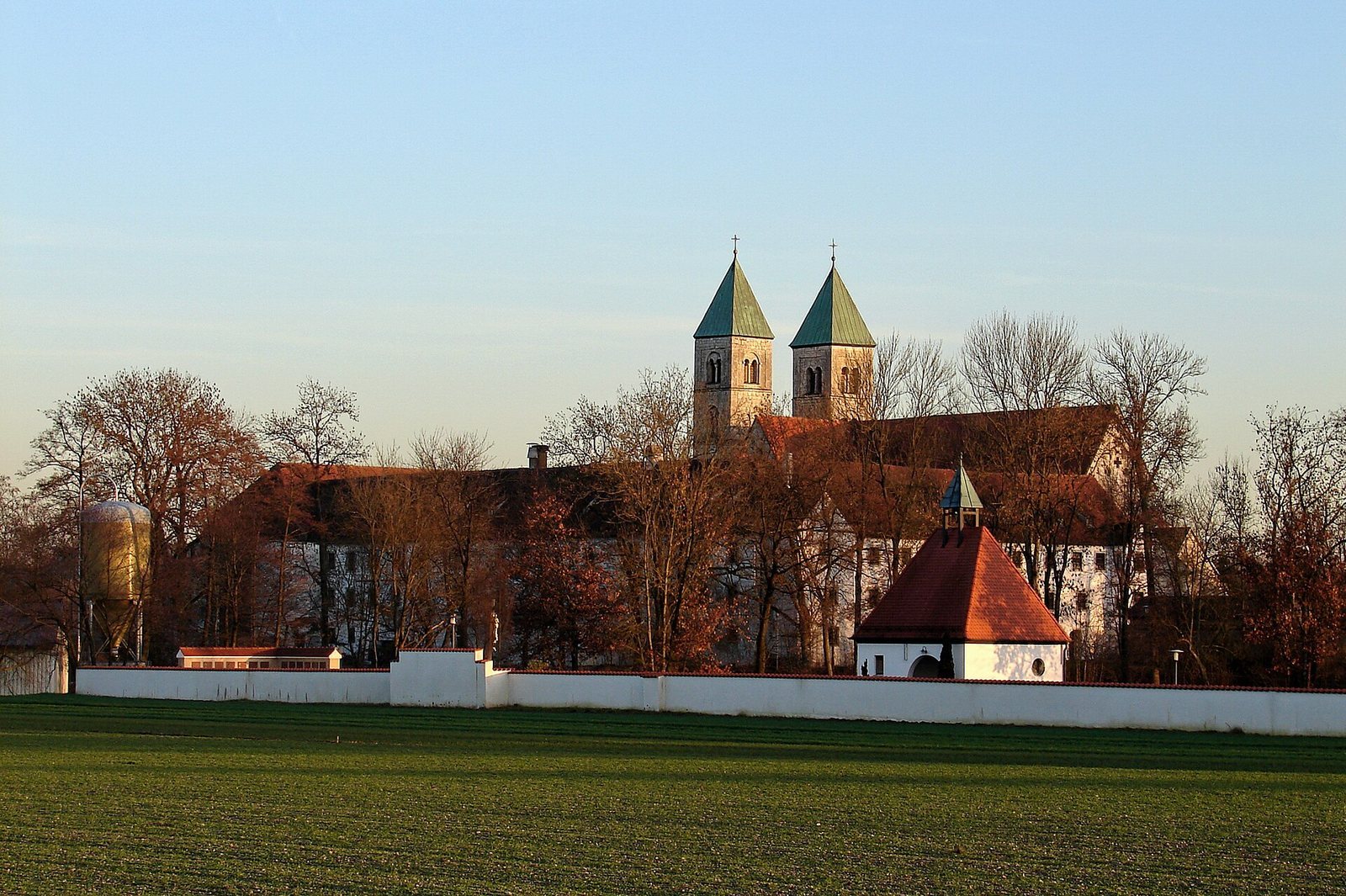
Biburg Abbey is a former monastery of the Benedictine order, whose religious life follows the Rule of Saint Benedict, in Germany’s Diocese of Regensburg. Work on its Romanesque church, a medieval architectural style associated with rounded arches and substantial masonry, began in 1125. The church has served as Biburg’s parish church since 1785.
Foundation and medieval development
The monastery’s founder is traditionally identified as Bertha of Ratzenhofen, known as Blessed Bertha, a Catholic honorific for someone formally beatified. Bertha and her husband, Count Heinrich I of Sittling, entrusted their castle at Biburg to their younger sons, Konrad and Arbeo. The castle had been Bertha’s marriage property. At her request, the brothers gave it to Bamberg Cathedral in 1125 on the condition that a monastery be established there.
The church was provisionally consecrated in 1133. In 1140, Bishop Heinrich of Regensburg and Bishop Egilbert of Bamberg consecrated the completed monastery in honor of the Virgin Mary. Bertha’s son Eberhard, a monk from Prüfening, became the first abbot. His elder brother Ulrich served as lay advocate, a secular guardian appointed to protect a religious institution.
Biburg began as a double monastery for men and women. A fire destroyed it in 1278, and the women’s convent was not rebuilt. The destruction brought economic hardship, leading Abbot Heinrich IV to sell monastic estates late in the 13th century. The abbey later recovered and flourished from about 1400.
Reformation and changing custodians
During the religious upheavals of the Reformation, the monks left Biburg. The vacant monastery was dissolved in 1555 and placed under state administration. In 1589, Jesuits, a Catholic religious order, received the buildings. The Knights Hospitaller, a religious order that began by caring for pilgrims and later also took on a military role, took them over in 1781.
After the Hospitaller order was dissolved, the buildings passed into private ownership. Bavarian secularization, the transfer of monastic property to state ownership, brought the abbey into state hands in 1808. The church had already become Biburg’s parish church in 1785.
Later uses
The former monastery buildings housed the Biburg Abbey brewery until it closed in 1991. Some rooms were later used by an art school and artists’ academy. The former monastery and hotel also housed an outpost of the St. Franziskus Abensberg vocational training center; its boarding school closed at the end of the 2016–17 school year.
A real-estate group acquired the entire complex in 2017 and carried out a comprehensive renovation. By 2020, the work had produced 50 apartments and a monastery café with a beer garden.
Remains
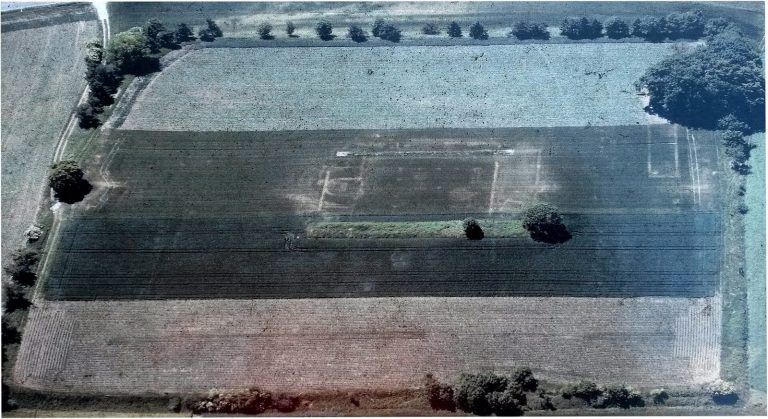
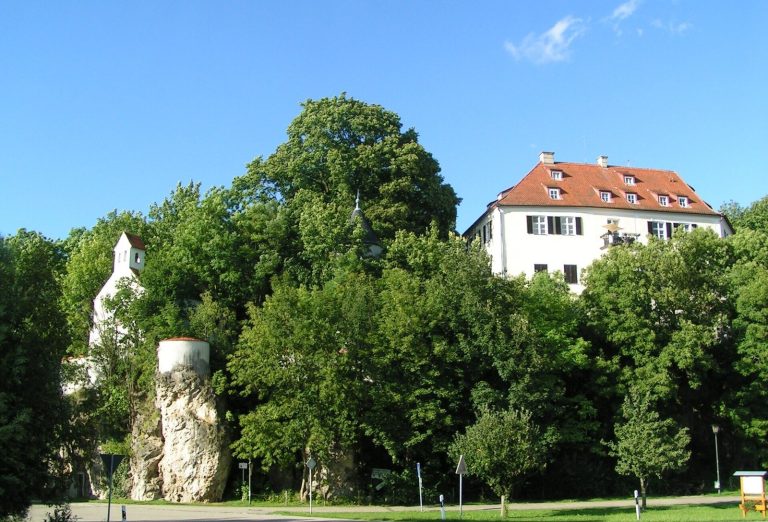
The surviving complex includes the abbey church and the former monastery buildings. The church retains much of its medieval Romanesque fabric, while the monastery buildings reflect later renewal and renovation.
Church and memorial features
Abbey church
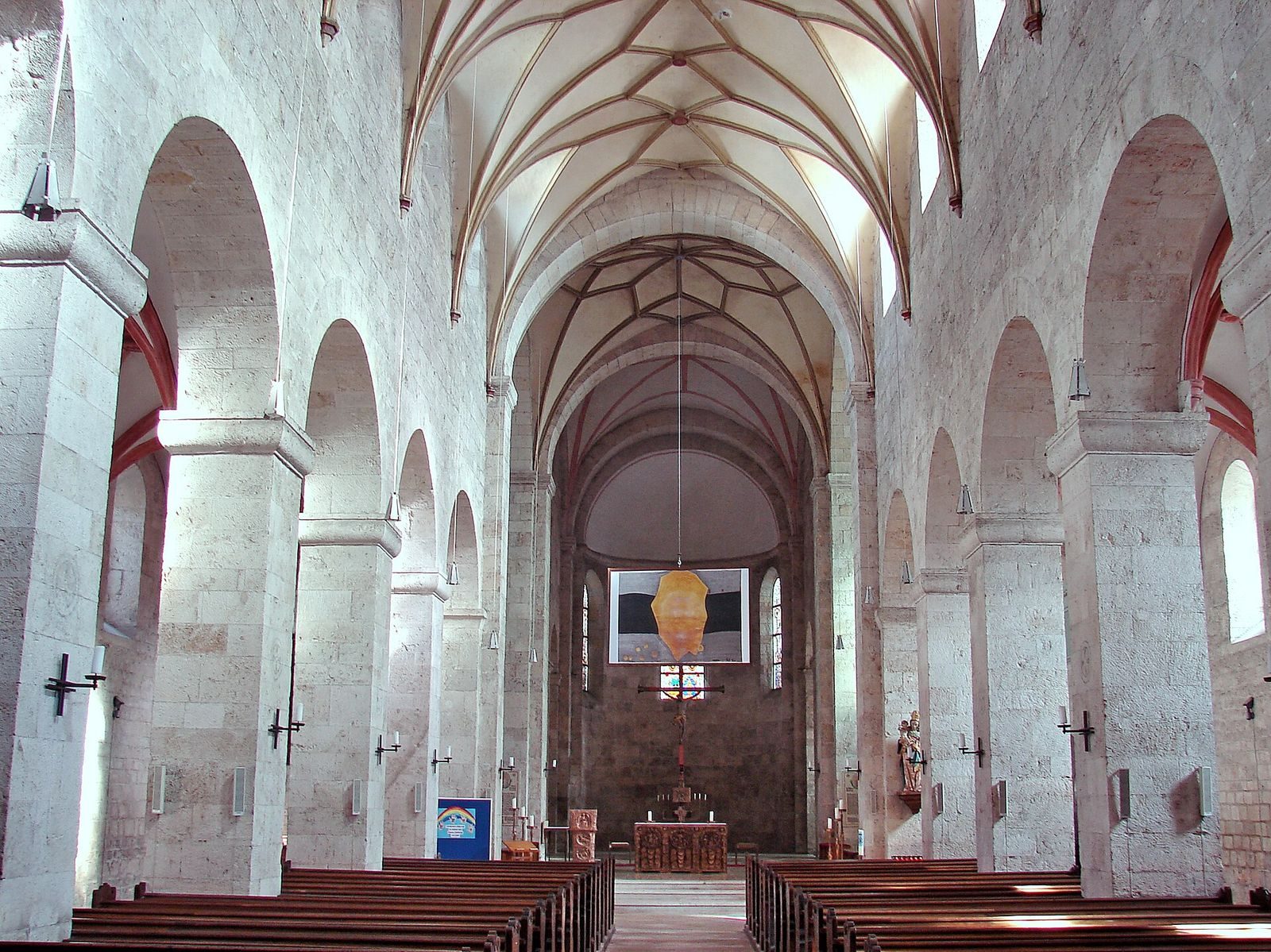
The church, named Maria Immaculata (Immaculate Mary), is a Romanesque monument whose fabric has remained nearly unchanged since the monastery’s consecration in 1140. A net-rib vault, a vaulted ceiling whose ribs form a network pattern, was added to the central nave in the early 16th century. The church was restored in a Romanesque style from 1885 to 1887.
Bertha’s tomb and the Bertastein
Bertha’s grave was originally in the nearby pilgrimage church at Allersdorf, which she also founded and which was administered from Biburg. Her grave and its tomb cover were later moved to the abbey church. The Bertastein, the stone associated with Bertha’s tomb, remains visible in the apse, the sanctuary end, of the south aisle.
Monastery buildings
The monastery buildings were renewed after a fire in 1701. They later underwent comprehensive renovation following their acquisition in 2017.