Benjamin Franklin House: Franklin’s Georgian Residence in London
Site at a Glance
- Popularity
- High
- Country
- United Kingdom
- Primary era
- Early Modern
- Eras represented
- Early Modern
- Civilizations
- British
- Site type
- Domestic
- Remains
- House
On this page7 sections
History
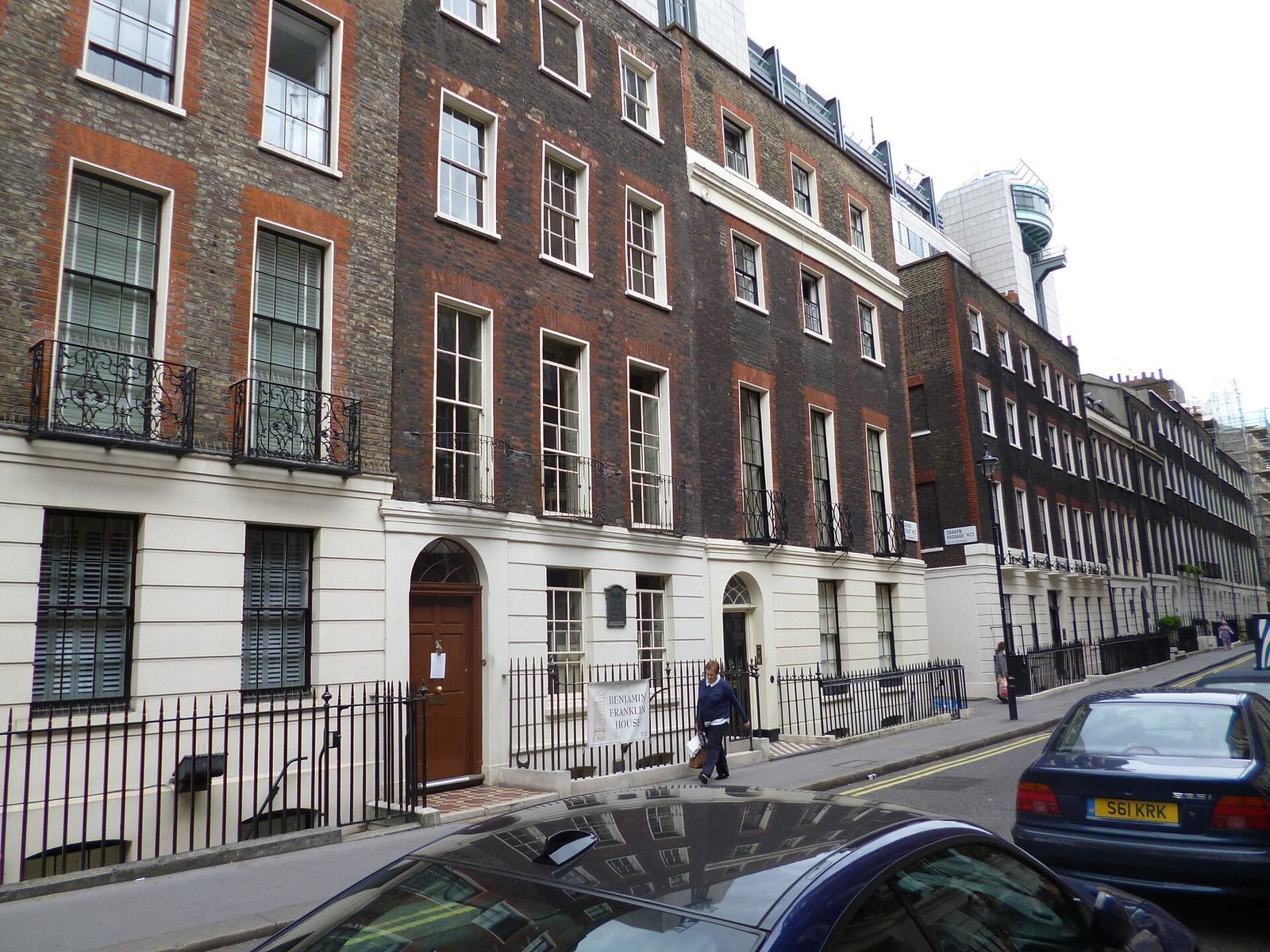
Benjamin Franklin House is a terraced Georgian residence in London, United Kingdom, built around 1730. Georgian architecture refers to British styles associated with the first four kings named George, whose reigns spanned 1714 to 1830. It is the last of Franklin’s former homes to survive. Franklin, an American political leader, diplomat, and scientist, lived and worked there from 1757 to 1774.
Franklin’s residence and political work
The house belonged to Margaret Stevenson. From there, Franklin advocated for the interests of Pennsylvania’s colonial legislature, the Pennsylvania General Assembly. This political role has led to the residence being described as a possible “first American embassy.” In 1762, Franklin invented the glass harmonica, an instrument that produces tones from glass elements.
Hewson’s anatomical work
William Hewson, a British researcher of the human body and a close friend of Franklin, lived in the house for two years. He was also Stevenson’s son-in-law and carried out anatomical work there in secret. Dissection of certain human bodies remained legally problematic at the time. Franklin probably knew of Hewson’s research but is thought not to have participated. If he was aware of it, he may have tolerated it because of his sympathy for scientific inquiry.
Restoration and preservation
In 1998, the Friends of Benjamin Franklin House restored and renovated the building with the intention of creating a museum, and excavation took place during the work. The house is Grade I listed, England’s highest category for buildings of exceptional interest, because of its association with Franklin. Its conservation approach emphasizes minimal modern intervention.
Remains
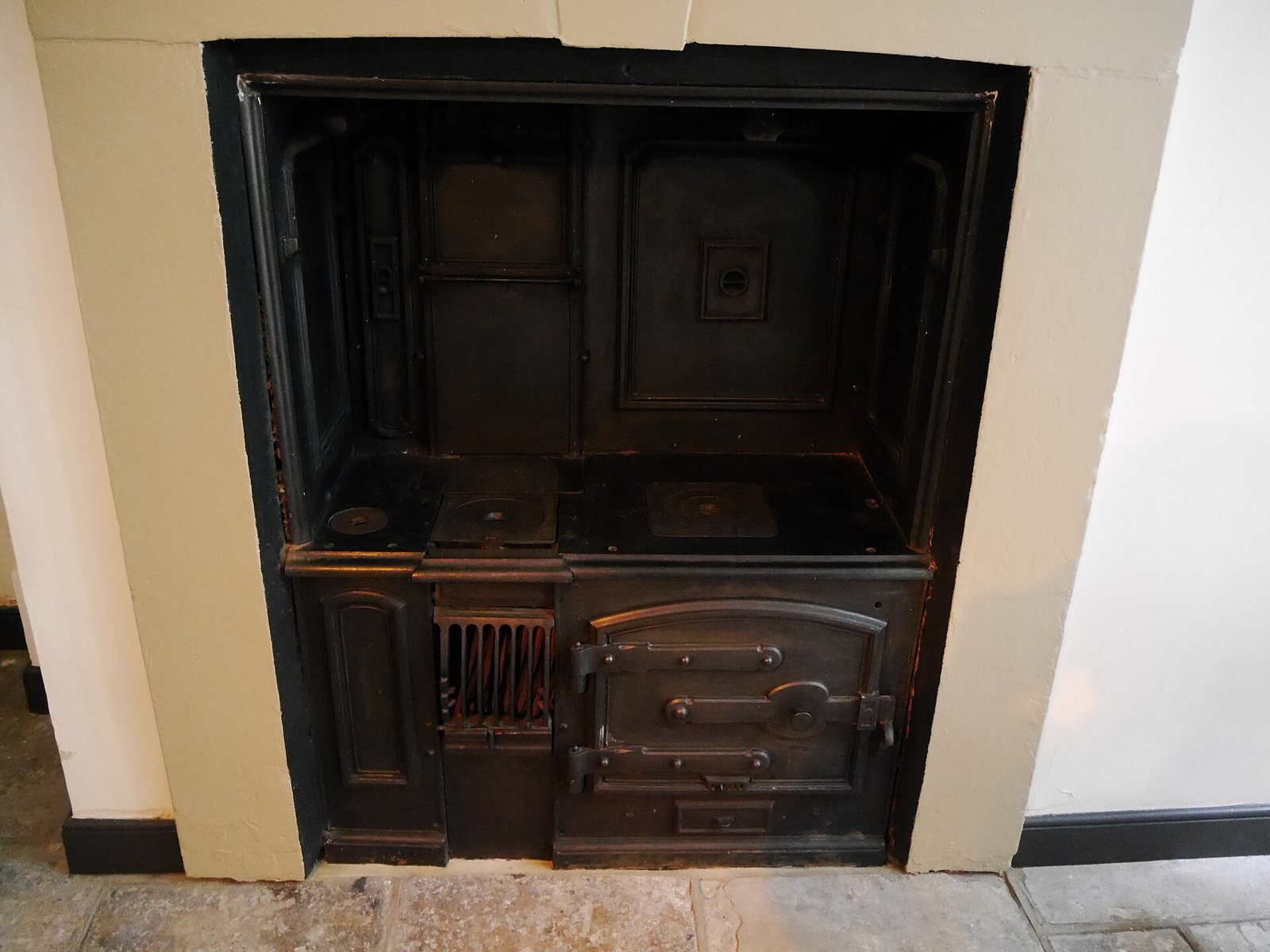
The house forms part of a Georgian terrace. Its surviving interior fabric includes a fireplace, floorboards, ceilings, and staircases, and relatively few later changes have altered the building.
Cellar excavation
Excavation in 1998 uncovered human bones and fragments in a cellar beneath the garden. The remains represented ten individuals, six of whom may have been children. They were estimated to be about 200 years old and may have been buried during Franklin’s residence. Later evidence connected them with Hewson’s anatomical work.
Instrument and learning spaces
The house contains a playable modern replica of Franklin’s glass harmonica, made to his design. Its Student Science Centre includes a Medical History Room focused on Hewson’s research, a Discovery Room with historical artifacts, and a Demonstration Room where students can recreate Franklin’s experiments. A Scholarship Centre occupies the top floor.