Beisbroek Castle: A Nineteenth-Century Castle on a Historic Estate in Belgium
Site at a Glance
- Popularity
- Low
- Country
- Belgium
- Primary era
- Modern
- Eras represented
- Modern
- Civilizations
- Belgian
- Site type
- Domestic
- Remains
- Park
On this page8 sections
History
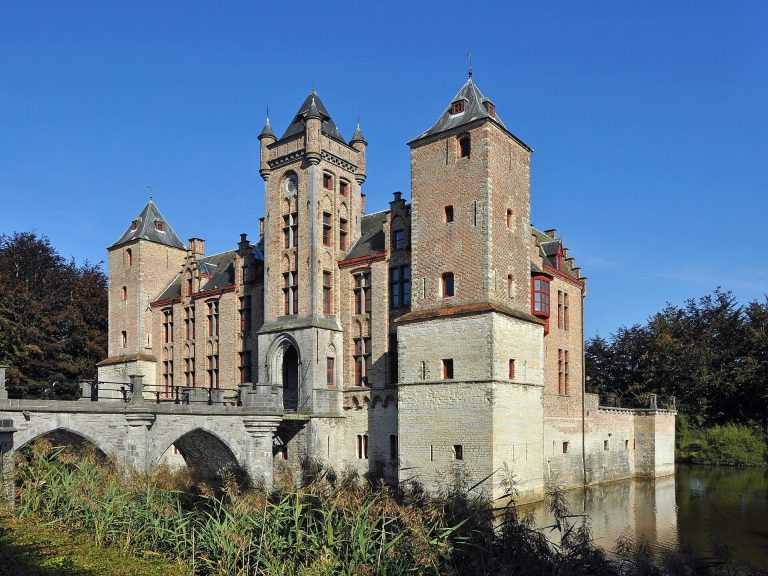
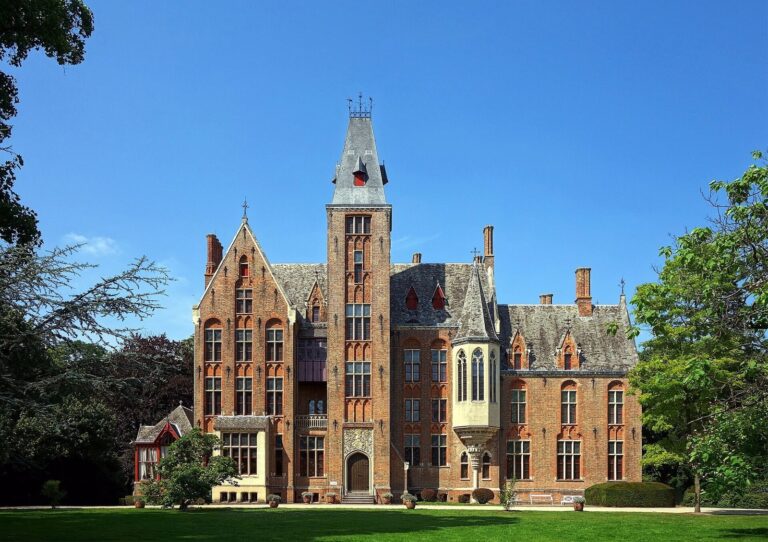
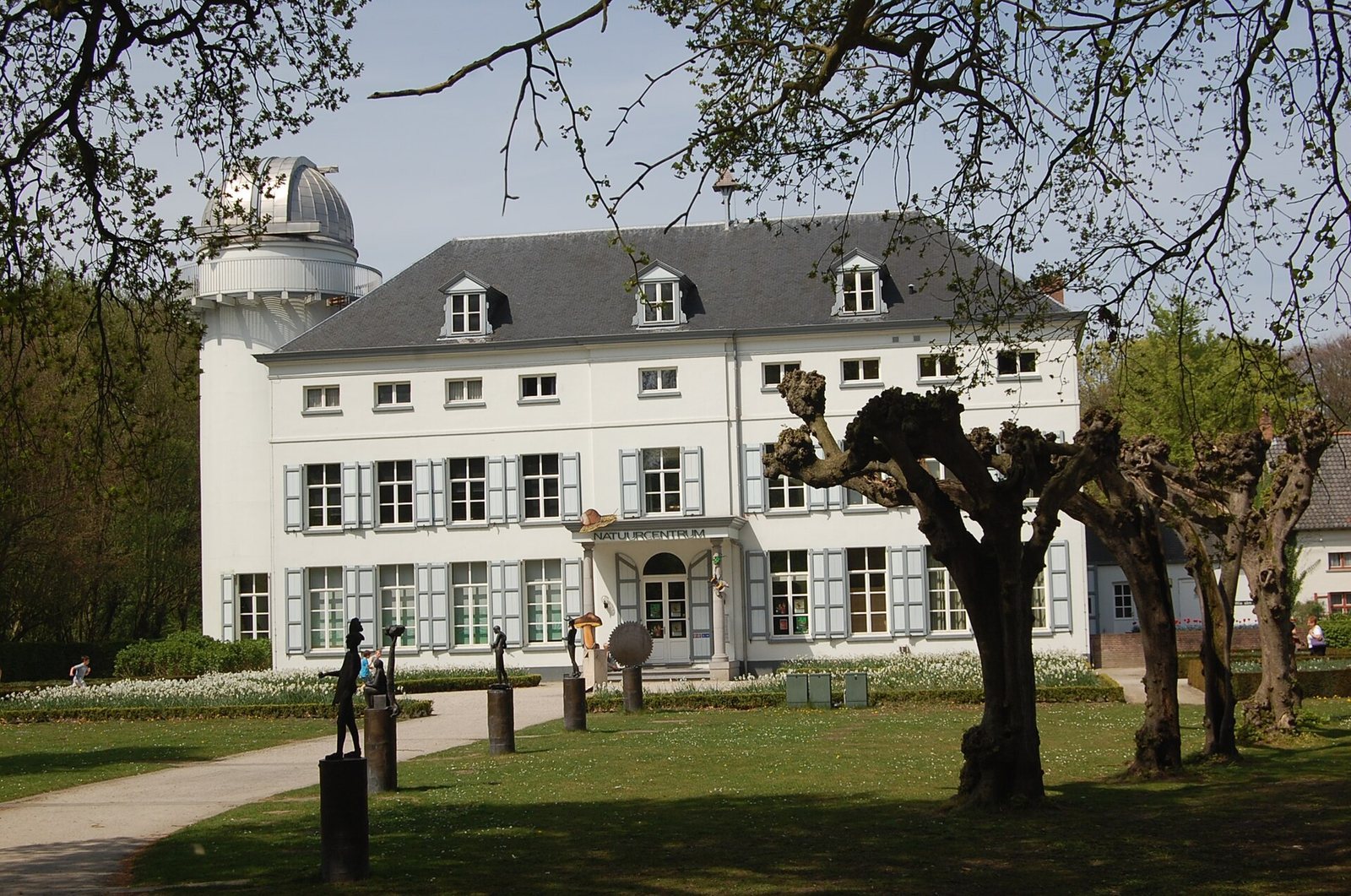
Beisbroek Castle is a nineteenth-century castle in Sint-Andries, a submunicipality of Bruges, Belgium, built in 1835 by Edouard de Nieulant. The estate on which it stands is known from the seventh century, when it formed part of Snellegem, a royal holding of the Merovingians, the Frankish ruling dynasty that controlled parts of western Europe from the fifth to the eighth centuries.
Early estate and ownership
In the ninth century, the estate passed to Baldwin I, an early medieval Count of Flanders. By 1115, it belonged to St Andrew’s Abbey, a monastic institution governed by an abbot or abbess. A description written in 1678 lists five small farmsteads on the estate, including one called Leghuut or Leghuyt.
The De Nieulant et de Pottelsberghe family acquired the entire estate at a public sale in 1798. After Edouard de Nieulant built the castle and laid out its park, the property passed to his son-in-law Adolphe Otto de Mentock, who also succeeded him as mayor of Sint-Andries. Later residents included heirs of the Otto de Mentock and de Busschere families.
Public estate and heath management
In 1973, the city acquired the 98-hectare estate from the de Busschere family. A storm that year destroyed Douglas firs in its southern heath area. Replanting followed in 1974 and 1975, but cross-leaved heath and ling, flowering shrubs characteristic of heathland, appeared abundantly in 1976. After studying the soil in March 1977, managers stopped reforestation to preserve the heath. The estate became a public municipal property with a nature centre in 1976, and a public observatory began operating there in 1985. Beisbroek Castle has protected-heritage status in Flanders.
In summer 1978, heath shrubs spread across the plot. Work that year included mowing and removing overgrowth such as bramble, rosebay willowherb, purple moor-grass, and rushes; the remaining Douglas firs were also felled. The area was mown again in 1979 and for a final time in 1980. Campine heath sheep, a regional breed, and goats were introduced in 1982 to manage the vegetation through grazing. The goats were removed three years later.
Remains
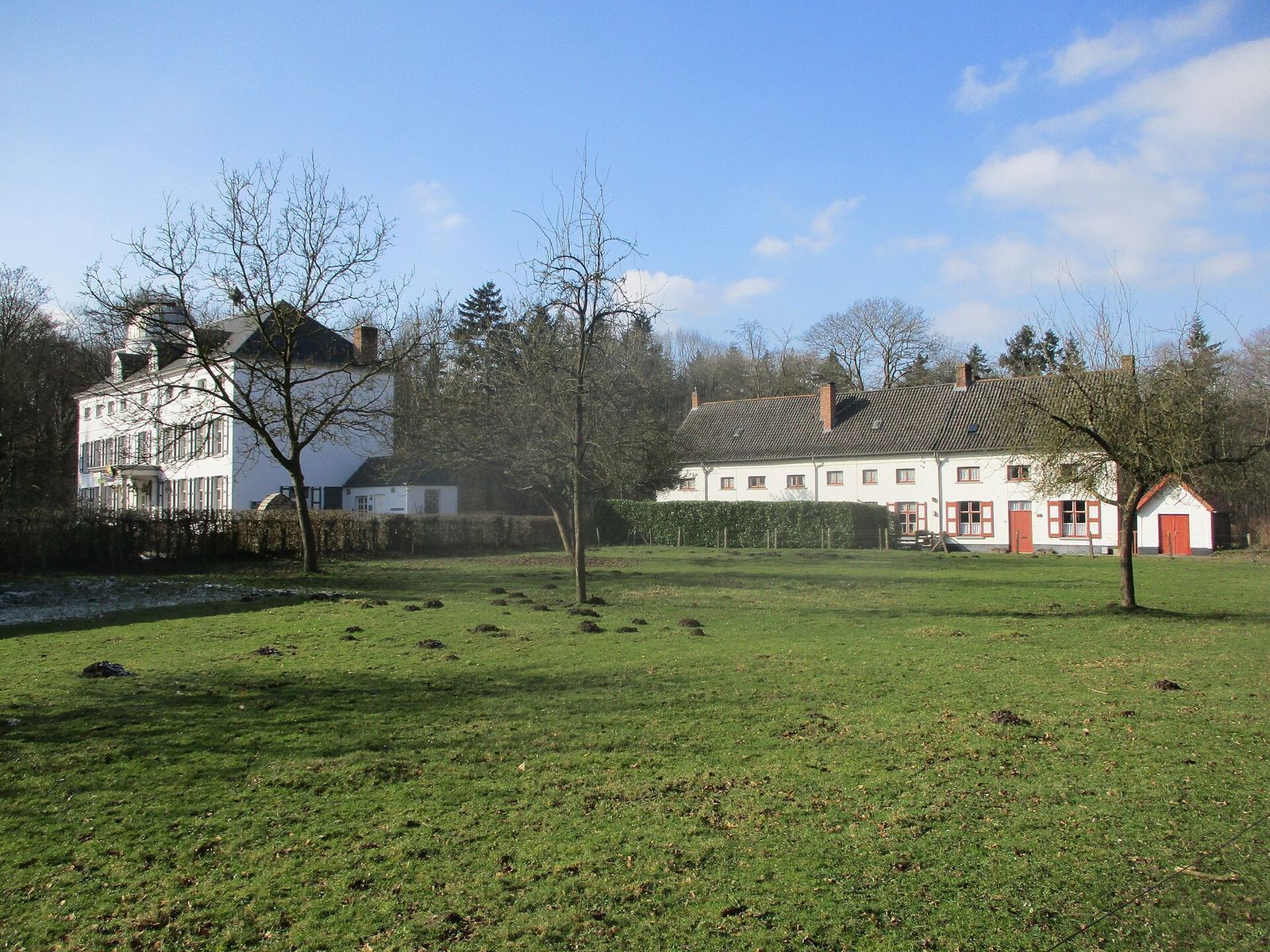
The estate includes the castle and its park, the area associated with the Leghuut farmstead, and a two-hectare heath along the southern boundary.
Buildings and farmstead remains
Beisbroek Castle
The castle houses a nature centre, a planetarium, and a public observatory. These facilities occupy the nineteenth-century building erected by Edouard de Nieulant.
Leghuut farmstead
The Leghuut farmstead is associated with the Leghuutput, an old pool used for watering cattle. Parts of an enclosure that once extended for two kilometres also survive in the area.
Southern heath
The heath lies near the junction of the Diksmuidse Heirbaan and the motorway. Sheep graze the area, where cross-leaved heath and ling grow. Its soil is highly acidic and rich in humus, with very low levels of phosphorus, magnesium, and calcium. A small pond excavated in 1978 forms part of the heath.