Bečov nad Teplou Chateau: A Baroque Residence in Czechia
Site at a Glance
- Popularity
- Medium
- Country
- Czechia
- Primary era
- Early Modern
- Eras represented
- Early Modern, Modern
- Civilizations
- Austrian Empire, Habsburg, Habsburg Austria, Holy Roman Empire, Kingdom of Bohemia
- Site type
- Domestic
- Remains
- Elite Residence
On this page10 sections
History
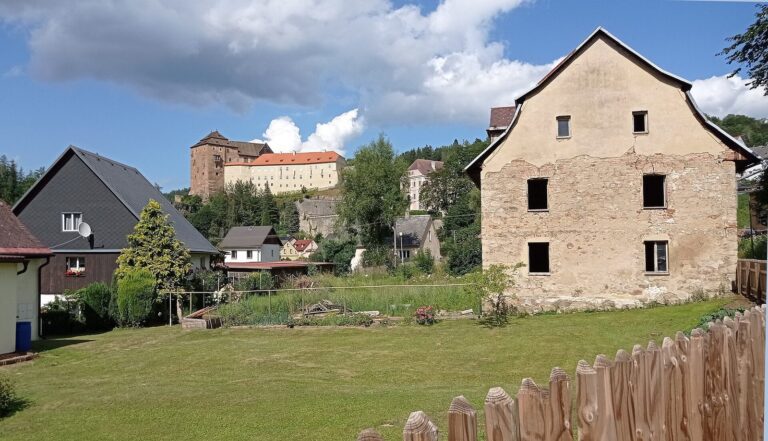
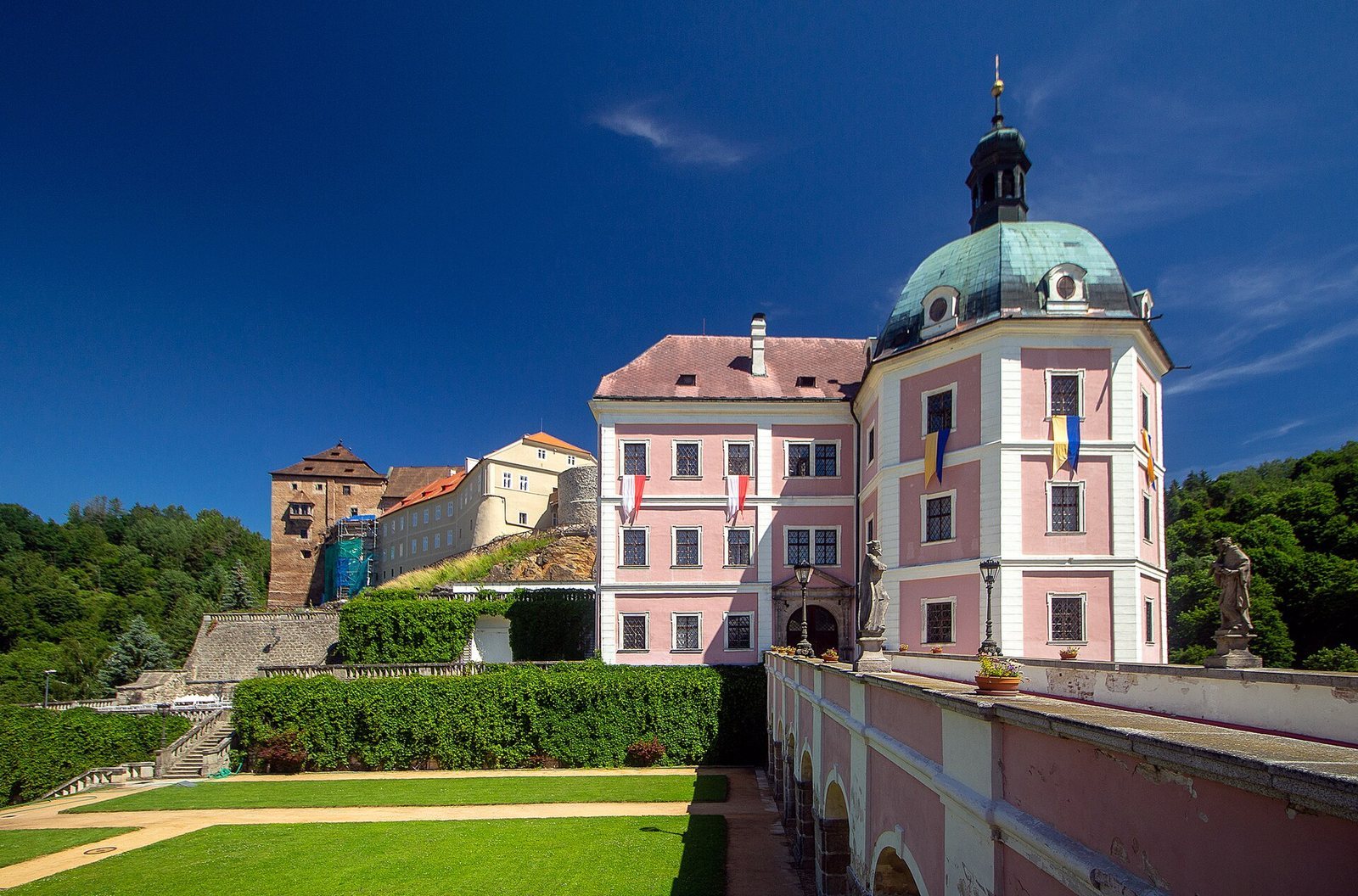
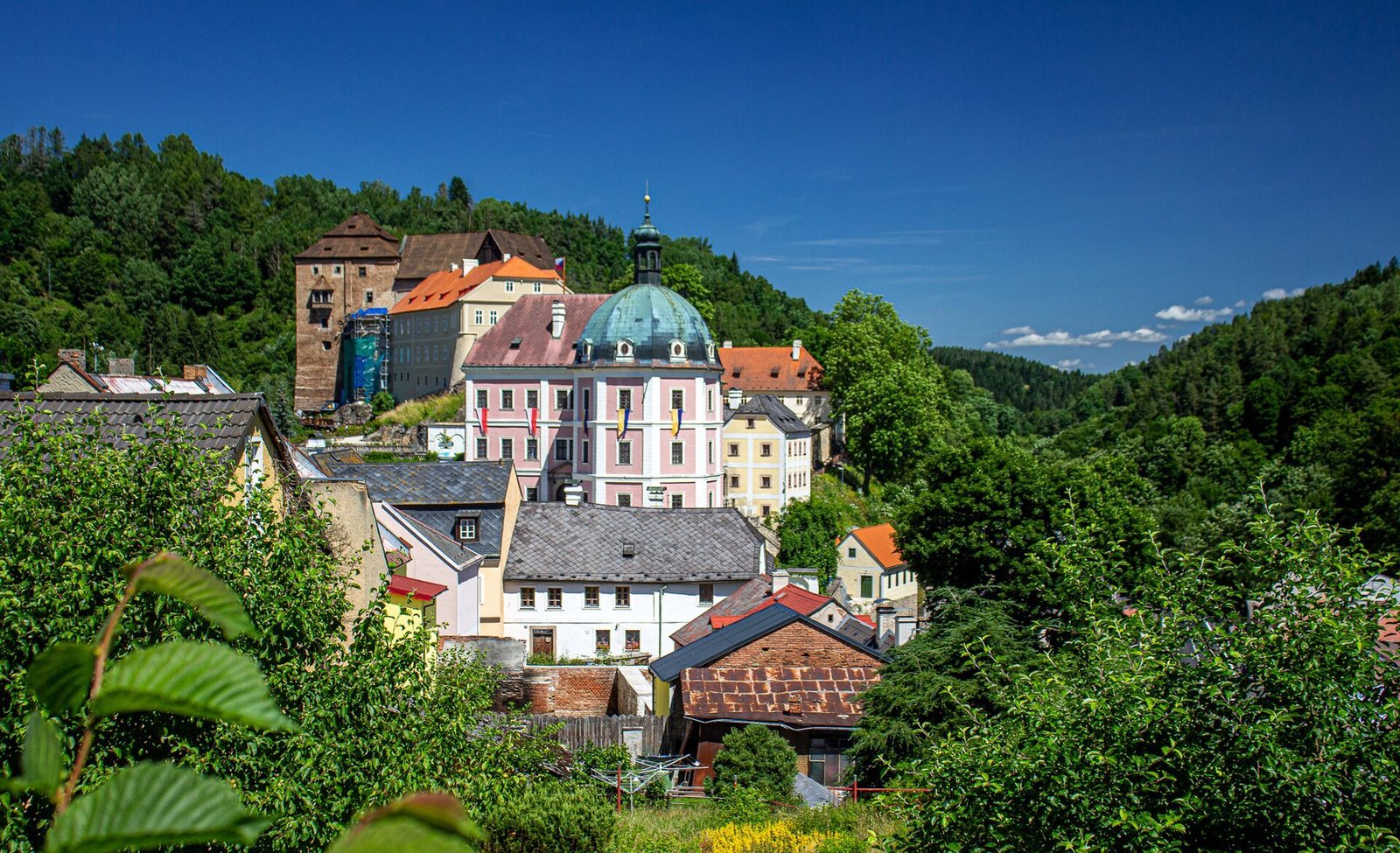
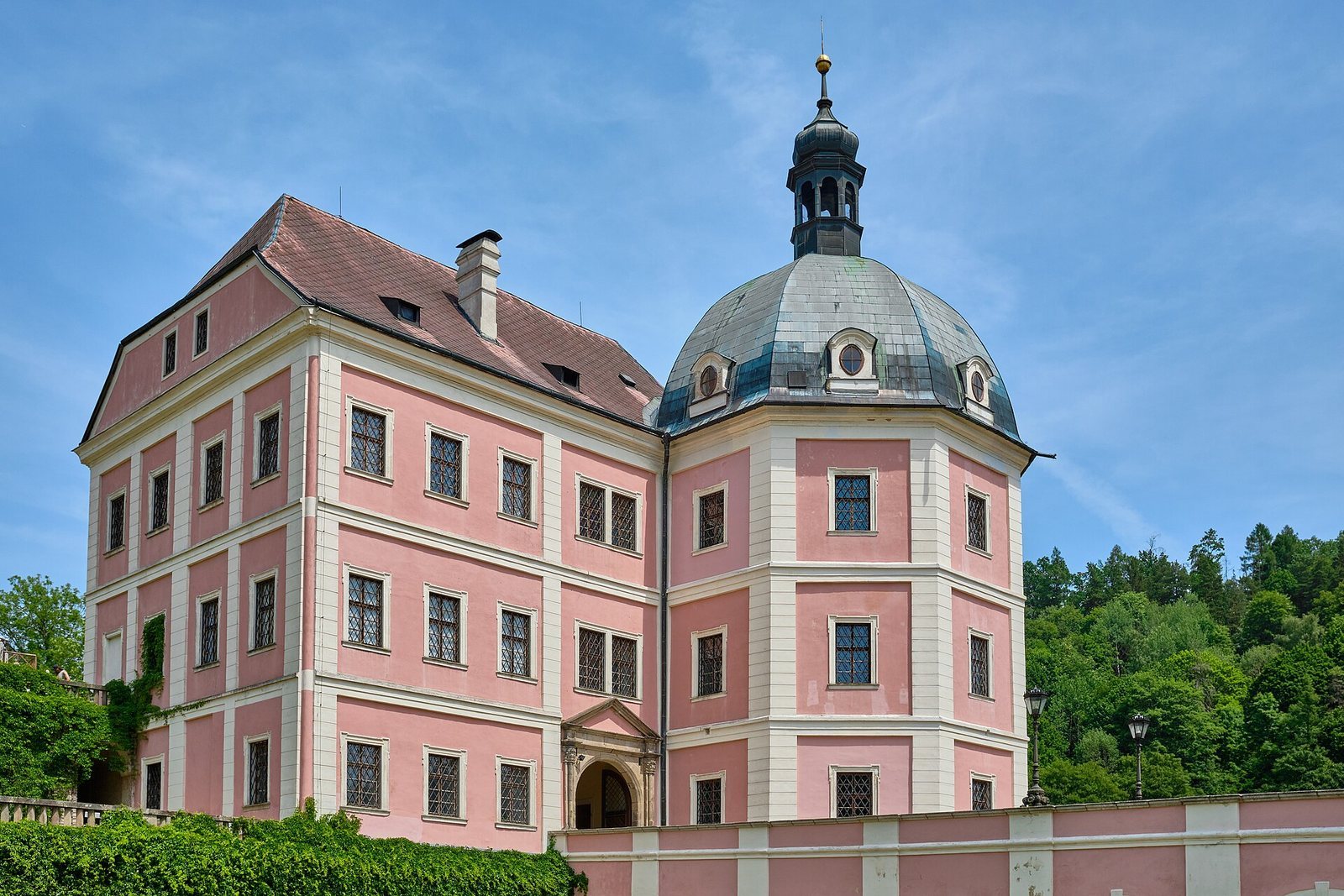
Bečov nad Teplou Chateau is an eighteenth-century residence in Czechia, built in the Baroque style, a European architectural tradition, from 1750 to 1753 for the estate owner Dominik Ondřej z Kounic. It occupies the medieval castle’s former outer bailey, an enclosed area beyond the castle’s main defenses, and was intended to take over its residential role.
Fortifications and the chateau
During the Thirty Years’ War, the major European conflict fought from 1618 to 1648, Jan Lacron designed early Baroque defenses for the site. Only a small portion was built, including an artillery bastion, a projecting fortification designed to support defensive fire. The bastion was later incorporated into the chateau.
Nineteenth-century alterations
The chapel was rebuilt in 1861, and other interiors were altered between 1861 and 1875 with the participation of architects Josef Zítek and Josef Mocker.
Collections and modern history
The Beaufort family library was divided between the chateau, which held its older books, and the castle’s Pluhov houses, where newer volumes were kept. The collections were brought together in 1950, when 150 books went to the German studies seminar at Charles University, 248 to its Romance studies seminar, and 28 to the literary editorial office of the Melantrich publishing house. Other books were taken to Klášterec Chateau and returned to Bečov in 1956; poor storage caused mold damage. After 1977, the books were cleaned and moved to Teplá Monastery. They returned to Bečov in 1990.
In the late 1980s, the Romanesque Reliquary of Saint Maurus, a container for a saint’s relics in the European style that preceded Gothic art, was found hidden beneath a floor in very poor condition. It was restored and added to an exhibition in 2002. An exhibition of Gothic art from western Bohemia had opened in the repaired chateau in 1996, and the later exhibition also presents the complex restoration of the reliquary. The castle and chateau are protected together as a cultural monument; the complex became a National Cultural Monument in 1995.
Remains
Chateau and grounds
Main building
The two-storey Baroque building stands beside the medieval castle, with representative halls and the chapel in its large polygonal tower and residential rooms elsewhere. The tower rests on the earlier artillery bastion. A Renaissance entrance portal, or doorway, dating to around 1540 was reused from the former outer bailey.
Bridge and garden
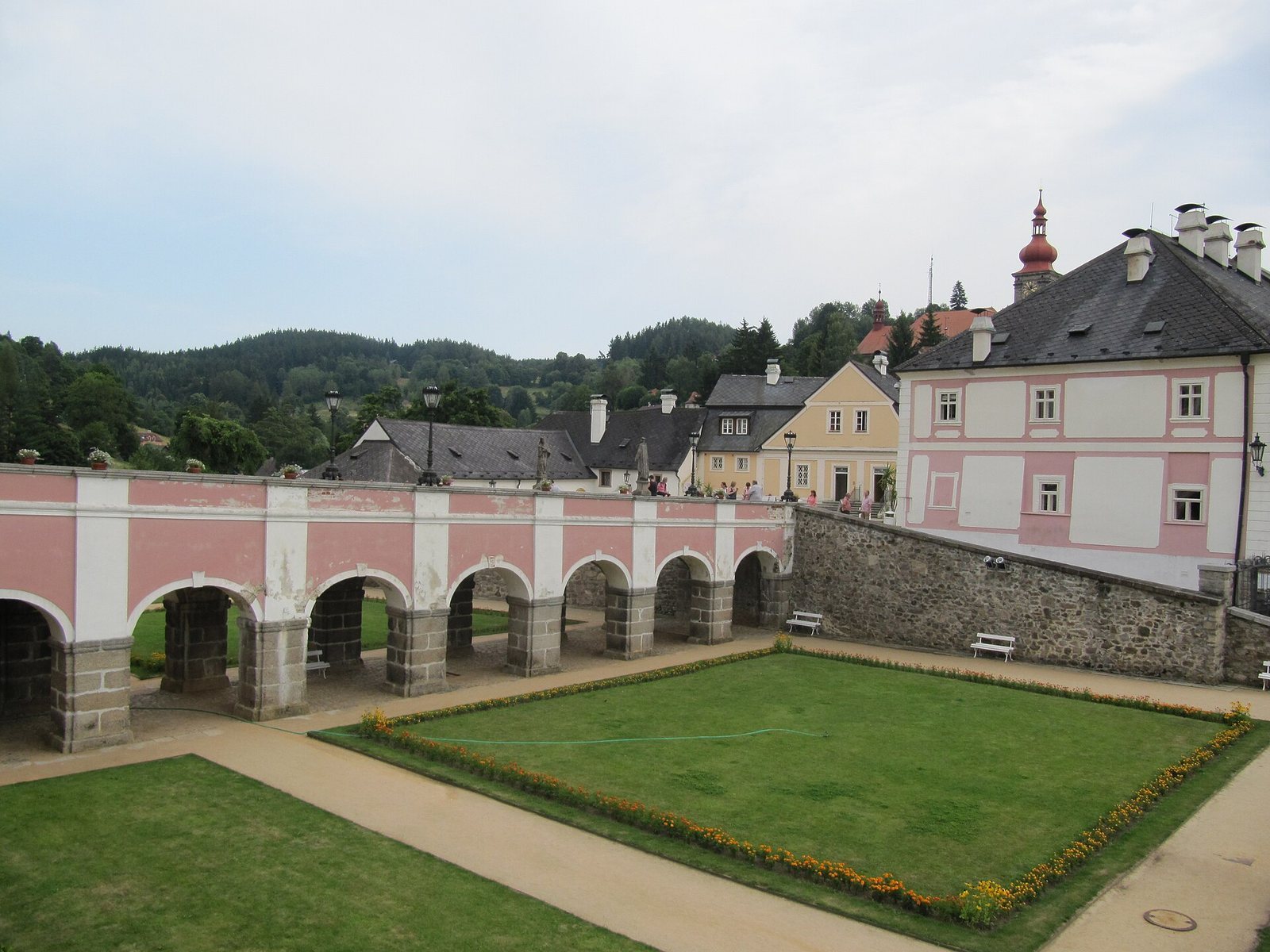
A stone bridge carried on eight rectangular pillars gives access to the chateau. It bears statues of John of Nepomuk, a Bohemian priest venerated as a Catholic saint, and Jan de Gotto, a Jesuit saint. The Jesuits are members of the Catholic Society of Jesus; both statues date to 1753. An adjoining terraced garden was laid out in the second half of the nineteenth century. Extensive cellars from the former eighteenth-century brewery lie beneath its terraces.
Beaufort family library
The collection contains more than 17,000 books, including nearly 50 manuscripts dating from the nineteenth or twentieth century and about 2,000 early printed books. Its oldest volumes date from the sixteenth to eighteenth centuries; most are in French and concern history or geography. Other books date from the nineteenth and first half of the twentieth century, and the collection also includes music scores from around the turn of the twentieth century, maps, and periodicals. Several catalogues belong to the library. The latest, from the mid-nineteenth century, describes 3,337 historical, genealogical, literary, and children’s books. After the library returned to Bečov in 1990, early printed books were placed in the chateau’s original carved cabinets as part of the exhibition.
Reliquary of Saint Maurus
The chateau displays the Romanesque Reliquary of Saint Maurus. It is regarded as the Czech Republic’s most important Romanesque work of goldsmithery and, after the Czech Crown Jewels, the country’s second most valuable heritage object.