Beaulieu Palace House: A Medieval Abbey Gatehouse and Country House
Site at a Glance
- Popularity
- Very High
- Country
- United Kingdom
- Primary era
- Modern
- Eras represented
- Medieval, Early Modern, Modern
- Civilizations
- British, English
- Site type
- Domestic
- Remains
- Elite Residence
On this page7 sections
History
Medieval origins and Tudor conversion
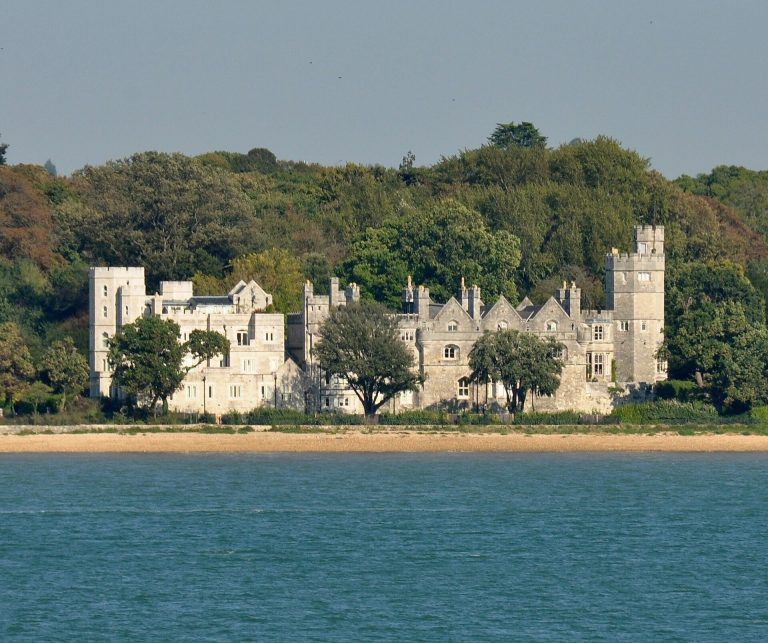
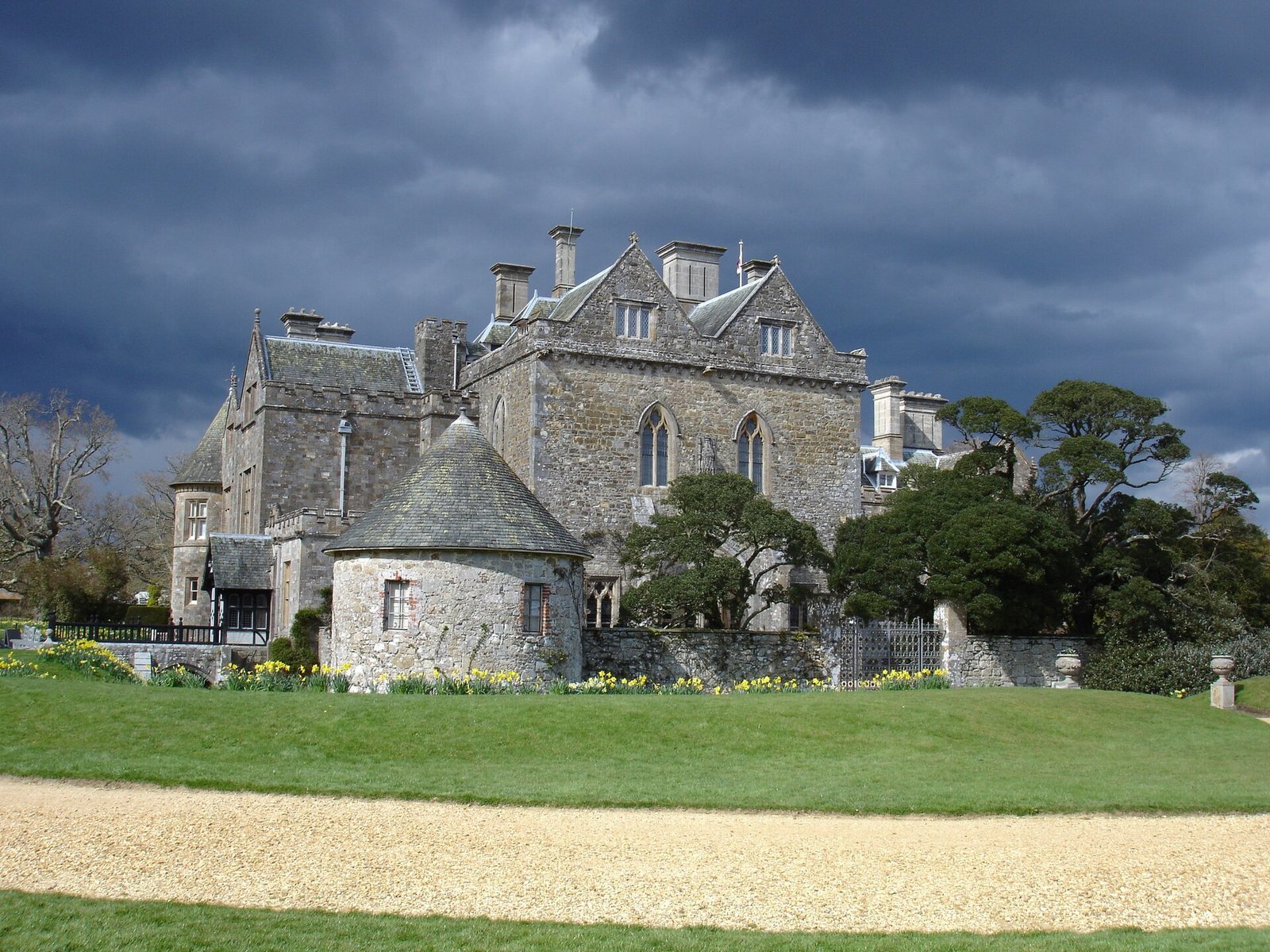
Beaulieu Palace House is a country house in Beaulieu, Hampshire, United Kingdom. It began as the 13th-century gatehouse of Beaulieu Abbey, a medieval Cistercian monastery belonging to a monastic order within Western Christianity. The house’s present character reflects a later Gothic Revival style, which revived medieval Gothic forms.
In 1538, after the Dissolution of the Monasteries, the Tudor-era suppression of England’s monasteries and transfer of their property, Sir Thomas Wriothesley acquired the estate. He adapted the former defensive gatehouse into a more comfortable residence and later became the 1st Earl of Southampton. The house was extended during the 16th century.
Royal visits and family succession
James I stayed at Beaulieu six times while travelling in south-west England. Stands were built for his party to watch football and animal baiting, a blood sport in which animals were set against one another. In August 1613, the king received Antonio Foscarini, an ambassador of the Venetian Republic, at the house.
The property passed by marriage from the Southampton family to the Montagu family. It remains with the earl’s descendants, the Barons Montagu of Beaulieu. The current owner is Ralph Douglas-Scott-Montagu, 4th Baron Montagu of Beaulieu.
Nineteenth-century changes and later history
Further extensions and remodeling took place in the 19th century, giving the house its Gothic Revival character. Stories of haunting may date to the mid-16th century and became widely known around the turn of the 20th century. Arthur Conan Doyle allegedly encountered a ghost during a séance at the house. Local tradition identifies a woman in blue or grey, said to pass through walls and make noises in the private apartments, as Lady Isabella, Countess of Beaulieu, who died in 1786. Edward Douglas-Scott-Montagu, 3rd Baron Montagu of Beaulieu, also described the smell of incense in a room; tradition held that it foretold tragedy for people connected with the abbey or village.
Beaulieu Palace House was designated a Grade I listed building in 1959. It continues as a family residence.
Remains
Exterior and grounds
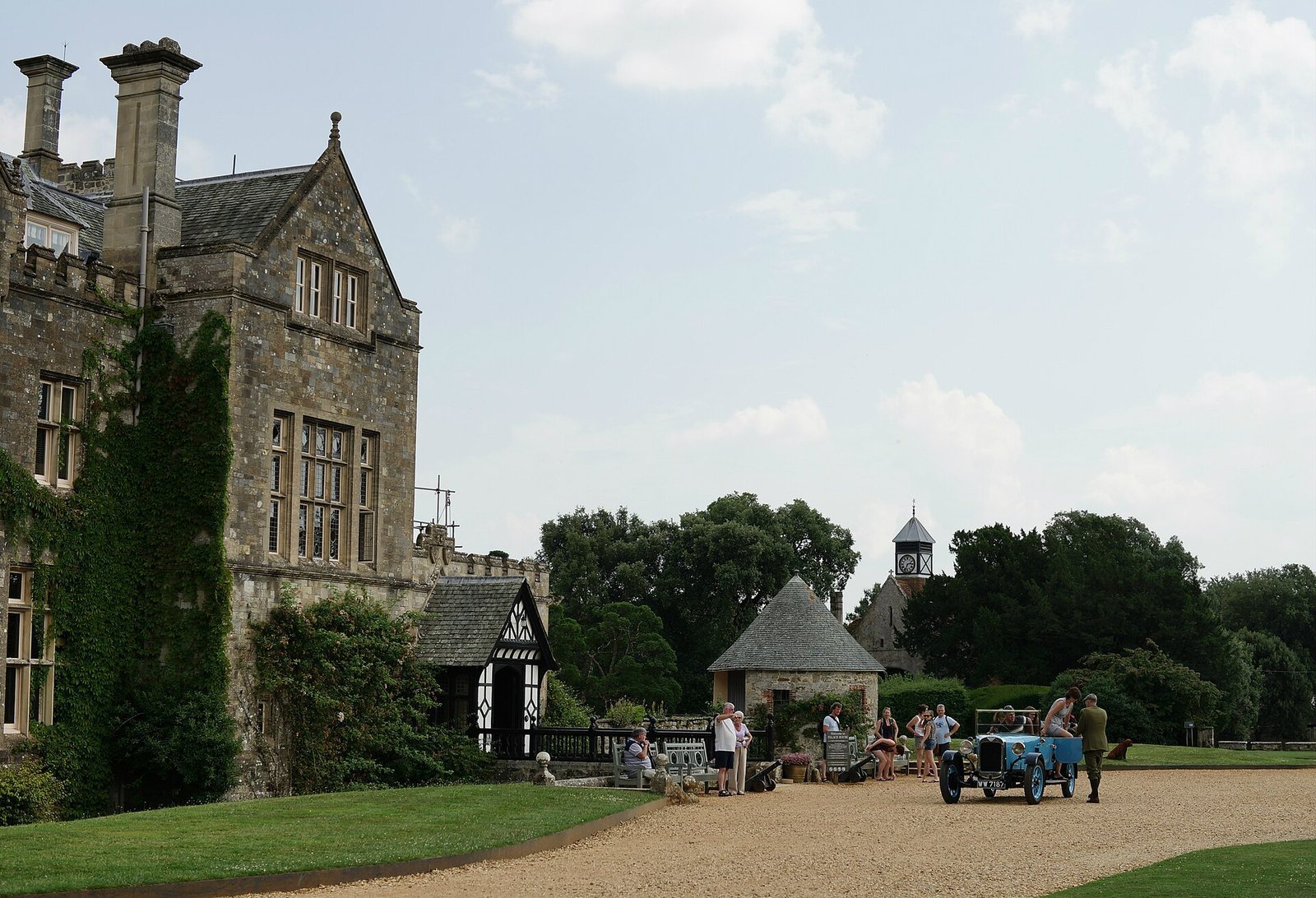
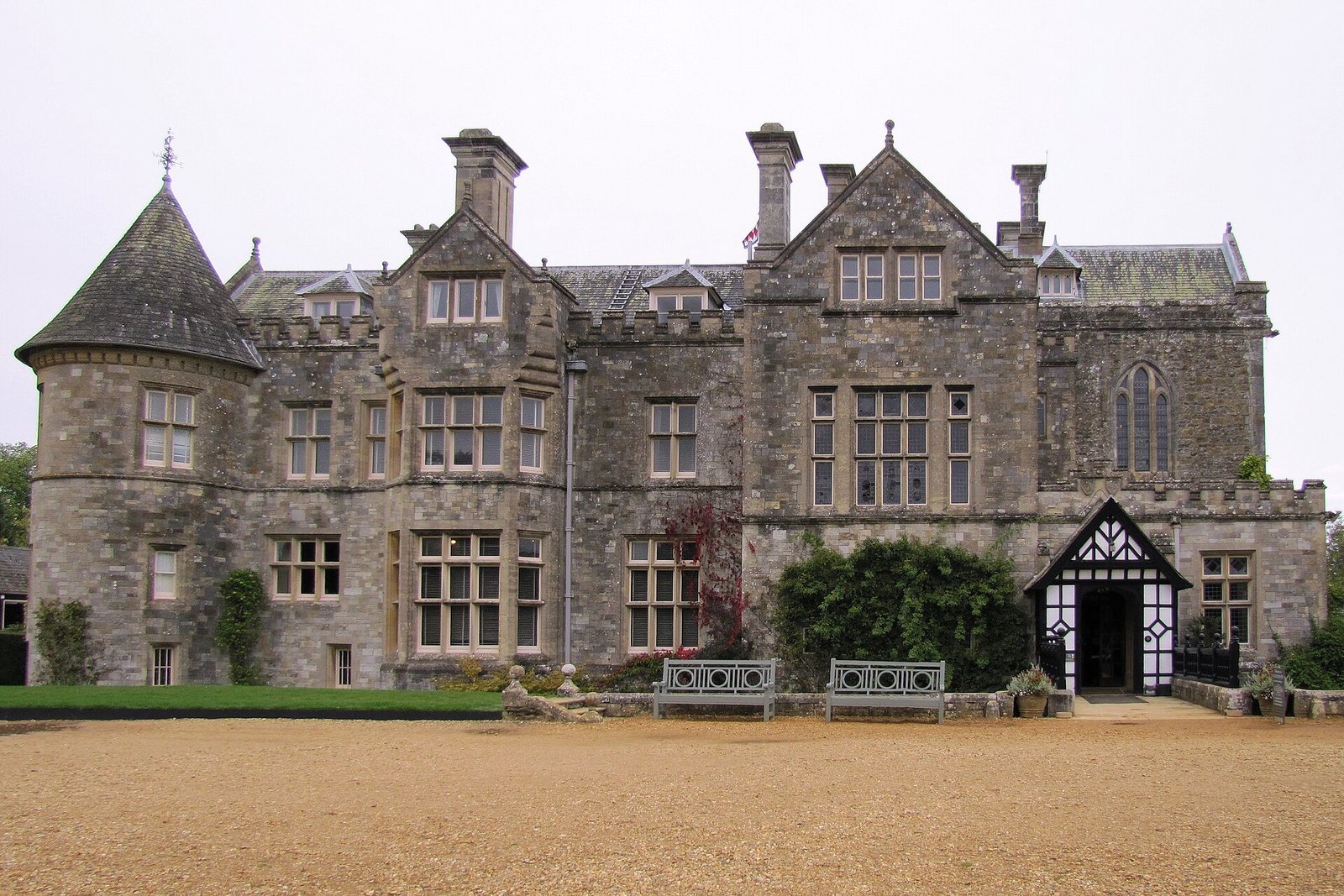
The restored house is built of stone and brick and has the character of a Gothic Revival country house. It overlooks the Beaulieu River, with lawns and walkways around it. On the south side, low stone walls enclose a small inner courtyard, with a round tower at each corner.
Interior
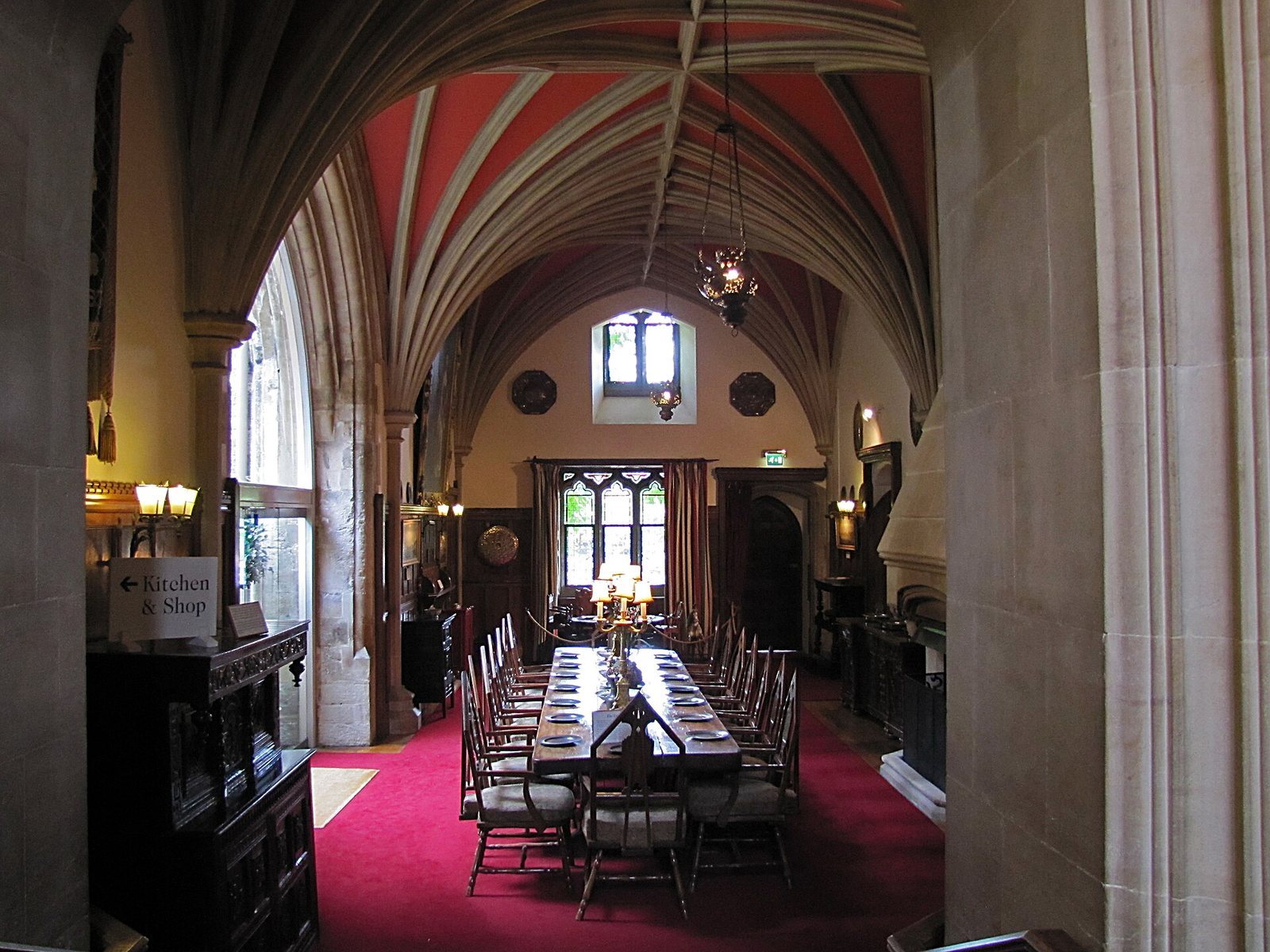
The interior retains a Victorian style. One room served as a chapel during the Middle Ages.